Hyperesthesia: What Patients Need to Know

Hyperesthesia means the body reacts more strongly than usual to normal sensory input. It can affect the skin, scalp, mouth, teeth, or a wider area of the body.
Key Takeaways
- Hyperesthesia means the body reacts more strongly than usual to normal sensory input.
- It can affect the skin, scalp, mouth, teeth, or a wider area of the body.
- Common causes include nerve irritation, infections, migraines, medication effects, and anxiety or stress-related conditions.
- Diagnosis usually depends on a careful medical history, physical examination, and sometimes blood tests or nerve studies.
- Treatment aims at the underlying cause and may include medicines, skin care, trigger avoidance, and specialist care.
- Persistent, severe, or sudden sensory changes should be assessed by a qualified doctor.
Hyperesthesia is an unusually heightened sensitivity to touch, pain, temperature, or other sensations. It is not a disease itself, but a symptom that can occur with nerve, skin, neurological, infectious, or emotional health conditions, so evaluation focuses on finding and treating the cause.
Overview: what hyperesthesia means
Hyperesthesia is a medical term for heightened sensitivity. A person with hyperesthesia may feel normal touch, clothing, temperature changes, or mild pressure as unusually intense, uncomfortable, or even painful. Some people notice it in one small area, such as the scalp or an arm, while others feel it more widely.
This symptom can involve different sensory pathways. For example, the skin may become tender, sound may feel more irritating than usual, or routine contact may seem exaggerated. Hyperesthesia is closely related to the way the nervous system processes sensation, but it does not always mean there is a serious neurological disease.
Doctors usually view hyperesthesia as a clue rather than a final diagnosis. The goal is to understand when it started, what it feels like, whether it is constant or episodic, and what other symptoms are present. In some cases, hyperesthesia appears with migraine or after an infection; in others, it is linked to nerve injury, medication effects, or emotional stress.
How hyperesthesia can feel
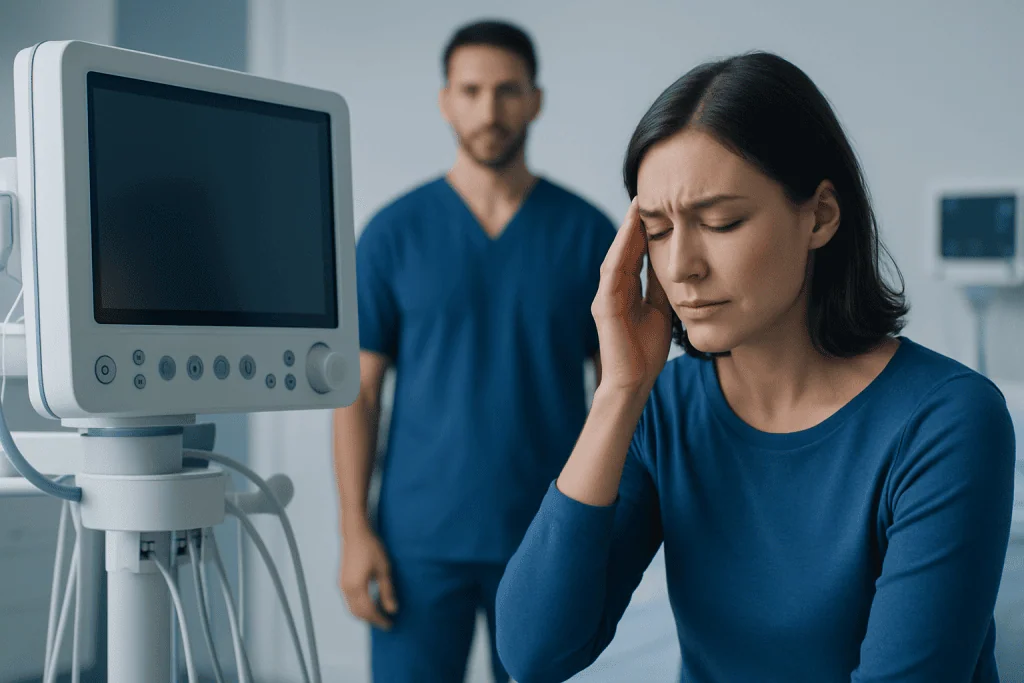
People describe hyperesthesia in different ways. Some say their skin feels sore, raw, burning, prickly, or overly tender. Others notice that everyday contact such as brushing hair, wearing a shirt, lying in bed, or showering feels much stronger than expected.
The symptom may come and go or stay present for longer periods. It may be localized to the face, scalp, back, chest, or limbs, or it may affect broader areas. In some situations, hyperesthesia occurs alongside numbness, tingling, weakness, headache, rash, or fatigue, which can help point toward a cause.
Related sensory symptoms can overlap, but they are not exactly the same. Hyperesthesia refers to increased sensitivity in general, while allodynia means a normally non-painful stimulus feels painful, and hyperalgesia means a painful stimulus feels more painful than expected. Patients do not need to separate these terms on their own, but a doctor may use them during assessment.
- Touch may feel unusually intense
- Skin may seem tender or irritated without visible injury
- Temperature changes may feel uncomfortable
- Symptoms may worsen with stress, fatigue, or illness
Possible causes and risk factors

Hyperesthesia can develop when sensory nerves become irritated or when the brain and spinal cord process signals differently. One broad group of causes includes nerve-related conditions such as peripheral neuropathy, nerve compression, shingles, recovery after nerve injury, or pain syndromes. A person with neuropathy may notice burning, tingling, numbness, or excess sensitivity together.
Skin and infectious conditions can also play a role. Sunburn, healing wounds, dermatitis, shingles, and some viral illnesses may temporarily make the skin more sensitive. In other cases, headache disorders such as migraine can cause a heightened response to touch or scalp tenderness before, during, or after an attack.
Additional causes include medication or substance effects, withdrawal states, fibromyalgia, dental or oral nerve irritation, anxiety, and prolonged stress. Emotional stress does not mean symptoms are imaginary; it can increase nervous system arousal and make the body react more strongly to sensory input. Risk may be higher in people with diabetes, vitamin deficiencies, autoimmune disease, recent infections, nerve trauma, or chronic pain conditions.
How doctors diagnose hyperesthesia
Diagnosis begins with a detailed conversation. The doctor will usually ask when the sensitivity started, what body areas are affected, what the sensation feels like, whether there is a rash or skin change, and whether symptoms are triggered by touch, heat, cold, stress, or movement. They will also ask about medications, recent infections, migraines, injuries, alcohol use, and long-term health conditions.
A physical examination helps determine whether the problem seems skin-related, nerve-related, or part of a broader medical condition. The clinician may assess light touch, pinprick, temperature, strength, reflexes, and balance. Depending on the pattern of symptoms, the person may be referred for neurological evaluation or neurology care.
Tests are not needed for everyone, but they may include blood tests to look for diabetes, vitamin deficiencies, inflammation, thyroid problems, or infection. Some patients may need imaging, dental assessment, or nerve testing such as electromyography and nerve conduction studies. If central nervous system disease is suspected, the doctor may consider MRI imaging or consultation through neurosurgery services when appropriate.
Treatment options and symptom relief
There is no single treatment for hyperesthesia because management depends on the cause. If the symptom is related to an infection, migraine, skin inflammation, nutritional deficiency, medication side effect, or nerve compression, treatment focuses on that underlying problem. When the cause is addressed, sensory sensitivity often improves as well.
Doctors may recommend medicines that calm nerve-related symptoms, treat inflammation, reduce migraine activity, or manage skin irritation, depending on the diagnosis. Self-treatment with over-the-counter products may not be enough if symptoms are persistent, especially when there is numbness, weakness, severe pain, or a spreading rash. It is generally safest to use medication only with professional guidance.
Supportive measures can also help. Gentle skin care, soft clothing, avoiding extreme temperatures, getting enough sleep, and reducing stress may lessen flare-ups. For some patients, gradual desensitization, physical therapy, or pain management strategies are useful, particularly when hyperesthesia is part of a chronic nerve or pain condition.
Daily self-care and prevention
Not all cases of hyperesthesia can be prevented, but practical habits may reduce triggers and protect the nerves and skin. Managing long-term conditions such as diabetes, avoiding excess alcohol, eating a balanced diet, and correcting vitamin deficiencies when present can lower the risk of some nerve-related causes.
For people with sensitive skin or localized tenderness, simple changes may help: choose breathable fabrics, avoid harsh soaps or fragranced products, and protect the skin from sunburn. If scalp sensitivity is present, gentler hair care and avoiding tight hairstyles may reduce discomfort. During migraine episodes, rest, hydration, and trigger management may also be useful.
Stress reduction matters as well. Relaxation exercises, consistent sleep, regular movement, and mental health support can help calm an overactive stress response that may amplify sensory symptoms. These steps do not replace medical care, but they can support recovery and improve comfort alongside a treatment plan.
When to seek medical care
Medical assessment is advisable if hyperesthesia lasts more than a short time, keeps returning, interferes with sleep or daily life, or occurs with other unexplained symptoms. It is especially important to seek care if there is numbness, weakness, balance problems, severe headache, vision change, a new rash, fever, or pain after an injury.
Urgent care may be needed if sensory changes begin suddenly on one side of the body, are associated with facial drooping, trouble speaking, confusion, chest pain, or shortness of breath. These symptoms can signal conditions that require prompt evaluation rather than watchful waiting.
Patients who need further assessment may benefit from multidisciplinary care involving neurology, dermatology, pain specialists, or rehabilitation teams. Acibadem International’s multidisciplinary specialists and JCI-accredited hospitals diagnose and treat complex sensory and nerve-related conditions for international patients when advanced evaluation is needed.
Frequently asked questions
Is hyperesthesia a disease?
No. Hyperesthesia is usually a symptom, not a disease by itself. It means the body is reacting with increased sensitivity, and the next step is to identify the reason for that change.
Can hyperesthesia go away on its own?
Sometimes it can, especially if it is caused by a temporary trigger such as a minor skin irritation, viral illness, or a migraine episode. If it persists, worsens, or comes with other symptoms, medical evaluation is important.
What is the difference between hyperesthesia and allodynia?
Hyperesthesia is a broad term for increased sensitivity to sensory input. Allodynia is more specific and means something that should not be painful, such as light touch, causes pain.
Can anxiety cause hyperesthesia?
Anxiety and prolonged stress can contribute to hyperesthesia or make it feel worse. This happens because stress can heighten the nervous system's response to normal sensations, but a doctor should still consider physical causes as well.
Is hyperesthesia related to nerve damage?
It can be. Irritated or damaged nerves may send stronger or abnormal sensory signals, leading to burning, tingling, tenderness, or exaggerated sensitivity. However, not every case is due to permanent nerve damage.
Which doctor should evaluate hyperesthesia?
A primary care doctor is often the best place to start. Depending on the symptoms, they may refer the patient to a neurologist, dermatologist, pain specialist, dentist, or another appropriate clinician.
This article is for general information only and is not a substitute for professional medical advice. Please consult a qualified doctor about your individual situation.
Explore treatments in Turkey — costs, top hospitals & a free quote
JCI-accredited · board-certified surgeons · reply within 24h
Add us as a Preferred Source to see more of our trusted health content across Google Search, AI Overviews and Discover.

More from the Health Library

Hyaluronic Acid Serum: A Complete Medical Overview

Myelomeningocele: An Evidence-Based Guide for Patients

Cardiac Ablation: A Complete Medical Overview
Skin Fissure: An Evidence-Based Guide for Patients

Anti Inflammatory Drinks: What Patients Need to Know