Skin Fissure: An Evidence-Based Guide for Patients

A skin fissure is more than simple dryness; it is a break in the skin barrier that can become painful. Common causes include very dry skin, eczema, psoriasis, frequent handwashing, friction, and underlying health conditions.
Key Takeaways
- A skin fissure is more than simple dryness; it is a break in the skin barrier that can become painful.
- Common causes include very dry skin, eczema, psoriasis, frequent handwashing, friction, and underlying health conditions.
- Treatment focuses on restoring moisture, protecting the skin, and treating any underlying inflammation or infection.
- Medical care is important if a fissure is deep, bleeding, infected, or not healing.
- Prevention often depends on regular moisturization, gentle skin care, and avoiding triggers.
A skin fissure is a split or crack in the skin, usually caused by dryness, irritation, inflammation, or repeated friction. Most improve with skin protection and moisture restoration, but deeper cracks may need medical assessment to prevent pain, infection, or delayed healing.
What is a skin fissure?
A skin fissure is a narrow crack or split in the outer layers of the skin. It often develops when skin becomes very dry, thickened, irritated, or inflamed and then loses the flexibility needed to stretch normally. Although some fissures are superficial, others can extend deeper and cause discomfort with movement, pressure, or contact with water and soaps.
Skin fissures commonly affect the hands, fingertips, heels, corners of the mouth, and areas exposed to repeated rubbing or harsh environments. In many people, a fissure begins as dry or rough skin and gradually turns into a visible crack. This is why a skin fissure is not only a cosmetic problem; it is a sign that the skin barrier has been disrupted.
Most fissures can be managed with careful skin care and treatment of the underlying cause. However, if a fissure becomes deep, keeps reopening, or shows signs of infection, it should be assessed by a doctor. Identifying whether dryness, dermatitis, pressure, or a chronic skin condition is involved can guide more effective treatment.
How a skin fissure feels and looks
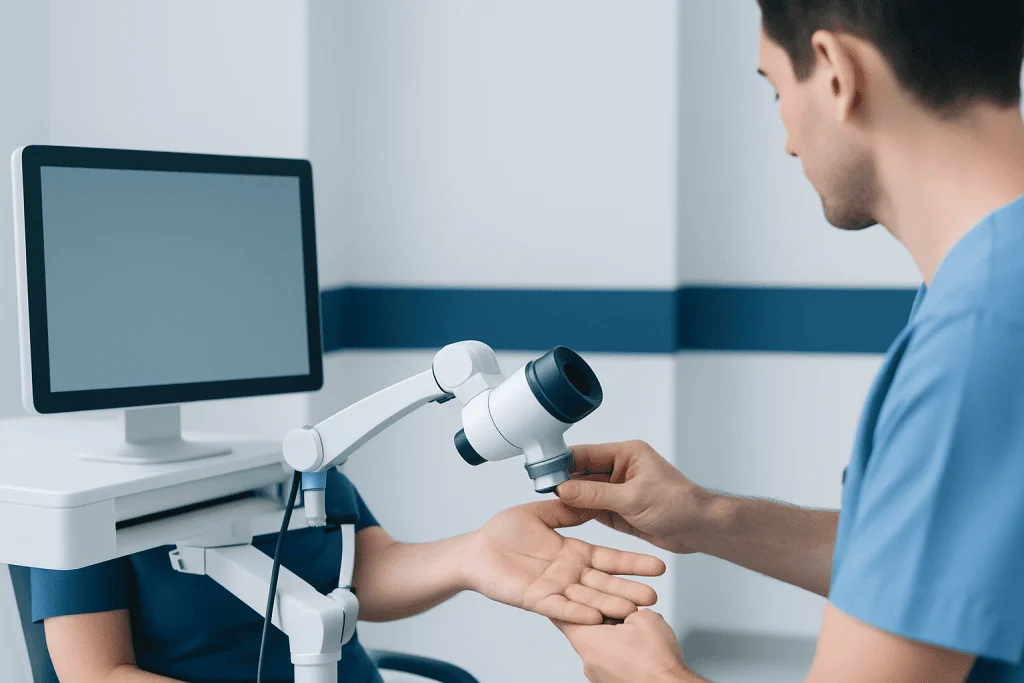
A skin fissure may appear as a fine line, a deeper crack, or a split with surrounding redness and scaling. The edges of the crack can look white, flaky, thickened, or inflamed depending on the cause. In pressure-bearing areas such as the heels, the surrounding skin may appear callused or yellowish before it breaks open.
Symptoms vary from mild tenderness to sharp pain, especially when the affected area bends or bears weight. A fissure on the fingertips may hurt during writing, typing, or washing. A heel fissure may make walking uncomfortable. If the crack extends deeper, it may bleed or sting when exposed to water, soap, or cleaning products.
Features that can occur with a skin fissure include:
- Dryness, roughness, or scaling
- Redness or inflammation around the crack
- Pain, burning, or stinging
- Bleeding from a deeper split
- Itching if eczema or irritation is present
- Thickened skin or callus nearby
Sometimes a fissure is part of a broader skin condition rather than an isolated problem. For example, persistent cracks on the hands may occur with eczema, while thickened, scaling skin with painful splits may be seen in psoriasis.
Why skin fissures happen

The skin barrier helps retain moisture and protect the body from irritation and germs. When this barrier is damaged, skin loses water, becomes less elastic, and is more likely to crack. This process may happen because of environmental factors, mechanical stress, or inflammation from a skin disorder.
Very dry weather, indoor heating, repeated exposure to water, and frequent use of soaps or alcohol-based products can all remove protective oils from the skin. Friction and pressure also matter. Heels, fingertips, and knuckles are common sites because they move often or carry body weight. In some people, repeated contact with detergents, chemicals, or work-related irritants adds to the problem.
Common causes and contributors include:
- Dry skin, especially in cold or low-humidity environments
- Frequent handwashing or sanitizer use
- Harsh soaps, fragrances, and cleaning agents
- Eczema, contact dermatitis, or psoriasis
- Calluses on the feet or thickened skin
- Aging skin, which tends to become thinner and drier
- Diabetes or poor circulation, which may delay healing
- Nutritional issues or dehydration in some cases
Not everyone with dry skin develops a fissure. Risk rises when dryness combines with repeated stretching, pressure, inflammation, or delayed healing. This is why management often involves both symptom relief and treatment of the underlying trigger.
How doctors diagnose the cause
Diagnosis usually begins with a medical history and skin examination. A doctor will ask where the fissure is located, how long it has been present, what products or activities affect it, and whether there is a history of skin conditions such as eczema or psoriasis. They may also ask about work exposures, hobbies, footwear, and general health.
In many cases, the appearance and location of the fissure provide strong clues. Cracks on the fingertips may suggest irritant dermatitis or severe dryness, while heel fissures often relate to thick callused skin and pressure. If there is redness, warmth, swelling, pus, or increasing pain, infection may be considered. If symptoms are persistent, recurrent, or unusual, a dermatologist may look for an inflammatory condition, fungal infection, or allergy-related contact dermatitis.
Additional tests are not always needed, but they may be useful in selected cases. Patch testing can help identify allergic triggers. If there is concern about infection, a swab may be taken. If healing is poor, the doctor may assess for conditions such as diabetes or circulation problems. When needed, a specialist in dermatology care can help clarify the diagnosis and treatment plan.
Treatment options for skin fissure
Treatment aims to close the crack, reduce pain, restore the skin barrier, and prevent the fissure from returning. The most important step is usually intensive moisturization. Thick, fragrance-free emollients or ointments help trap water in the skin and reduce further splitting. These are often more effective than light lotions, especially for hands and heels.
Protecting the fissure is also important. Depending on the site, a doctor may recommend a protective dressing, liquid bandage, or specialized skin barrier product to reduce discomfort and support healing. If thick callused skin is contributing to heel fissures, careful softening and reduction of hardened skin may help, but aggressive scraping at home can worsen the problem. In some situations, doctors may suggest treatment approaches used in wound care for deeper or slow-healing cracks.
If inflammation is present, treatment may include a medicated cream to calm dermatitis. If infection develops, appropriate antimicrobial treatment may be needed. When a fissure is linked to an ongoing disorder such as eczema or psoriasis, controlling that condition is essential; otherwise the crack may heal briefly and then return. People with circulation problems or diabetes may need closer monitoring because healing can be slower.
Treatment plans may include:
- Frequent use of thick moisturizers or petroleum-based ointments
- Gentle cleansers instead of harsh soaps
- Protective gloves for wet work or irritant exposure
- Dressings or barrier products over painful cracks
- Treatment of eczema, psoriasis, or dermatitis when present
- Medical review for signs of infection or poor healing
Daily skin care and prevention
Preventing a skin fissure often means preventing the skin from becoming overly dry or inflamed in the first place. Regular moisturizing is one of the most effective steps. Applying a thick moisturizer after washing and before bed can help maintain the skin barrier. For hands, reapplying after each wash may be especially helpful. For feet, a nighttime routine with moisturizer and cotton socks may reduce heel cracking.
Gentle skin habits also matter. Shorter showers with lukewarm rather than hot water can reduce drying. Fragrance-free cleansers are often better tolerated than strong soaps. When cleaning, washing dishes, or handling chemicals, protective gloves can reduce repeated irritation. Shoes that fit well and reduce heel pressure may help prevent fissures on the feet.
For people with chronic or recurrent fissures, prevention may involve managing an underlying condition rather than dryness alone. That can mean avoiding known contact allergens, following a doctor’s plan for eczema or psoriasis, and seeking regular foot checks if diabetes is present. In patients with persistent wounds or delayed healing, evaluation in services such as endocrinology and metabolic disease care may be appropriate when blood sugar or other metabolic factors are contributing.
When to seek medical care
Many skin fissures improve with moisturizers, protection, and trigger avoidance, but medical care is recommended in certain situations. A doctor should assess a fissure that is deep, very painful, bleeding repeatedly, or not improving despite good home care. Cracks on the feet deserve extra attention in people with diabetes, numbness, or circulation problems because complications can develop more easily.
Prompt medical review is also important if there are signs of infection. These may include increasing redness, warmth, swelling, pus, or worsening pain. Fever or rapidly spreading redness requires urgent assessment. Recurrent fissures in the same area may suggest an underlying skin disease, allergy, or mechanical problem that needs targeted treatment.
Patients who need specialist support may benefit from a multidisciplinary assessment. Near the end of the care pathway, it may be helpful to know that Acibadem International’s multidisciplinary specialists in JCI-accredited hospitals diagnose and treat skin and wound-related conditions for international patients when further evaluation is needed.
Frequently asked questions
Is a skin fissure the same as dry skin?
Not exactly. Dry skin can feel rough or tight, while a skin fissure is an actual crack or split that develops when the skin becomes too dry, inflamed, or stressed to stay intact. A fissure is usually more painful and may need more active treatment than ordinary dryness.
Can a skin fissure heal on its own?
A mild skin fissure may heal with good moisturizing, protection, and avoidance of irritation. However, if the crack is deep, keeps reopening, or is related to an underlying skin condition, it may not heal fully without medical treatment. Persistent fissures should be assessed by a doctor.
What is the best moisturizer for a skin fissure?
In general, thick fragrance-free creams or ointments work better than light lotions because they seal in moisture more effectively. Products with simple barrier-supporting ingredients are often preferred for cracked skin. A doctor or pharmacist can help choose a suitable option based on the location and cause.
Are skin fissures a sign of eczema or psoriasis?
They can be. Recurrent cracks on the hands, fingers, or other dry areas may occur with eczema, psoriasis, or contact dermatitis. If fissures are frequent, itchy, scaly, or associated with thickened plaques, a skin condition may be involved.
When is a skin fissure serious?
A skin fissure becomes more concerning when it is deep, very painful, bleeding, infected, or slow to heal. It also deserves prompt attention in people with diabetes, poor circulation, or reduced sensation in the feet. In these situations, early medical care can help prevent complications.
Can infection develop in a skin fissure?
Yes. Because a fissure breaks the skin barrier, bacteria or other germs can enter more easily. Increasing redness, warmth, swelling, pus, or worsening pain may suggest infection and should be checked by a healthcare professional.
References
- American Academy of Dermatology
- National Eczema Association
- National Psoriasis Foundation
- Mayo Clinic
- World Health Organization
This article is for general information only and is not a substitute for professional medical advice. Please consult a qualified doctor about your individual situation.
Explore treatments in Turkey — costs, top hospitals & a free quote
JCI-accredited · board-certified surgeons · reply within 24h
Add us as a Preferred Source to see more of our trusted health content across Google Search, AI Overviews and Discover.

More from the Health Library

Boswellia: What Patients Need to Know

Gestational Diabetes — Explained by Medical Evidence, Not Myths

Trochlear Nerve Palsy: A Complete Medical Overview

4 Stages of Grief: An Evidence-Based Guide for Patients

Saline Solution for Septum Piercings: A Complete Medical Overview