Azoospermia: An Evidence-Based Guide for Patients

Azoospermia is the absence of sperm in semen and is a recognized cause of male infertility. There are two main types: obstructive azoospermia, where sperm production may be normal but blocked, and nonobstructive azoospermia, where sperm production is reduced or absent.
Key Takeaways
- Azoospermia is the absence of sperm in semen and is a recognized cause of male infertility.
- There are two main types: obstructive azoospermia, where sperm production may be normal but blocked, and nonobstructive azoospermia, where sperm production is reduced or absent.
- Diagnosis usually involves repeated semen analysis, a physical examination, hormone tests, and sometimes genetic testing or imaging.
- Treatment depends on the cause and may include surgery, hormone-directed care, sperm retrieval, or assisted reproductive techniques.
- Early specialist evaluation is important, especially if pregnancy has not occurred after trying or if there is a history of undescended testes, surgery, infection, or hormonal symptoms.
Azoospermia means no sperm are seen in the semen sample. It can result from a blockage, problems with sperm production, or hormonal and genetic factors, and evaluation often helps clarify the cause and possible treatment options.
Overview
Azoospermia means that no sperm are found in the semen. This does not always mean that a man cannot have biological children. In many cases, the reason can be identified, and some causes can be treated directly or managed with fertility procedures.
Rather than being a disease by itself, azoospermia is a finding that points to an underlying issue. Broadly, it may happen because sperm are being made but cannot reach the semen, or because the testes are not producing enough sperm. This distinction is important because it shapes both diagnosis and treatment.
For patients, the key message is that azoospermia deserves a structured medical evaluation. A careful work-up may reveal a correctable blockage, a hormone imbalance, a genetic factor, or another health condition that needs attention. Even when natural conception is not possible, modern fertility care may still offer options for family building.
What azoospermia can mean for fertility and health
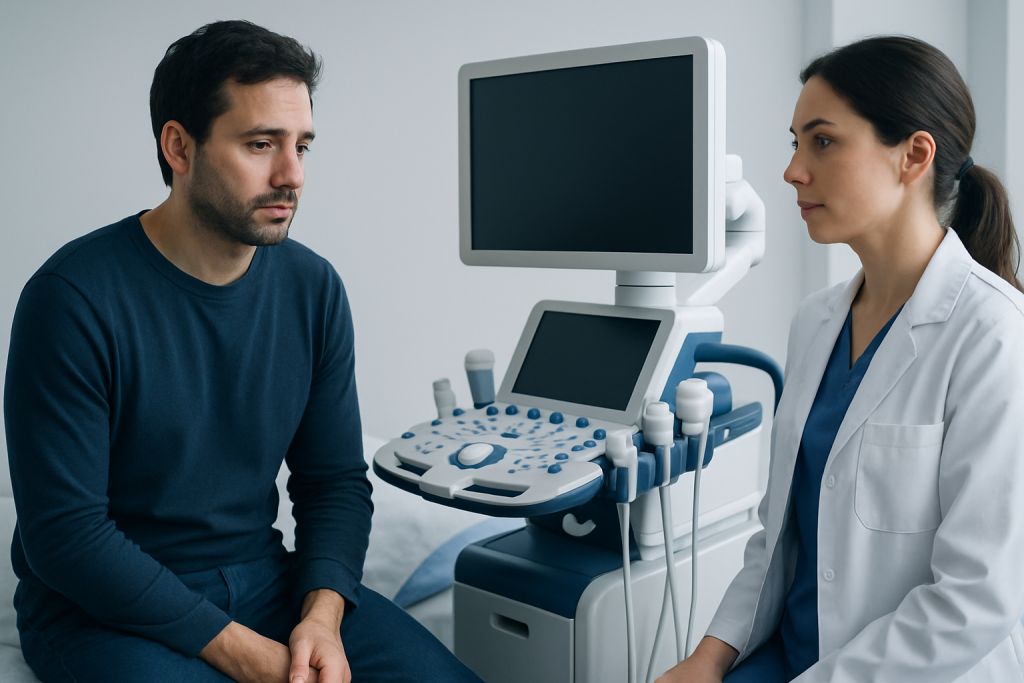
Azoospermia is often first discovered during an infertility evaluation, especially when a couple has been trying to conceive without success. However, it can sometimes also provide clues about broader health issues, such as hormone disorders, prior infections, testicular problems, or inherited conditions.
Doctors usually describe azoospermia in two main categories. Obstructive azoospermia means sperm are likely being produced in the testes but are blocked somewhere along the reproductive tract. Nonobstructive azoospermia means the problem mainly involves sperm production itself.
This distinction matters because obstructive causes may be treatable with surgery or sperm retrieval, while nonobstructive causes often require a different approach, including hormone evaluation, genetic counseling, or targeted reproductive techniques. In some men, azoospermia can also appear alongside male infertility caused by more than one factor.
It is also important to remember that azoospermia usually causes no pain and no obvious day-to-day symptoms. Many men feel entirely well, so diagnosis depends on testing rather than on how a person feels.
Symptoms and signs

Azoospermia itself usually does not cause noticeable symptoms. The most common reason for seeking medical advice is difficulty achieving pregnancy with a partner. Because semen can look normal to the eye even when it contains no sperm, appearance alone cannot confirm or rule out azoospermia.
Some men may have signs that suggest an underlying cause. These can include small testicular size, reduced facial or body hair, low sexual desire, erectile difficulties, prior genital swelling or pain, or a history of surgery involving the groin, testes, prostate, or reproductive tract. Others may report childhood undescended testes or delayed puberty.
Possible associated features include:
- Problems conceiving after regular unprotected intercourse
- Low semen volume or unusually dry ejaculation
- A past vasectomy or pelvic surgery
- A history of mumps affecting the testes, sexually transmitted infections, or severe genital trauma
- Symptoms of hormone imbalance, such as fatigue or reduced libido
Because these signs are not specific, they do not confirm the diagnosis on their own. A medical assessment is needed to understand whether azoospermia is present and what is causing it.
Causes and risk factors
The causes of azoospermia are usually grouped into obstructive and nonobstructive categories. Obstructive azoospermia can result from a blockage in the epididymis, vas deferens, ejaculatory ducts, or other parts of the reproductive tract. This may happen after infection, inflammation, prior surgery, congenital absence of the vas deferens, or a vasectomy.
Nonobstructive azoospermia is linked to reduced or absent sperm production in the testes. Contributing factors can include genetic conditions, chromosomal differences, undescended testes, damage after chemotherapy or radiation, severe varicocele in selected cases, hormone disorders involving the pituitary or hypothalamus, or direct testicular failure.
Risk factors that can raise the chance of azoospermia include:
- History of undescended testicle or testicular surgery
- Past reproductive tract infection or mumps orchitis
- Previous vasectomy or pelvic procedures
- Exposure to chemotherapy, radiation, or anabolic steroids
- Certain genetic conditions or a family history of infertility
- Hormonal disorders or pituitary disease
Lifestyle factors may affect sperm health overall, but they do not explain every case of azoospermia. Smoking, heavy alcohol use, obesity, heat exposure, and some medications may contribute to poorer fertility, yet a full evaluation is still needed because azoospermia often has a more specific medical cause.
How doctors diagnose azoospermia
Diagnosis begins with at least one properly collected semen analysis, and the test is often repeated to confirm the finding. If no sperm are seen, the laboratory may examine a centrifuged specimen to look for rare sperm. This step helps distinguish complete azoospermia from very low sperm counts.
The next stage usually includes a detailed medical history and physical examination. The doctor may ask about puberty, fertility history, infections, medications, surgeries, sexual function, and family history. On examination, testicular size, the presence of the vas deferens, and signs of hormonal problems can provide important clues.
Further testing commonly includes hormone blood tests such as follicle-stimulating hormone, luteinizing hormone, and testosterone. Depending on the situation, additional tests may include genetic studies, scrotal ultrasound, or imaging of the reproductive tract if a blockage is suspected. In selected cases, a testicular biopsy or sperm retrieval procedure may help clarify whether sperm production is present.
Because diagnosis often requires several pieces of information, referral to specialists in urology and reproductive medicine is common. Evaluation may also connect with in vitro fertilization planning when sperm retrieval and assisted reproduction are being considered.
Treatment options
Treatment for azoospermia depends entirely on the underlying cause. If a blockage is identified, microsurgical repair may sometimes restore the flow of sperm into the semen. In other obstructive cases, sperm can often be collected directly from the epididymis or testis and used in fertility treatment.
When azoospermia is related to hormone problems, treatment may focus on correcting the hormonal imbalance. This is most helpful in carefully selected situations, such as certain pituitary or hypothalamic disorders. Medication choices vary, and treatment should be guided by a qualified specialist rather than self-medication or over-the-counter supplements.
For nonobstructive azoospermia, options depend on whether any usable sperm can be found in the testis. Some men may be candidates for surgical sperm retrieval such as micro-TESE, often combined with intracytoplasmic sperm injection to support fertilization. Others may need counseling about donor sperm or other family-building paths if sperm retrieval is not successful.
Treatment decisions often involve both medical and emotional considerations. A multidisciplinary team can help explain realistic options, expected steps, and whether genetic counseling is appropriate. Near the end of the care pathway, some international patients choose centers such as Acibadem International, where multidisciplinary specialists in JCI-accredited hospitals evaluate and treat fertility-related conditions.
Self-care, prevention, and protecting fertility
Not every case of azoospermia can be prevented, especially when genetics or congenital conditions are involved. Still, general fertility protection is worthwhile. Avoiding anabolic steroids, using prescribed medicines only as directed, and discussing any fertility concerns before chemotherapy or radiation can be important preventive steps.
Healthy lifestyle measures support reproductive health overall, even though they may not reverse established azoospermia on their own. Maintaining a healthy weight, not smoking, limiting alcohol, managing chronic conditions, and reducing exposure to high heat or industrial toxins may all help protect sperm function.
Men planning surgery that may affect fertility, or those considering a vasectomy, should understand the long-term reproductive implications in advance. Those with testicular symptoms, a history of undescended testes, or known genetic conditions may benefit from earlier assessment rather than waiting until they are trying to conceive.
Self-treatment with testosterone should be avoided unless a doctor specifically recommends it for a carefully evaluated reason. External testosterone can suppress the body’s own sperm production and may worsen fertility in some men.
When to seek medical care
Medical assessment is recommended when pregnancy has not occurred after a reasonable period of regular unprotected intercourse, or sooner if there is a known risk factor for male infertility. Early evaluation is especially important for men with prior undescended testes, vasectomy, pelvic or scrotal surgery, chemotherapy, genital infection, or symptoms of low testosterone.
Prompt review is also appropriate if there is scrotal swelling, a testicular lump, significant pain, reduced sexual function, or very low semen volume. These symptoms do not always mean azoospermia, but they do deserve medical attention. In some situations, evaluation may identify related conditions requiring treatment beyond fertility care, including urology assessment.
Seeking care early can reduce uncertainty and help couples plan next steps. A clinician can explain whether repeat semen analysis, hormone testing, imaging, or referral to fertility specialists is the right next move.
Frequently asked questions
Can azoospermia be treated?
Sometimes, yes. Treatment depends on the cause, and some men have a blockage that can be repaired or bypassed with sperm retrieval. In other cases, treatment focuses on hormone correction or assisted reproduction rather than restoring sperm to the semen.
Does azoospermia mean a man cannot have biological children?
Not necessarily. Some men with azoospermia still produce sperm inside the testes, and those sperm may be used with fertility procedures. The chances depend on whether the cause is obstructive or nonobstructive and on the findings of specialist testing.
What is the difference between obstructive and nonobstructive azoospermia?
Obstructive azoospermia means sperm production may be present, but a blockage prevents sperm from entering the semen. Nonobstructive azoospermia means the main problem is reduced or absent sperm production in the testes. This distinction guides testing, treatment, and the likelihood of sperm retrieval.
Can testosterone therapy help azoospermia?
Not usually, and in some situations it can make fertility worse. External testosterone may suppress the body's natural signals for sperm production. Men concerned about fertility should speak with a specialist before starting any testosterone treatment.
How is azoospermia confirmed?
It is usually confirmed with semen analysis, often repeated to make sure the result is accurate. The sample may be processed further to look for very small numbers of sperm. Doctors then use the medical history, examination, and other tests to find the underlying cause.
Are genetic tests always needed?
No, but they are important in selected cases, especially when nonobstructive azoospermia is suspected or when congenital absence of the vas deferens is found. Genetic testing can help explain the cause and may affect family planning decisions. A doctor can advise when this type of testing is appropriate.
This article is for general information only and is not a substitute for professional medical advice. Please consult a qualified doctor about your individual situation.
Explore treatments in Turkey — costs, top hospitals & a free quote
JCI-accredited · board-certified surgeons · reply within 24h
Add us as a Preferred Source to see more of our trusted health content across Google Search, AI Overviews and Discover.

More from the Health Library

Augmentin and Alcohol — Explained by Medical Evidence, Not Myths

Teeth Whitening: A Complete Medical Overview

Rebounding: An Evidence-Based Guide for Patients

Pore Strips: What Patients Need to Know

Elastin — Explained by Medical Evidence, Not Myths