

Decaf Coffee for Pregnant Woman Explained: Causes, Management, and When to See a Doctor

Decaf coffee usually contains less caffeine than regular coffee, but it is not entirely caffeine-free. Most pregnant women can include moderate amounts of decaf coffee as part of a balanced diet, if their doctor has not advised otherwise.
Key Takeaways
- Decaf coffee usually contains less caffeine than regular coffee, but it is not entirely caffeine-free.
- Most pregnant women can include moderate amounts of decaf coffee as part of a balanced diet, if their doctor has not advised otherwise.
- Daily caffeine can also come from tea, chocolate, soda, energy drinks, and some medications.
- Stomach sensitivity, reflux, nausea, or sleep problems may make even decaf coffee uncomfortable during pregnancy.
- Medical advice is important if pregnancy symptoms worsen, caffeine intake is unclear, or there are high-risk pregnancy concerns.
Decaf coffee for pregnant woman is usually a reasonable choice when caffeine needs to be limited, because it contains much less caffeine than regular coffee. However, decaf is not completely caffeine-free, so overall daily intake, symptoms, and individual pregnancy advice still matter.
Overview: Can a Pregnant Woman Drink Decaf Coffee?
Decaf coffee for pregnant woman is generally considered a lower-caffeine alternative to regular coffee. For many people, it can help satisfy the taste and routine of coffee while reducing total caffeine exposure during pregnancy.
The key point is that decaf coffee is not completely caffeine-free. The amount varies by brand, preparation method, and cup size, so it still contributes a small amount to the daily caffeine total. This matters because caffeine can also come from other foods and drinks, including tea, cola, chocolate, and some over-the-counter products.
Pregnancy advice often focuses on limiting total caffeine rather than avoiding every trace of it. Decaf may fit well within that approach, especially for women who enjoy coffee but want a lower-caffeine option. Still, tolerance is individual, and some may notice that even decaf worsens nausea, heartburn, jitteriness, or sleep disruption.
Because every pregnancy is different, a pregnant woman should consider her full diet, symptoms, and any guidance from her obstetrician or midwife. If there are questions about nutrition, caffeine, or other pregnancy concerns, a doctor can help tailor advice to the specific situation.
Why the Question Matters in Pregnancy
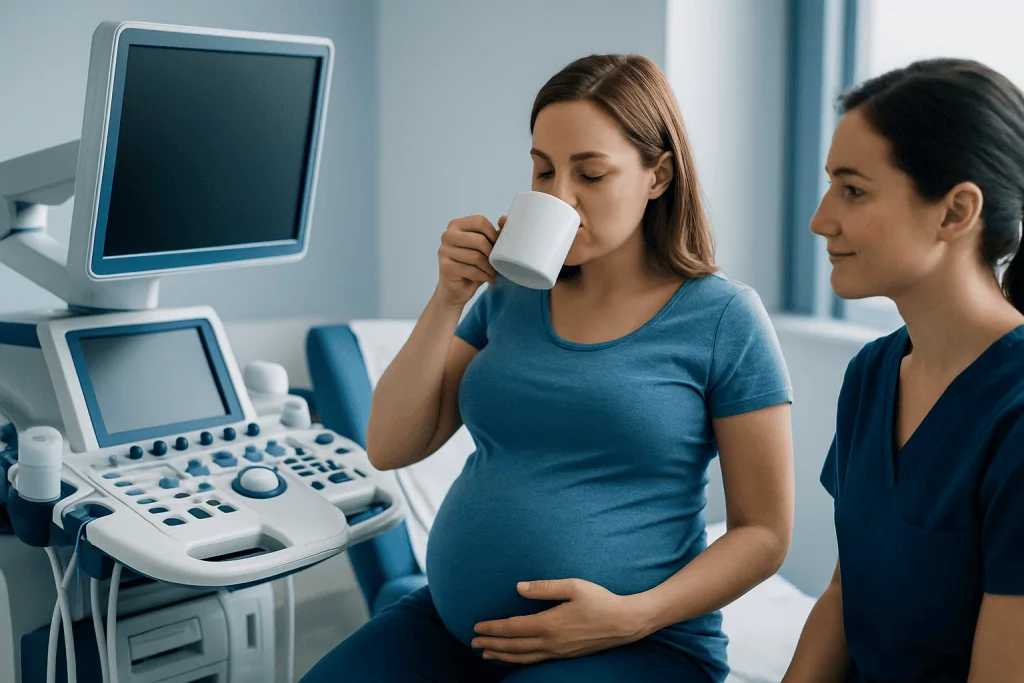
Caffeine crosses the placenta, which is why intake is discussed during pregnancy. The developing baby processes caffeine differently than an adult, so healthcare professionals usually recommend staying within established limits rather than consuming large amounts of caffeinated drinks.
For many women, coffee habits are also closely linked to pregnancy symptoms. Early pregnancy can bring nausea, heightened smell sensitivity, bloating, and food aversions. Later in pregnancy, heartburn and sleep disturbance often become more common. Even when caffeine is low, coffee itself may still trigger discomfort in some people because of its acidity, aroma, or temperature.
Another reason the question matters is that decaf can create a false sense that caffeine is absent. A person may choose decaf coffee, then also drink black tea, eat chocolate, or use headache medicine containing caffeine without realizing the total amount has increased. Looking at the whole day’s intake is more useful than focusing on a single beverage alone.
Pregnancy nutrition is not only about what should be avoided. It is also about choosing practical, sustainable options that support hydration, sleep, digestion, and overall well-being. For some, decaf coffee is a comfortable middle ground between regular coffee and complete avoidance.
How Much Caffeine Is in Decaf Coffee?
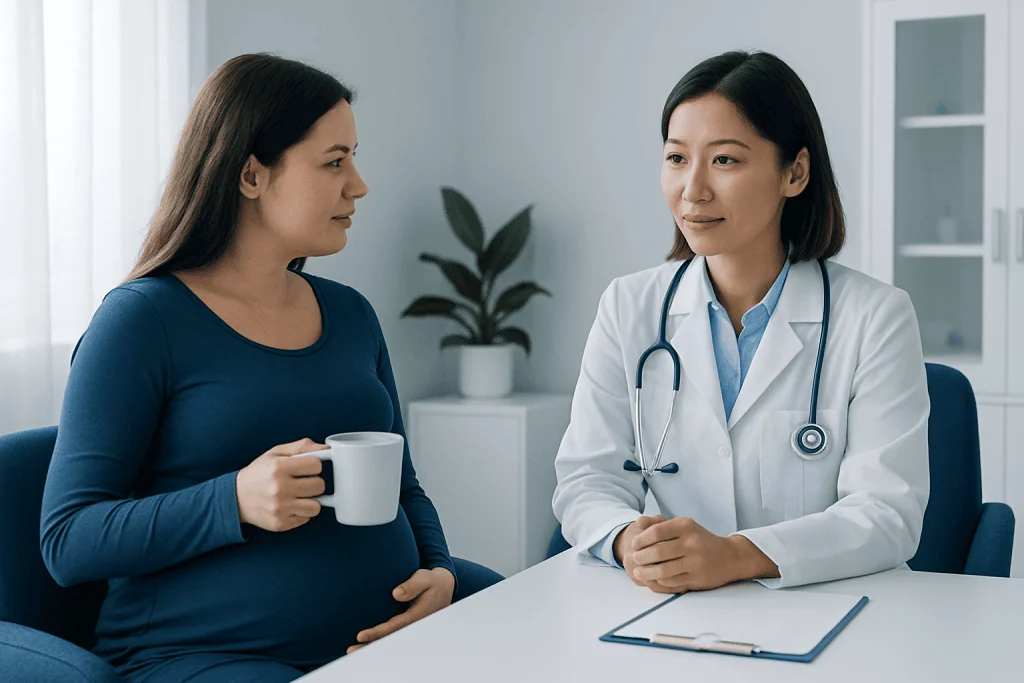
Decaf coffee contains much less caffeine than regular coffee, but there is no single amount that applies to every cup. The caffeine content depends on the coffee bean, the decaffeination process, serving size, and how strongly the coffee is brewed. In general, decaf contains only a small fraction of the caffeine found in regular coffee.
This difference is the main reason decaf is often preferred during pregnancy. However, a large mug of decaf from one café may not be equivalent to a small homemade cup from another source. Reading labels when available and being mindful of portion size can help keep intake more predictable.
Pregnant women should also remember that caffeine is present in many common items. Sources may include:
- Regular coffee and espresso drinks
- Black, green, and matcha teas
- Cola and some soft drinks
- Energy drinks and energy shots
- Chocolate and cocoa products
- Some cold, flu, or headache medicines
When uncertainty exists, it is sensible to ask a doctor, midwife, or dietitian how to estimate daily caffeine from all sources combined. This is especially useful for women with complicated pregnancies, significant nausea, or sleep problems.
Possible Benefits and Drawbacks of Decaf During Pregnancy
The main benefit of decaf coffee is obvious: it allows coffee drinkers to cut down on caffeine without fully giving up the taste, warmth, or routine of a favorite drink. This can make it easier to stay within pregnancy caffeine recommendations while maintaining a familiar daily habit.
Some women also find that switching from regular coffee to decaf reduces palpitations, restlessness, shakiness, or trouble sleeping. For those who previously drank multiple cups of regular coffee, decaf may be a useful step during pregnancy and while adjusting to changing sensitivities.
At the same time, decaf is not ideal for everyone. Coffee can still irritate the stomach, worsen acid reflux, or trigger nausea, even when caffeine content is low. Pregnancy-related acid reflux and indigestion may become more noticeable after coffee, especially on an empty stomach or later in the day.
Some specialty coffee drinks also contain a lot of sugar, syrups, whipped cream, or high-calorie add-ins. In pregnancy, the drink’s overall composition matters, not only the caffeine level. A simpler decaf option may be easier to tolerate and fit better into a balanced eating plan.
When Decaf Coffee May Not Feel Right
Pregnancy can change the body’s response to foods and drinks in ways that are not always predictable. A woman who tolerated coffee well before pregnancy may suddenly find that even decaf tastes unpleasant or causes discomfort. This does not necessarily indicate a serious problem; it may simply reflect normal hormonal and digestive changes.
Common reasons decaf coffee may not feel right include morning sickness, smell sensitivity, reflux, bloating, and constipation or irregular digestion. If coffee seems to make symptoms worse, reducing the amount, drinking it with food, choosing a less acidic preparation, or avoiding it temporarily may help.
Sleep is another practical issue. Although decaf has much less caffeine than regular coffee, sensitive individuals may still prefer to avoid it later in the day. Good sleep becomes especially important during pregnancy, and small dietary changes can sometimes make a noticeable difference.
Women with medical conditions or special pregnancy concerns should be particularly cautious about self-managing symptoms. If severe vomiting, ongoing abdominal discomfort, weight loss, dehydration, or significant heartburn is present, formal medical assessment is more helpful than repeated trial and error at home.
Practical Management: How to Include Decaf Coffee Safely
If a pregnant woman wants to drink decaf coffee, a simple approach is often best. She can choose moderate portions, track all caffeine sources through the day, and notice how her body responds. This makes decaf coffee one part of an overall pregnancy nutrition plan rather than a separate issue.
Helpful self-care strategies may include:
- Choosing smaller servings instead of oversized café drinks
- Avoiding coffee on an empty stomach if it worsens nausea
- Limiting sugary add-ins and very rich creamers
- Drinking enough water throughout the day
- Avoiding coffee close to bedtime if sleep is affected
- Checking labels on teas, sodas, supplements, and medicines for hidden caffeine
Some women prefer alternatives such as warm milk-based drinks, herbal beverages approved in pregnancy, or simply reducing frequency rather than drinking coffee every day. If reflux or upper digestive discomfort is a problem, a doctor may evaluate symptoms and, when needed, suggest broader management options or tests. In selected situations involving significant digestive symptoms, physicians may consider assessment through endoscopy to look for another cause.
For women who need personalized guidance, especially those with nausea, gestational concerns, or dietary restrictions, a nutrition-focused discussion can be very useful. A pregnancy care team may also review related conditions such as gastritis if coffee regularly causes burning or stomach pain.
When to Seek Medical Care
Most questions about decaf coffee in pregnancy can be discussed at a routine prenatal visit. However, medical advice should be sought sooner if coffee or other foods seem to trigger severe symptoms, if there is uncertainty about safe intake, or if the pregnancy is considered high risk.
A pregnant woman should contact a healthcare professional if she has persistent vomiting, signs of dehydration, significant weight loss, severe heartburn, fainting, ongoing palpitations, or sleep disruption that is affecting daily function. These symptoms are not always related to coffee and may need proper evaluation.
Urgent care is appropriate for concerning pregnancy symptoms such as vaginal bleeding, severe abdominal pain, reduced fetal movement later in pregnancy, chest pain, difficulty breathing, or severe headache with visual changes. In these situations, the focus should be on prompt obstetric assessment rather than dietary adjustment alone.
Near the end of the care journey, it may help to know that Acibadem International’s multidisciplinary specialists and JCI-accredited hospitals diagnose and treat pregnancy-related and digestive concerns for international patients. Where symptoms point to a digestive cause rather than caffeine alone, doctors may also assess conditions such as peptic ulcer disease or use procedures like colonoscopy only when clinically appropriate for a separate bowel concern.
Frequently asked questions
Is decaf coffee safe during pregnancy?
For many pregnant women, decaf coffee can be a reasonable choice because it contains much less caffeine than regular coffee. It is still important to remember that decaf is not completely caffeine-free and should be considered as part of total daily caffeine intake.
How much decaf coffee can a pregnant woman drink?
There is no universal number of cups that suits everyone because caffeine content varies by brand, brewing method, and serving size. A safer approach is to keep track of all caffeine sources throughout the day and follow the advice of a qualified prenatal care professional.
Can decaf coffee still cause pregnancy nausea or heartburn?
Yes. Even with very little caffeine, coffee may still worsen nausea, reflux, or stomach irritation in some pregnant women. If symptoms appear after drinking it, reducing the amount or avoiding it for a period may help.
Does decaf coffee affect the baby?
Decaf coffee contains a small amount of caffeine, so it contributes less exposure than regular coffee. In most cases, moderate use within overall caffeine guidance is not considered a major concern, but individual pregnancy advice from a doctor remains important.
Is homemade decaf the same as café decaf during pregnancy?
Not always. The caffeine content can differ depending on the beans used, cup size, and how the drink is prepared. Larger café servings may contain more caffeine than expected, so portion size matters.
What can replace coffee during pregnancy if decaf still causes symptoms?
Some women prefer warm milk-based drinks, pregnancy-appropriate herbal beverages, or simply water with meals if coffee triggers nausea or reflux. A doctor or dietitian can suggest alternatives that fit personal symptoms and nutrition needs.
References
- American College of Obstetricians and Gynecologists
- World Health Organization
- National Health Service
- Centers for Disease Control and Prevention
- U.S. Food and Drug Administration
This article is for general information only and is not a substitute for professional medical advice. Please consult a qualified doctor about your individual situation.
Explore treatments in Turkey — costs, top hospitals & a free quote
JCI-accredited · board-certified surgeons · reply within 24h
Add us as a Preferred Source to see more of our trusted health content across Google Search, AI Overviews and Discover.

More from the Health Library



Related Specialists

Prof. Dr. Fikret Aksoy
General Surgery
Prof. Dr. Ethem Kumbay
Cardiology
Assoc. Prof. Dr. Bahadır Topuz
Urology
Prof. Dr. Nigar Baykan
Anesthesiology