Hypnic Jerk: An Evidence-Based Guide for Patients

A hypnic jerk is a normal sleep-onset muscle twitch that many people experience. Episodes are often more noticeable during stress, fatigue, caffeine use, or irregular sleep schedules.
Key Takeaways
- A hypnic jerk is a normal sleep-onset muscle twitch that many people experience.
- Episodes are often more noticeable during stress, fatigue, caffeine use, or irregular sleep schedules.
- Most hypnic jerks do not require treatment unless they are frequent, distressing, or disturb sleep regularly.
- Doctors may evaluate symptoms to rule out conditions such as restless legs syndrome, sleep disorders, seizures, or medication effects.
- Improving sleep habits and reducing triggers can often make hypnic jerks less frequent.
A hypnic jerk is a sudden, involuntary muscle twitch that happens as a person is drifting off to sleep. It is common and usually harmless, though frequent or disruptive episodes can sometimes be linked to stress, stimulants, poor sleep, or an underlying sleep or movement disorder.
Overview
A hypnic jerk is a sudden, brief muscle contraction that occurs as a person is falling asleep. It may feel like a jump, jolt, or startle and can involve the whole body or just one area, such as the legs or arms. Many people also notice a sensation of falling, a flash-like dream image, or a brief feeling of surprise at the same time.
In most cases, a hypnic jerk is a normal event during the transition from wakefulness to sleep. These movements are also called sleep starts and are not usually a sign of disease. They can happen occasionally in healthy people of any age and may be more likely when a person is very tired or under stress.
What makes hypnic jerks concerning for some patients is not usually danger, but disruption. A strong jolt can wake a person just as sleep begins, making it harder to relax and fall asleep again. If this happens often, it can contribute to anxiety about sleep and create a cycle in which poor sleep makes the jerks feel more frequent.
What a Hypnic Jerk Feels Like
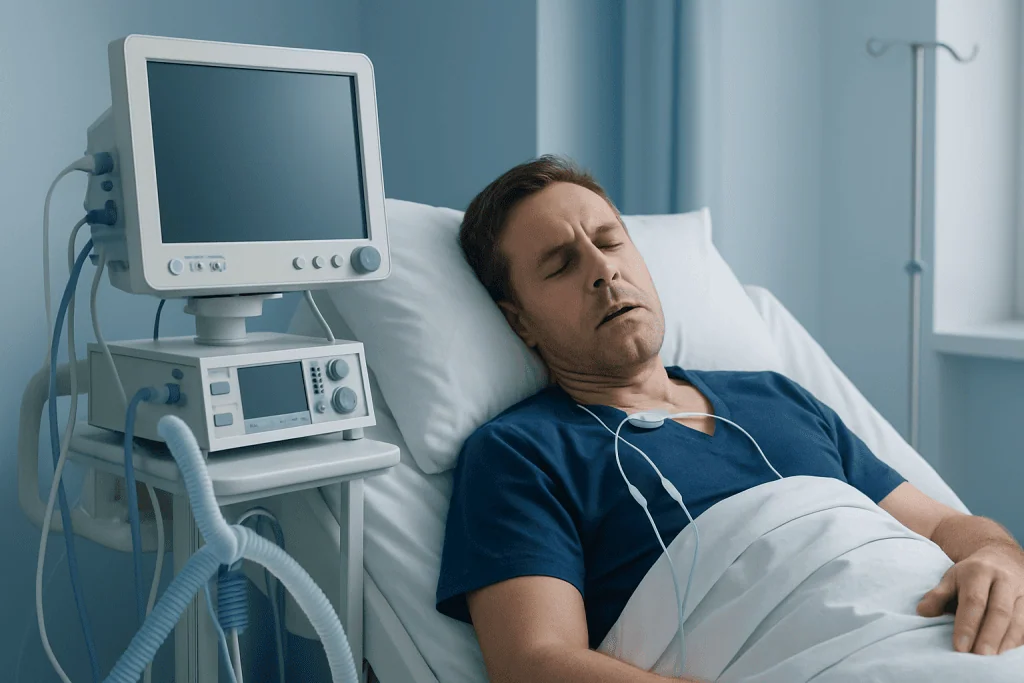
The experience varies from person to person. Some notice a single sudden kick in the leg, while others feel their whole body twitch. A hypnic jerk may be accompanied by a sense of dropping, tripping, or losing balance. Sometimes there is a brief visual image or dream-like sensation that seems to match the body movement.
These events usually happen in the earliest stage of sleep, just as the brain and muscles are shifting from an awake state to a sleep state. Because they occur at a very light stage of sleep, the person often remembers them clearly. The movement itself lasts only a moment, but the brief awakening afterward can feel much more noticeable.
A hypnic jerk is different from normal turning in bed or a restless night’s sleep. It is typically a quick, isolated event rather than ongoing movement through the night. If repeated movements continue during sleep or are associated with unusual behaviors, loud snoring, breathing pauses, or intense leg discomfort, a doctor may consider other sleep-related conditions, including sleep apnea.
Causes and Common Triggers

The exact cause of hypnic jerks is not fully understood, but they appear to be linked to the natural changes in brain activity, muscle tone, and awareness that happen during sleep onset. As the body relaxes, the nervous system may produce a sudden burst of muscle activity. This is usually harmless and may simply reflect the way the brain transitions into sleep.
Several factors can make hypnic jerks more likely or more noticeable. Common triggers include sleep deprivation, emotional stress, anxiety, intense physical activity late in the day, and stimulant use such as caffeine or nicotine. Some people notice more frequent episodes during periods of irregular sleep, jet lag, or after drinking too much alcohol.
Certain medicines may also contribute, especially those that affect the nervous system or sleep patterns. In some cases, patients may confuse hypnic jerks with other conditions that can cause nighttime movements, such as restless legs syndrome. Unlike hypnic jerks, restless legs syndrome usually causes an uncomfortable urge to move the legs before sleep rather than a single sudden jolt.
- Sleep deprivation or inconsistent sleep schedule
- Stress, anxiety, or emotional tension
- Caffeine, nicotine, or other stimulants
- Heavy exercise close to bedtime
- Alcohol use or withdrawal from certain substances
- Medication effects in some individuals
When It May Be More Than a Simple Sleep Start
Although hypnic jerks are usually benign, not every nighttime movement is a hypnic jerk. If the episodes occur many times each night, cause major sleep disruption, or happen together with confusion, tongue biting, loss of bladder control, or injuries, a healthcare professional should evaluate them. Those features can suggest a different problem and deserve prompt medical attention.
Doctors may also look more closely when symptoms are paired with loud snoring, choking during sleep, daytime sleepiness, or repeated awakenings. These symptoms can point toward a sleep disorder rather than an isolated sleep start. Repetitive jerking in sleep may overlap with other movement conditions or, less commonly, seizure-related events.
People who have significant insomnia, anxiety around falling asleep, or chronic fatigue may benefit from assessment even when the movements themselves are harmless. In these situations, treatment may focus less on the jerk itself and more on the sleep pattern, mental stress, or another underlying issue that is making the sleep transition more fragile.
How Doctors Diagnose the Cause
Diagnosis begins with a careful history. A doctor may ask when the jerks happen, how often they occur, whether they affect one body part or the whole body, and whether they fully awaken the person. Questions about caffeine intake, exercise timing, stress, medications, sleep schedule, snoring, and daytime fatigue can help identify triggers or suggest a different sleep disorder.
Most people with occasional hypnic jerks do not need extensive testing. If the symptoms fit the typical pattern and there are no warning signs, reassurance may be all that is needed. A physical and neurological examination may be performed if symptoms are unusual, frequent, or associated with other concerns.
When the picture is less clear, the doctor may recommend further evaluation. This can include a sleep study such as polysomnography to monitor sleep stages, breathing, heart rhythm, and limb movements. In selected cases, assessment by a sleep specialist, neurologist, or use of tests such as an EEG may help distinguish hypnic jerks from seizures or other movement disorders. If another neurological concern is suspected, imaging such as MRI may be considered based on the clinical situation.
Treatment and Ways to Reduce Hypnic Jerks
For most patients, treatment is not medical but practical. Because hypnic jerks are usually harmless, the main goal is to reduce triggers and improve sleep quality. Reassurance is important, especially for people who become worried that the sensation means something serious. Understanding that these events are common can itself reduce stress and help break the cycle of sleeplessness.
Lifestyle measures are often the most effective first step. Going to bed and waking up at consistent times, avoiding caffeine in the later part of the day, limiting nicotine and alcohol, and winding down before bed can all help. Gentle evening routines, light stretching, and managing screen exposure may also make sleep onset smoother.
If symptoms are frequent or severe, a doctor may review medications, check for sleep deprivation, and treat any underlying problem such as anxiety, insomnia, or another sleep disorder. Treatment is individualized rather than routine, and medicine is not usually needed for occasional sleep starts. When broader sleep concerns are present, patients may benefit from assessment in a specialist sleep setting. Acibadem International’s multidisciplinary specialists and JCI-accredited hospitals evaluate sleep-related symptoms for international patients when more detailed diagnosis or care is needed.
Self-Care and Prevention Tips
Prevention focuses on reducing strain on the body and nervous system at bedtime. A regular pre-sleep routine helps signal to the brain that it is time to rest. This may include dimming lights, keeping the bedroom comfortable and quiet, and leaving enough time to unwind after work, travel, or exercise.
Sleep hygiene can be especially helpful for people whose hypnic jerks worsen during stressful periods. Relaxation techniques such as slow breathing, mindfulness, reading quietly, or a warm shower may help the body move into sleep more gradually. People who notice repeated jerks after intense late workouts may benefit from shifting exercise earlier in the day.
Keeping a simple sleep diary can also be useful. Recording bedtime, wake time, caffeine use, stress level, and when the jerks occur may reveal clear patterns. This information can help a doctor decide whether the issue is a typical hypnic jerk or part of a larger sleep problem.
- Keep a consistent sleep schedule, even on weekends
- Reduce caffeine and nicotine, especially later in the day
- Avoid heavy alcohol use before bed
- Allow time to relax before sleep
- Try to manage stress and avoid overexertion at night
- Seek medical advice if symptoms change or become disruptive
When to Seek Medical Care
A person should consider medical advice if hypnic jerks happen often enough to interfere with sleep, cause distress, or lead to daytime tiredness. Evaluation is also sensible if the episodes are becoming more frequent, feel different from usual, or occur with other sleep symptoms such as loud snoring, breathing pauses, or repeated awakenings.
Prompt assessment is important if nighttime movements are associated with confusion, fainting, injury, tongue biting, incontinence, or movements that continue beyond the moment of falling asleep. These signs may suggest a condition other than a simple hypnic jerk. New symptoms such as weakness, numbness, persistent tremor, or major changes in neurological function should also be discussed with a qualified doctor.
Patients do not need to panic about an occasional sleep start. In most cases, a hypnic jerk is a normal body response during sleep onset. Still, personalized medical advice is the best way to clarify symptoms and choose the right next step when the pattern is not typical.
Frequently asked questions
Is a hypnic jerk dangerous?
Usually, no. A hypnic jerk is commonly a harmless muscle twitch that happens as a person falls asleep. It becomes more important to assess if it is frequent, causes major sleep disruption, or occurs with other unusual symptoms.
Why do hypnic jerks happen more when someone is stressed or tired?
Stress and sleep deprivation can make the transition into sleep less stable. This may increase how often a person notices a sudden jolt or startle as the body relaxes. Stimulants like caffeine can add to this effect.
Can caffeine cause a hypnic jerk?
Caffeine does not directly cause every hypnic jerk, but it can make them more likely in some people. Because caffeine stimulates the nervous system and can delay sleep, it may contribute to more noticeable sleep starts, especially later in the day.
What is the difference between a hypnic jerk and restless legs syndrome?
A hypnic jerk is usually a single sudden twitch right as sleep begins. Restless legs syndrome causes an uncomfortable urge to move the legs, often before sleep or during rest, and the feeling tends to improve with movement. They can feel similar, but they are different conditions.
Do hypnic jerks mean a person has a seizure?
Most of the time, no. Hypnic jerks are common and usually happen only at sleep onset, while seizures often have different patterns or associated features. If episodes are repetitive, unusual, or linked with confusion, injury, or loss of awareness, medical evaluation is important.
Can hypnic jerks be prevented?
They cannot always be prevented completely, but they can often be reduced. Better sleep habits, regular bedtimes, less caffeine, stress management, and avoiding intense late-night exercise may all help. A doctor can guide next steps if the problem persists.
This article is for general information only and is not a substitute for professional medical advice. Please consult a qualified doctor about your individual situation.
Explore treatments in Turkey — costs, top hospitals & a free quote
JCI-accredited · board-certified surgeons · reply within 24h
Add us as a Preferred Source to see more of our trusted health content across Google Search, AI Overviews and Discover.

More from the Health Library

Extra Virgin Olive Oil for Digestion: What Patients Need to Know

Adenovirus: An Evidence-Based Guide for Patients

Adrenal Crisis: What Patients Need to Know

Stopping and Restarting Ozempic for Weight Loss: What Patients Need to Know

Function of Pancreatin — Explained by Medical Evidence, Not Myths