Prinzmetal Angina — Explained by Medical Evidence, Not Myths

Prinzmetal angina is caused by temporary coronary artery spasm rather than a fixed blockage alone. Symptoms often occur at rest, sometimes at night or in the early morning.
Key Takeaways
- Prinzmetal angina is caused by temporary coronary artery spasm rather than a fixed blockage alone.
- Symptoms often occur at rest, sometimes at night or in the early morning.
- Diagnosis may involve an ECG during symptoms, heart imaging, and tests to rule out other causes of chest pain.
- Treatment commonly includes medicines that relax blood vessels and reduce spasms.
- Smoking cessation and avoiding known triggers are important parts of long-term care.
Prinzmetal angina is a type of chest pain caused by a brief spasm in a coronary artery, which temporarily reduces blood flow to the heart muscle. Unlike more typical angina that often appears with exertion, this form commonly happens at rest and can usually be managed once it is correctly identified.
Overview
Prinzmetal angina, also called variant angina or vasospastic angina, is chest pain caused by a temporary tightening of a coronary artery. This tightening, known as a spasm, briefly reduces blood flow to part of the heart muscle. The reduced blood flow can produce symptoms similar to other forms of angina, but the underlying mechanism is different.
One of the most important points for patients is that prinzmetal angina often happens at rest rather than during physical activity. Episodes may appear in clusters, especially during the night or early morning hours. Because many people associate heart-related chest pain only with exertion, this pattern can be confusing and may delay evaluation.
Medical evidence shows that coronary artery spasm can occur in arteries that look otherwise normal, as well as in arteries that already have some atherosclerosis. In other words, it is not simply a myth or a vague stress symptom. It is a recognized cardiovascular condition with specific diagnostic features and established treatment options.
Although symptoms can be unsettling, many people do well when the condition is identified and treated appropriately. Care usually focuses on confirming the diagnosis, preventing further spasms, and reducing the risk of complications.
Symptoms and how it may feel
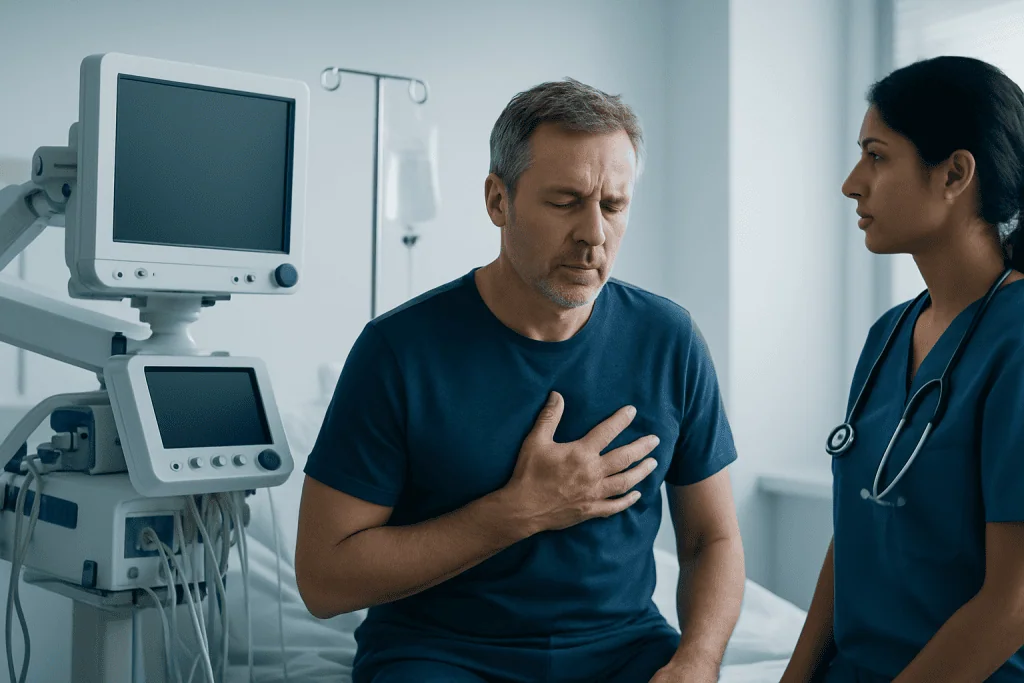
The main symptom of prinzmetal angina is chest pain or pressure. Some people describe it as squeezing, tightness, burning, or heaviness in the center or left side of the chest. The discomfort may spread to the arm, neck, jaw, shoulder, or back, much like other forms of angina.
A key clue is timing. Symptoms often occur while resting, sleeping, or sitting quietly rather than during exercise. Episodes may be brief, but they can be intense. Some people notice a pattern, such as attacks around the same time of day, especially in the early morning.
Other symptoms can occur along with chest pain, including:
- Shortness of breath
- Sweating
- Nausea
- Dizziness or lightheadedness
- Palpitations, or an awareness of the heartbeat
Not every episode of chest pain is prinzmetal angina, and not every person has the same symptoms. Because chest pain can also signal a heart attack or other urgent problem, new, severe, or unexplained symptoms should always be assessed by a qualified clinician.
What causes prinzmetal angina and who is at risk?

Prinzmetal angina happens when the muscular wall of a coronary artery suddenly narrows. This temporary spasm limits blood flow to the heart muscle for a short time. Researchers believe it is related to abnormal reactivity of the blood vessel wall, including the muscle layer and the inner lining of the artery, called the endothelium.
The exact reason why one person develops coronary spasm and another does not is not always clear. However, several factors are associated with a higher likelihood of vasospastic angina. Smoking is one of the strongest and most consistent risk factors. Exposure to stimulants, certain recreational drugs, or medications that constrict blood vessels may also contribute in some cases.
Other possible associations include emotional stress, cold exposure, alcohol use in some individuals, migraine, and other conditions involving blood vessel spasm. Some patients may also have other heart conditions, including coronary artery disease, while others have little or no fixed narrowing on imaging.
Importantly, prinzmetal angina is not “just anxiety,” even though stress can sometimes trigger symptoms. Anxiety can worsen the experience of chest pain, but coronary artery spasm is a real physical event that needs medical evaluation.
How doctors diagnose it
Diagnosis starts with a careful history. A doctor will ask when the chest pain happens, how long it lasts, what it feels like, and whether it occurs at rest or with exertion. The pattern of recurring pain at rest, especially overnight or early in the morning, can raise suspicion for prinzmetal angina.
An electrocardiogram, or ECG, is often an important first test. If it is recorded during an episode, it may show temporary changes that suggest reduced blood flow to the heart. Because spasms are brief, a routine ECG between episodes can be normal. For that reason, a clinician may recommend ambulatory heart rhythm monitoring or repeat testing if symptoms recur.
Blood tests may be used to check for heart muscle injury and help distinguish angina from a heart attack. Imaging or functional testing may also be needed to look for structural heart disease or blocked arteries. In some cases, a doctor may recommend coronary angiography to directly evaluate the coronary arteries. When appropriate, this can be part of a broader assessment that may include coronary angiography or a cardiac check-up.
Specialized testing during angiography may occasionally be used to provoke and document spasm under controlled conditions, but this is not necessary for every patient. The overall goal is to confirm the cause of symptoms, rule out dangerous alternatives, and guide treatment safely.
Treatment options
Treatment for prinzmetal angina is aimed at preventing artery spasm and reducing symptoms. Medicines that relax and widen blood vessels are commonly used. Calcium channel blockers are often a mainstay of therapy, and nitrates may also be used in some cases to help prevent or relieve episodes. The exact plan depends on the person’s symptoms, medical history, and any coexisting heart disease.
Doctors also review current medications and exposures that might worsen spasm. For example, some drugs that constrict blood vessels may need to be avoided. Smoking cessation is especially important because tobacco strongly increases the tendency toward spasm and can make treatment less effective.
If tests show additional heart problems, treatment may also address those findings. Some patients need further evaluation for rhythm disturbances or obstructive coronary disease. In selected cases, specialists may recommend advanced assessment or interventions such as cardiology care and, if fixed narrowing is found, coronary angioplasty.
Long-term follow-up matters because symptom patterns can change over time. Many people achieve good control with the right combination of medication, trigger avoidance, and ongoing supervision by a doctor. Patients should not start, stop, or adjust heart medicines without professional advice.
Living with prinzmetal angina: prevention and self-care
Self-care does not replace medical treatment, but it can play a major role in reducing attacks. The most effective lifestyle step for many patients is to stop smoking and avoid secondhand smoke. If a person uses nicotine products, recreational stimulants, or other substances that may provoke spasm, discussing this honestly with a doctor can improve safety and treatment success.
It may also help to identify personal triggers. Some people notice episodes after emotional stress, alcohol, cold weather exposure, or certain medications. Keeping a symptom diary can be useful. Recording the time of day, activity, recent food or drink, and any associated symptoms may help a clinician see patterns that are not obvious at first.
General heart-healthy habits are also valuable, even though prinzmetal angina is not always driven by classic exertional coronary disease. These habits include regular medical follow-up, balanced nutrition, physical activity as advised by a physician, adequate sleep, and management of blood pressure, cholesterol, and diabetes when present. People with other heart conditions, including arrhythmia, may need closer monitoring.
Near the end of the care journey, some international patients look for coordinated specialist evaluation. Acibadem International’s multidisciplinary specialists and JCI-accredited hospitals diagnose and treat heart conditions, including suspected vasospastic angina, with individualized assessment plans.
When to seek medical care
Any new chest pain should be taken seriously. Immediate medical attention is important if chest pain is severe, lasts more than a few minutes, comes with shortness of breath, fainting, heavy sweating, weakness, or spreads to the jaw, arm, or back. These symptoms can overlap with a heart attack and should not be self-diagnosed at home.
Medical review is also important if chest pain is recurring, starts waking a person from sleep, or is happening more often than before. Even if symptoms go away quickly, repeated episodes may still point to reduced blood flow to the heart and deserve evaluation.
People who already have a diagnosis of prinzmetal angina should contact their doctor if medicines stop working as expected, attacks become more frequent, or new symptoms such as palpitations or near-fainting develop. This may mean the condition has changed or another heart issue is present.
Prompt evaluation helps distinguish prinzmetal angina from other causes of chest pain, including reflux, panic symptoms, muscle strain, and more serious cardiovascular emergencies. A timely diagnosis can improve symptom control and reduce risk.
Frequently asked questions
Is prinzmetal angina the same as a heart attack?
No. Prinzmetal angina is caused by a temporary spasm of a coronary artery, while a heart attack usually involves prolonged loss of blood flow, often from a blocked artery. However, the symptoms can feel similar, so urgent medical evaluation is important when chest pain is new, severe, or prolonged.
Can prinzmetal angina happen if coronary arteries are not blocked?
Yes. Coronary artery spasm can occur even when imaging shows little or no fixed narrowing. Some people, however, may have both vasospasm and underlying coronary artery disease.
What usually triggers prinzmetal angina?
Triggers vary from person to person. Commonly reported ones include smoking, cold exposure, emotional stress, alcohol in some people, stimulant substances, and certain medicines that narrow blood vessels.
Is exercise always the cause of chest pain in prinzmetal angina?
No. A distinguishing feature of prinzmetal angina is that it often occurs at rest rather than during exertion. Episodes may happen during sleep or in the early morning, although some people can have symptoms at other times too.
Can prinzmetal angina be treated successfully?
In many cases, yes. With the right diagnosis, medication, and trigger management, many people have fewer symptoms and a better quality of life. Regular follow-up is important to adjust treatment and monitor for complications.
Should a person with suspected prinzmetal angina avoid smoking completely?
Yes. Smoking is a major risk factor for coronary artery spasm and can worsen symptoms. Stopping smoking and avoiding secondhand smoke are important parts of prevention and treatment.
This article is for general information only and is not a substitute for professional medical advice. Please consult a qualified doctor about your individual situation.
Angina in Turkey — costs, top hospitals & a free quote
JCI-accredited · board-certified surgeons · reply within 24h
Add us as a Preferred Source to see more of our trusted health content across Google Search, AI Overviews and Discover.

More from the Health Library

Ammonium Lactate: An Evidence-Based Guide for Patients

Skin Bleaching Cream — Explained by Medical Evidence, Not Myths

Farxiga Cost — Explained by Medical Evidence, Not Myths

Xyzal: What Patients Need to Know

Glp-1 News — Explained by Medical Evidence, Not Myths