Pulsetto Reviews: A Complete Medical Overview

Pulsetto is generally discussed as a noninvasive vagus nerve stimulation wearable, not a replacement for medical diagnosis or treatment. Claims in pulsetto reviews should be weighed against clinical evidence, which is still evolving for many wellness-related uses.
Key Takeaways
- Pulsetto is generally discussed as a noninvasive vagus nerve stimulation wearable, not a replacement for medical diagnosis or treatment.
- Claims in pulsetto reviews should be weighed against clinical evidence, which is still evolving for many wellness-related uses.
- People with persistent anxiety, palpitations, fainting, sleep problems, or pain should seek medical assessment before self-treating.
- Safety matters most for people with implanted devices, heart rhythm concerns, seizure disorders, pregnancy, or skin sensitivity.
- A useful review considers the symptom being targeted, expected benefit, side effects, and whether standard care has been tried.
Pulsetto reviews are best interpreted through a medical lens: the device is a consumer wearable that uses noninvasive vagus nerve stimulation, but its benefits, risks, and suitability depend on the individual and the symptom being addressed. Rather than relying on marketing claims alone, patients should look at the quality of evidence, safety considerations, and whether symptoms may need formal medical evaluation.
Overview: How to Read Pulsetto Reviews Medically
Pulsetto reviews can be helpful, but they should be read with realistic expectations. In general, Pulsetto is presented as a wearable device designed to deliver noninvasive vagus nerve stimulation through the neck area. Some users describe benefits for stress, relaxation, sleep, or general well-being, but consumer reviews are not the same as medical evidence.
From a clinical perspective, the key question is not whether a device is popular, but whether it is appropriate for the symptom in question. Vagus nerve stimulation is an active area of research, and there are medically supervised forms used for specific neurological conditions. However, wellness devices marketed directly to consumers may differ in design, indications, and level of evidence.
A balanced review looks at four things: what symptom a person hopes to improve, whether that symptom could have a medical cause, how strong the supporting evidence is, and whether the device appears safe for that individual. This approach is especially important if symptoms include chest discomfort, fainting, severe anxiety, insomnia, dizziness, or ongoing pain, since these can overlap with treatable health conditions.
What Pulsetto Is and How Vagus Nerve Stimulation May Work
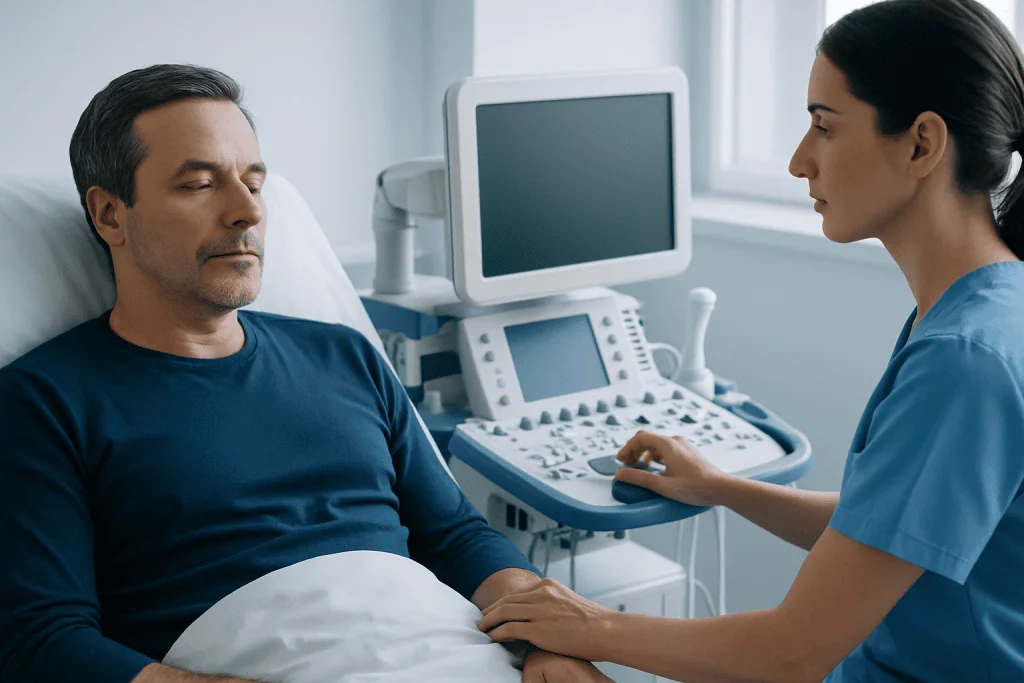
The vagus nerve is a major nerve that helps regulate functions such as heart rate, digestion, and aspects of the body’s stress response. Noninvasive vagus nerve stimulation aims to influence these pathways using external electrical stimulation, usually applied through the skin. The intended effect is often described as supporting the body’s parasympathetic, or “rest and digest,” response.
In theory, this may help some people feel calmer or more relaxed. Researchers have studied vagus nerve stimulation in a range of settings, including headaches, mood symptoms, pain, and autonomic regulation. That said, not every study uses the same device, stimulation pattern, treatment schedule, or patient group, so results are not always easy to compare.
It is important to separate consumer wellness goals from established medical indications. A wearable may be described as helpful for stress management, but that does not mean it treats an anxiety disorder, insomnia, or a heart rhythm problem. If symptoms are ongoing or disruptive, a clinician may need to assess for conditions such as arrhythmia, sleep disorders, or other neurological or psychological causes.
What Reviews Often Claim and What the Evidence Really Shows

Many pulsetto reviews focus on perceived calmness, improved relaxation before sleep, reduced tension, or easier recovery after stressful days. These experiences may be genuine for some users. However, self-reported reviews are influenced by expectations, placebo effects, differences in symptom severity, and whether a person is also changing routines such as caffeine intake, sleep schedule, or breathing exercises.
Medical evidence is strongest when a device has been studied in well-designed clinical trials with clear outcomes and appropriate comparisons. For consumer-targeted vagus nerve devices, the evidence base is still developing. Some studies of noninvasive vagus nerve stimulation suggest potential benefits in selected situations, but results vary, and there is not enough evidence to support broad claims for every symptom or every person.
This does not mean such devices are ineffective; it means they should be viewed as adjuncts rather than stand-alone answers. A careful reader should be cautious about dramatic claims, rapid cures, or statements that a device works equally well for stress, sleep, migraines, burnout, and mood symptoms all at once. In medicine, symptoms that look similar on the surface can have very different causes and require different approaches.
- Look for reviews that describe the exact symptom being addressed.
- Check whether the reviewer mentions side effects or reasons they stopped using it.
- Be cautious if a review sounds absolute or guarantees outcomes.
- Consider whether the symptom improved alongside standard lifestyle or medical care.
Safety, Side Effects, and Who Should Be Cautious
Noninvasive devices are often described as low risk, but low risk does not mean risk-free. Mild side effects can include local skin irritation, tingling, discomfort, muscle twitching, headache, dizziness, or an unpleasant sensation during stimulation. The neck is a sensitive area, so proper use matters.
People should be particularly cautious if they have a pacemaker or another implanted electrical device, known heart rhythm abnormalities, a history of fainting, seizure disorders, significant cardiovascular disease, pregnancy, or a skin condition affecting the application area. In these cases, a doctor should be consulted before using any electrical stimulation device. A clinician can also help determine whether symptoms that seem stress-related may actually need specialist evaluation, such as cardiology assessment or neurological review.
Another important point is that a device should not be used to delay care for worsening symptoms. Ongoing palpitations, severe insomnia, panic symptoms, chest pain, shortness of breath, blackouts, or new neurological symptoms should not be self-managed with a wearable alone. If there is any uncertainty, professional advice is the safer choice.
Who Might Consider It, and Who May Need Another Approach
A consumer vagus nerve stimulation device may be considered by adults who have mild, non-urgent stress-related symptoms and who want to explore a wellness tool as part of a broader self-care plan. For example, some people use these devices alongside regular sleep habits, gentle exercise, relaxation training, or structured breathing exercises. In these situations, the goal is usually symptom support rather than treatment of a diagnosed disease.
It may be less appropriate for someone with severe or unexplained symptoms, frequent panic attacks, major sleep disruption, disabling headaches, significant depression, or recurrent dizziness. These concerns deserve a proper diagnosis first. For some people, effective care may involve evidence-based psychotherapy, sleep medicine input, medication review, or specialist treatment for a neurological or cardiovascular problem.
People with recurrent headaches or migraine-like symptoms should also avoid assuming that a wellness device is the full answer. Headache disorders can have specific diagnostic patterns and treatment pathways, and a formal evaluation may be more useful than trial-and-error self-treatment. Depending on symptoms, a doctor may recommend approaches such as neurology evaluation or, where appropriate, migraine assessment and management.
How Doctors Evaluate Symptoms That People Try to Self-Treat
When a person is considering a device because of stress, poor sleep, palpitations, or fatigue, clinicians usually start by clarifying the symptom pattern. They may ask when symptoms began, what triggers them, whether they come with pain or dizziness, and whether there are signs of anxiety, depression, sleep apnea, medication effects, or thyroid problems. This process helps identify whether the issue is functional, lifestyle-related, or linked to an underlying condition.
Depending on the complaint, evaluation may include a physical examination, blood tests, sleep history, mental health screening, heart rhythm testing, or neurological review. For some patients, reassurance and lifestyle changes are enough. For others, diagnosis leads to more targeted care such as behavioral treatment, medication, or specialist procedures.
This is why consumer reviews should never replace assessment when symptoms are persistent or interfering with daily life. A device may sometimes fit into a care plan, but it should follow the diagnosis rather than substitute for it. In complex cases, multidisciplinary input can be useful, including sleep, neurology, mental health, or heart specialists.
Practical Self-Care and How to Judge Whether It Is Helping
If a person chooses to try a wellness device after checking that it is reasonably safe for them, it helps to use a structured approach. The clearest way to judge benefit is to define one symptom, one realistic goal, and one timeframe. For example, the goal might be easier wind-down before bed or fewer moments of tension during the day, rather than expecting complete resolution of complex symptoms.
It is also sensible to continue proven self-care habits at the same time. These include regular sleep and wake times, limiting late caffeine and alcohol, daily movement, stress management, and screen reduction before bed. If the main concern is poor sleep, standard sleep hygiene and, when needed, a sleep-focused assessment may provide more value than any device alone.
People should stop use and seek advice if they develop worsening dizziness, skin reactions, persistent discomfort, palpitations, or any unexpected symptom. Near the end of the care journey, some patients may benefit from assessment in a center with coordinated specialties. Acibadem International’s multidisciplinary specialists and JCI-accredited hospitals evaluate and treat international patients with stress-related symptoms, sleep complaints, neurological concerns, and cardiovascular conditions, including access to sleep disorder treatment when clinically indicated.
When to Seek Medical Care
Medical care is appropriate if symptoms are severe, unexplained, or getting worse. A person should seek prompt evaluation for chest pain, shortness of breath, fainting, new weakness, severe headache, suicidal thoughts, or sudden changes in speech, vision, or balance. These symptoms are not typical wellness concerns and require urgent attention.
A routine medical appointment is also wise if stress, poor sleep, palpitations, fatigue, or anxiety symptoms last for weeks, interfere with work or relationships, or lead someone to depend heavily on self-treatment devices. Persistent symptoms often respond best when the underlying cause is identified. In some cases, doctors may recommend psychological support, lifestyle treatment, cardiac testing, or targeted care for related conditions such as sleep apnea.
In short, pulsetto reviews can be a starting point for questions, but they should not be the final word on care. The safest path is to match the tool to the symptom, check for contraindications, and involve a qualified healthcare professional whenever symptoms are ongoing or concerning.
Frequently asked questions
Are pulsetto reviews reliable for deciding whether the device works?
They can be informative, but they are not the same as clinical evidence. Reviews usually reflect personal experience, expectations, and the specific symptom being targeted. A better decision combines user feedback with safety information and medical advice when symptoms are persistent.
Is Pulsetto the same as prescription vagus nerve stimulation?
No. Consumer wearables and prescription or medically supervised vagus nerve stimulation systems are not the same in their design, intended use, and evidence base. A wellness device should not be assumed to offer the same benefits as a treatment used in specialist care.
Can a vagus nerve stimulation wearable treat anxiety or insomnia?
It may help some people with relaxation or symptom support, but it is not a substitute for diagnosing or treating an anxiety disorder or chronic insomnia. If symptoms are frequent, distressing, or impair daily life, a clinical evaluation is the safer and more effective next step.
Who should avoid using this type of device without medical advice?
People with implanted electrical devices, known heart rhythm problems, seizure disorders, pregnancy, unexplained fainting, or significant skin sensitivity should speak with a doctor first. This is especially important when the device is applied near the neck.
What side effects can happen with noninvasive vagus nerve stimulation?
Reported side effects may include tingling, discomfort, skin irritation, dizziness, twitching, or headache. These are often mild, but any worsening symptoms or unexpected reactions should prompt stopping the device and seeking medical advice.
How long should someone try a wellness device before deciding whether it helps?
A short, structured trial with one clear goal is more useful than irregular use with many expectations. If there is no meaningful improvement, or if symptoms are significant to begin with, it is reasonable to stop and ask a clinician about more evidence-based options.
This article is for general information only and is not a substitute for professional medical advice. Please consult a qualified doctor about your individual situation.
Explore treatments in Turkey — costs, top hospitals & a free quote
JCI-accredited · board-certified surgeons · reply within 24h
Add us as a Preferred Source to see more of our trusted health content across Google Search, AI Overviews and Discover.
Check your numbers in seconds
BMI, calories, due date, blood pressure and 30+ more clinical calculators — free, instant, doctor-reviewed ranges.

More from the Health Library
Penis Piercing: A Complete Medical Overview

Healthy Coffee Creamer: A Complete Medical Overview

Red knuckles: Symptoms, Causes, and Treatment — Complete Patient Guide

Pleura: What Patients Need to Know

Malaria: A Complete Medical Overview