Foot Detox — Explained by Medical Evidence, Not Myths

There is no strong scientific evidence that foot detox methods remove toxins from the body. The liver, kidneys, digestive system, lungs, and skin already handle normal detoxification processes.
Key Takeaways
- There is no strong scientific evidence that foot detox methods remove toxins from the body.
- The liver, kidneys, digestive system, lungs, and skin already handle normal detoxification processes.
- Foot baths, massage, and skin care may feel soothing, but comfort is not the same as toxin removal.
- Some foot detox products can irritate the skin or delay proper medical care if symptoms are ignored.
- Persistent foot pain, numbness, swelling, wounds, or color changes should be assessed by a doctor.
Foot detox is commonly marketed as a way to pull toxins from the body through the feet, but medical evidence does not support these claims. Most perceived benefits are more likely related to warm water, rest, massage, and routine foot care than to detoxification.
Overview: what foot detox means in medical terms
Foot detox is a broad term used for products and practices that claim to remove toxins from the body through the feet. Common examples include ionic foot baths, adhesive foot pads, herbal soaks, scrubs, and spa treatments. From a medical perspective, these methods have not been shown to draw toxins out of the body in a measurable or clinically meaningful way.
The body already has well-established detoxification systems. The liver breaks down many substances, the kidneys filter waste into urine, the digestive tract helps eliminate byproducts, and the lungs remove carbon dioxide. The skin has important protective functions, but it is not known to act as a major route for removing the kinds of toxins that foot detox products typically advertise.
This does not mean every foot soak or foot care ritual is useless. Warm water, gentle cleansing, exfoliation, and massage can help a person feel more relaxed and may temporarily ease tired feet. The key difference is understanding that comfort and self-care are not the same as medically proven detoxification.
Why foot detox appeals to people
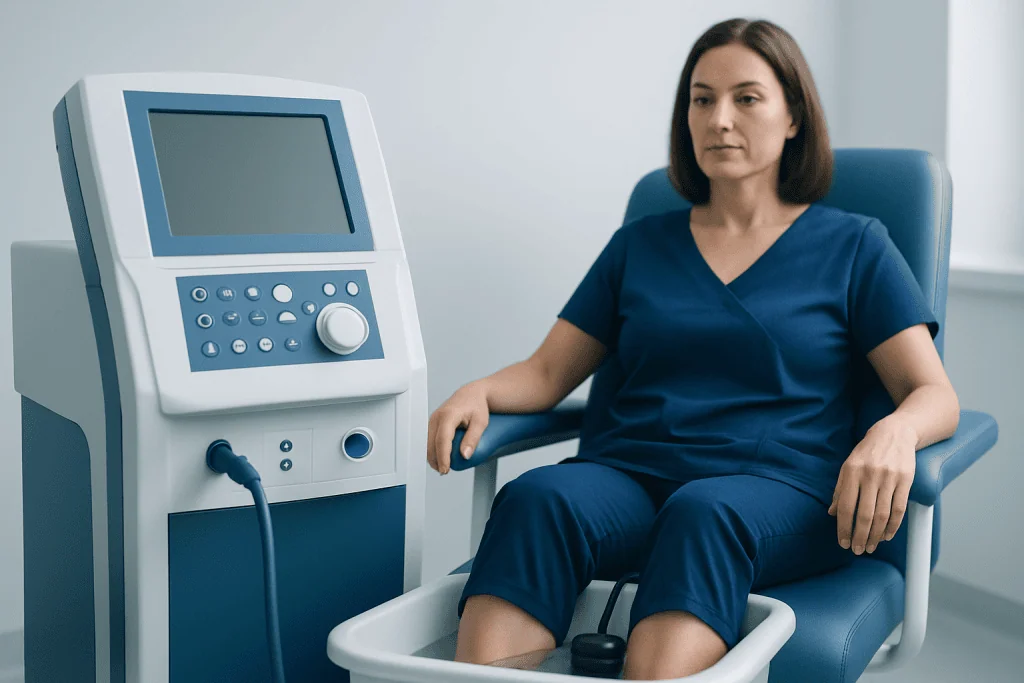
Many people try foot detox because the idea is simple and appealing: a noninvasive treatment that promises improved energy, better sleep, clearer skin, or removal of harmful substances. These claims can sound convincing, especially when a person feels tired, stressed, or bothered by vague symptoms without a clear explanation.
Another reason these treatments seem persuasive is that they often create visible changes. For example, the water in some foot baths changes color during use, and foot pads may darken overnight. These changes may look dramatic, but they do not prove that toxins were removed from the body. In many cases, the color change can be explained by oxidation, moisture, ingredients in the product, or reactions involving the device itself.
There is also a real wellness effect from setting aside time to rest. A quiet foot soak, light massage, or moisturizing routine may help reduce stress and improve the sense of well-being. These effects are meaningful, but they should be described accurately as relaxation or supportive self-care rather than detox medicine.
What the evidence says about foot detox baths and pads

Scientific evidence for foot detox is limited and does not support the claim that these methods remove toxins from the bloodstream or organs. Published research on ionic foot baths and detox pads has generally been small, methodologically weak, or unable to demonstrate a reliable detox effect. In evidence-based medicine, strong claims require clear testing, reproducible results, and plausible biological mechanisms.
One common claim is that an ionic foot bath pulls heavy metals, metabolic waste, or environmental toxins through the soles of the feet. However, analyses of these systems have not shown consistent proof that toxins are leaving the body because of the bath. Changes in water color are often explained by corrosion of metal components, minerals in water, or ingredients added to the bath rather than material extracted from the person.
Foot pads are marketed in a similar way, often with claims about clearing impurities overnight. The dark residue seen in the morning usually reflects sweat and moisture interacting with the pad’s contents. This appearance alone is not evidence of detoxification. If a product is making health promises but does not provide high-quality clinical evidence, those claims should be viewed cautiously.
For people who want symptom relief rather than detox, a simple foot soak may still be reasonable if the skin is healthy and there are no open wounds. It may help with temporary soreness, dryness, or relaxation, but it should not replace proper evaluation for medical symptoms.
Possible benefits, limitations, and safety concerns
The realistic benefits of foot care routines are usually local and temporary. A warm foot bath may soften thick skin, ease mild muscle tension, and provide a calming ritual at the end of the day. Gentle exfoliation and moisturizer may improve dryness or rough heels. Some people also enjoy the psychological benefit of a self-care habit.
At the same time, foot detox products can have downsides. Adhesives, essential oils, fragrances, and herbal ingredients may trigger skin irritation or allergic reactions. Prolonged soaking can worsen dryness in some people, and aggressive scrubbing can damage the skin barrier. If a device is not cleaned properly, there may also be hygiene concerns.
People with diabetes, poor circulation, peripheral neuropathy, immune suppression, skin disease, or open sores should be especially cautious with home foot treatments. Even a minor burn, cut, or blister can become a larger problem when sensation or healing is reduced. A person with numbness, burning, tingling, or ongoing pain may need assessment for conditions such as peripheral neuropathy rather than repeated detox attempts.
It is also important not to let wellness marketing delay real care. Swelling, skin color changes, ulcers, severe heel pain, or fungal symptoms can point to conditions that need diagnosis and treatment. In those situations, a targeted medical approach is more helpful than trying to remove unspecified toxins.
If symptoms are blamed on toxins, what else could be causing them?
Symptoms often linked to “toxins” are usually nonspecific. Fatigue, headaches, bloating, sleep problems, muscle aches, or brain fog can have many explanations, including stress, poor sleep, dehydration, anemia, thyroid problems, medication side effects, nutritional issues, infection, chronic pain, anxiety, or depression. Foot discomfort itself may come from overuse, footwear problems, skin conditions, inflammation, or nerve-related causes.
Foot symptoms deserve separate attention because they can reflect local or systemic health issues. Persistent burning or tingling may suggest nerve irritation. Thickened nails, scaling, or itching may point to fungal infection. Swelling can relate to injury, circulation problems, kidney disease, or heart conditions. A clinician may recommend evaluation, testing, or imaging when symptoms do not improve.
When a structural foot problem is suspected, formal assessment may lead to treatment options such as footwear advice, physical therapy, medications, or selected procedures. Depending on the diagnosis, some patients may benefit from specialized care such as orthopedic evaluation or physical therapy and rehabilitation. The right treatment depends on the underlying cause, not on a general detox claim.
Healthier, evidence-based ways to support the body’s natural detox systems
For most healthy people, the best way to support natural detoxification is not through special pads or baths but through everyday health habits. The body functions best when it has adequate fluid intake, balanced nutrition, regular physical activity, sufficient sleep, and limited exposure to tobacco smoke and excess alcohol. These measures support the liver, kidneys, digestive system, and cardiovascular health.
A practical routine may include:
- Drinking enough water based on climate, activity, and medical advice
- Eating a varied diet with fruits, vegetables, whole grains, legumes, and adequate protein
- Exercising regularly within personal ability
- Getting consistent sleep
- Avoiding smoking and limiting alcohol
- Using medications and supplements only as directed
Foot-specific self-care also matters. Wearing properly fitting shoes, changing socks regularly, keeping the feet clean and dry, and moisturizing dry skin can reduce common problems. If there is recurring pain, deformity, or loss of function, a clinician may consider imaging or referral. In selected cases, broader diagnostic support such as a medical check-up can help identify reasons for persistent symptoms that are otherwise being attributed to toxins.
When to seek medical care
A person should seek medical advice if symptoms are persistent, worsening, or difficult to explain. Medical review is especially important for foot pain that limits walking, numbness or tingling, swelling, sudden color changes, fever, drainage, ulcers, or wounds that do not heal. These signs are not typical reasons to rely on a detox product.
Urgent care is needed for rapidly spreading redness, severe swelling, signs of infection, chest pain, shortness of breath, or sudden weakness. These symptoms may indicate a condition that needs prompt medical attention.
People with diabetes should not ignore even small foot changes. Dry cracks, blisters, cuts, or pressure areas can progress if sensation or circulation is reduced. Evaluation may also be needed for broader metabolic issues, and some patients may benefit from assessment in services such as endocrinology and metabolic diseases when an underlying condition is suspected.
For international patients who need coordinated assessment, Acibadem International’s multidisciplinary specialists and JCI-accredited hospitals diagnose and treat a wide range of foot, nerve, skin, and metabolic conditions. The most appropriate care plan begins with identifying the actual cause of symptoms rather than assuming a detox problem.
Frequently asked questions
Does foot detox really remove toxins from the body?
Current medical evidence does not show that foot detox methods remove toxins from the body in a proven way. The body primarily handles detoxification through the liver, kidneys, digestive system, and lungs.
Why does the water change color in an ionic foot bath?
A color change does not necessarily mean toxins have left the body. It can happen because of oxidation, minerals in the water, or reactions involving the device and its components.
Are foot detox pads effective?
There is no strong evidence that detox pads pull harmful substances out through the feet. The dark residue seen after use is usually related to moisture and the pad's ingredients rather than proof of detoxification.
Is foot detox safe for everyone?
Not always. People with diabetes, poor circulation, nerve damage, skin conditions, allergies, or open wounds should be careful because soaks, adhesives, or scrubs can irritate the skin or cause injury.
Can a foot soak still be helpful even if it is not a detox?
Yes. A simple warm foot soak may help some people relax, soften dry skin, and temporarily ease mild soreness. It should be viewed as comfort care, not as a treatment for toxin removal or unexplained illness.
What should a person do instead of relying on foot detox?
Evidence-based steps include staying hydrated, eating a balanced diet, sleeping well, exercising regularly, and avoiding tobacco. For foot symptoms, good footwear, skin care, and medical evaluation when symptoms persist are more reliable than detox products.
References
- World Health Organization
- U.S. Food and Drug Administration
- National Center for Complementary and Integrative Health
- American Academy of Dermatology
- American Diabetes Association
This article is for general information only and is not a substitute for professional medical advice. Please consult a qualified doctor about your individual situation.
Explore treatments in Turkey — costs, top hospitals & a free quote
JCI-accredited · board-certified surgeons · reply within 24h
Add us as a Preferred Source to see more of our trusted health content across Google Search, AI Overviews and Discover.

More from the Health Library

Keto Drinks: A Complete Medical Overview

Phobias: An Evidence-Based Guide for Patients

STD in Throat: An Evidence-Based Guide for Patients

I Can Smell Myself Through My Pants: What Patients Need to Know

Sniffles: What Patients Need to Know