Sniffles: What Patients Need to Know

Sniffles are a symptom, not a specific disease, and often involve a runny or congested nose. Common causes include colds, allergies, sinus irritation, and exposure to dry air or smoke.
Key Takeaways
- Sniffles are a symptom, not a specific disease, and often involve a runny or congested nose.
- Common causes include colds, allergies, sinus irritation, and exposure to dry air or smoke.
- Most mild cases improve with fluids, rest, saline rinses, and avoiding triggers.
- Fever, breathing trouble, symptoms lasting more than about 10 days, or severe facial pain should be medically assessed.
- Children, older adults, and people with asthma or weakened immunity may need earlier medical advice.
Sniffles usually describe a runny, stuffy, or irritated nose, most often caused by a mild viral infection, allergies, or environmental triggers. They are common and usually short-lived, but the pattern of symptoms can help show when home care is enough and when medical advice is needed.
Overview: what sniffles usually mean
Sniffles are usually a mild runny or stuffy nose caused by a common cold, allergies, or irritation from the environment. In many people, the symptom is temporary and improves with simple care such as rest, fluids, and keeping the nose moist. Although sniffles are often minor, they can sometimes be the first sign of a sinus infection, influenza, or another condition that deserves medical attention.
The word “sniffles” is not a medical diagnosis. It is a common way to describe a cluster of symptoms such as frequent sniffing, nasal congestion, sneezing, watery mucus, and a feeling of irritation in the nose or throat. Some people also notice postnasal drip, a mild cough, or pressure around the face.
Because sniffles can come from several causes, it helps to look at the full picture: how long the symptoms have lasted, whether there is fever, what the mucus looks like, and whether symptoms appear seasonally or after exposure to pets, dust, smoke, or cold air. This pattern can help a clinician decide whether the most likely cause is a simple viral illness, allergies, or a problem involving the sinuses.
How sniffles can feel from day to day
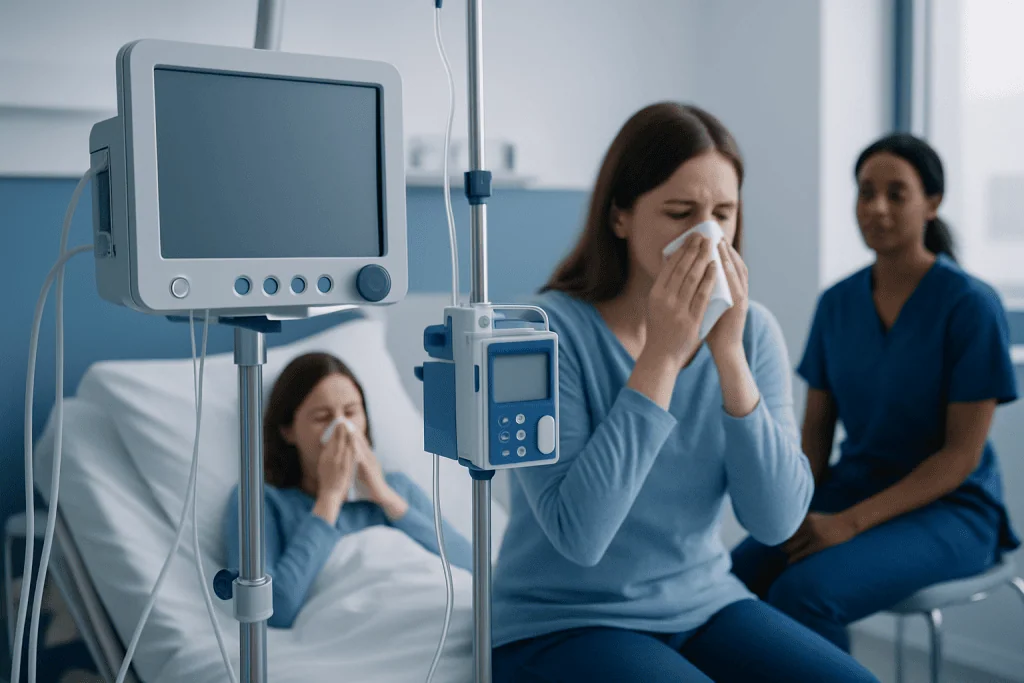
Sniffles can begin suddenly or gradually. Many people first notice repeated sneezing, a scratchy throat, or a need to blow the nose often. The mucus may start clear and watery, then become thicker over a few days. A blocked nose can make sleep less comfortable and may reduce the sense of smell or taste for a short time.
Some people mainly have a runny nose, while others feel more congested than drippy. Postnasal drip may lead to throat clearing, a hoarse voice, or a cough that is often worse at night. Mild pressure around the cheeks, forehead, or eyes can happen when the nasal passages are swollen.
Symptoms that often accompany sniffles include:
- Sneezing
- Nasal congestion or blockage
- Clear, watery, or thicker nasal discharge
- Itchy nose or eyes
- Sore throat from drainage
- Mild cough
- Headache or facial pressure
- Reduced smell or taste
The overall pattern matters. Itchy eyes and repeated sneezing often suggest allergies, while body aches, fatigue, and fever are more suggestive of a viral infection such as a cold or flu. Ongoing symptoms with facial pain or thick drainage may point toward sinus involvement, including sinusitis.
Common causes and risk factors

The most common cause of sniffles is a viral upper respiratory infection, especially the common cold. Viruses can inflame the lining of the nose and throat, leading to mucus production, swelling, and congestion. These infections spread easily through droplets, hands, and shared surfaces, especially in homes, schools, offices, and public spaces.
Allergies are another frequent cause. When the immune system reacts to pollen, dust mites, mold, animal dander, or other triggers, the nose may become itchy, runny, and congested. Seasonal symptoms may happen during certain times of year, while year-round symptoms can suggest indoor triggers. Some people with ongoing nasal blockage have associated allergic rhinitis.
Sniffles may also happen because of nonallergic irritation. Dry air, smoke, strong perfumes, cleaning products, spicy foods, weather changes, or air pollution can irritate the nasal lining. In infants and young children, even mild swelling in the nose can cause noticeable congestion because their nasal passages are small.
Other possible contributors include sinus inflammation, nasal polyps, a deviated septum, pregnancy-related nasal swelling, and some medications. Risk may be higher in people with asthma, chronic sinus problems, frequent contact with children, smoking exposure, or reduced immunity.
How doctors evaluate sniffles
Most episodes of sniffles do not require special testing. A doctor usually starts by asking about the duration of symptoms, whether there is fever, any exposure to sick contacts, the color and amount of nasal mucus, and possible allergy triggers. They may also ask about asthma, sinus problems, smoking exposure, and current medicines.
A physical examination often includes looking inside the nose, checking the throat and ears, and feeling the areas over the sinuses for tenderness. The doctor may listen to the lungs if there is cough, wheezing, or shortness of breath. This helps distinguish a simple cold from allergies, sinus infection, or lower respiratory illness.
Tests are only needed in selected cases. For example, viral testing may be considered if influenza or another contagious infection is suspected, especially during seasonal outbreaks or in higher-risk patients. Allergy assessment can be helpful when symptoms are recurrent, seasonal, or strongly linked to triggers. If symptoms are persistent or structural problems are suspected, evaluation by an ENT specialist and imaging may be considered.
When symptoms become frequent or complicated, a clinician may also assess for chronic nasal inflammation, nasal polyps, or recurrent sinus disease. The goal is not just to relieve sniffles in the short term, but to identify any underlying problem that keeps the nose inflamed.
Treatment options and symptom relief
Treatment depends on the cause. For viral sniffles, care is usually supportive: rest, fluids, gentle nasal hygiene, and time. Saline nasal sprays or rinses can help thin mucus and reduce dryness. Using a humidifier, especially in dry indoor air, may also make breathing through the nose more comfortable.
If allergies are the cause, reducing exposure to triggers is important. Keeping windows closed during high-pollen days, washing bedding regularly, and showering after outdoor exposure may help. Doctors may recommend allergy medicines such as antihistamines or nasal sprays when appropriate. For persistent or severe symptoms related to allergy, a patient may benefit from specialist-led allergy treatment.
When nasal blockage is severe or symptoms keep returning, an ENT specialist may look for structural issues or chronic sinus disease. Management may include targeted medicines, office-based care, or in selected cases endoscopic sinus surgery to improve drainage. If a deviated septum is contributing to chronic congestion, septoplasty may be discussed after proper evaluation.
Antibiotics are not useful for most sniffles because most cases are viral, not bacterial. They are only considered when a clinician suspects a bacterial infection based on symptom pattern and examination. Self-medicating, especially for children, is best avoided unless guided by a qualified healthcare professional.
Self-care, prevention, and protecting others
Home care focuses on comfort and recovery. Drinking enough fluids can help keep mucus thinner, and adequate rest supports the body’s normal healing processes. Saline rinses, warm showers, and avoiding smoke can reduce irritation. Some people find it helpful to sleep with the head slightly elevated to ease nighttime congestion and postnasal drip.
Good hand hygiene is one of the best ways to prevent viral causes of sniffles. Frequent handwashing, covering coughs and sneezes, and avoiding close contact when unwell can reduce spread to others. Cleaning shared surfaces may also help in homes with children or in busy workplaces.
To lower the chance of allergy-related sniffles, it can help to identify and limit exposure to personal triggers. Common steps include using dust-mite covers on bedding, keeping indoor humidity balanced, reducing mold exposure, and avoiding cigarette smoke. For people with recurrent symptoms, keeping a symptom diary may reveal useful patterns.
Prevention also includes looking after overall health. Staying up to date with recommended vaccinations, getting enough sleep, managing stress, and seeking treatment for chronic nasal or sinus problems can reduce repeated episodes. If symptoms are ongoing, a doctor can help create a plan that fits the person’s age, medical history, and likely cause.
When to seek medical care
Most sniffles improve without urgent treatment, but some situations deserve medical advice. A person should speak with a doctor if symptoms last more than about 10 days, repeatedly come back, or are getting worse rather than better. Medical review is also important if there is significant facial pain, thick foul-smelling discharge, ear pain, high fever, or a cough that does not settle.
Urgent care is needed if sniffles are accompanied by trouble breathing, chest pain, confusion, dehydration, bluish lips, or severe weakness. Infants, very young children, older adults, pregnant people, and individuals with asthma or weakened immunity may need earlier assessment because even common infections can affect them differently.
People with chronic congestion, frequent sinus infections, or suspected structural problems may benefit from specialist evaluation. Near the end of the care pathway, it may be helpful to know that Acibadem International’s multidisciplinary specialists and JCI-accredited hospitals diagnose and treat nasal and sinus conditions for international patients.
Seeking care does not always mean a serious problem is present. Often, it simply helps clarify the cause of sniffles and guides the safest treatment, especially when symptoms are persistent, severe, or affecting sleep, work, or daily quality of life.
Frequently asked questions
Are sniffles the same as a cold?
Not always. Sniffles are a symptom pattern, usually involving a runny or stuffy nose, while a cold is one common cause of that pattern. Allergies, dry air, smoke, and sinus inflammation can also cause sniffles.
How long do sniffles usually last?
If sniffles are due to a common cold, they often improve within several days and usually settle within about 1 to 2 weeks. Allergy-related sniffles may continue as long as the person is exposed to the trigger. Symptoms that last longer or keep returning should be medically reviewed.
What color mucus is normal with sniffles?
Clear mucus is common, especially early in a cold or with allergies. Mucus can become white, yellow, or green as inflammation changes over time, and color alone does not prove a bacterial infection. A doctor looks at the whole symptom pattern, not only mucus color.
Can sniffles happen without being contagious?
Yes. Sniffles caused by allergies or noninfectious irritation, such as smoke or dry air, are not contagious. Sniffles caused by a viral infection can spread to others, especially in the first few days.
Should antibiotics be used for sniffles?
Usually not. Most sniffles come from viral infections or allergies, and antibiotics do not help in those situations. A doctor may consider antibiotics only when there are signs suggesting a bacterial infection.
When are sniffles more concerning in children?
They are more concerning if a child has difficulty breathing, poor feeding, unusual sleepiness, dehydration, persistent high fever, or symptoms that are getting worse. Babies and very young children can become congested more easily, so earlier medical advice is often sensible.
References
- Centers for Disease Control and Prevention
- American Academy of Allergy, Asthma & Immunology
- American Academy of Otolaryngology–Head and Neck Surgery
- National Institute of Allergy and Infectious Diseases
- Mayo Clinic
This article is for general information only and is not a substitute for professional medical advice. Please consult a qualified doctor about your individual situation.
Explore treatments in Turkey — costs, top hospitals & a free quote
JCI-accredited · board-certified surgeons · reply within 24h
Add us as a Preferred Source to see more of our trusted health content across Google Search, AI Overviews and Discover.