Hepatic: A Complete Medical Overview

Hepatic is a medical term that refers to the liver. Hepatic symptoms can include jaundice, abdominal discomfort, fatigue, itching, and swelling.
Key Takeaways
- Hepatic is a medical term that refers to the liver.
- Hepatic symptoms can include jaundice, abdominal discomfort, fatigue, itching, and swelling.
- Many hepatic conditions are diagnosed with blood tests, imaging, and sometimes biopsy.
- Treatment depends on the cause and may include lifestyle changes, medicines, procedures, or surgery.
- Prompt medical care is important for severe abdominal pain, confusion, vomiting blood, or yellowing of the eyes and skin.
Hepatic means “related to the liver,” and it may be used to describe normal liver function, test results, symptoms, or liver diseases. Understanding what hepatic terms refer to can help patients recognize when a liver-related finding is routine and when it needs medical attention.
Overview: What does hepatic mean?
Hepatic is the medical term for anything related to the liver. Doctors use it in many ways, such as hepatic function, hepatic veins, hepatic enzymes, or hepatic disease. In simple terms, if a report or diagnosis includes the word hepatic, it usually means it involves the liver.
The liver is one of the body’s most important organs. It helps process nutrients, stores energy, makes proteins, supports blood clotting, and removes toxins and waste products from the bloodstream. Because the liver has many jobs, hepatic problems can affect digestion, metabolism, energy levels, and overall health.
Hepatic does not always mean a person has serious disease. For example, a blood test may mention hepatic enzymes, or an imaging report may describe a hepatic cyst that is harmless. At the same time, some hepatic findings can point to inflammation, infection, fat buildup, scarring, or problems with bile flow. This is why the word should always be understood in its full medical context.
How the liver works and why hepatic health matters
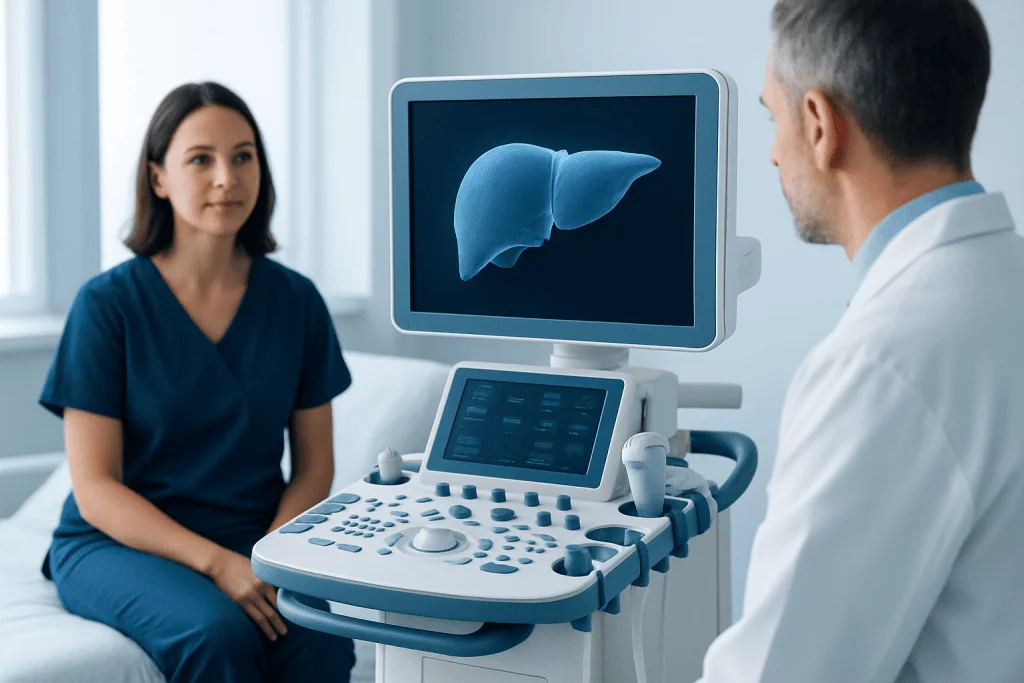
The liver sits in the upper right side of the abdomen, just below the ribs. It receives blood from the digestive system and processes substances absorbed from food. It helps regulate blood sugar, cholesterol, and certain hormones while also producing bile, which supports digestion of fats.
Healthy liver function is essential because the liver filters medications, alcohol, and other substances. It also produces albumin and clotting factors, which are proteins that help maintain fluid balance and normal blood clotting. When hepatic function is impaired, these systems can be affected in ways that may cause swelling, bruising, fatigue, or changes in digestion.
Many liver conditions develop gradually and may not cause obvious symptoms in the early stages. That is why routine blood work or imaging sometimes detects a hepatic issue before a person feels unwell. Early evaluation can help identify reversible causes and reduce the risk of complications.
Common hepatic symptoms and signs

Hepatic symptoms vary depending on the underlying cause. Some people have no symptoms at first, while others notice vague problems such as tiredness, loss of appetite, nausea, or discomfort in the upper right abdomen. These symptoms are not specific to the liver, but they can be part of a hepatic condition.
More noticeable signs of liver involvement may include jaundice, which causes yellowing of the skin or eyes, dark urine, pale stools, itchy skin, or swelling in the abdomen or legs. In more advanced cases, a person may bruise easily, feel confused, or have changes in sleep and concentration. These symptoms need medical assessment because they may suggest reduced liver function.
Symptoms that can be seen in hepatic conditions include:
- Fatigue or weakness
- Nausea or poor appetite
- Upper right abdominal pain or pressure
- Yellowing of the eyes or skin
- Dark urine or pale stools
- Itching without an obvious rash
- Abdominal swelling or leg swelling
- Easy bruising or bleeding
Not every hepatic condition causes all of these symptoms. Some are related to fat accumulation, some to infection, and others to blocked bile ducts or scarring. A doctor interprets symptoms together with examination findings and test results.
What can cause hepatic problems?
Hepatic problems can result from many different conditions. Common causes include fatty liver disease, viral hepatitis, alcohol-related liver injury, medication side effects, autoimmune liver disease, inherited disorders, and blockage of bile ducts. Some issues are temporary and reversible, while others can become chronic if not treated.
Fatty liver disease is a frequent reason for abnormal liver tests. It may be linked with excess body weight, diabetes, high cholesterol, or metabolic syndrome. In some people, fat in the liver causes little harm, but in others it leads to inflammation and progressive damage. Viral infections such as hepatitis B or hepatitis C can also affect liver tissue over time if they are not diagnosed and managed.
Other hepatic disorders include liver cysts, benign growths, cirrhosis, and liver tumors. Some people may develop liver cancer or cancer that has spread to the liver, although not every hepatic lesion is cancerous. Conditions of the bile ducts and gallbladder can also create hepatic symptoms because bile flow and liver function are closely connected.
Risk factors for hepatic disease may include:
- Excess alcohol use
- Obesity or insulin resistance
- Type 2 diabetes
- High cholesterol or triglycerides
- Viral hepatitis exposure
- Certain medicines or herbal supplements
- Family history of liver disease
- Autoimmune or metabolic conditions
How doctors diagnose hepatic conditions
Diagnosis starts with a medical history and physical examination. A doctor may ask about symptoms, alcohol intake, medications, recent infections, travel, family history, and conditions such as diabetes or obesity. During the exam, they may look for jaundice, abdominal tenderness, swelling, skin changes, or signs of chronic liver disease.
Blood tests are often the first step. These may include liver enzymes such as ALT and AST, bilirubin, alkaline phosphatase, albumin, and clotting tests. Results can show whether there is inflammation, bile flow obstruction, or reduced liver function, but blood tests alone do not always identify the exact cause.
Imaging tests help doctors look at liver structure and blood flow. Ultrasound is commonly used first because it can show fatty changes, cysts, gallstones, or signs of cirrhosis. Depending on the situation, doctors may also recommend MRI, CT scanning, or specialized imaging of the bile ducts and blood vessels. In selected cases, a liver biopsy may be advised to confirm inflammation, scarring, or a specific diagnosis.
If a suspicious mass is found, the care team may investigate whether it is benign or malignant and whether treatment is needed. This may involve imaging follow-up, blood tests, or referral to specialists in hepatology, gastroenterology, surgery, or oncology.
Treatment options for hepatic disease
Treatment depends on the cause, the degree of liver injury, and the person’s overall health. Some hepatic conditions improve with lifestyle changes alone, while others need medicines, endoscopic treatment, radiologic procedures, surgery, or long-term monitoring. The goal is to treat the underlying cause, protect liver function, and prevent complications.
For fatty liver disease, treatment often focuses on gradual weight management, physical activity, and control of diabetes, cholesterol, and blood pressure. For viral hepatitis, antiviral medicines may be used. If medications or alcohol are contributing to the problem, doctors may recommend stopping or changing them under medical guidance. People with autoimmune liver disease may need drugs that reduce inflammation or modify immune activity.
When hepatic findings involve a mass, cyst, advanced scarring, or cancer, treatment may be more specialized. Some patients may be evaluated for liver transplant if there is severe liver failure or certain advanced liver diseases. Others may need surgery, targeted cancer treatment, or procedures to restore bile flow. In settings where tumors are found, treatment planning may involve specialists in medical oncology alongside liver experts.
Care is usually most effective when tailored to the patient rather than based on a single test result. Follow-up is important because hepatic conditions may change over time, even when symptoms improve.
Prevention and self-care for better liver health
Many hepatic problems can be lowered or managed through everyday habits. A balanced diet, regular exercise, weight management, and careful use of alcohol all support liver health. People should also take medicines only as directed and tell their doctor about supplements or herbal products, since some can affect the liver.
Vaccination may help prevent certain liver infections, especially hepatitis A and hepatitis B in appropriate patients. Good hygiene, safer sexual practices, and avoiding needle sharing also reduce the risk of viral hepatitis. For people with chronic liver disease, regular checkups can help detect changes early and guide treatment.
Helpful self-care steps include:
- Maintaining a healthy body weight
- Limiting or avoiding alcohol if advised
- Eating a diet rich in vegetables, fruit, lean protein, and whole grains
- Managing diabetes, cholesterol, and blood pressure
- Reviewing medications with a doctor or pharmacist
- Keeping follow-up appointments and blood tests
Self-care can support treatment, but it should not replace medical evaluation when symptoms or abnormal tests are present. Even mild abnormalities can have several causes, so professional advice is important.
When to seek medical care
Medical review is appropriate if a person has persistent fatigue, nausea, unexplained itching, abdominal discomfort, loss of appetite, or abnormal liver blood tests. These symptoms do not always mean serious disease, but they are worth discussing with a qualified doctor, especially if they continue or recur.
Urgent medical attention is important if there is yellowing of the skin or eyes, severe abdominal swelling, vomiting blood, black stools, confusion, fainting, or sudden severe pain in the upper abdomen. These may suggest significant liver dysfunction, internal bleeding, or another condition that needs prompt assessment.
People who already have liver disease should seek care sooner if symptoms change, swelling increases, fever develops, or medications seem to cause side effects. Those with risk factors such as heavy alcohol use, viral hepatitis exposure, diabetes, or obesity may benefit from periodic liver evaluation even before symptoms appear.
At Acibadem International, multidisciplinary specialists in JCI-accredited hospitals diagnose and treat hepatic conditions for international patients, from common liver concerns to complex diseases that require advanced imaging, biopsy, surgery, or transplant assessment.
Frequently asked questions
What does hepatic mean in medical terms?
Hepatic means related to the liver. It may refer to liver anatomy, liver function, blood tests, symptoms, or diseases that affect the liver.
Does hepatic always mean liver disease?
No. The word hepatic simply describes a connection to the liver, and it can appear in normal anatomy or routine test descriptions. Whether it indicates disease depends on the full clinical context and test results.
What are common hepatic symptoms?
Common hepatic symptoms include fatigue, nausea, poor appetite, upper right abdominal discomfort, jaundice, itching, dark urine, and swelling. Some people have no symptoms and only learn of a hepatic issue through blood tests or imaging.
How are hepatic conditions diagnosed?
Doctors usually combine a medical history, physical examination, blood tests, and imaging such as ultrasound, CT, or MRI. In some cases, further testing such as viral studies, autoimmune markers, or a liver biopsy is needed.
Can hepatic problems be treated?
Yes, many hepatic conditions can be treated or managed effectively. The best treatment depends on the cause and may include lifestyle changes, medication, monitoring, procedures, surgery, or transplant evaluation.
When should someone worry about hepatic symptoms?
A person should seek medical advice if symptoms persist, especially if there is jaundice, abdominal swelling, worsening fatigue, or abnormal liver tests. Emergency care is needed for vomiting blood, black stools, confusion, fainting, or severe abdominal pain.
References
- World Health Organization
- National Institute of Diabetes and Digestive and Kidney Diseases
- American Liver Foundation
- Centers for Disease Control and Prevention
- European Association for the Study of the Liver
This article is for general information only and is not a substitute for professional medical advice. Please consult a qualified doctor about your individual situation.
Explore treatments in Turkey — costs, top hospitals & a free quote
JCI-accredited · board-certified surgeons · reply within 24h
Add us as a Preferred Source to see more of our trusted health content across Google Search, AI Overviews and Discover.
Check your numbers in seconds
BMI, calories, due date, blood pressure and 30+ more clinical calculators — free, instant, doctor-reviewed ranges.

More from the Health Library

What’s the Circulatory System: An Evidence-Based Guide for Patients

Saliva During Sleep: What Patients Need to Know

Bladder Stones: A Complete Medical Overview

Paroxysmal Hemicrania: Brief One-Sided Headache Attacks

Facio Maxillary Surgeons: A Complete Medical Overview