Puff Niple: A Complete Medical Overview

Puff niple is a descriptive term, not a diagnosis, and can have several different causes. Common explanations include normal variation, hormonal changes, extra chest fat, and gynecomastia.
Key Takeaways
- Puff niple is a descriptive term, not a diagnosis, and can have several different causes.
- Common explanations include normal variation, hormonal changes, extra chest fat, and gynecomastia.
- A doctor may use a physical exam and, if needed, blood tests or imaging to find the cause.
- Treatment depends on the reason and may range from reassurance and observation to medication changes or surgery.
- Medical care is important if nipple puffiness is sudden, one-sided, painful, associated with a lump, or causes discharge.
Puff niple usually refers to a raised or swollen-looking nipple and areola area, often caused by normal anatomy, temporary hormonal changes, extra fatty tissue, or gynecomastia. In some cases it can also be linked to skin irritation, medications, or an underlying breast condition, so a medical assessment may be helpful if it is new, painful, one-sided, or persistent.
Overview: what puff niple usually means
Puff niple is a common non-medical phrase people use when the nipple and the darker skin around it, called the areola, look raised, swollen, or fuller than expected. In many people, this appearance is harmless and related to natural body shape, temporary hormone changes, or a higher amount of fatty tissue in the chest. In others, it may reflect enlargement of breast gland tissue, a condition often called gynecomastia.
The term itself does not identify one single disease. Instead, it describes a visible change that can happen in males or females, during puberty or adulthood, and on one side or both sides. Because the causes are varied, it helps to look at the full picture: when the change started, whether it is symmetrical, whether there is pain or tenderness, and whether other symptoms are present.
Many people worry that a puffy nipple always means a serious problem. Most of the time, that is not the case. Still, a proper medical evaluation is sensible if the change is persistent, bothersome, or associated with warning signs such as a firm lump, nipple discharge, skin changes, or unexplained breast enlargement.
How puff niple can look and feel
Puffiness can vary widely from person to person. Some notice that the areola protrudes in a dome-like shape, especially in warm weather, after exercise, or at rest. Others feel a small rubbery mound under the nipple, or see a more diffuse fullness across the chest wall. The appearance may be mild or more pronounced, and it may stay stable or change over time.
Sometimes the area is painless. In other cases, there may be tenderness, sensitivity to touch, or a feeling of fullness under clothing. Puberty-related changes can come and go, and mild discomfort is not unusual during that period. Skin irritation from friction, sweat, eczema, or contact allergy may also make the nipple area appear temporarily swollen or prominent.
Features that deserve closer attention include one-sided enlargement, a hard or fixed lump, visible skin dimpling, scaling, redness that does not improve, bleeding, or fluid coming from the nipple. These signs do not automatically mean something serious, but they should be assessed by a qualified doctor without delay.
Common causes and risk factors

One of the most frequent reasons for puff niple is a normal anatomical variation. Nipples and areolas differ naturally in size, shape, color, and projection. In teenagers, temporary hormonal fluctuations during puberty can make gland tissue under the nipple enlarge, leading to a puffy appearance. This often improves over months to a few years as hormone levels stabilize.
Another common cause is excess fatty tissue in the chest area, sometimes called pseudogynecomastia. This differs from true gynecomastia, which involves enlargement of glandular breast tissue. A doctor can usually distinguish between the two during an examination, although some people may have a combination of both. Weight changes can influence how visible the nipple and areola appear.
Hormonal shifts are another important factor. Imbalances involving testosterone, estrogen, thyroid hormones, or prolactin can affect breast tissue. Certain medicines may also contribute, including some treatments for heart disease, ulcers, mood disorders, prostate conditions, or hormone-related illnesses. Alcohol use, anabolic steroids, cannabis, and some recreational drugs may play a role in some cases.
Less commonly, puffiness may be linked to a breast cyst, inflammation, infection, benign tumor, or, rarely, breast cancer. If the nipple area changes unexpectedly in adulthood, especially on one side, doctors may investigate for an underlying endocrine, liver, kidney, or breast-related condition.
How doctors diagnose the cause
Diagnosis starts with a careful medical history and physical examination. A doctor will ask when the puffiness began, whether it affects one side or both, whether there is pain or discharge, and whether any medications, supplements, or substances could be contributing. Puberty, weight changes, family history, and symptoms such as fatigue or testicular changes may also be relevant.
During the examination, the doctor checks the chest, nipple, areola, and the tissue beneath the nipple. This helps determine whether the fullness is more likely due to gland tissue, fatty tissue, skin irritation, or a distinct lump. The doctor may also look for signs suggesting a hormone imbalance or a wider medical condition.
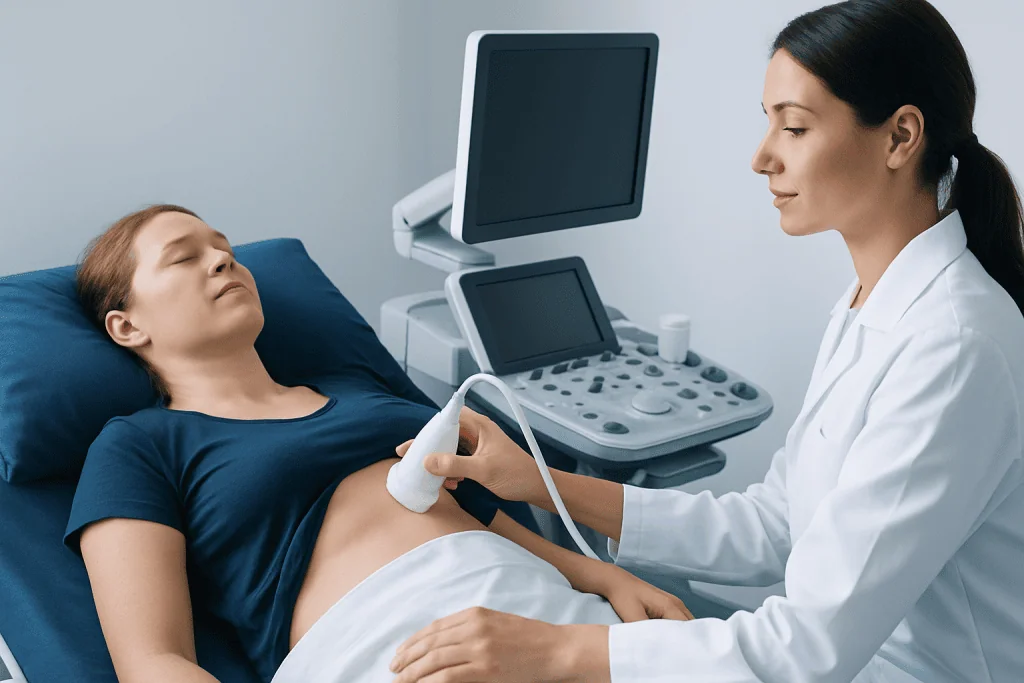
If the cause is not clear, testing may be recommended. This can include blood tests to check hormone levels and general health, and imaging such as ultrasound or mammography when a lump or one-sided change needs closer evaluation. In selected situations, a patient may be referred for mammography or breast ultrasound to better define the tissue involved.
When there is a suspicious mass or persistent unexplained abnormality, the next step may be additional breast assessment and sometimes a biopsy. The goal is not to assume the worst, but to identify the exact cause so that treatment can be tailored appropriately.
Treatment options for puff niple
Treatment depends entirely on the underlying cause. If puff niple is due to normal anatomy or temporary pubertal changes, no treatment may be needed beyond reassurance and follow-up. Many adolescent cases settle gradually with time. If the issue is related mainly to excess chest fat, weight management, exercise, and overall lifestyle measures may reduce prominence, although they do not remove true gland tissue.
When medications or substances are contributing, a doctor may review whether safer alternatives are available. People should not stop prescribed medicines on their own, but discussing side effects with the prescribing clinician is important. If a hormonal disorder is present, treatment focuses on correcting that problem, which may improve the nipple appearance over time.
For true gynecomastia that is persistent, uncomfortable, or emotionally distressing, management may include observation, medical treatment in selected cases, or surgery. Surgical treatment may be considered when gland tissue remains despite conservative measures or when chest contour is significantly affected. In appropriate patients, doctors may discuss options such as gynecomastia surgery to remove excess gland tissue and reshape the chest.
If a breast lump, cyst, or another structural abnormality is found, treatment will depend on the diagnosis. This may range from monitoring to further imaging, biopsy, or specialist care. Acibadem International’s multidisciplinary specialists and JCI-accredited hospitals evaluate and treat breast and chest conditions for international patients when more detailed assessment is needed.
Self-care, monitoring, and prevention
There is no single way to prevent puff niple because not all causes are preventable. However, healthy habits can reduce some contributing factors. Maintaining a stable weight, staying physically active, limiting alcohol, and avoiding anabolic steroids or non-prescribed hormone products may lower the chance of chest tissue changes related to fat gain or hormone disruption.
Skin care also matters. If the nipple area becomes irritated, reducing friction, changing sweaty clothing promptly, and using gentle, fragrance-free products may help. Repeated squeezing or checking the nipple can worsen tenderness and make minor swelling seem more noticeable, so it is usually best avoided.
People who are monitoring the area at home may find it useful to note whether the puffiness changes with time, body weight, temperature, or the menstrual cycle. Persistent asymmetry, increasing size, pain, or a newly felt lump should be discussed with a doctor rather than managed only with internet advice.
In some patients, a broader breast evaluation may be appropriate if symptoms do not settle or if another breast condition is suspected. For example, specialists may consider whether symptoms overlap with breast cancer warning signs, especially when there is discharge, skin change, or a firm one-sided mass.
When to seek medical care
Medical care is recommended if puff niple appears suddenly, keeps getting worse, or affects only one side. A doctor should also assess the area if there is pain, tenderness that does not settle, a distinct lump, nipple inversion, discharge, bleeding, or changes in the skin such as dimpling, persistent redness, or scaling.
It is also wise to seek care if the change starts in adulthood without an obvious reason, or if there are symptoms that suggest a hormone-related problem, such as reduced libido, infertility, testicular changes, or unexplained weight and energy changes. These patterns can point to an underlying endocrine or general health issue that deserves attention.
Parents often ask about teenagers with puffy nipples. Mild, symmetrical puffiness during puberty is often temporary, but a medical review is still reasonable if the area is very painful, rapidly enlarging, causing marked distress, or not improving over time. A clinician can help distinguish between expected pubertal changes and a condition that needs treatment.
Frequently asked questions
Is puff niple the same as gynecomastia?
Not always. Puff niple is a general descriptive term for a raised or swollen-looking nipple area, while gynecomastia specifically means enlargement of glandular breast tissue. A doctor can help tell the difference between gynecomastia, fatty tissue, and other causes.
Can puff niple be normal during puberty?
Yes. Temporary puffiness under or around the nipple is common during puberty because hormone levels are changing. It often improves on its own over time, although persistent, painful, or very one-sided changes should still be checked.
Does weight loss fix puffy nipples?
Weight loss may help if the fullness is mainly caused by excess fatty tissue in the chest. However, it may not fully correct puffiness caused by gland tissue, hormones, or another medical condition. This is why an accurate diagnosis matters before choosing treatment.
When is a puffy nipple a warning sign?
It should be evaluated promptly if it is new, one-sided, associated with a hard lump, discharge, bleeding, skin dimpling, or persistent pain. These signs can have benign explanations, but they need medical assessment to rule out more serious causes.
What tests might be needed for puff niple?
Some people need only a physical examination and medical history. Others may need blood tests to look at hormone levels or imaging such as ultrasound or mammography if there is a lump, asymmetry, or another concerning feature.
Can medications cause puff niple?
Yes. Some prescription medicines, hormone products, anabolic steroids, and certain substances can affect breast tissue and hormone balance. Patients should not stop a medicine without medical advice, but they should ask their doctor whether it could be contributing.
This article is for general information only and is not a substitute for professional medical advice. Please consult a qualified doctor about your individual situation.
Explore treatments in Turkey — costs, top hospitals & a free quote
JCI-accredited · board-certified surgeons · reply within 24h
Add us as a Preferred Source to see more of our trusted health content across Google Search, AI Overviews and Discover.

More from the Health Library

Bartholin Cyst: An Evidence-Based Guide for Patients

Teenager Se X: An Evidence-Based Guide for Patients

Cockhair: A Complete Medical Overview

ALT — Explained by Medical Evidence, Not Myths

Post Menopausal: What Patients Need to Know