Extubated: What Patients Need to Know

Extubated means the endotracheal breathing tube has been removed. Doctors remove the tube only after checking that breathing is strong enough and the airway can stay open.
Key Takeaways
- Extubated means the endotracheal breathing tube has been removed.
- Doctors remove the tube only after checking that breathing is strong enough and the airway can stay open.
- It is common to have a sore throat, hoarse voice, cough, or tiredness after extubation.
- Some patients need oxygen, breathing treatments, or close observation after the tube is removed.
- Urgent medical review is needed if breathing becomes difficult, noisy, or unusually fast after extubation.
Extubated means a patient has had a breathing tube removed after the medical team determines that breathing is stable enough without full mechanical ventilation. For patients and families, this is usually a positive step in recovery, but careful monitoring is still important because breathing, swallowing, and comfort need to be reassessed after the tube comes out.
Overview: what extubated means
Extubated means a patient has had an endotracheal tube removed from the windpipe. This tube is usually placed through the mouth to help protect the airway and connect the patient to a ventilator, a machine that supports breathing. When someone is extubated, it means the care team believes the person can breathe adequately without that tube, either completely on their own or with less support such as oxygen by mask or nasal cannula.
Extubation is often an important milestone after surgery, serious illness, injury, or intensive care treatment. It commonly follows a period of intubation, which is the placement of the breathing tube. Although many people understand extubation as “the tube is out,” the decision is based on several medical checks rather than one single sign of improvement.
Being extubated does not always mean recovery is complete. A patient may still feel weak, sleepy, anxious, or short of breath for a time, especially after major surgery or a stay in the intensive care unit. The medical team continues to monitor breathing, oxygen levels, coughing strength, and the ability to swallow safely after the tube is removed.
Why a breathing tube is used and when it can be removed
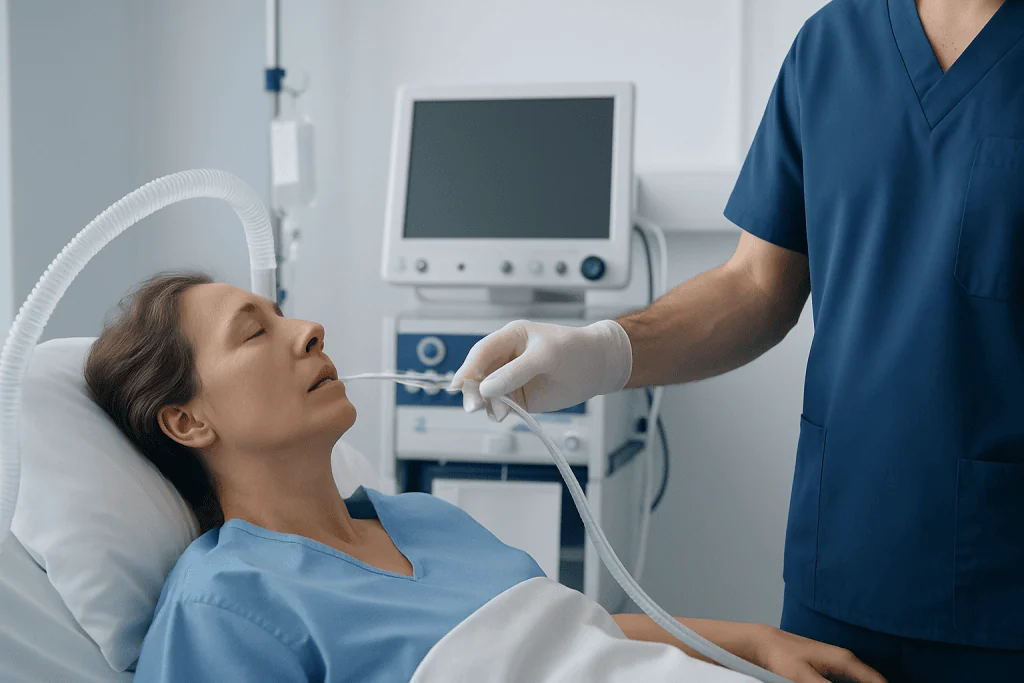
A breathing tube may be needed for several reasons. Common situations include general anesthesia during surgery, severe lung infection, major trauma, reduced consciousness, or acute breathing failure. The tube helps deliver oxygen, supports ventilation, and can protect the airway if a person is too unwell to breathe effectively or keep the airway clear.
Before extubation, the team looks for signs that the original problem has improved. For example, a patient recovering from pneumonia may show stronger breathing and better oxygen levels, while a patient after surgery may be awake enough to protect the airway and cough. If there is concern about lung disease, conditions such as COPD or pneumonia may affect both the need for intubation and the pace of recovery.
In many cases, doctors gradually reduce ventilator support first. This allows them to see how the patient manages with more of the breathing effort. If the patient remains stable, follows simple commands when appropriate, and clears secretions reasonably well, extubation may be the next step.
How doctors decide a patient is ready for extubation

Extubation is a clinical decision based on a combination of findings. The team usually checks whether the patient is awake enough to protect the airway, has adequate oxygen levels, and can breathe without excessive effort. They also assess whether the heart and blood pressure are stable and whether the cause of respiratory failure is improving.
Another key factor is the ability to handle secretions. A patient should usually be able to cough with enough strength to clear mucus from the throat and lungs. The team may also evaluate whether there is a high risk of swelling or narrowing in the upper airway, because that could make breathing difficult once the tube is removed.
A common step before extubation is a spontaneous breathing trial. During this test, ventilator support is reduced to see whether the patient can maintain comfortable, effective breathing. Blood oxygen levels, breathing rate, mental alertness, and signs of distress are watched closely. If the patient passes these checks, the tube can often be removed safely.
Readiness does not mean every patient feels comfortable immediately. Some need humidified oxygen, chest physiotherapy, oxygen therapy, or temporary noninvasive support after extubation. The goal is a smooth transition from full ventilator support to independent breathing.
What to expect after extubation
After extubation, it is normal for the voice to sound hoarse or weak for a short time. A mild sore throat, dry mouth, cough, and a feeling of throat irritation are also common. These symptoms happen because the tube passes through delicate tissues in the mouth, throat, and voice box. In most people, they improve over hours to a few days.
Some patients feel tired or anxious after the breathing tube is removed. This can happen because breathing now takes more personal effort, and recovery from illness, sedation, or surgery may still be ongoing. Nurses and doctors will usually monitor oxygen saturation, breathing pattern, pulse, blood pressure, and alertness during this period.
Swallowing may need special attention. In some patients, especially after a longer period of intubation, swallowing can be temporarily less coordinated. This raises the risk of coughing with drinks or food. If there are concerns, the team may delay eating and drinking, arrange a swallowing assessment, or recommend a gradual return to oral intake.
The team may also encourage coughing, deep breathing, position changes, or respiratory therapy and pulmonary rehabilitation to help the lungs expand and clear mucus. These measures can support recovery and reduce the risk of complications after the tube comes out.
Possible risks and complications after extubation
Most extubations are uneventful, but complications can occur. The main concern is breathing difficulty after the tube is removed. This may happen if the lungs are still too weak, if there is upper airway swelling, or if mucus cannot be cleared well. In some cases, oxygen, medication, noninvasive ventilation, or reintubation may be needed.
Other possible issues include stridor, which is a high-pitched sound caused by narrowed airflow in the upper airway, or aspiration, where food, drink, or secretions enter the airway. Persistent hoarseness, weak cough, and low oxygen levels may also need further assessment. Patients with chronic lung conditions, significant weakness, or longer ICU stays may need more support during this phase.
Clinicians also watch for signs that the underlying condition is still active. For example, lung infection, heart problems, fluid overload, or ongoing respiratory muscle fatigue can all affect how a person does after extubation. If needed, doctors may use imaging, blood tests, or specialist review to decide the next steps.
When a patient has repeated difficulty coming off a ventilator, the treatment plan may need to be adjusted. Depending on the cause, this can include intensive care support, rehabilitation, or further evaluation by lung and airway specialists.
Recovery and self-care after a breathing tube is removed
Recovery after extubation depends on why the breathing tube was needed and how long it was in place. After routine surgery, recovery may be relatively quick. After severe illness or intensive care, it may take longer to regain strength, stamina, and confidence with breathing. Tiredness is common and does not necessarily mean something is wrong, but symptoms should steadily improve under medical supervision.
Helpful measures often include rest, gradual activity, good hydration if approved by the care team, and following instructions about breathing exercises. Patients may be asked to sit upright, take slow deep breaths, cough to clear mucus, or use simple devices that help expand the lungs. If voice changes or swallowing problems continue, a speech and swallowing specialist may be involved.
Families can support recovery by encouraging calm breathing, helping the patient communicate needs, and reporting any changes such as increased confusion, severe coughing with meals, blue lips, or worsening shortness of breath. If there is an underlying lung disorder, treatment may overlap with care used for chronic obstructive pulmonary disease (COPD) treatment.
Near the end of hospital care, the team may explain what signs to watch for at home and whether follow-up is needed. For international patients, Acibadem International’s multidisciplinary specialists in JCI-accredited hospitals diagnose and treat respiratory and critical care conditions with coordinated follow-up planning.
When to seek medical care
Medical review is important if breathing becomes harder after extubation rather than easier. Warning signs include rapid breathing, chest retractions, wheezing or noisy breathing, a bluish color around the lips, new confusion, faintness, or difficulty speaking because of breathlessness. These symptoms can suggest that the airway or lungs still need urgent support.
Patients should also seek care if they cannot swallow liquids safely, choke repeatedly, develop fever, cough up concerning amounts of mucus, or have persistent low oxygen levels if they are monitoring at home. A hoarse voice or mild sore throat often improves on its own, but severe throat pain, worsening stridor, or ongoing voice problems should be assessed.
If a person has recently been discharged after extubation and there is any doubt about breathing safety, it is better to contact a qualified doctor promptly. Early reassessment can help identify treatable issues before they become more serious.
Frequently asked questions
Does extubated mean a patient is fully recovered?
Not always. Extubated means the breathing tube has been removed because the patient appears able to breathe without that level of support. Recovery may still continue for days or longer, depending on the underlying illness or surgery.
Is extubation a good sign?
In many cases, yes. It usually means the medical team sees enough improvement in breathing, alertness, and airway protection to remove the tube. However, the patient still needs monitoring because some people need extra support afterward.
What symptoms are normal after being extubated?
A mild sore throat, hoarse voice, cough, dry mouth, and tiredness are common after a breathing tube is removed. These symptoms often improve over a short period. Persistent breathing difficulty, choking, or noisy breathing should be reported promptly.
Can someone need the breathing tube put back in after extubation?
Yes, this can happen if the patient cannot maintain safe breathing, oxygen levels, or airway protection after the tube is removed. Doctors try to reduce this risk by checking readiness carefully before extubation. If reintubation is needed, it is done to restore breathing support safely.
How long does the throat take to feel normal after extubation?
Many people feel better within hours to a few days, especially after short-term intubation for surgery. If the tube was needed for a longer time, throat discomfort or voice changes may last longer. Persistent or worsening symptoms should be reviewed by a doctor.
Can a patient eat and drink right after extubation?
Not always. Some patients can resume fluids and food soon after extubation, while others need a swallowing check first. This is especially important after prolonged intubation, neurologic illness, or if coughing occurs with swallowing.
This article is for general information only and is not a substitute for professional medical advice. Please consult a qualified doctor about your individual situation.
Explore treatments in Turkey — costs, top hospitals & a free quote
JCI-accredited · board-certified surgeons · reply within 24h
Add us as a Preferred Source to see more of our trusted health content across Google Search, AI Overviews and Discover.
Check your numbers in seconds
BMI, calories, due date, blood pressure and 30+ more clinical calculators — free, instant, doctor-reviewed ranges.

More from the Health Library

Cause of ulcers on the tongue: A Complete Medical Guide for Patients

Esophageal Stricture: A Complete Medical Overview

Lipozene — Explained by Medical Evidence, Not Myths

Sleep Inertia: What Patients Need to Know

Microneedling with Prp: A Complete Medical Overview