Avocado Protein: Evidence-Based Benefits, Risks, and Practical Guidance

Avocado contains some protein, but it is not considered a high-protein food. Most evidence around avocado focuses on healthy fats, fiber, and overall diet quality rather than protein-specific effects.
Key Takeaways
- Avocado contains some protein, but it is not considered a high-protein food.
- Most evidence around avocado focuses on healthy fats, fiber, and overall diet quality rather than protein-specific effects.
- Avocado may fit well into heart-conscious and balanced eating plans when portion size and total calorie intake are considered.
- People with latex-fruit syndrome, suspected food allergy, or certain digestive sensitivities may need to avoid or limit avocado.
- A doctor or dietitian can help if avocado causes symptoms or if a person has kidney disease, digestive disease, or complex nutrition needs.
Avocado protein refers to the small amount of protein naturally present in avocado, along with protein-containing avocado-based foods such as smoothies or meals. Evidence suggests avocado can support overall dietary quality and heart-healthy eating patterns, but avocado itself is not a high-protein food and should not be relied on as a primary protein source.
Overview: What avocado protein means
Avocado protein usually refers to the naturally occurring protein found in avocado flesh. In practical terms, avocado contributes only a modest amount of protein compared with foods such as eggs, dairy products, legumes, fish, poultry, soy foods, or nuts and seeds. Its nutritional strengths are more closely related to unsaturated fats, fiber, potassium, and a range of vitamins and plant compounds.
This distinction matters because online nutrition advice sometimes treats avocado as a “protein food,” which can be misleading. Avocado can be part of a balanced meal that contains adequate protein, but by itself it does not provide enough protein to meet most people’s needs in the way that dedicated protein-rich foods do.
Clinical evidence does support avocado as a component of healthy dietary patterns, especially when it replaces foods higher in saturated fat. However, evidence does not show that avocado protein has unique, drug-like benefits or that avocado should be used as a stand-alone strategy for muscle building, weight loss, or disease treatment.
Nutritional profile and what the evidence supports
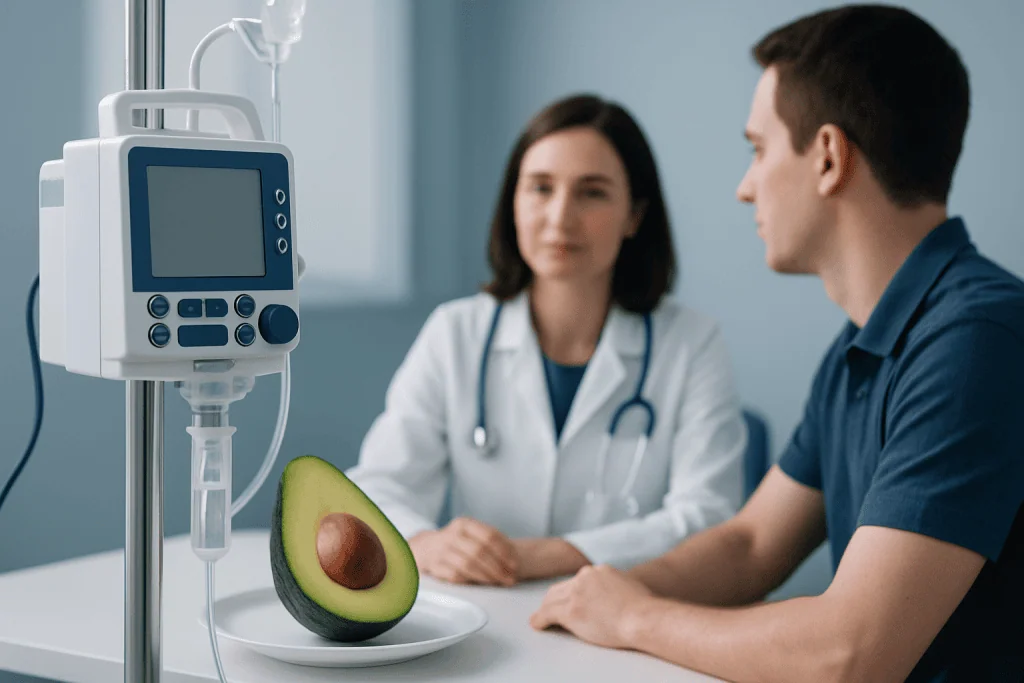
Avocado is best understood as a nutrient-dense fruit rather than a protein supplement. It contains monounsaturated fat, dietary fiber, potassium, folate, vitamin K, vitamin E, and smaller amounts of other micronutrients. These components may help support satiety, bowel regularity, and overall dietary quality when included in appropriate portions.
Research on avocado has mainly examined broader health outcomes such as cardiometabolic risk factors, cholesterol patterns, and meal satisfaction. In this context, avocado may be useful as part of a heart-conscious eating plan, particularly when it replaces butter, processed spreads, or highly refined snacks. That is different from saying that avocado protein itself is responsible for the benefit.
Current evidence does not support claims that avocado is a complete high-protein food, that it can replace medically indicated nutrition therapy, or that it has proven disease-curing effects. People looking to increase protein intake should usually pair avocado with established protein sources, such as yogurt, beans, lentils, fish, eggs, tofu, or lean poultry, instead of depending on avocado alone.
- Supported by evidence: avocado as part of a balanced, fiber-rich, unsaturated-fat–focused diet
- Not supported by strong evidence: avocado as a major protein source or a treatment for specific diseases
- Best use: combine avocado with true protein foods in meals and snacks
Possible health benefits in everyday eating

For many people, avocado can improve the nutritional quality of meals. Its fat and fiber content may help meals feel more satisfying, which can make healthy eating patterns easier to maintain. It can also be used to replace less nutritious spreads or toppings that are higher in saturated fat or lower in fiber.
Avocado may also support cardiovascular health indirectly when used within dietary patterns that emphasize vegetables, fruits, legumes, whole grains, and healthy fats. This is especially relevant for people trying to manage risk factors such as abnormal cholesterol, excess weight, or metabolic health concerns, although nutrition needs should always be individualized.
Its soft texture can be helpful for children, older adults, or people who need easy-to-chew foods. Still, portion size matters. Even nutrient-dense foods can add substantial calories if eaten in large amounts, which may be relevant for people following a weight-management plan or those with reduced energy needs.
When nutrition concerns occur alongside medical conditions such as diabetes or obesity, avocado may be one useful food within a broader medical nutrition plan rather than a solution on its own.
What avocado protein does not do
Because the term “avocado protein” sounds specialized, it can create unrealistic expectations. Avocado does not provide the amount or profile of protein needed for muscle repair, sports recovery, or prevention of protein deficiency in the way higher-protein foods do. It also should not be confused with protein powders made from other plant sources.
There is no strong evidence that avocado protein has unique therapeutic effects separate from the rest of the fruit. Claims that it “boosts immunity,” “detoxifies the body,” or “balances hormones” in a specific medical sense are not well supported by high-quality clinical research. People with chronic symptoms should not delay medical evaluation in favor of food-based claims.
Similarly, avocado is not a substitute for treatment when a person has established digestive disease, cardiovascular disease, food allergy, or metabolic disorders. Nutrition can support medical care, but it works best when it is matched to the person’s diagnosis, medications, and overall health goals.
Risks, side effects, and interactions
Avocado is well tolerated by many people, but it is not suitable for everyone. Some individuals may experience bloating, loose stools, or abdominal discomfort, especially if they increase fiber intake quickly or eat large portions. Those following low-FODMAP or other symptom-guided diets for gastrointestinal issues may need personalized advice.
Food allergy is another important consideration. Avocado can trigger allergic reactions in some people, particularly those with latex-fruit syndrome, where cross-reactivity may occur between latex and certain fruits. Symptoms can range from mouth itching to hives, swelling, vomiting, or breathing difficulty. A severe reaction requires urgent medical care.
Avocado is also relatively high in potassium compared with many other fruits. This is often helpful in general nutrition, but people with significant kidney disease or those told to follow a potassium-restricted diet should ask a clinician or dietitian how much is appropriate. If digestive symptoms are persistent or severe, medical assessment may be needed, including evaluation by gastroenterology specialists when indicated.
- Possible side effects: bloating, stomach discomfort, loose stools
- Possible allergy concerns: oral itching, rash, swelling, breathing symptoms
- Special caution: kidney disease, potassium restriction, latex allergy, complex digestive disorders
Who should limit or avoid avocado
People with a known avocado allergy should avoid it completely unless an allergy specialist advises otherwise. Those with suspected latex-fruit syndrome should be cautious, especially if avocado has previously caused mouth, skin, or breathing symptoms. A proper allergy history and testing plan can help clarify risk; in some cases, consultation through allergy testing may be appropriate.
Individuals with chronic kidney disease may need guidance because potassium requirements differ depending on kidney function, medications, and blood test results. People with irritable bowel symptoms, recurrent diarrhea, or food-related abdominal pain may also need to monitor their response carefully and consider a structured review of diet triggers.
Infants, older adults, athletes, and people recovering from illness can all eat avocado if tolerated, but they may have higher or more specific protein needs. In these situations, avocado should usually be paired with medically appropriate protein foods rather than being treated as the central protein source.
Practical guidance for including avocado in the diet
The most practical way to use avocado is as part of a meal that already includes a real protein source. For example, it can be added to eggs, bean-based meals, yogurt bowls, fish dishes, or whole-grain meals with tofu or chicken. This approach improves texture, flavor, and nutrient density while helping the meal better meet protein needs.
Portion size can be adjusted to the person’s goals. Someone focusing on fullness and heart-healthy fats may use avocado in modest portions several times a week, while someone needing stricter calorie control may choose smaller amounts. There is no single “correct” serving for everyone, and context matters more than labels or trends.
People with medical nutrition concerns may benefit from individualized assessment, especially if they are trying to increase protein intake, manage digestive symptoms, or follow a disease-specific diet. In some cases, support from clinical nutrition and diet services can help match food choices to personal health needs and laboratory findings.
Near the end of a patient’s care journey, some may seek coordinated advice across nutrition, internal medicine, and specialty care. Acibadem International’s multidisciplinary specialists and JCI-accredited hospitals diagnose and treat related conditions for international patients when more detailed evaluation is needed.
When to seek medical care
Medical advice is important if avocado consistently causes symptoms such as abdominal pain, repeated vomiting, diarrhea, hives, swelling, wheezing, or faintness. These problems may signal food allergy, intolerance, an underlying digestive condition, or another issue that should not be self-diagnosed.
Urgent care is needed for signs of a serious allergic reaction, including trouble breathing, throat tightness, widespread swelling, or collapse. Non-urgent medical review is also appropriate if a person has kidney disease, unexplained weight loss, chronic digestive complaints, or is following a medically restricted diet and is unsure whether avocado is safe.
If symptoms suggest a broader digestive disorder rather than a single food reaction, doctors may evaluate for conditions such as Crohn’s disease or other gastrointestinal causes. A qualified clinician can help determine whether avocado is part of the problem or whether another diagnosis is more likely.
Frequently asked questions
Is avocado a high-protein food?
No. Avocado contains some protein, but it is not considered a high-protein food. Its main nutritional strengths are healthy fats, fiber, and micronutrients rather than protein density.
Can avocado protein help build muscle?
Avocado alone is unlikely to provide enough protein to support muscle building effectively. For muscle repair and growth, it is usually better paired with more protein-rich foods such as eggs, dairy, legumes, soy foods, fish, or lean meat.
Does avocado have proven medical benefits?
Avocado can support overall dietary quality and may fit well into heart-healthy eating patterns. However, it is not a treatment for disease, and evidence does not support exaggerated claims about avocado protein having unique medicinal effects.
Can avocado cause side effects?
Yes. Some people may develop bloating, loose stools, or stomach discomfort, especially with large portions or sensitive digestion. Others may have an allergic reaction, which can range from mild mouth symptoms to severe reactions needing urgent care.
Who should be careful with avocado?
People with avocado allergy, latex-fruit syndrome, certain digestive sensitivities, or kidney disease that requires potassium restriction should be cautious. A doctor or dietitian can help determine whether avocado is appropriate in these situations.
What is the best way to include avocado in a balanced diet?
Avocado is often best used as part of a meal that already contains a dependable protein source. Combining it with foods like beans, eggs, yogurt, fish, tofu, or poultry can make meals more balanced and satisfying.
This article is for general information only and is not a substitute for professional medical advice. Please consult a qualified doctor about your individual situation.
Explore treatments in Turkey — costs, top hospitals & a free quote
JCI-accredited · board-certified surgeons · reply within 24h
Add us as a Preferred Source to see more of our trusted health content across Google Search, AI Overviews and Discover.
Check your numbers in seconds
BMI, calories, due date, blood pressure and 30+ more clinical calculators — free, instant, doctor-reviewed ranges.

More from the Health Library

Hormone Balance Supplements: Benefits, Risks, and Safe Use

Hearts of Palm Nutrition: What the Clinical Research Actually Says

Rice Cakes Nutrition Facts: What the Clinical Research Actually Says

Cortisol Triggering Foods: Evidence-Based Benefits, Risks, and Practical Guidance

Dhea Supplement: Benefits, Risks, and Safe Use