Tonometry: What Patients Need to Know
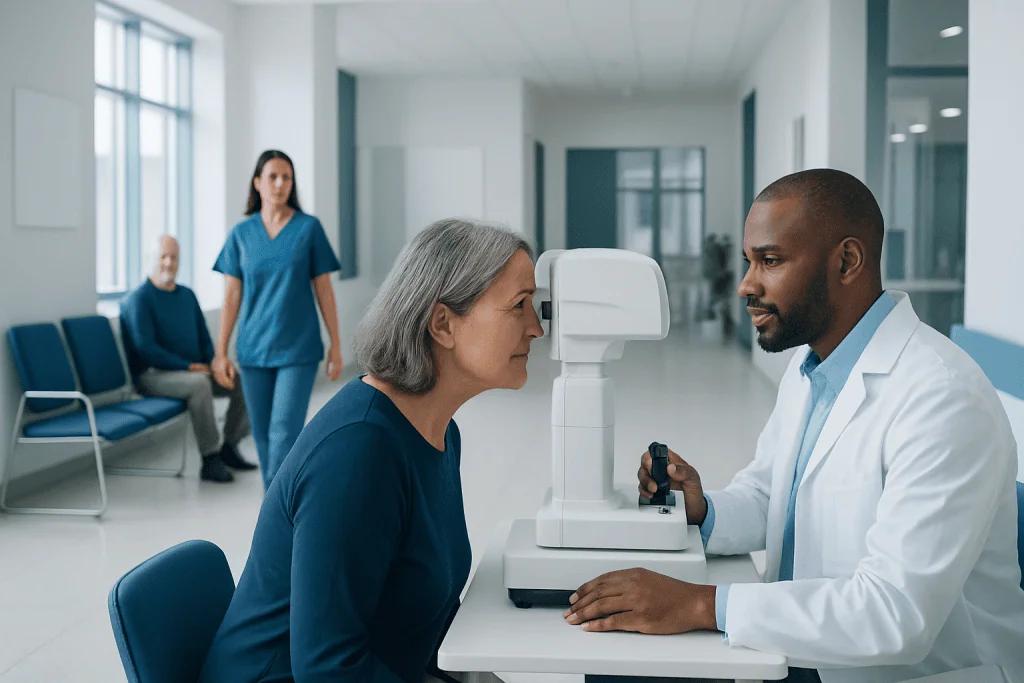
Tonometry measures pressure inside the eye and is often part of a routine eye examination. The test helps identify people who may be at risk for glaucoma, but it does not diagnose glaucoma by itself.
Key Takeaways
- Tonometry measures pressure inside the eye and is often part of a routine eye examination.
- The test helps identify people who may be at risk for glaucoma, but it does not diagnose glaucoma by itself.
- Several tonometry methods exist, including air-puff and numbing-drop techniques.
- Results can be influenced by corneal thickness, recent eye surgery, contact lens use, and certain eye conditions.
- A high or low reading may lead to further tests rather than immediate treatment.
- Prompt medical care is important if eye pressure concerns occur with pain, redness, blurred vision, or sudden vision changes.
Tonometry is an eye test that measures intraocular pressure, or the pressure inside the eye. It is commonly used to help detect glaucoma and monitor eye health, and most people find it quick, safe, and only mildly uncomfortable if they notice anything at all.
Overview: What tonometry is and why it matters
Tonometry is a test used to measure intraocular pressure, which is the pressure created by fluid inside the eye. Eye doctors use it because pressure that is too high can damage the optic nerve over time, and pressure that is unusually low can also point to a problem. In everyday practice, tonometry is one of the simplest ways to gather important information about eye health.
The main reason many people hear about tonometry is its role in spotting glaucoma risk. Glaucoma is a group of eye conditions that can gradually affect vision, often without early symptoms. A tonometry reading does not confirm glaucoma on its own, but it can show whether more detailed evaluation is needed.
Tonometry is often included in routine eye examinations, especially for adults over 40, people with a family history of glaucoma, and those with conditions such as diabetes or long-term steroid use. It is also used to monitor patients already being treated for eye pressure problems, since treatment decisions often depend on how pressure changes over time.
For patients, the most helpful way to think about tonometry is as a screening and monitoring tool rather than a stand-alone diagnosis. The number matters, but so do the optic nerve, visual field, corneal thickness, symptoms, and the person’s overall eye history.
How the test is done and what patients can expect
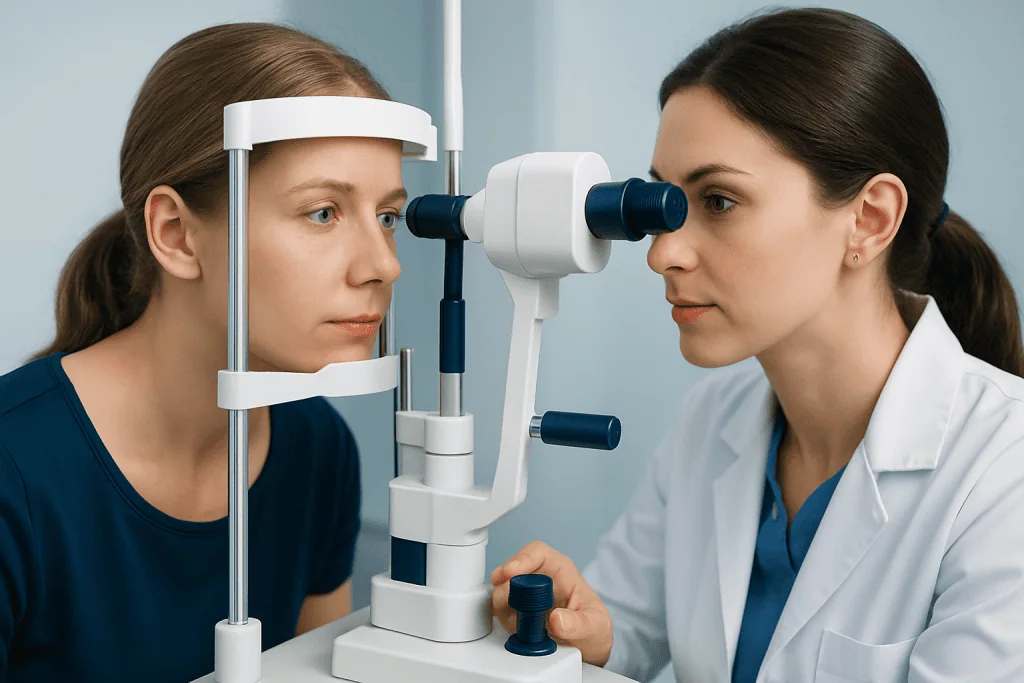
There are several ways to perform tonometry, and the experience depends on the method used. The best-known version is non-contact tonometry, often called the air-puff test. In this method, the patient looks into a machine while a brief puff of air touches the eye. It is very quick and does not require the eye to be touched directly.
Another common method is applanation tonometry, often considered a very reliable approach. For this test, the eye is numbed with drops and a small instrument gently touches the cornea for a moment. Because of the numbing drops, most patients do not feel pain, although they may notice mild pressure or awareness that the eye is being examined.
Other techniques include rebound tonometry, which uses a very small probe that lightly contacts the eye, and handheld devices that are useful for children, older adults, or people who have trouble sitting at a slit lamp. The doctor chooses the method based on the setting, the patient’s needs, and whether precise follow-up comparison is required.
Before the test, patients are usually asked to remove contact lenses if eye drops will be used. It is helpful to stay relaxed, keep the eyes open as instructed, and avoid squeezing the eyelids. Most appointments take only a few minutes, and normal activities can usually be resumed right away unless other procedures are done at the same visit.
Understanding the results
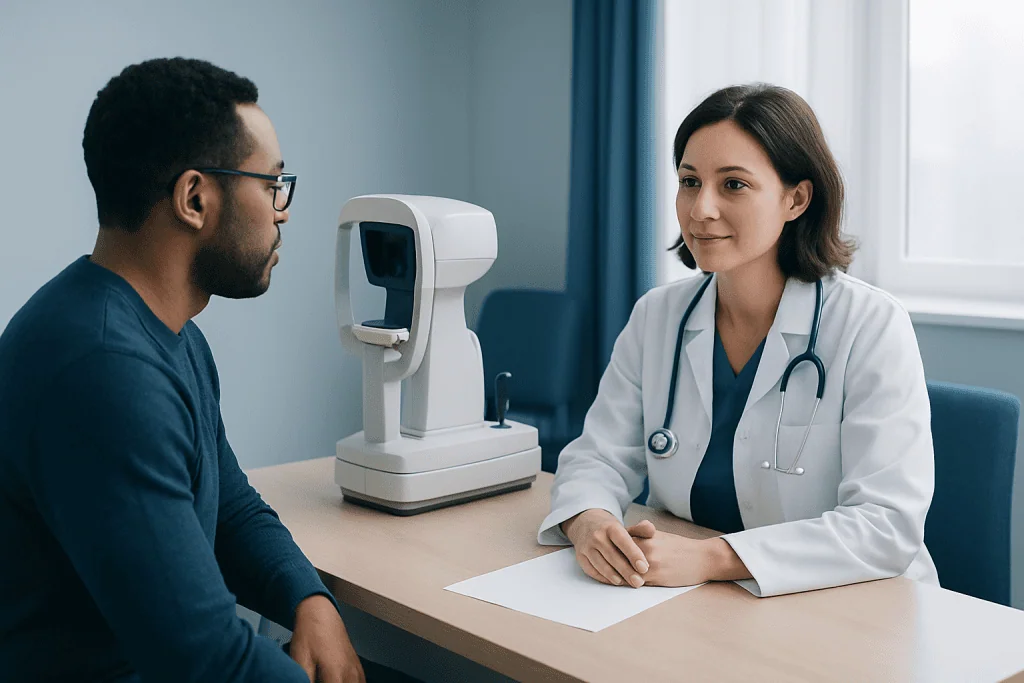
Tonometry results are measured in millimeters of mercury, written as mmHg. Many people are told that a typical eye pressure falls within a certain range, but it is important to remember that normal is not exactly the same for everyone. Some individuals develop optic nerve damage at pressures that are not considered high, while others may have higher readings without clear signs of damage.
Because of this, doctors do not rely on a single tonometry number. They interpret the reading in context, looking at whether the pressure is stable, whether both eyes are similar, and whether there are changes in the optic nerve or peripheral vision. Follow-up testing may include visual field testing, imaging of the optic nerve, and examination of the angle where fluid drains from the eye.
Corneal thickness can also affect the reading. A thicker cornea may make pressure appear higher than it truly is, while a thinner cornea may lead to a lower reading than the actual pressure. For that reason, some patients have an additional test called pachymetry to measure corneal thickness and help refine interpretation.
If a reading is above the expected range, the next step is usually repeat measurement or a fuller eye evaluation, not immediate alarm. Likewise, an apparently normal result does not always rule out glaucoma or other eye disease. Tonometry is most useful when it is part of a complete eye care plan.
Who may need tonometry more often
Tonometry can be useful for many adults during routine eye care, but some people benefit from more regular testing. This includes those with a family history of glaucoma, increased age, diabetes, high myopia, prior eye injury, or long-term use of corticosteroid medicines. People of certain ethnic backgrounds may also have a higher glaucoma risk and may be advised to have more consistent eye follow-up.
Patients who have already been told they have ocular hypertension, are glaucoma suspects, or have confirmed glaucoma often need repeated pressure checks over time. Eye pressure can change from one visit to another and may even vary during the day. Monitoring trends is often more informative than focusing on one isolated reading.
Tonometry may also be recommended after eye surgery, after trauma, or when symptoms suggest a pressure-related problem. For example, a doctor may measure pressure during evaluation for red eye, halos around lights, sudden blurred vision, or eye pain. In these situations, the test helps guide urgent decisions.
Children can also need tonometry in specific cases, such as suspected congenital glaucoma or after certain eye conditions or surgeries. The technique may be adjusted to the child’s age and comfort, sometimes using handheld devices or approaches designed to minimize fear and movement.
What can affect eye pressure readings
Tonometry is a useful test, but like any measurement, it can be influenced by several factors. Corneal thickness is one of the best-known influences, but it is not the only one. Recent eye surgery, corneal swelling, corneal scarring, severe dry eye, and wearing contact lenses shortly before testing can all affect the result or the choice of method.
Body position and patient cooperation may matter as well. Squeezing the eyelids tightly, holding the breath, or being very anxious can sometimes alter the reading. For the most accurate result, patients are usually asked to relax, sit still, and keep looking where instructed.
Certain medications can influence intraocular pressure over time. Steroid eye drops, steroid inhalers, oral steroids, and some other treatments may raise eye pressure in susceptible individuals. This is one reason doctors often ask about all prescription medicines, over-the-counter products, and recent eye treatments before interpreting the test.
The time of day can also be relevant because eye pressure is not perfectly constant. In some people, it tends to be higher in the morning or fluctuates throughout the day. When a doctor is concerned about variability, repeat checks or more specialized monitoring may be recommended to build a clearer picture.
What happens after an abnormal tonometry result
An abnormal tonometry result does not automatically mean there is permanent damage or that treatment must start immediately. Instead, it tells the eye specialist that more information is needed. The next step may be to repeat the measurement, examine the optic nerve in detail, measure corneal thickness, or perform visual field testing and imaging.
If the concern is raised eye pressure without proven damage, the doctor may diagnose ocular hypertension and recommend observation or treatment depending on the overall risk profile. Treatment may include prescription eye drops, and in some cases laser or surgery if pressure remains difficult to control. When treatment is needed, options may overlap with care used for glaucoma, including glaucoma treatment.
If the pressure is very high and accompanied by symptoms such as pain, headache, nausea, redness, halos around lights, or sudden vision change, urgent assessment is important because this can signal a more serious pressure rise. In some patients, further evaluation may include an eye drainage angle assessment and planning for procedures such as laser eye treatment when clinically appropriate.
Some people have low eye pressure, especially after trauma, inflammation, or surgery. Low pressure can also require evaluation because it may affect vision and indicate leakage or reduced fluid production inside the eye. The treatment depends on the cause, not the tonometry number alone.
Prevention, self-care, and protecting eye health
Tonometry itself is not something a person does at home in routine care, but there are practical ways to support eye health and reduce the chance of pressure-related damage going unnoticed. The most important step is regular comprehensive eye examinations, especially for those with risk factors. Many eye conditions, including glaucoma, can progress silently before a person notices any change in vision.
People who already have elevated eye pressure or glaucoma should use medicines exactly as prescribed and attend follow-up visits even if they feel well. Missing drops or stopping treatment without advice can allow pressure to rise again. It can also be helpful to keep a list of eye medications and bring it to each appointment.
General health measures support eye health too. Managing blood sugar, blood pressure, and overall cardiovascular health may help lower the burden of eye disease in some patients. Eye protection during sports and work is also important, since trauma can affect intraocular pressure and may lead to both short-term and long-term complications.
For patients who need further treatment, the plan depends on the underlying diagnosis. In some cases, specialists may discuss imaging, medication, or surgery, including retinal detachment surgery or other procedures if a separate eye problem is identified during evaluation. Near the end of the care pathway, some international patients choose centers such as Acibadem International, where multidisciplinary specialists in JCI-accredited hospitals evaluate and treat complex eye conditions.
When to seek medical care
Routine tonometry is important even when there are no symptoms, especially for adults with glaucoma risk factors. A scheduled eye exam is the right time to ask whether eye pressure testing should be part of ongoing preventive care.
Medical care should be sought promptly if there is eye pain, sudden blurred vision, halos around lights, severe redness, headache with eye symptoms, nausea, or sudden vision loss. These symptoms do not always mean high eye pressure, but they can signal a serious eye problem that needs urgent attention.
Patients should also contact a doctor if they are using steroid medicines and notice visual changes, or if they have had a recent eye injury, surgery, or infection followed by discomfort or unusual vision symptoms. People already treated for glaucoma or ocular hypertension should not wait for symptoms before follow-up, since pressure changes may occur silently.
If there is uncertainty about whether a symptom is urgent, it is safest to speak with an eye care professional. Early evaluation can help protect vision and clarify whether the pressure reading is part of a temporary issue or a condition that needs ongoing management.
Frequently asked questions
What is tonometry used for?
Tonometry is used to measure the pressure inside the eye. It helps doctors detect and monitor conditions linked to abnormal eye pressure, especially glaucoma and ocular hypertension.
Is tonometry painful?
Most people do not find tonometry painful. The air-puff method may feel surprising for a moment, and contact methods usually feel comfortable because numbing drops are used first.
Can tonometry diagnose glaucoma by itself?
No, tonometry alone cannot diagnose glaucoma. It is one important part of a broader eye assessment that may also include optic nerve examination, visual field testing, and imaging.
How often should eye pressure be checked?
The right schedule depends on age, family history, medical conditions, medications, and previous eye findings. A doctor may recommend routine checks during regular eye exams or more frequent monitoring if there is known risk.
What does it mean if eye pressure is high?
A high reading means the eye may need further evaluation, but it does not automatically mean vision loss or confirmed glaucoma. Doctors usually interpret the number together with other exam findings and may repeat the test or order additional studies.
Do contact lenses affect tonometry?
They can, especially if the test involves direct contact with the eye or if the lenses have been worn recently. Patients are often asked to remove contact lenses before testing so the measurement can be more accurate and the eye remains comfortable.
References
- American Academy of Ophthalmology
- National Eye Institute
- Centers for Disease Control and Prevention
- Mayo Clinic
- MedlinePlus
This article is for general information only and is not a substitute for professional medical advice. Please consult a qualified doctor about your individual situation.
Explore treatments in Turkey — costs, top hospitals & a free quote
JCI-accredited · board-certified surgeons · reply within 24h
Add us as a Preferred Source to see more of our trusted health content across Google Search, AI Overviews and Discover.

More from the Health Library
Eyelid Exercises: What Patients Need to Know

Tolterodine — Explained by Medical Evidence, Not Myths
Intestines: An Evidence-Based Guide for Patients

Dunkin Donuts Breakfast Healthy: What Patients Need to Know

May Pop: A Complete Medical Overview