Turbt: What Patients Need to Know

TURBT is used to remove bladder tumors and obtain tissue for laboratory testing. The procedure is performed through the urethra, so it usually does not require an external incision.
Key Takeaways
- TURBT is used to remove bladder tumors and obtain tissue for laboratory testing.
- The procedure is performed through the urethra, so it usually does not require an external incision.
- Results from TURBT help determine whether a bladder tumor is non-muscle-invasive or more advanced.
- Some patients need a repeat TURBT, especially if the tumor is large, high-grade, or incompletely removed.
- Follow-up is important because bladder tumors can recur even after successful treatment.
TURBT, short for transurethral resection of bladder tumor, is a common procedure used to diagnose, remove, and stage abnormal growths inside the bladder. It is usually done through the urethra without external cuts and often plays a central role in both confirming bladder cancer and guiding further treatment.
Overview: What TURBT Means for Patients
TURBT stands for transurethral resection of bladder tumor. It is a procedure doctors use to look inside the bladder, remove visible tumors, and collect tissue so a pathologist can examine it under a microscope. For many patients, TURBT is the first main step after blood in the urine or imaging suggests a bladder growth.
The procedure is performed by passing a thin instrument through the urethra into the bladder. Because it uses the body’s natural urinary passage, there is usually no external incision. TURBT can serve two purposes at the same time: treatment of the visible tumor and diagnosis of the exact tumor type, grade, and depth.
TURBT is most often used when a doctor suspects bladder cancer, but not every bladder tumor is cancerous. Some growths may be benign or may represent other bladder conditions. The information gained from TURBT helps the care team decide whether monitoring, intravesical therapy, more surgery, or other cancer treatment is needed.
Why TURBT Is Done
The most common reason for TURBT is to evaluate and remove a bladder lesion seen during cystoscopy or on imaging such as ultrasound, CT, or MRI. It is often recommended when a patient has visible blood in the urine, recurrent unexplained urinary symptoms, or a suspicious finding during a urologic evaluation.
Doctors also use TURBT to determine how far a tumor has grown into the bladder wall. This is important because treatment differs between tumors limited to the inner bladder lining and those that invade deeper muscle. A complete and careful TURBT helps guide staging, risk assessment, and the next steps in care.
In some cases, TURBT is not only diagnostic but therapeutic. Small or early tumors may be fully removed during the procedure. If cancer is found, the pathology report can help determine whether additional treatments such as bladder cancer treatment or closer surveillance are appropriate.
How the Procedure Is Performed

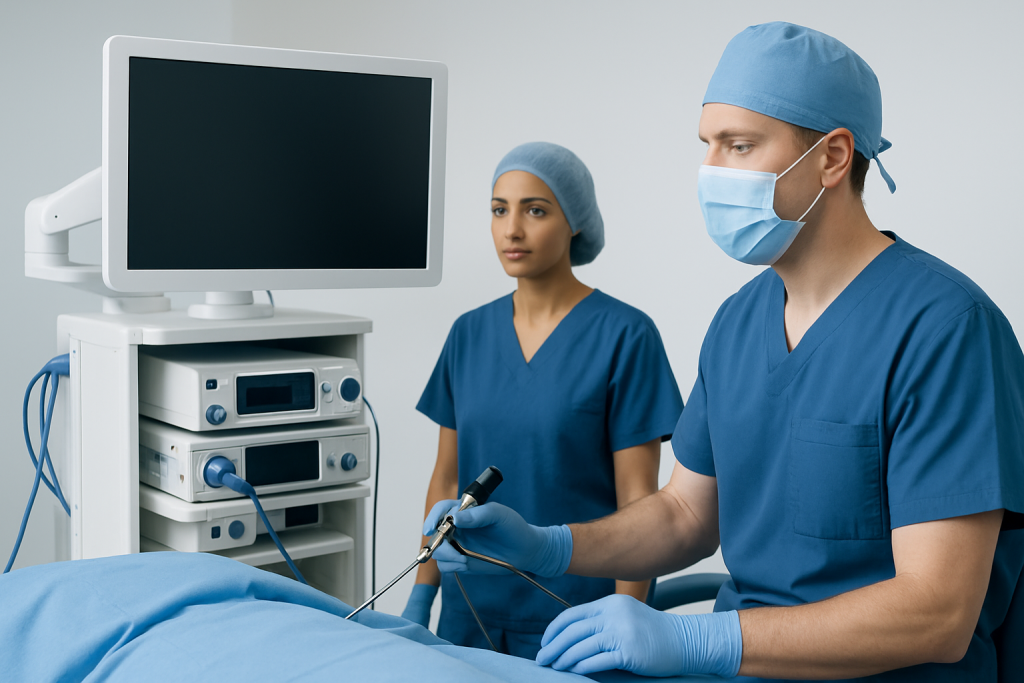
TURBT is usually done in a hospital or surgical center by a urologist. The patient may receive general anesthesia or spinal anesthesia, depending on the case and the medical team’s plan. A resectoscope, which is a specialized scope with a small loop, is passed through the urethra into the bladder.
The surgeon inspects the bladder lining and removes visible tumor tissue in small pieces. The goal is not only to remove the surface growth but also to include tissue from deeper layers of the bladder wall when it is safe and appropriate. This deeper tissue is important for determining whether the tumor has invaded the bladder muscle.
At the end of the procedure, a temporary urinary catheter may be placed to drain urine and help the bladder heal. Some patients also receive a medication placed directly into the bladder shortly after surgery to reduce the risk of early tumor cell implantation, if this is suitable for the clinical situation.
The exact approach can vary based on the tumor’s size, number, location, and appearance. If the lesion is complex or there are several tumors, the surgeon may focus on safely removing all visible disease while also making sure adequate tissue is sent for pathology.
Symptoms, Warning Signs, and Who May Need Evaluation
Many patients who eventually have TURBT first notice blood in the urine. The blood may be visible to the eye or found only on a urine test. Other symptoms can include frequent urination, urgency, burning during urination, or a feeling that the bladder does not empty completely, although these symptoms can also occur with infections or noncancerous bladder problems.
Not everyone with urinary symptoms needs TURBT, but persistent or unexplained symptoms should be assessed by a doctor. Imaging tests, urine studies, and cystoscopy can help determine whether a bladder lesion is present. When a suspicious tumor is found, TURBT is often the next step.
Certain factors can increase the likelihood of bladder tumors. These include older age, tobacco use, long-term exposure to certain industrial chemicals, prior bladder cancer, chronic bladder irritation, and some medical treatments. A doctor will consider the full history, examination findings, and test results before recommending surgery.
- Visible or recurrent blood in the urine
- Abnormal findings on ultrasound, CT, or MRI
- Suspicious lesion seen during cystoscopy
- History of bladder tumors needing repeat evaluation
Diagnosis, Pathology Results, and What They Mean
The tissue removed during TURBT is sent to a pathology laboratory. The pathologist examines the sample to determine whether cancer is present and, if so, what type it is. The report usually comments on tumor grade, whether the tumor has invaded the lamina propria or muscle, and whether a muscle sample was included in the specimen.
These details matter because they help classify the tumor as non-muscle-invasive or muscle-invasive. Non-muscle-invasive bladder cancer may be managed with surveillance, intravesical therapy, or repeat TURBT depending on the risk profile. Muscle-invasive disease often requires a broader treatment plan that can include more extensive surgery and systemic therapy.
Sometimes a repeat TURBT is recommended. This may happen if the first specimen did not contain enough muscle tissue, if the tumor was high-grade, if the lesion was large or multiple, or if the doctor wants to confirm that no residual tumor remains. Although the idea of another procedure can be frustrating, repeat TURBT can improve staging accuracy and treatment planning.
Additional tests may also be used after TURBT, such as urine cytology, repeat cystoscopy, or cross-sectional imaging. If there is concern that cancer extends beyond the bladder, the care team may discuss more advanced evaluation and options such as cancer treatment.
Recovery, Possible Risks, and Follow-Up Care
Most patients recover from TURBT within days to a few weeks, although the exact timeline varies. Mild burning with urination, urinary frequency, small amounts of blood in the urine, or passing tiny clots can occur for a short time after the procedure. Doctors usually advise drinking fluids, avoiding strenuous activity for a period, and following specific instructions about medications and catheter care if one is used.
As with any procedure, TURBT has possible risks. These can include bleeding, urinary tract infection, temporary difficulty urinating, bladder irritation, and, less commonly, injury to the bladder wall. The medical team monitors for these problems and gives guidance on what is expected versus what needs prompt attention.
Follow-up after TURBT is a key part of care because bladder tumors can come back. Many patients need scheduled cystoscopy and urine tests, especially in the first few years after diagnosis. Depending on the pathology results, some may also benefit from bladder-preserving treatments placed directly into the bladder or from other specialized urologic care.
For patients needing ongoing evaluation of the urinary tract, broader urology care may be part of long-term management. Near the end of the treatment pathway, some international patients choose centers such as Acibadem International, where multidisciplinary specialists and JCI-accredited hospitals diagnose and treat bladder conditions with coordinated care.
Treatment After TURBT and Ongoing Prevention
What happens after TURBT depends on the pathology results. If the tumor is low-risk and fully removed, careful surveillance may be all that is needed. If the tumor is higher risk, the doctor may recommend intravesical therapy, meaning medicine placed directly into the bladder, or another TURBT to make sure no significant tumor remains.
For more advanced disease, treatment may extend beyond the bladder lining. Options may include surgery to remove part or all of the bladder, chemotherapy, immunotherapy, or radiation in selected cases. The right plan depends on tumor stage, grade, overall health, kidney function, and the patient’s goals.
Although not all bladder tumors can be prevented, some steps may help reduce risk. Stopping smoking is one of the most important. It is also sensible to limit exposure to harmful workplace chemicals, stay hydrated, and keep follow-up appointments after treatment. Patients with a history of bladder cancer should report new urinary symptoms promptly rather than waiting for the next routine visit.
When to Seek Medical Care
Medical review is important if a person notices visible blood in the urine, repeated urinary burning without a clear infection, new urgency or frequency that does not improve, or pelvic discomfort that persists. These symptoms do not always mean a tumor is present, but they should not be ignored, especially in older adults or people with risk factors such as smoking.
After TURBT, patients should contact their care team promptly if they develop heavy bleeding, large clots, fever, chills, severe pain, inability to urinate, or worsening symptoms instead of gradual improvement. These can signal complications that may need urgent assessment.
Regular follow-up matters even when symptoms improve. Because recurrence can happen without obvious warning signs, scheduled cystoscopy and doctor visits are often the safest way to monitor healing and detect any new bladder changes early.
Frequently asked questions
Is TURBT a major surgery?
TURBT is generally considered a minimally invasive surgical procedure rather than major open surgery. It is done through the urethra without an external incision, but it still requires anesthesia and careful follow-up.
Does TURBT mean a person definitely has bladder cancer?
No. TURBT is often done because a bladder tumor is suspected, but the final diagnosis depends on the pathology results. Some bladder lesions are noncancerous or represent other conditions.
How long does it take to recover from TURBT?
Many people return to light daily activities within several days, though mild urinary symptoms can last longer. Full recovery varies depending on the size and number of tumors removed, whether a catheter was needed, and the person’s general health.
Why might a repeat TURBT be needed?
A repeat TURBT may be recommended if the first sample did not include enough bladder muscle, if the tumor was high-grade, or if there may be residual tumor left behind. It helps improve staging accuracy and can guide safer treatment planning.
Will TURBT cure bladder cancer?
For some small, low-risk, non-muscle-invasive tumors, TURBT may remove all visible disease. However, bladder cancer can recur, so ongoing surveillance and sometimes additional treatment are often necessary.
Is a catheter always used after TURBT?
Not always. Some patients need a temporary catheter for drainage after the procedure, while others do not. The decision depends on factors such as the amount of resection, bleeding risk, and the surgeon’s judgment.
This article is for general information only and is not a substitute for professional medical advice. Please consult a qualified doctor about your individual situation.
Oncology care in Turkey — second opinion and treatment plan
JCI-accredited · board-certified surgeons · reply within 24h
Add us as a Preferred Source to see more of our trusted health content across Google Search, AI Overviews and Discover.

More from the Health Library

Premature Atrial Complexes — Explained by Medical Evidence, Not Myths

Laser Operation for Eyesight: An Evidence-Based Guide for Patients

Ph of Milk: An Evidence-Based Guide for Patients

Bibasilar Atelectasis: A Complete Medical Overview

Sit Ups: A Complete Medical Overview