Laser Operation for Eyesight: An Evidence-Based Guide for Patients
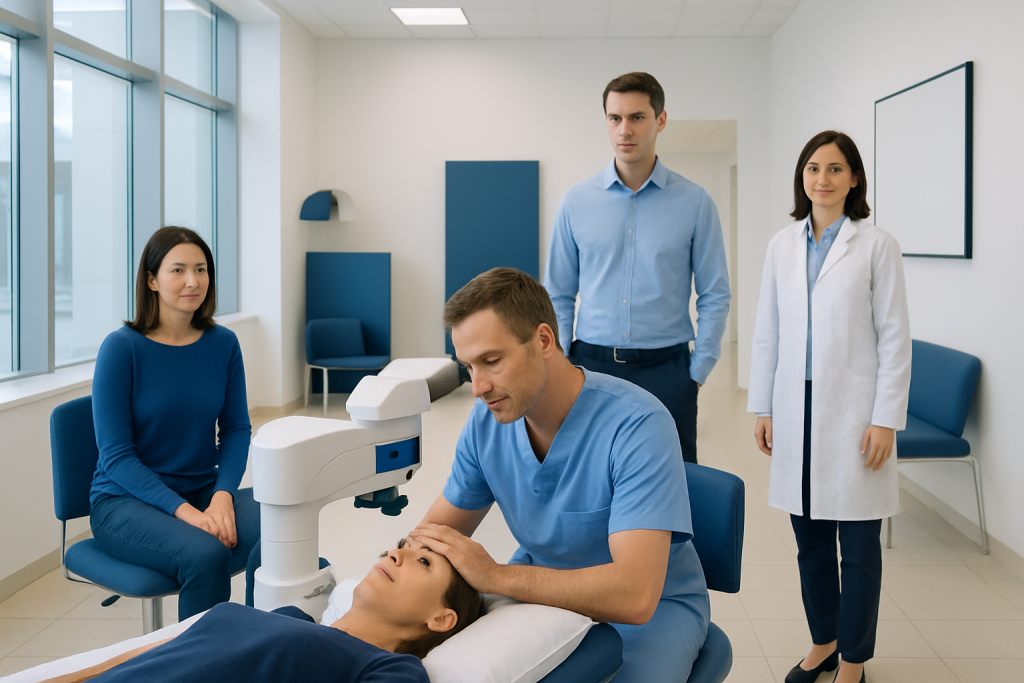
Laser operation for eyesight is not one single procedure; common options include LASIK, PRK, and SMILE. Not everyone is a good candidate, and suitability depends on prescription stability, corneal thickness, tear film health, and overall eye health.
Key Takeaways
- Laser operation for eyesight is not one single procedure; common options include LASIK, PRK, and SMILE.
- Not everyone is a good candidate, and suitability depends on prescription stability, corneal thickness, tear film health, and overall eye health.
- Most people recover well, but temporary dryness, glare, halos, and fluctuating vision can happen during healing.
- A thorough preoperative eye exam is essential to reduce risks and choose the most suitable technique.
- Laser vision correction can lower dependence on glasses or contacts, but it does not stop normal age-related changes such as presbyopia.
Laser operation for eyesight is a group of procedures that reshape the cornea to correct common refractive errors such as nearsightedness, farsightedness, and astigmatism. For the right candidate, it can reduce reliance on glasses or contact lenses, but a detailed eye examination is needed to decide whether it is safe and appropriate.
Overview: What laser operation for eyesight means
Laser operation for eyesight refers to several types of refractive surgery designed to improve how light focuses on the retina. In practical terms, these procedures reshape the cornea, the clear front surface of the eye, so that images come into sharper focus. The aim is usually to reduce dependence on glasses or contact lenses rather than to promise perfect vision in every situation.
The most commonly treated refractive errors are myopia (nearsightedness), hyperopia (farsightedness), and astigmatism. Different techniques may be used depending on the person’s prescription, corneal structure, age, tear film, lifestyle, and visual goals. Some patients benefit from laser-based methods, while others may be better suited to lens-based procedures or may be advised to continue with glasses or contacts.
Because many people search for a single answer about “laser eye surgery,” it helps to know that there is no one universal operation. The best procedure is individualized after a detailed eye assessment. In some cases, doctors may also evaluate related conditions such as astigmatism or myopia as part of planning treatment.
Common types of laser vision correction
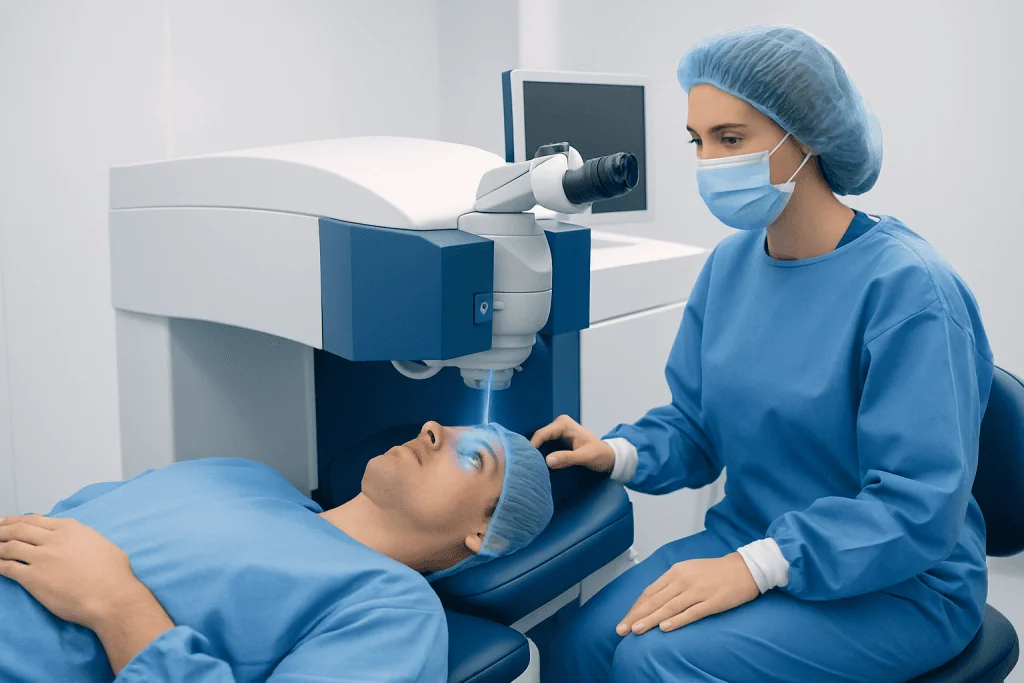
LASIK is one of the best-known forms of laser vision correction. In LASIK, a thin flap is created on the cornea, the underlying tissue is reshaped with a laser, and the flap is repositioned. This approach often offers fast visual recovery and relatively little discomfort, but it is not ideal for everyone, especially if the cornea is thin or dry eye symptoms are significant.
PRK is another well-established option. Instead of creating a corneal flap, the surface layer of the cornea is gently removed and the laser reshapes the tissue underneath. Recovery is usually slower than LASIK, and the first few days may be less comfortable, but PRK can be a useful option for people with certain corneal features or for those whose activities increase concern about a corneal flap.
SMILE is a newer minimally invasive laser technique used mainly for myopia and some cases of astigmatism. It removes a small piece of corneal tissue through a tiny incision rather than creating a larger flap. In practice, ophthalmologists choose among procedures based on detailed measurements rather than popularity alone. If surgery is appropriate, this may include LASIK eye surgery or another form of laser eye surgery selected for the individual eye.
Who may be a good candidate
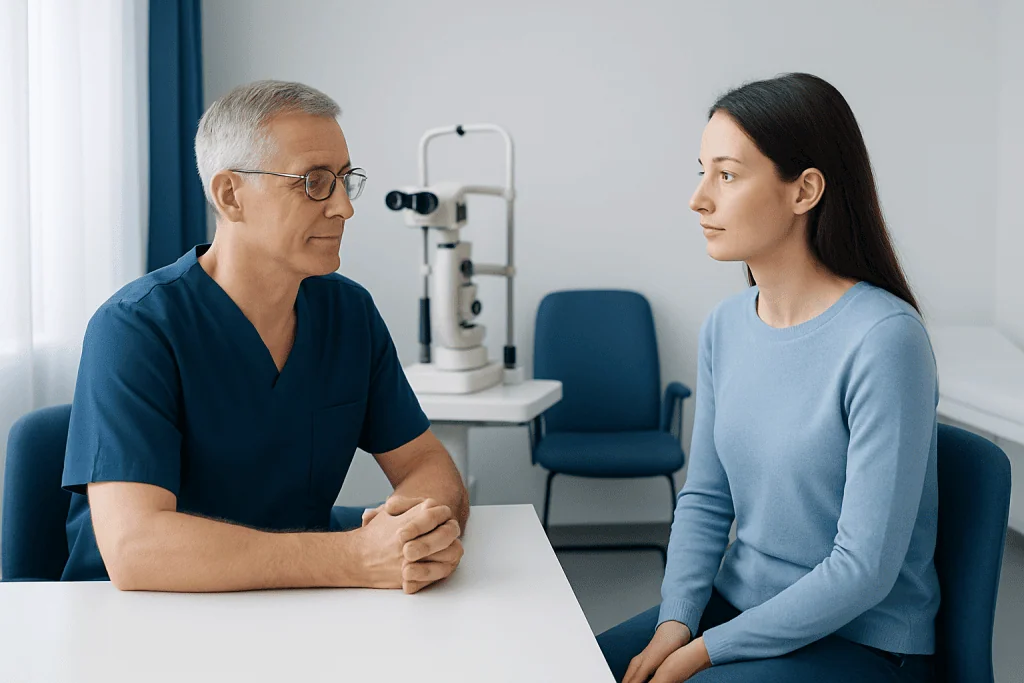
A good candidate for laser operation for eyesight is usually an adult with a stable glasses or contact lens prescription, healthy corneas, and no untreated eye disease. Doctors look at more than the numbers on an eyeglass prescription. They also assess corneal thickness, curvature, pupil size, tear quality, retinal health, and the person’s expectations about results.
Certain factors can make surgery less suitable or require extra caution. These include pregnancy or breastfeeding, unstable vision, severe dry eye, keratoconus or other corneal disorders, cataracts, uncontrolled diabetes, autoimmune disease, or previous eye injury. Some contact lens wearers need to stop wearing lenses for a period before the exam because contacts can temporarily alter corneal shape.
Expectations matter as much as measurements. A patient should understand that the goal is usually to reduce reliance on corrective lenses, not to guarantee lifelong glasses-free vision. Reading glasses may still be needed later in life due to presbyopia, the normal age-related change in near focusing.
Benefits, limitations, and possible risks
For suitable candidates, laser vision correction can offer meaningful convenience in daily life. Many people appreciate being less dependent on glasses or contact lenses for work, sports, travel, and routine activities. Results are often predictable when preoperative screening is thorough and the refractive error falls within a treatable range.
At the same time, laser operation for eyesight has limits. Some people may still need glasses for certain tasks, especially night driving, detailed work, or reading with age. The procedure also does not prevent future eye conditions such as cataracts, glaucoma, or age-related macular changes, so routine eye examinations remain important.
Like any procedure, it carries potential risks and side effects. These may include dry eye, glare, halos, starbursts, light sensitivity, undercorrection, overcorrection, fluctuating vision, infection, inflammation, or rarely more serious visual problems. Although severe complications are uncommon when candidates are carefully selected, discussing risks clearly before surgery is an important part of informed decision-making.
- Possible short-term effects: watering, stinging, blurred vision, light sensitivity
- Common temporary symptoms: dryness, glare, halos, mild discomfort
- Longer-term considerations: need for enhancement surgery, persistent dry eye, age-related vision changes
How doctors evaluate and diagnose suitability
A preoperative assessment for laser operation for eyesight is more detailed than a standard vision test. The ophthalmologist measures refractive error and checks whether it has been stable over time. They also evaluate corneal thickness and shape, often using advanced topography or tomography to look for subtle abnormalities that could increase risk.
The eye surface is another key part of the evaluation. Dry eye disease, eyelid inflammation, and tear film problems can affect both comfort and visual quality after surgery. The doctor will also examine the inside of the eye to rule out retinal issues, cataracts, glaucoma, or other conditions that may explain blurred vision or change the treatment plan.
If laser surgery is not the best option, the consultation should still be useful. Alternatives may include updated glasses, contact lenses, treatment for dry eye, or lens-based procedures such as smart lens treatment in selected patients, especially when age-related lens changes are contributing to vision problems. This individualized approach helps match treatment to the eye rather than fitting every patient into one procedure.
What to expect before, during, and after the procedure
Before surgery, patients usually receive instructions about stopping contact lens wear, avoiding eye makeup, and arranging transportation home. The procedure itself is generally brief and done with numbing eye drops. The person remains awake, and the surgeon guides them to focus on a light while the laser reshapes the cornea according to the planned correction.
Most people notice visual improvement soon after LASIK, while recovery after PRK is slower and may involve more surface discomfort in the first days. It is normal for vision to fluctuate during early healing. Eye drops are commonly prescribed to support healing and reduce infection risk, and rubbing the eyes should be avoided.
Follow-up visits are important because they allow the doctor to monitor healing, check visual stability, and manage symptoms such as dryness or glare. Patients should use medicines exactly as directed and report any sudden pain, marked redness, discharge, or unexpectedly worsening vision. In experienced centers, care is coordinated from evaluation through recovery; Acibadem International’s multidisciplinary specialists in JCI-accredited hospitals also diagnose and treat vision correction needs for international patients.
Self-care, long-term eye health, and when to seek medical care
After laser vision correction, self-care supports both comfort and healing. Lubricating drops may help with temporary dryness, and sunglasses can reduce light sensitivity outdoors. Good sleep, hydration, and following the surgeon’s instructions about eye protection, swimming, exercise, and screen use can all contribute to a smoother recovery.
Long-term, eye health still matters even if distance vision improves. Routine eye examinations remain important because refractive surgery does not prevent other eye conditions. People should seek assessment if they develop symptoms of cataract, glaucoma, retinal disease, or ongoing dry eye. Some may later need treatment unrelated to laser vision correction, such as cataract surgery as they age.
Medical care should be sought promptly if there is severe eye pain, rapidly decreasing vision, increasing redness, significant discharge, a curtain-like shadow, flashes of light, or many new floaters. These symptoms do not always mean a serious complication, but they deserve urgent professional evaluation. For non-urgent questions, patients should contact their ophthalmologist if healing seems slower than expected or if side effects are interfering with daily life.
Frequently asked questions
Is laser operation for eyesight permanent?
The corneal reshaping itself is intended to be permanent, but vision can still change over time for other reasons. Natural aging, presbyopia, cataracts, and some health conditions may affect eyesight later, so some people may still need glasses in the future.
Is laser eye surgery painful?
Most patients do not feel significant pain during the procedure because numbing eye drops are used. Mild pressure, irritation, watering, or a gritty feeling can happen afterward, and the level of discomfort depends partly on the type of procedure performed.
How long does recovery take after laser eye surgery?
Recovery time varies by technique. Many people see better within a day or two after LASIK, while PRK usually takes longer for comfort and vision to stabilize. Full healing and fine visual adjustments may continue over weeks to months.
Can everyone have laser operation for eyesight?
No. Suitability depends on factors such as age, prescription stability, corneal thickness, tear film health, and the absence of certain eye diseases. A comprehensive ophthalmic exam is needed to decide whether laser surgery is safe and likely to be helpful.
What are the most common side effects?
Temporary dry eye, glare, halos, light sensitivity, and fluctuating vision are among the most common short-term effects. These usually improve as the eye heals, but a doctor should review symptoms that are severe, persistent, or worsening.
Will laser eye surgery remove the need for reading glasses?
Not necessarily. Laser procedures that correct distance vision do not stop presbyopia, which is the age-related loss of near focusing. Many adults will still need reading glasses at some point, even if distance vision improves.
References
- American Academy of Ophthalmology
- National Eye Institute
- U.S. Food and Drug Administration
- Royal College of Ophthalmologists
- American Society of Cataract and Refractive Surgery
This article is for general information only and is not a substitute for professional medical advice. Please consult a qualified doctor about your individual situation.
Explore treatments in Turkey — costs, top hospitals & a free quote
JCI-accredited · board-certified surgeons · reply within 24h
Add us as a Preferred Source to see more of our trusted health content across Google Search, AI Overviews and Discover.