Exercise Induced Asthma: An Evidence-Based Guide for Patients

Exercise induced asthma usually refers to airway narrowing that happens during or after exercise. Common symptoms include cough, wheezing, chest tightness, and shortness of breath, especially in cold or dry air.
Key Takeaways
- Exercise induced asthma usually refers to airway narrowing that happens during or after exercise.
- Common symptoms include cough, wheezing, chest tightness, and shortness of breath, especially in cold or dry air.
- Diagnosis often needs lung function testing rather than symptoms alone, because other conditions can mimic it.
- Treatment may include inhaled medicines, warm-up strategies, and better control of underlying asthma or allergies.
- People should seek medical assessment if symptoms are frequent, severe, new, or interfere with normal activity.
Exercise induced asthma is a common term for breathing symptoms triggered by physical activity, most often due to exercise-induced bronchoconstriction. With proper evaluation, symptom control, and a practical exercise plan, most people can stay active safely and confidently.
Overview
Exercise induced asthma is a commonly used term for breathing problems that appear during or shortly after physical activity. In many cases, the more precise medical term is exercise-induced bronchoconstriction, which means the airways temporarily narrow with exercise. This can happen in people who already have asthma, but it can also occur in some people without a formal asthma diagnosis.
Patients often notice coughing, wheezing, chest tightness, or unusual shortness of breath when they run, cycle, play sports, or exercise in cold weather. These symptoms can be frustrating, especially for children, athletes, and adults trying to stay fit. The reassuring point is that this condition is usually manageable once the trigger pattern is recognized and the right treatment plan is in place.
Exercise itself is not harmful for most people with this condition. In fact, regular activity is an important part of overall health and can support lung health, endurance, mood, and sleep. The goal is not to avoid exercise, but to make exercise safer and more comfortable through accurate diagnosis, symptom prevention, and individualized care.
What symptoms can occur and when do they happen?
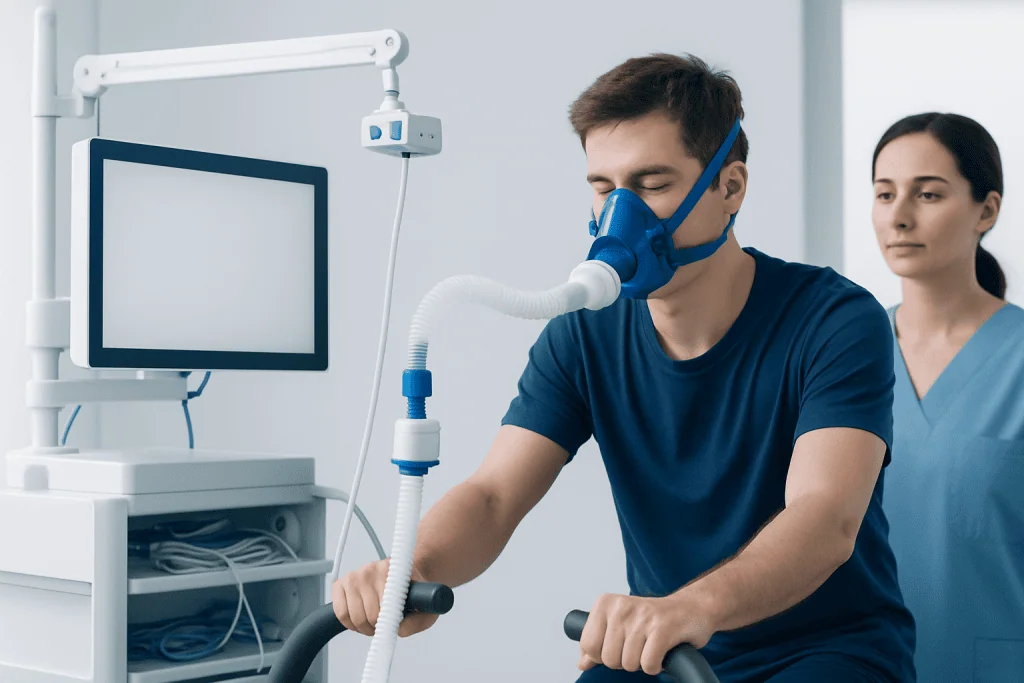
Symptoms of exercise induced asthma often begin during exercise or within several minutes after stopping. Some people notice a gradual decline in breathing performance, while others experience a sudden cough or tight feeling in the chest. The severity varies from mild discomfort to symptoms that clearly limit activity.
Common symptoms include:
- Coughing during or after exercise
- Wheezing or a whistling sound when breathing out
- Shortness of breath that seems stronger than expected for the level of effort
- Chest tightness or pressure
- Unusual fatigue during sports or workouts
- Reduced stamina or slower recovery after exercise
Symptoms are often worse in cold, dry air because these conditions can dry and irritate the airway lining. They may also become more noticeable during high-intensity activities such as running, soccer, basketball, or skating. For some patients, symptoms are subtle and show up mainly as poorer performance rather than obvious wheezing.
Not every breathing symptom during exercise is due to asthma. Deconditioning, anxiety, heart conditions, vocal cord dysfunction, respiratory infections, or other asthma-related breathing disorders can cause similar complaints. That is one reason proper medical assessment is important when symptoms are persistent or unclear.
Why exercise triggers breathing symptoms

During exercise, breathing becomes faster and deeper. This increases the amount of air moving through the lungs, and when the air is cold or dry, the airways may lose heat and moisture. In susceptible people, this can irritate the airway lining and trigger temporary tightening of the muscles around the bronchi, along with inflammation and mucus production.
Several risk factors make exercise induced asthma more likely. The most important is having underlying asthma, especially if daily symptoms are not well controlled. Allergic rhinitis, environmental allergies, eczema, recent viral illness, air pollution, tobacco smoke exposure, and a family history of asthma can also contribute.
Sports and environmental settings matter too. Outdoor exercise in winter, exposure to pollen, chlorinated pools, traffic pollution, or indoor irritants may aggravate symptoms. Endurance athletes and people who train intensely may notice repeated symptoms because of frequent airway stress.
Because symptoms often overlap with chronic asthma, some patients may need evaluation for broader airway disease. In selected cases, doctors may assess whether exercise symptoms are part of asthma and whether overall long-term asthma control needs to be improved, not just the exercise-related episodes.
How doctors diagnose exercise induced asthma
Diagnosis begins with a careful history. A doctor will ask what symptoms occur, how quickly they appear, what kinds of activity trigger them, whether cold air is a factor, and whether there is a history of allergies or asthma. Symptoms alone, however, are not always enough to confirm the diagnosis because many conditions can feel similar.
Lung function testing is often used to support the diagnosis. This may include spirometry before and after exercise or before and after a bronchodilator medicine. If routine office testing is normal, a physician may recommend an exercise challenge test or another bronchial provocation test to see whether the airways narrow in a measurable way after exertion.
Doctors also consider other possible causes of exercise-related breathing difficulty. These can include poor fitness, anemia, acid reflux, cardiac conditions, upper airway narrowing, or exercise-induced laryngeal obstruction. In some patients, additional evaluation such as imaging or specialist consultation may be needed to clarify the diagnosis.
When symptoms are recurring or the diagnosis is uncertain, formal pulmonary function tests can help guide treatment decisions and avoid unnecessary medicines. A clear diagnosis often helps patients return to activity with more confidence.
Treatment options and long-term control
Treatment depends on whether exercise induced asthma occurs on its own or as part of broader asthma. Many patients benefit from using a prescribed reliever inhaler before exercise, while others may need daily controller treatment if they also have frequent asthma symptoms at other times. The exact medication plan should be chosen by a qualified doctor.
For patients with underlying asthma, better day-to-day control often reduces exercise symptoms significantly. This may involve inhaled anti-inflammatory treatment, review of inhaler technique, and management of allergies or nasal symptoms. If triggers such as pollen or smoke are involved, reducing exposure can also help.
Non-drug strategies are an important part of care. A gradual warm-up before vigorous exercise may reduce symptom severity for some people. Breathing through the nose when possible, covering the mouth in cold weather, choosing activities with brief bursts rather than sustained heavy exertion, and avoiding exercise during respiratory infections can all be useful.
Specialist care may be appropriate for patients whose symptoms remain troublesome, whose diagnosis is unclear, or whose treatment needs are more complex. In some cases, doctors may combine medication review with asthma treatment planning and respiratory follow-up to support safe, regular activity.
Prevention, exercise planning, and self-care
Most people with exercise induced asthma do not need to stop exercising. Instead, they usually do best with a practical plan that prepares the airways before activity and lowers exposure to known triggers. Keeping symptoms under control can improve both quality of life and physical performance.
Helpful self-care measures include:
- Doing a steady warm-up before vigorous exercise
- Following the prescribed inhaler plan exactly as advised
- Checking inhaler technique regularly with a healthcare professional
- Avoiding smoke, strong fumes, and heavy pollution when possible
- Using a scarf or mask in cold, dry weather
- Managing allergies, sinus symptoms, or nasal congestion
- Keeping track of patterns in a symptom diary
Choosing activities that match current fitness level can also help. Swimming, walking, cycling at a moderate pace, and interval-style exercise may be easier for some patients than continuous high-intensity exertion. Over time, conditioning can improve tolerance, although treatment is still important when airway narrowing is the main issue.
Families, coaches, and teachers should understand the person’s action plan, especially for children and teenagers. Having rescue medication available and knowing when to pause activity can make sports participation safer and less stressful.
When to seek medical care
Medical advice is important if symptoms happen repeatedly, are getting worse, or interfere with exercise, school, work, or sleep. A patient should also seek evaluation if breathing symptoms occur for the first time in adulthood, if there is chest pain, or if the diagnosis is uncertain. These situations deserve professional review rather than self-diagnosis.
Urgent medical attention is needed for severe shortness of breath, difficulty speaking in full sentences, bluish lips, marked chest tightness, faintness, or symptoms that do not improve promptly with prescribed rescue treatment. These features may suggest a more serious breathing problem and should not be ignored.
People with known asthma should also arrange follow-up if they need reliever medication more often than expected or if exercise limitation persists despite treatment. In these cases, the issue may be poor asthma control, a different diagnosis, or a need to adjust the treatment plan.
For international patients who need specialist evaluation, Acibadem International’s multidisciplinary teams in JCI-accredited hospitals diagnose and manage respiratory conditions, including exercise-related breathing problems, with individualized assessment and follow-up when appropriate.
Frequently asked questions
Is exercise induced asthma the same as asthma?
Not exactly. Exercise induced asthma is a common term, but doctors often use the term exercise-induced bronchoconstriction because it describes airway narrowing triggered by exercise. It can happen in people with asthma and, less commonly, in people without chronic asthma.
Can someone with exercise induced asthma still play sports?
Yes, in most cases they can. With the right diagnosis, a proper warm-up, and a treatment plan from a doctor, many people continue recreational exercise and competitive sports safely. The aim is usually to control symptoms, not to avoid activity altogether.
What is the difference between being out of shape and having exercise induced asthma?
Poor fitness usually causes gradual breathlessness during exertion, but it does not typically cause wheezing, cough, or chest tightness after exercise. Exercise induced asthma may also be more noticeable in cold air and may improve with asthma treatment. Because symptoms can overlap, testing is often helpful.
How soon do symptoms start after exercise?
Symptoms often begin during exercise or within a few minutes after stopping. In many people, they peak shortly after the activity ends and then improve over time. The pattern can vary depending on the person, the intensity of exercise, and the environment.
Do all people with exercise induced asthma need an inhaler?
Not everyone needs the same treatment, but many people do benefit from an inhaler prescribed by a doctor. Some only need medication before exercise, while others need regular daily treatment because they have underlying asthma. The safest plan depends on symptoms, testing results, and medical history.
Can cold weather make exercise induced asthma worse?
Yes. Cold, dry air is a common trigger because it can irritate and dehydrate the airways during rapid breathing. A warm-up, appropriate medication, and covering the mouth and nose in cold conditions may help reduce symptoms.
This article is for general information only and is not a substitute for professional medical advice. Please consult a qualified doctor about your individual situation.
Asthma in Turkey — costs, top hospitals & a free quote
JCI-accredited · board-certified surgeons · reply within 24h
Add us as a Preferred Source to see more of our trusted health content across Google Search, AI Overviews and Discover.

More from the Health Library

Discharge After Sex: An Evidence-Based Guide for Patients

Hypomania: An Evidence-Based Guide for Patients

Parasite Cleanse: A Complete Medical Overview

Drowned: What Patients Need to Know

Ginger Benefits: An Evidence-Based Guide for Patients