Night Sweats Men: What Patients Need to Know

Night sweats in men are not a diagnosis; they are a symptom with many possible causes. Common explanations include overheating, alcohol, stress, infections, medications, hormone changes, and sleep apnea.
Key Takeaways
- Night sweats in men are not a diagnosis; they are a symptom with many possible causes.
- Common explanations include overheating, alcohol, stress, infections, medications, hormone changes, and sleep apnea.
- A doctor may recommend a physical exam, blood tests, or sleep and imaging studies depending on other symptoms.
- Treatment focuses on the underlying cause and may include lifestyle changes, medication review, or targeted medical care.
- Persistent night sweats or episodes with fever, weight loss, breathing problems, or swollen lymph nodes should be assessed promptly.
Night sweats in men are episodes of heavy sweating during sleep that soak sleepwear or bedding and are not explained only by a warm room. They are often linked to everyday factors such as overheating, stress, alcohol, or medicines, but they can also signal infections, hormone changes, sleep disorders, or other medical conditions that deserve evaluation.
Overview: what night sweats in men can mean
Night sweats in men usually means repeated episodes of sweating during sleep that are heavy enough to dampen clothing or bed sheets. In many cases, the cause is not serious and may relate to a warm sleeping environment, stress, alcohol, spicy food, or medication side effects. However, when sweating is frequent, disruptive, or paired with other symptoms, it can also point to an underlying health issue that needs attention.
It helps to distinguish true night sweats from simply feeling hot at night. A bedroom that is too warm, thick blankets, or non-breathable sleepwear can make anyone sweat. True night sweats tend to occur even when the room is comfortable and may happen often enough to disturb sleep or require changing clothes or bedding.
For men, the possible causes range across several body systems. Hormone changes such as low testosterone, infections, anxiety, thyroid overactivity, gastroesophageal reflux, and sleep-related breathing disorders may all play a role. Some conditions overlap with broader topics such as sleep apnea or thyroid disorders, so the full picture matters more than the sweating alone.
Symptoms and patterns that can help identify the cause
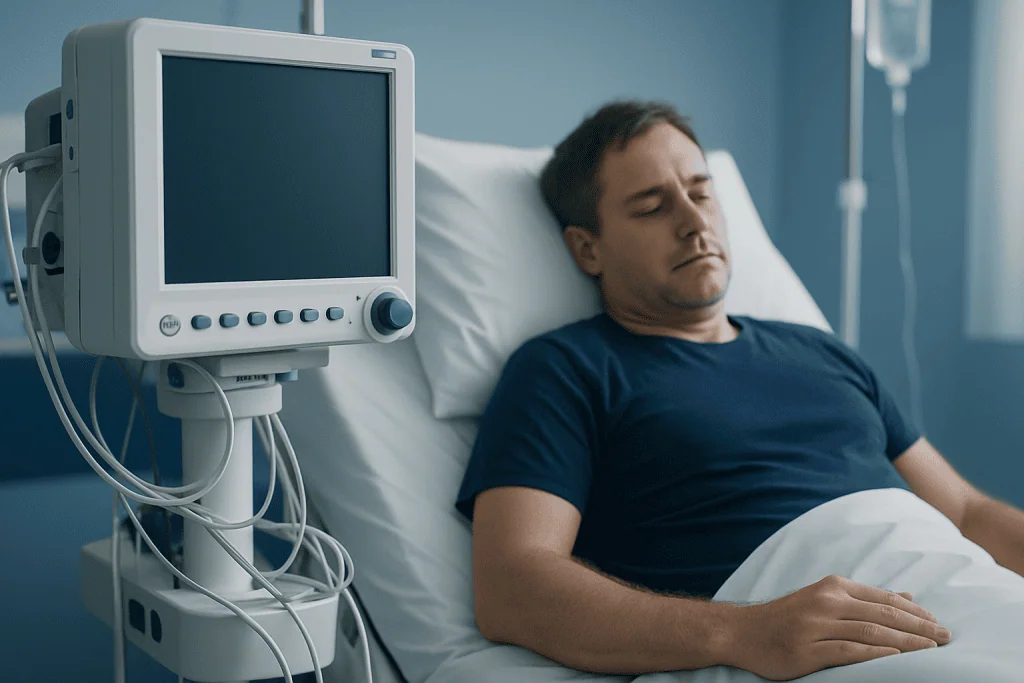
Night sweats can vary widely. Some men notice occasional dampness, while others wake up drenched and chilled after sweating heavily. The timing, severity, and associated symptoms often give useful clues. For example, sweating that appears with vivid dreams or anxiety may have a different explanation than sweating accompanied by fever or cough.
Keeping track of the pattern can be helpful before a medical visit. Important details include how often the episodes happen, whether the room is cool, whether bedding is soaked, and whether there are triggers such as alcohol, late meals, or new medicines. It also helps to note snoring, pauses in breathing during sleep, daytime fatigue, palpitations, flushing, or unintentional weight loss.
- Fever, chills, cough, or sore throat may suggest infection.
- Loud snoring, gasping, and morning headaches can point toward sleep apnea.
- Racing heart, tremor, heat intolerance, or unexplained weight loss may occur with an overactive thyroid.
- Low mood, stress, panic symptoms, or frequent waking can contribute to sweating.
- Low libido, fatigue, and reduced muscle mass may raise the question of low testosterone.
Because these symptoms can overlap, night sweats should be viewed as one part of a larger health picture rather than a stand-alone condition.
Common causes and risk factors

Many everyday factors can trigger sweating at night. A hot bedroom, memory-foam mattresses that retain heat, heavy sleepwear, alcohol, smoking, caffeine, and spicy meals are common examples. Emotional stress and anxiety can also activate the body’s stress response and lead to nighttime sweating, especially in people who already sleep lightly or wake often.
Medication side effects are another frequent explanation. Antidepressants, medicines that affect hormones, some pain relievers, steroids, and certain drugs used for diabetes or fever can increase sweating. Men should not stop a prescribed medicine on their own, but they should mention all prescription, over-the-counter, and herbal products to a clinician if night sweats begin after a medication change.
Medical conditions are also important to consider. These include infections, thyroid overactivity, reflux, diabetes with low blood sugar episodes, anxiety disorders, and hormone-related problems such as low testosterone. Sleep disorders are especially relevant in men; obstructive sleep apnea can disturb breathing and trigger sweating through repeated arousals and stress signals during the night. Men with obesity, a larger neck circumference, or a history of snoring may be at increased risk.
Less commonly, night sweats can occur with inflammatory conditions or cancers such as lymphoma. These causes are uncommon compared with environmental and medication-related triggers, but they become more important when sweating is persistent or associated with red-flag symptoms like fever, swollen lymph nodes, or unexplained weight loss.
How doctors evaluate night sweats in men
Evaluation usually begins with a careful history and physical examination. A doctor will ask about the sleep environment, recent illness, travel, medication use, alcohol intake, mood symptoms, snoring, and associated features such as fever, chest symptoms, or weight changes. The goal is to narrow down the likely causes while identifying anything that may need prompt investigation.
Basic tests are often guided by the history rather than ordered all at once. Depending on the situation, these may include blood tests to look for infection, inflammation, thyroid function problems, blood sugar issues, anemia, or hormone abnormalities. If low testosterone is suspected, an early-morning testosterone level may be considered in the right clinical context.
Some men need more targeted studies. A sleep study may be recommended if symptoms suggest sleep apnea, and chest imaging may be considered if there is cough, fever, or concern about infection or another chest condition. If enlarged lymph nodes, persistent fever, or unexplained weight loss are present, further work-up is usually warranted to look for less common but more serious causes.
When digestive symptoms such as heartburn and nighttime regurgitation occur together with sweating, doctors may also assess for reflux and related upper digestive issues. In selected cases, treatment aimed at the suspected cause is started while testing proceeds.
Treatment options depend on the underlying cause
There is no single treatment for night sweats in men because the symptom can come from many different sources. Management focuses first on correcting obvious triggers, such as reducing bedroom temperature, switching to breathable bedding, limiting alcohol in the evening, and reviewing medication timing or side effects with a clinician. If these changes help, no further treatment may be needed.
When a medical condition is identified, treatment is tailored accordingly. Infections may require specific antimicrobial therapy. Thyroid overactivity, blood sugar problems, anxiety disorders, or reflux are managed according to standard medical care. If low testosterone is confirmed and treatment is appropriate, a specialist may discuss the risks and benefits of testosterone replacement therapy for selected patients.
Men whose symptoms are linked to obstructive sleep apnea often improve when the breathing disorder is treated. Management can include weight-related strategies, dental devices, or sleep apnea treatment such as continuous positive airway pressure, depending on severity and anatomy. If snoring, witnessed pauses in breathing, and daytime sleepiness are present, addressing the sleep disorder may reduce sweating and improve overall health.
In some cases, further testing may lead to treatment of another condition entirely, such as endocrine disease or a hidden infection. Near the end of the diagnostic process, multidisciplinary care can be useful; Acibadem International’s specialists in JCI-accredited hospitals evaluate and treat underlying causes of night sweats for international patients when more than one system may be involved.
Self-care steps and prevention strategies
Simple measures can reduce many episodes of night sweating, especially when the cause is environmental or lifestyle-related. A cool bedroom, moisture-wicking sleepwear, light bedding, and good air circulation are practical starting points. Men who notice sweating after alcohol, heavy evening meals, or spicy foods may benefit from avoiding these triggers for a few weeks to see whether the pattern changes.
Sleep habits also matter. Going to bed at a regular time, limiting caffeine late in the day, and creating a calm wind-down routine may reduce stress-related waking and sweating. For those who snore or feel excessively tired during the day, weight management, side-sleeping, and a medical sleep evaluation can be useful steps.
It can help to keep a symptom diary. Recording the date, severity, room temperature, foods or alcohol consumed, medications taken, and any fever or other symptoms gives the doctor a clearer view of the pattern. This is especially useful when the episodes are intermittent.
Self-care should not replace medical advice when symptoms are persistent. Men should seek proper assessment if sweating continues despite simple changes, returns frequently, or appears together with other concerning symptoms.
When to seek medical care
Night sweats deserve medical attention when they are frequent, severe, or unexplained. A man should arrange a medical review if episodes continue for several weeks, repeatedly soak bedclothes, or interfere with sleep and daytime function. Medical assessment is also sensible when the sweating starts soon after beginning a new medication or is accompanied by symptoms that suggest sleep apnea, hormone imbalance, infection, or thyroid disease.
Prompt medical care is especially important if night sweats occur with fever, unexplained weight loss, persistent cough, chest pain, shortness of breath, swollen lymph nodes, severe fatigue, or new neurological symptoms. These findings do not automatically mean a serious illness is present, but they do increase the need for timely evaluation.
If symptoms point to a specific problem, a doctor may refer to the appropriate specialist or treatment pathway. Depending on the findings, this might include work-up for lymphoma or management of reflux-related symptoms through options such as GERD treatment. Early evaluation usually helps clarify the cause and guide the most effective next steps.
Frequently asked questions
Are night sweats in men always a sign of a serious illness?
No. Night sweats in men are often related to common issues such as a hot sleep environment, alcohol, stress, medications, or mild infections. They should be checked if they are persistent, severe, or occur with symptoms such as fever, weight loss, or breathing problems.
Can low testosterone cause night sweats in men?
Yes, hormone changes including low testosterone can contribute to night sweats in some men. Usually, doctors consider this possibility when sweating occurs together with symptoms such as fatigue, low libido, reduced muscle mass, or mood changes.
Is sleep apnea linked to night sweats?
Yes. Obstructive sleep apnea can cause repeated breathing interruptions during sleep, which may trigger sweating and sudden awakenings. Snoring, gasping, morning headaches, and daytime sleepiness are common clues.
What tests might a doctor order for night sweats?
Testing depends on the person's symptoms and medical history. A doctor may order blood tests, thyroid function tests, blood sugar checks, hormone tests, a chest X-ray, or a sleep study if sleep apnea is suspected.
Can medications cause night sweats in men?
Yes. Some antidepressants, hormone-related medications, steroids, fever-reducing medicines, and other drugs can increase sweating. A man should review all medicines and supplements with a clinician rather than stopping treatment on his own.
When should a man worry about night sweats?
Night sweats deserve prompt attention if they are ongoing, drenching, or accompanied by fever, unexplained weight loss, swollen lymph nodes, chest symptoms, or severe tiredness. These symptoms may still have a treatable cause, but they should not be ignored.
This article is for general information only and is not a substitute for professional medical advice. Please consult a qualified doctor about your individual situation.
Explore treatments in Turkey — costs, top hospitals & a free quote
JCI-accredited · board-certified surgeons · reply within 24h
Add us as a Preferred Source to see more of our trusted health content across Google Search, AI Overviews and Discover.

More from the Health Library

Analskin Tag: An Evidence-Based Guide for Patients

Pulmonary Edema — Explained by Medical Evidence, Not Myths

Prosthetic Hand: An Evidence-Based Guide for Patients
Liver Enzymes: A Complete Medical Overview

Glass Eye — Explained by Medical Evidence, Not Myths