When Do You Start Feeling Baby Move? A Doctor-Reviewed Answer

Baby movement is usually first noticed between 16 and 24 weeks of pregnancy. In a first pregnancy, movement may be felt later than in later pregnancies.
Key Takeaways
- Baby movement is usually first noticed between 16 and 24 weeks of pregnancy.
- In a first pregnancy, movement may be felt later than in later pregnancies.
- An anterior placenta can cushion movement and make it harder to feel kicks early on.
- A noticeable decrease or change in usual baby movement later in pregnancy should be checked by a doctor.
- Doctors may assess fetal movement with a physical exam, ultrasound, and fetal heart rate monitoring.
Most pregnant people start feeling baby movement between 16 and 24 weeks, and variation within that range is often completely normal. The exact timing depends on factors such as whether it is a first pregnancy, placenta position, body type, and the baby's position.
Overview: when most people first feel baby move
Most pregnant people begin to feel baby movement, often called quickening, sometime between 16 and 24 weeks of pregnancy. For many, this first sensation is subtle and easy to miss. It may feel like fluttering, bubbling, tapping, or a light swishing sensation rather than a clear kick.
In many cases, not feeling movement early on is harmless. Timing varies from one pregnancy to another, and there is a wide range of normal. A person who has been pregnant before may recognize the sensation earlier, while someone in a first pregnancy may not identify it until later.
Although variation is common, there are times when medical review is important. If movement has been felt before and then seems much less frequent, weaker, or absent later in pregnancy, a doctor or midwife should be contacted promptly. Rather than focusing only on a fixed number of kicks at a certain week, clinicians often look at the baby’s usual pattern and whether it has changed.
What baby movement feels like at first
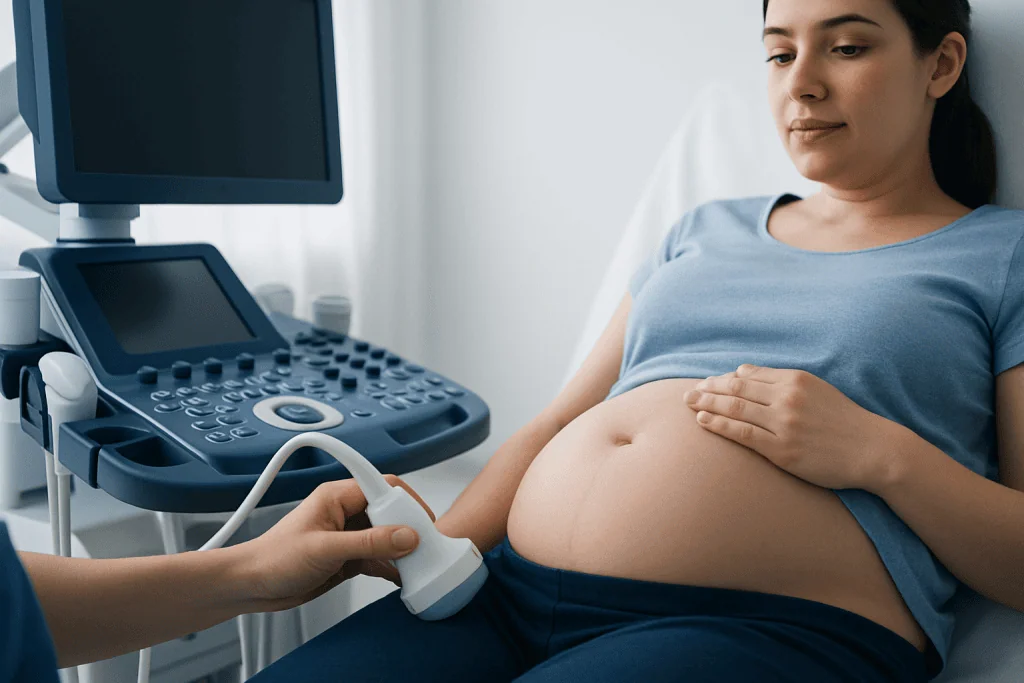
Early fetal movement does not always feel like a dramatic kick. In the beginning, many people describe it as tiny flutters, popcorn pops, muscle twitches, or the feeling of gas moving. These sensations may come and go and can be difficult to distinguish from normal digestive activity.
As pregnancy progresses, movement usually becomes easier to recognize. Gentle taps often become stronger kicks, rolls, stretches, and turns. Some babies are more active at certain times of day, especially in the evening or after meals, but each baby develops an individual pattern over time.
Position can affect how movement feels. A baby facing inward may create sensations that are harder to notice, while a change in the baby’s position can make movement suddenly feel more obvious. This is one reason why day-to-day differences can happen even in a healthy pregnancy.
What affects when movement is first felt

Several factors influence when a pregnant person first notices movement. One of the most important is whether it is a first pregnancy. In a first pregnancy, movement is often recognized closer to 20 weeks. In later pregnancies, some people notice it earlier because they know what to look for.
The placenta’s location also matters. With an anterior placenta, the placenta sits on the front wall of the uterus and can cushion early movement. This may make kicks and flutters harder to feel until later. Body habitus and abdominal wall thickness can also influence how clearly movement is perceived, though they do not determine whether the baby is healthy.
Other factors include the baby’s position, the amount of activity at a given time, and whether the pregnant person is resting or busy. Movement is often easier to notice when lying quietly on one side rather than walking, working, or focusing on other tasks. Pregnancy dating can also affect expectations, so if the due date is uncertain, an ultrasound examination can help clarify gestational age and fetal development.
A practical timeline by trimester and week
In the late first trimester and early second trimester, the baby is already moving, but the movements are usually too small to be felt. Around 16 to 20 weeks, some pregnant people begin to notice occasional fluttering. Others may not clearly feel movement until 22 to 24 weeks, especially in a first pregnancy or with an anterior placenta.
By the second half of pregnancy, movements generally become more regular and easier to identify. Kicks, rolls, and stretches may become part of the baby’s daily pattern. Even then, the pattern can vary from one baby to another, and there is no single “correct” amount that applies to everyone at every stage.
Near the end of pregnancy, movement should still be present, even though it may feel different as space becomes tighter. Movements may seem more like rolling and stretching than sharp kicks. A change in the type of movement can be normal, but a real drop in the baby’s usual activity should not be ignored. Some symptoms, such as abdominal tightening, can also be confused with movement; if there is uncertainty, a doctor can help distinguish fetal movement from issues like pregnancy complications.
When to seek medical care
Medical review is sensible if a pregnant person has reached about 24 weeks and is not sure whether any movement has been felt, particularly if there are concerns about pregnancy dating or fetal growth. It is also important to seek care any time after movement has started if the baby’s usual pattern changes noticeably or movement seems reduced or absent.
Urgent assessment is especially appropriate if reduced movement happens together with vaginal bleeding, fluid leakage, regular painful contractions, severe abdominal pain, fever, or symptoms such as severe headache or visual changes. These symptoms do not always mean there is a serious problem, but they deserve prompt attention.
It is usually better to call and be assessed than to wait and hope it improves on its own. Many evaluations turn out to be reassuring, but timely review helps doctors identify situations that need closer monitoring or treatment. If there are signs of early labor or uncertainty about contractions, assessment may include review for preterm labor and delivery care.
How doctors evaluate reduced or delayed fetal movement
When a pregnant person reports not feeling movement yet, or notices reduced movement later in pregnancy, the first step is usually a careful history. A doctor or midwife may ask how far along the pregnancy is, when movement was last felt, whether there has been a recent change, and whether there are any other symptoms such as bleeding, pain, or fluid leakage.
The examination may include checking the abdomen, measuring uterine size, and listening to the baby’s heart rate. Depending on the stage of pregnancy, the next step may be fetal heart rate monitoring and an assessment for higher-risk pregnancy concerns if there are additional risk factors. This can help show whether the baby’s heartbeat pattern is reassuring.
Ultrasound is commonly used to confirm fetal heartbeat, assess growth, observe movement, estimate amniotic fluid, and check placental position. In some cases, the concern is not reduced movement itself but an underlying issue such as growth restriction, low fluid, or a problem affecting the placenta. If needed, obstetric specialists may recommend closer follow-up, repeat testing, or hospital observation.
Self-care, tracking patterns, and when not to panic
Once regular movement has started, many clinicians advise paying attention to the baby’s usual daily pattern rather than comparing with someone else’s pregnancy. If movement seems quieter than usual, it can help to stop and focus, lie on one side, and notice the baby in a calm environment. Some people find movement is easier to feel after a meal or when they are resting.
However, self-checks should not replace medical advice if there is genuine concern. Drinking something cold or sweet and waiting for a response is sometimes suggested informally, but this is not a reliable substitute for professional assessment. If the baby’s usual pattern has clearly changed, a doctor or midwife should be contacted.
General pregnancy self-care may support overall well-being: attending routine prenatal visits, managing chronic conditions, staying hydrated, and following medical advice about activity and nutrition. Near the end of pregnancy, some women choose care at centers with multidisciplinary maternal-fetal medicine support. Acibadem International’s multidisciplinary specialists at JCI-accredited hospitals diagnose and treat pregnancy-related concerns for international patients when further assessment is needed.
Frequently asked questions
When do you start feeling baby move in a first pregnancy?
In a first pregnancy, baby movement is often noticed a little later, commonly around 18 to 20 weeks. Some people feel it earlier, while others may not clearly recognize it until closer to 24 weeks.
Can an anterior placenta delay feeling movement?
Yes. An anterior placenta can act like a cushion between the baby and the abdominal wall, making early movements harder to feel. This usually affects how movement is perceived, not whether the baby is moving normally.
What if movement feels like gas or muscle twitching?
That can be completely normal in early pregnancy. First movements are often subtle and may feel like bubbling, fluttering, or tiny taps rather than strong kicks.
Is it normal for baby movement to vary from day to day?
Some variation can be normal, especially before a clear pattern develops. Later in pregnancy, what matters most is whether there is a noticeable change from the baby’s usual pattern rather than comparing with other pregnancies.
At what point should reduced movement be checked?
Reduced or absent movement should be checked if it is different from the baby’s usual pattern, especially in the second half of pregnancy. It is also important to seek care if reduced movement happens with bleeding, pain, fluid leakage, or contractions.
How do doctors check whether the baby is okay?
Doctors usually start with questions about the pregnancy and any recent change in movement. They may listen to the baby’s heart rate, monitor the heartbeat over time, and use ultrasound to assess movement, growth, fluid, and placental position.
References
- American College of Obstetricians and Gynecologists
- National Health Service
- Royal College of Obstetricians and Gynaecologists
- Centers for Disease Control and Prevention
This article is for general information only and is not a substitute for professional medical advice. Please consult a qualified doctor about your individual situation.
Explore treatments in Turkey — costs, top hospitals & a free quote
JCI-accredited · board-certified surgeons · reply within 24h
Add us as a Preferred Source to see more of our trusted health content across Google Search, AI Overviews and Discover.
Check your numbers in seconds
BMI, calories, due date, blood pressure and 30+ more clinical calculators — free, instant, doctor-reviewed ranges.