How Do You Get Hbsag? A Doctor-Reviewed Answer

HBsAg is a marker of current hepatitis B infection, not a disease on its own. People get HBsAg when hepatitis B virus enters the body through blood or certain body fluids.
Key Takeaways
- HBsAg is a marker of current hepatitis B infection, not a disease on its own.
- People get HBsAg when hepatitis B virus enters the body through blood or certain body fluids.
- A positive HBsAg result needs medical interpretation because it may reflect a recent or long-term infection.
- Many people with hepatitis B have no symptoms, especially early on.
- Follow-up blood tests help determine whether the infection is acute, chronic, or resolving.
- Vaccination is the most effective way to prevent hepatitis B.
HBsAg is not something a person “catches” by itself. It is a hepatitis B surface antigen found in the blood when a person has a current hepatitis B infection, so the real question is how hepatitis B is acquired and what a positive test means.
Overview: What HBsAg Means
For many people, hepatitis B causes no symptoms at first, and an HBsAg result is found incidentally on routine blood work, pre-employment screening, pregnancy testing, or a check before surgery. That can be unsettling, but the result itself is simply a clue: HBsAg stands for hepatitis B surface antigen, a protein from the outer surface of the hepatitis B virus that can be detected in the bloodstream during an active infection.
So, if someone asks, “how do you get HBsAg?” the clearest answer is that a person has HBsAg in the blood when they have a current hepatitis B infection. The antigen appears after the virus enters the body and begins replicating. It does not come from food, stress, or everyday casual contact like hugging, sharing meals, or coughing.
A positive HBsAg test does not by itself show whether the infection is new, chronic, mild, or serious. Doctors usually interpret it together with other tests such as anti-HBs, anti-HBc, liver enzymes, and sometimes hepatitis B viral DNA. This fuller picture helps explain whether the immune system has cleared the virus, is still fighting a recent infection, or whether longer-term follow-up is needed for hepatitis B.
How Hepatitis B Is Acquired
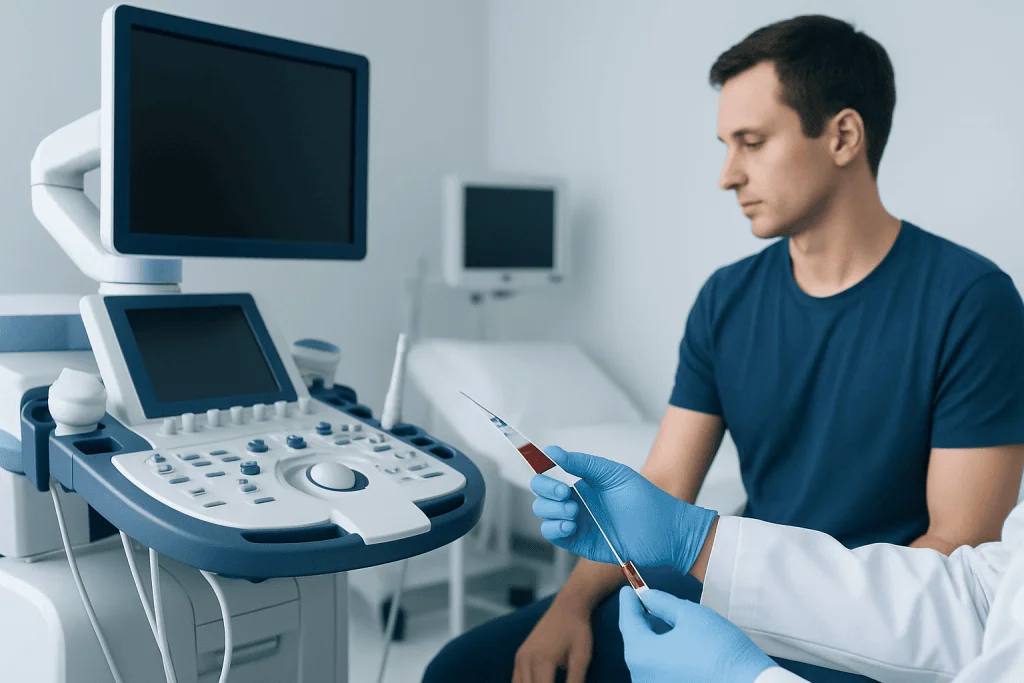
Hepatitis B spreads when infected blood or certain body fluids enter another person’s body. This most commonly happens through unprotected sexual contact, sharing needles or syringes, needlestick injuries, or from a pregnant person to the baby during childbirth. Less commonly, transmission can happen through shared items that may have microscopic blood on them, such as razors or toothbrushes.
Hepatitis B is not spread by casual social contact. It does not usually pass through hugging, holding hands, sharing utensils, sneezing, coughing, or breastfeeding if routine preventive measures are in place for the infant. This distinction matters because many people worry they may have exposed family members through normal household interactions when that is generally not how hepatitis B spreads.
In some cases, a person never identifies a clear exposure. That is not unusual. The infection can remain silent for a long time, and because many infections cause few or no early symptoms, the source may be impossible to pinpoint later. What matters most is confirming the diagnosis, understanding whether the infection is recent or chronic, and taking practical steps to prevent transmission to others.
- Possible routes of transmission include sexual contact, blood exposure, needle sharing, and childbirth.
- Casual contact, food, water, and insect bites are not typical routes of spread.
- Anyone with a positive HBsAg test should ask close contacts about hepatitis B testing and vaccination.
Symptoms and Why Many People Feel Well

One reason HBsAg often causes confusion is that the person may feel completely well. Many hepatitis B infections are asymptomatic, especially early on. Others cause mild, non-specific symptoms such as tiredness, poor appetite, nausea, low-grade fever, joint aches, or discomfort in the upper right side of the abdomen, which can easily be mistaken for a viral illness or stress.
When symptoms do occur, they may appear weeks to months after exposure. Some people notice dark urine, pale stools, itching, or yellowing of the skin or eyes. These signs can suggest liver inflammation and should prompt medical review. Still, the presence or absence of symptoms does not reliably tell whether the infection is severe, recent, or chronic.
Because hepatitis B can be silent, blood testing is central. A positive HBsAg result often leads doctors to check liver function and other hepatitis B markers even if there are no symptoms at all. This is one reason routine screening is important in pregnancy, in people with risk factors, and in those with unexplained abnormal liver tests.
Risk Factors and Who Should Consider Testing
Some situations make hepatitis B exposure more likely. These include having a sexual partner with hepatitis B, having multiple sexual partners, sharing needles or other injection equipment, working in healthcare or emergency settings with possible blood exposure, or being born to a mother with hepatitis B. Travel or residence in regions where hepatitis B is more common can also increase the chance of past exposure.
Testing is also often recommended for household contacts of someone with hepatitis B, people receiving dialysis, individuals with HIV or hepatitis C, those with elevated liver enzymes, and anyone who is pregnant. In addition, some people discover a positive HBsAg test during evaluation for another liver condition, such as fatty liver, because liver tests may overlap or be investigated together.
People sometimes worry that one isolated event definitely caused the infection. In reality, timing can be hard to determine unless there was recent documented testing. A clinician reviews past test results, vaccination history, symptoms, travel, medical procedures, sexual exposure, and blood contact to judge whether infection is likely to be recent or long-standing.
How Doctors Diagnose and Interpret a Positive HBsAg Test
If HBsAg is positive, the next step is not guesswork but structured follow-up. Doctors usually order additional blood tests, including hepatitis B core antibody, hepatitis B surface antibody, hepatitis B e antigen or related markers, liver enzyme tests, and often HBV DNA to measure the amount of virus in the blood. These tests help determine whether the infection is acute, chronic, inactive, or resolving.
Diagnosis may also include a physical examination, a review of symptoms and exposures, and liver assessment. Depending on the situation, imaging such as an ultrasound may be used to look at the liver, especially if the infection appears chronic or if liver tests are abnormal. In some patients, broader evaluation of liver health can include liver function tests and imaging to check for inflammation or scarring.
A key point is that HBsAg positivity lasting more than six months generally suggests chronic hepatitis B. That does not automatically mean severe liver disease, but it does mean ongoing medical follow-up is important. Doctors may also screen for complications, assess family members and partners, and discuss whether antiviral treatment, monitoring alone, or vaccination for close contacts is the most appropriate plan.
Treatment Options and Ongoing Monitoring
Not everyone with a positive HBsAg test needs immediate medication. Treatment depends on whether the infection is acute or chronic, the level of virus in the blood, liver enzyme results, the presence of liver inflammation or fibrosis, age, pregnancy status, and other health conditions. Many adults with acute hepatitis B recover on their own with supportive care and monitoring, while selected patients with chronic infection benefit from antiviral therapy.
For chronic hepatitis B, management may involve regular blood tests, ultrasound monitoring, lifestyle guidance, and sometimes antiviral medicines prescribed by a specialist. The goals are to reduce liver inflammation, lower the risk of cirrhosis or liver cancer, and limit transmission. Some people also need assessment by specialists in gastroenterology or liver disease if there are signs of ongoing liver injury.
If advanced scarring, severe hepatitis, or complications are suspected, more specialized treatment planning may be needed. In complex cases, evaluation can include hepatology care and multidisciplinary follow-up. Near the end of the care pathway, some international patients may choose centers such as Acibadem International, where multidisciplinary specialists in JCI-accredited hospitals diagnose and treat hepatitis B and related liver conditions.
Prevention and Self-Care After a Positive Result
The most effective prevention for hepatitis B is vaccination. People who are not immune can usually be protected through the hepatitis B vaccine series. After one person in a household tests positive, close contacts should ask a clinician whether they need testing, vaccination, or both. This can be an important and reassuring step because hepatitis B is preventable even if there has been exposure in some situations.
Someone with positive HBsAg can help protect others by not sharing razors, toothbrushes, needles, or personal items that might carry blood. Covering open cuts, using barrier protection during sex unless a doctor confirms a partner is immune, and informing healthcare professionals about the infection are also sensible precautions. Blood donation should be avoided unless a clinician confirms eligibility according to local rules.
Self-care also supports liver health. It is generally wise to avoid excess alcohol, discuss all medications and supplements with a doctor, and keep follow-up appointments even if there are no symptoms. Vaccination against hepatitis A may be recommended for some people with chronic liver disease or hepatitis B, depending on medical advice.
When to Seek Medical Care
A person should arrange medical review if HBsAg is positive, even if they feel well. Prompt evaluation is especially important during pregnancy, after a needlestick or known blood exposure, or if a sexual partner has hepatitis B. A clinician can explain what the result means, what other tests are needed, and how to reduce the chance of transmission.
Urgent medical care is needed if symptoms suggest significant liver inflammation or complications. Warning signs include yellowing of the eyes or skin, confusion, severe vomiting, unusual bleeding, marked sleepiness, severe abdominal swelling, or intense abdominal pain. These symptoms do not always mean a medical emergency, but they should not be ignored.
People who have recent exposure to hepatitis B should seek advice quickly because post-exposure prevention may be possible in some cases. Anyone uncertain about their vaccination status, test results, or next steps should discuss them with a qualified doctor rather than interpreting a single lab value alone.
Frequently asked questions
Does a positive HBsAg test always mean chronic hepatitis B?
No. HBsAg means there is a current hepatitis B infection, but it does not by itself show whether the infection is recent or chronic. Doctors usually need repeat testing and additional blood work to determine how long the infection has been present.
Can someone have HBsAg and feel completely normal?
Yes. Many people with hepatitis B have no symptoms, especially early in infection or during some chronic phases. That is why HBsAg is often found during routine screening rather than because of illness.
Can you get HBsAg from kissing, hugging, or sharing food?
Casual contact is not a typical route of hepatitis B transmission. Hepatitis B usually spreads through blood, sexual contact, shared needles, or from mother to baby during birth, not through ordinary social contact or shared meals.
If I was vaccinated against hepatitis B, can I still have HBsAg?
The hepatitis B vaccine does not cause a true hepatitis B infection. In general, vaccination leads to protective antibodies, not persistent HBsAg. If HBsAg is positive, a doctor may review the timing of recent vaccination and order confirmatory tests if needed.
What other tests are usually done after HBsAg is positive?
Doctors commonly order hepatitis B core antibody, surface antibody, viral DNA testing, and liver enzyme tests. These help show whether the infection is new or chronic, how active it is, and whether the liver is being affected.
Should family members be tested if one person has HBsAg?
Often yes, especially household contacts and sexual partners. A clinician may recommend testing for hepatitis B markers and vaccination for those who are not already immune.
References
- World Health Organization
- Centers for Disease Control and Prevention
- National Institute of Diabetes and Digestive and Kidney Diseases
- American Association for the Study of Liver Diseases
- Hepatitis B Foundation
This article is for general information only and is not a substitute for professional medical advice. Please consult a qualified doctor about your individual situation.
Explore treatments in Turkey — costs, top hospitals & a free quote
JCI-accredited · board-certified surgeons · reply within 24h
Add us as a Preferred Source to see more of our trusted health content across Google Search, AI Overviews and Discover.