Does Creatine Cause Hair Loss? Here Is What the Evidence Says

There is no strong clinical evidence that creatine directly causes hair loss. A small older study raised questions about DHT, but it did not show actual hair loss.
Key Takeaways
- There is no strong clinical evidence that creatine directly causes hair loss.
- A small older study raised questions about DHT, but it did not show actual hair loss.
- New or rapid hair shedding often has other explanations, including genetics, illness, stress, and nutrient deficiencies.
- Medical review is important if hair loss is sudden, patchy, painful, or associated with scalp changes or other symptoms.
- Doctors usually diagnose hair loss by reviewing timing, pattern, medications, supplements, scalp findings, and sometimes blood tests.
Current research does not prove that creatine directly causes hair loss. In most people, hair shedding while taking creatine is more likely to be coincidental or related to genetics, stress, nutrition, hormones, or another scalp or medical condition.
Overview: what the evidence says
For most people, creatine is not known to directly cause hair loss. The current evidence is limited, and the concern mainly comes from one small study that suggested creatine might increase a hormone linked to male pattern hair loss, but it did not show that participants actually lost hair.
That distinction matters. Hair loss is a visible clinical outcome, while hormone changes are only one possible influence among many. A person may notice shedding while using creatine and reasonably connect the two, but timing alone does not prove cause and effect.
In practice, hair shedding is often harmless and temporary, especially if it follows stress, illness, major weight change, restrictive dieting, or changes in training intensity. However, certain patterns deserve medical review, particularly rapid thinning, patchy bald spots, scalp inflammation, or hair loss accompanied by fatigue, menstrual changes, acne, or unexplained weight change.
If concern persists, a doctor can usually sort this out with a focused history, scalp examination, and selected blood tests. This helps distinguish common inherited thinning from other causes such as hair loss, nutritional deficiency, hormonal imbalance, or inflammatory scalp disease.
Why people worry about creatine and hair loss
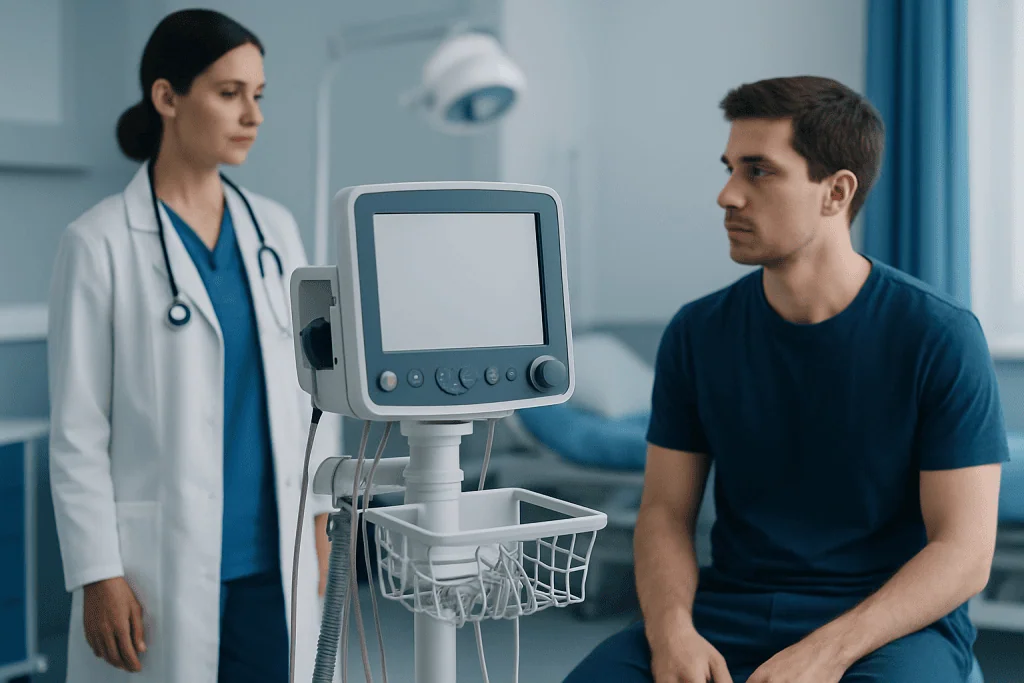
Creatine is a naturally occurring compound stored in muscle and commonly used as a sports supplement to support high-intensity exercise performance. It has been studied extensively for strength and training benefits, and it is generally discussed more often in relation to muscle, hydration, and digestion than to the scalp or hair follicles.
The concern about hair loss largely stems from discussion about dihydrotestosterone, or DHT. DHT is a hormone made from testosterone, and in people with genetic sensitivity, it can gradually shrink scalp hair follicles and contribute to androgenetic alopecia, also called male or female pattern hair loss.
A frequently cited small study in rugby players found an increase in DHT after creatine loading and maintenance. However, the study was small, short, and did not measure actual hair shedding or long-term changes in hair density. Later research has not clearly confirmed that creatine consistently raises DHT in a way that leads to noticeable hair loss.
Because hereditary hair thinning is common, many people begin to notice changes in their late teens, twenties, or thirties, which can overlap with the age when creatine use becomes more common. That overlap may make creatine seem responsible even when a person was already predisposed to thinning.
What science can and cannot say

At present, science cannot say that creatine causes hair loss. There is no strong body of clinical evidence showing that people who take creatine reliably lose hair more often than those who do not. There are also no high-quality studies proving that stopping creatine reverses hair shedding in a predictable way.
What science can say is that biology is more complex than a single supplement effect. Hair growth happens in cycles, and follicles are influenced by genetics, age, sex hormones, nutrition, thyroid function, illness, medications, stress, and scalp inflammation. In someone already prone to pattern hair loss, even a small hormonal shift could be a concern in theory, but this has not been firmly established in practice.
It is also important to separate anecdote from evidence. Online reports can be useful for raising questions, but they cannot control for confounding factors such as intense exercise, calorie deficits, use of other supplements, anabolic steroid exposure, sleep loss, or recent illness. Each of these can affect shedding or make thinning more noticeable.
For a person who is worried, a cautious and practical approach is reasonable: review all supplements and training changes, look at family history, and monitor whether hair density is actually changing over time. If hair loss is progressing, evaluation by a dermatologist or another qualified doctor is more helpful than relying on internet claims alone.
Other common causes of hair shedding and thinning
In many cases, hair loss noticed around the time of creatine use has another explanation. The most common is androgenetic alopecia, a hereditary form of gradual thinning that often affects the temples, crown, or central part line. This can begin slowly and may become more noticeable under bright light, after a haircut, or during periods of stress.
Another frequent cause is telogen effluvium, a temporary increase in shedding that can happen two to three months after a trigger such as fever, surgery, psychological stress, rapid weight loss, childbirth, or a restrictive diet. People who are training intensely may also be under-fueling, which can contribute to shedding if protein, iron, zinc, or other nutrients are inadequate.
Hormonal and medical causes should also be considered. Thyroid disorders, iron deficiency, polycystic ovary syndrome, low vitamin stores, and some medications can affect hair growth. Scalp conditions such as seborrheic dermatitis, psoriasis, or fungal infection may cause scaling, itching, and breakage. In some people, patchy loss may point toward alopecia areata, an autoimmune condition.
- Gradual thinning with family history often suggests pattern hair loss.
- Diffuse shedding after stress or illness may suggest telogen effluvium.
- Patchy bald spots may need evaluation for autoimmune or fungal causes.
- Itching, pain, redness, or scaling can suggest a scalp disorder.
- Fatigue, cold intolerance, heavy periods, or menstrual changes may point to an underlying medical issue.
How doctors evaluate possible supplement-related hair loss
Doctors usually begin by asking when the shedding started, whether it is diffuse or patchy, and how it relates to creatine use, diet, illness, stress, and other supplements or medications. They also ask about family history of thinning, recent weight changes, and symptoms that might suggest thyroid, iron, or hormone problems.
The scalp examination is important. A clinician looks for miniaturized hairs, broken hairs, inflammation, scaling, scarring, and the overall pattern of thinning. Sometimes a hair-pull test or dermoscopic exam helps clarify whether active shedding is present and what type of hair loss is most likely.
If the pattern is unclear, blood tests may be recommended. These can include tests for iron status, thyroid function, vitamin deficiencies, or selected hormones, depending on the person and symptoms. If the diagnosis remains uncertain, referral to dermatology may be useful for more specialized assessment, and some patients may benefit from evaluation in a dermatology clinic.
The goal is not only to label the problem but also to identify whether it is reversible, temporary, inherited, or linked to a treatable scalp disease. This step-by-step approach is often reassuring because it replaces guesswork with a clearer explanation.
What to do if hair shedding starts while taking creatine
If shedding begins after starting creatine, the first step is to avoid panic. Hair naturally sheds every day, and a short-term increase does not always mean permanent loss. It can help to take standardized photos in similar lighting every few weeks rather than checking the hair repeatedly from day to day.
Next, review what else changed around the same time. Increased exercise intensity, reduced calorie intake, dehydration, poor sleep, illness, or use of other performance products may be more relevant than creatine itself. Some people choose to pause creatine for a period and observe whether shedding stabilizes, but this personal trial should be discussed with a clinician if symptoms are persistent or severe.
General hair-supportive habits are worthwhile regardless of the cause. These include eating enough protein and calories, avoiding crash diets, managing stress, treating scalp irritation, and being gentle with tight hairstyles, bleaching, or high heat. If inherited thinning is confirmed, a doctor may discuss evidence-based options, and some people may be evaluated for hair restoration treatments when appropriate.
Self-treating based only on social media can delay the real diagnosis. If a person is considering multiple supplements, over-the-counter remedies, or prescription options, it is safest to review them with a qualified doctor, especially when there are other health conditions or medications involved.
When to seek medical care
Medical care is advisable if hair loss is sudden, rapid, or clearly increasing over weeks to months. Evaluation is also important if there are smooth round patches, scalp pain, redness, flaking, pus, or signs of scarring, because these features are less typical of ordinary shedding and may need prompt treatment.
People should also seek care if hair loss comes with fatigue, dizziness, unexpected weight change, menstrual irregularity, acne, increased facial hair, or symptoms of thyroid disease. These clues can point to iron deficiency, hormone imbalance, or another underlying condition rather than a supplement effect alone.
If the main concern is hereditary thinning, early assessment may still be useful because treatment tends to work best before substantial follicle miniaturization occurs. In some cases, doctors may also coordinate care with specialists in endocrinology if hormonal questions are part of the picture.
Near the end of the evaluation pathway, some patients benefit from multidisciplinary care. Acibadem International’s specialists in dermatology, endocrinology, and related fields at JCI-accredited hospitals diagnose and treat hair and scalp concerns for international patients when further assessment is needed.
Frequently asked questions
Does creatine cause hair loss in everyone who takes it?
No. Current evidence does not show that creatine directly causes hair loss in everyone, or even in most people who use it. If shedding happens, another factor such as genetics, stress, illness, diet, or a scalp condition is often more likely.
Can creatine raise DHT levels?
A small older study suggested creatine might increase DHT, but this finding has not been consistently confirmed in later research. Even if DHT changes slightly, that does not automatically mean a person will develop noticeable hair loss.
If I stop creatine, will my hair grow back?
That depends on the true cause of the shedding. If hair loss is due to a temporary trigger such as telogen effluvium, regrowth often occurs over time, while hereditary pattern hair loss may continue unless it is medically managed.
How can someone tell whether creatine is really the cause?
It is often difficult to know without a proper history and exam. Doctors look at the timing, pattern of hair loss, family history, recent stress or illness, nutrition, medications, and scalp findings before deciding whether creatine is likely to be relevant.
Is hair shedding after starting a workout program always from supplements?
No. Changes in exercise, calorie intake, body weight, sleep, and stress can all affect hair cycling. Sometimes the supplement gets blamed when the more important issue is under-fueling, illness, or the natural timing of inherited hair thinning.
When should someone be concerned about hair loss?
Medical review is a good idea if hair loss is sudden, patchy, painful, inflamed, or associated with other symptoms such as fatigue or menstrual changes. It is also sensible to seek help if thinning continues to worsen or causes significant distress.
References
- American Academy of Dermatology
- National Institutes of Health
- British Association of Dermatologists
- Mayo Clinic
- Cochrane
This article is for general information only and is not a substitute for professional medical advice. Please consult a qualified doctor about your individual situation.
Hair transplant in Turkey — costs, graft counts & a free assessment
JCI-accredited · board-certified surgeons · reply within 24h
Check your numbers in seconds
BMI, calories, due date, blood pressure and 30+ more clinical calculators — free, instant, doctor-reviewed ranges.