How to Stop Sneezing? A Doctor-Reviewed Answer

Most sneezing is harmless and happens when the nose reacts to irritation, allergies, or a mild infection. The best way to stop sneezing is to remove or reduce the trigger rather than only suppress the symptom.
Key Takeaways
- Most sneezing is harmless and happens when the nose reacts to irritation, allergies, or a mild infection.
- The best way to stop sneezing is to remove or reduce the trigger rather than only suppress the symptom.
- Saline rinses, hydration, humidified air, and allergy treatment can often provide relief.
- Repeated sneezing with nasal congestion, itching, or watery eyes commonly suggests allergies.
- Medical review is important if sneezing is persistent, severe, or linked with breathing trouble, fever, facial pain, or nosebleeds.
Sneezing is usually a normal protective reflex that helps clear irritants from the nose. To stop sneezing, the most helpful step is to identify and reduce the trigger—such as allergies, infection, dry air, strong smells, or dust—while using simple measures like saline nasal rinses, hydration, and appropriate medical care when symptoms persist.
Overview: how to stop sneezing
For most people, sneezing is harmless and short-lived. It is the body’s natural way of clearing the nasal passages when something irritates the lining of the nose. When asking how to stop sneezing, the most effective answer is usually simple: move away from the trigger, gently clear the nose, and treat the underlying cause if sneezing keeps coming back.
Sneezing may happen because of dust, pollen, pet dander, smoke, perfume, cold air, a viral infection, or dryness inside the nose. In many cases, symptoms improve with practical steps such as saline nasal spray or rinses, drinking enough fluids, and avoiding irritants. If allergies are the cause, targeted allergy treatment may help more than general home remedies.
Although sneezing is often minor, some patterns deserve attention. Medical review is sensible if sneezing is ongoing, interferes with sleep or daily life, or happens with wheezing, facial pain, fever, thick discolored mucus, frequent nosebleeds, or signs of an allergic reaction. A doctor can then look for causes such as allergic rhinitis or infection and guide treatment safely.
What sneezing is and why it happens
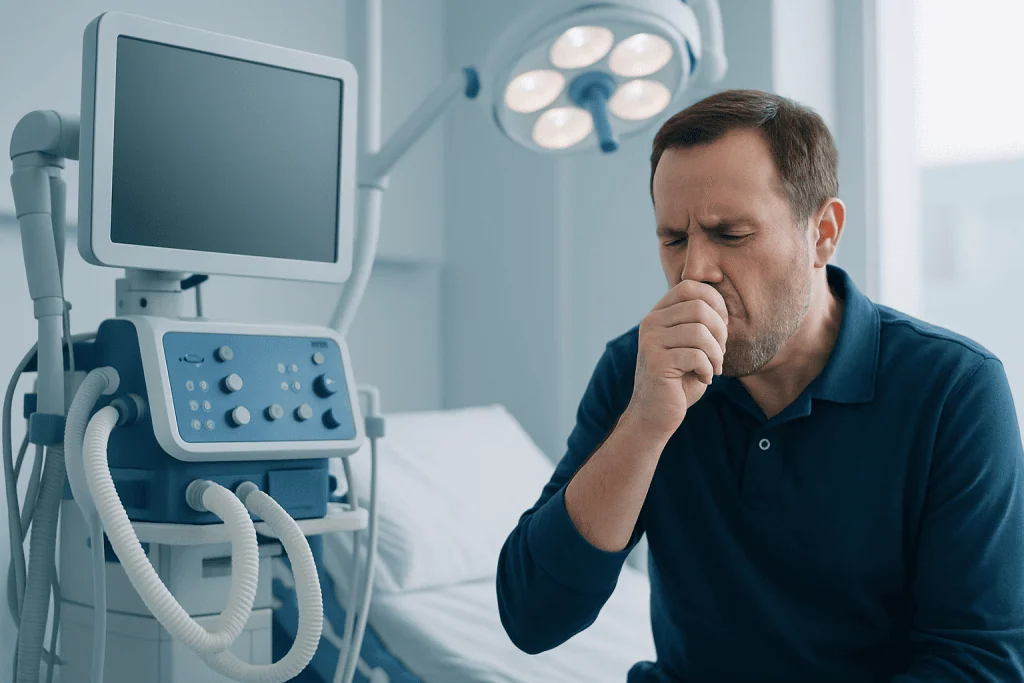
A sneeze is a reflex. When sensitive nerve endings in the nose detect irritation, they send signals to the brain, which then triggers a sudden forceful release of air through the nose and mouth. This helps remove particles, mucus, and irritants from the upper airway.
The nasal lining is highly responsive. Very small exposures to pollen, mold, dust, smoke, animal dander, cleaning products, or temperature changes can set off repeated sneezing in some people. Others may sneeze in bright sunlight, after eating certain foods, or when moving from a warm room into cold outdoor air.
Sneezing on its own is not usually dangerous. What matters more is the pattern around it. A short burst after exposure to dust may simply be a normal reflex, while frequent sneezing with itching, congestion, and watery eyes often points toward allergies. Sneezing with sore throat, fatigue, or fever may fit better with a viral illness such as a common cold.
Common causes and triggers

The most common reason for repeated sneezing is irritation inside the nose. This can happen because of environmental triggers or because the nose is inflamed by allergy or infection. Understanding the trigger is often the key to lasting relief.
Common causes include:
- Allergies to pollen, dust mites, mold, or pets
- Viral infections such as the common cold
- Nonallergic rhinitis, in which the nose reacts to odors, smoke, weather changes, or spicy foods
- Dry air that irritates the nasal lining
- Exposure to cigarette smoke, air pollution, perfumes, or cleaning chemicals
- Nasal irritants or structural issues that make the nose more sensitive
People who sneeze repeatedly at certain times of year may have seasonal allergies. Those who sneeze mostly indoors may be reacting to dust mites, pet dander, or mold. Sneezing that starts suddenly with congestion and sore throat may be more consistent with a viral upper respiratory infection. If symptoms are frequent or difficult to explain, an ENT or allergy evaluation can help separate allergy from nonallergic causes.
In some cases, ongoing nasal inflammation is linked with sinus problems or growths inside the nose, such as nasal polyps. These conditions do not always cause sneezing alone, but they may contribute to chronic irritation, blockage, and poor nasal airflow.
What can help stop sneezing at home
Home care can be very effective when sneezing is mild and there are no warning signs. The goal is to calm the nasal lining and reduce contact with whatever is triggering the reflex. Relief often comes from a combination of environmental changes and gentle symptom care.
Helpful steps include:
- Leave or ventilate areas with smoke, perfume, dust, or strong cleaning products
- Use saline nasal spray or a saline rinse to wash out irritants and mucus
- Drink enough fluids to keep mucus thinner and the nose less dry
- Use a humidifier if indoor air is dry, while keeping the device clean
- Shower and change clothes after heavy pollen exposure
- Wash bedding regularly and reduce dust accumulation at home
If allergies are suspected, over-the-counter treatments may help some people, but they should be used according to a pharmacist’s or doctor’s advice, especially in children, during pregnancy, or if there are other health conditions. A clinician may recommend a tailored approach that can include allergy treatment when symptoms are frequent or seasonal.
It is generally better not to hold in a sneeze forcefully. Sneezing is a protective reflex, and suppressing it completely may be uncomfortable. Instead, focus on reducing the trigger and calming the nasal passages.
When sneezing may point to allergies, a cold, or another condition
The pattern of symptoms often gives useful clues. Allergies commonly cause repeated sneezing together with an itchy nose, itchy eyes, clear runny mucus, and symptoms that worsen around pollen, pets, dust, or certain indoor spaces. A cold is more likely if sneezing is followed by sore throat, tiredness, body aches, or low fever.
Some people have nonallergic rhinitis, which can look similar to allergy but is triggered by irritants such as fragrance, pollution, weather changes, alcohol, or spicy foods. In that setting, sneezing may come and go without a clear infection and without positive allergy tests. Ongoing congestion, postnasal drip, or pressure may suggest a broader nasal or sinus problem such as sinusitis.
Less commonly, persistent sneezing may be linked with medication effects, hormone changes, occupational exposure to dust or chemicals, or structural issues in the nose. These possibilities become more relevant when symptoms last for weeks, recur often, or do not respond to basic care.
How doctors diagnose the cause
If sneezing is persistent, a doctor will usually begin with a careful history. This includes when the sneezing started, whether it happens seasonally or year-round, what exposures trigger it, and whether there are related symptoms such as itching, congestion, facial pain, coughing, wheezing, or fever. Home, work, and pet exposure can be important clues.
The physical examination often focuses on the nose, throat, ears, eyes, and chest. Doctors look for signs of nasal swelling, clear or thick mucus, throat irritation from postnasal drip, and features that suggest allergy, infection, or chronic inflammation. Depending on the findings, the next steps may vary.
When allergy is suspected, testing may be considered to identify likely triggers and guide treatment. If structural problems, polyps, or chronic sinus disease are possible, an ENT specialist may recommend nasal endoscopy or imaging. In selected cases, evaluation may connect patients to ENT care or a broader medical check-up to assess recurring symptoms in a more complete way.
Treatment options for persistent sneezing
Treatment depends on the cause. For allergies, reducing exposure to triggers is important, and a doctor may recommend medications that calm nasal inflammation. For a viral infection, treatment is usually supportive while the illness passes. If irritants at home or work are responsible, symptom control often improves only after the exposure is reduced.
Some patients benefit from prescription nasal therapies, especially when congestion, inflammation, or seasonal symptoms are ongoing. Others may need treatment for an underlying condition such as chronic sinus inflammation, significant nasal blockage, or recurring allergy symptoms that disrupt sleep and concentration.
Specialist care may be helpful if symptoms are long-lasting, severe, or difficult to manage. In some situations, management may involve immunotherapy for confirmed allergies or further ENT assessment for structural or inflammatory nasal problems. The aim is not simply to stop the sneeze reflex, but to treat the reason the nose is being triggered repeatedly.
Near the end of the care pathway, some patients choose evaluation in centers that combine ENT, allergy, and imaging services. Acibadem International’s multidisciplinary specialists in JCI-accredited hospitals diagnose and treat nasal, sinus, and allergy-related conditions for international patients when more detailed assessment is needed.
When to seek medical care
Sneezing should be assessed by a doctor if it continues for weeks, keeps returning without a clear reason, or significantly affects sleep, work, or quality of life. Ongoing symptoms may point to allergy, chronic nasal inflammation, sinus disease, or another treatable condition.
Prompt medical advice is especially important if sneezing happens with shortness of breath, wheezing, chest tightness, facial swelling, hives, high fever, severe facial pain, thick discolored nasal discharge, or frequent nosebleeds. These symptoms may suggest a more significant allergic reaction, respiratory problem, or infection that needs proper evaluation.
Children, older adults, pregnant patients, and people with asthma or chronic lung disease may need earlier guidance, because nasal symptoms can affect breathing comfort and sleep more noticeably in these groups. A qualified clinician can help decide whether symptoms are due to a mild irritation or something that requires specific treatment.
Frequently asked questions
How can a person stop sneezing quickly?
The quickest relief often comes from stepping away from the trigger and gently clearing the nose with saline spray or a saline rinse. Fresh air, hydration, and avoiding smoke, dust, or strong scents can also help calm the nasal lining.
Why do some people keep sneezing over and over?
Repeated sneezing usually means the nose is still being irritated or inflamed. Common reasons include allergies, a cold, dry air, strong odors, smoke, or nonallergic rhinitis.
Is sneezing usually a sign of allergy or infection?
It can be either, and the surrounding symptoms often help tell the difference. Itching, watery eyes, and clear runny mucus suggest allergy, while sore throat, tiredness, and fever are more typical of infection.
Can dry air make sneezing worse?
Yes. Dry indoor air can irritate the lining of the nose, making it more sensitive and more likely to trigger sneezing. Humidified air and saline sprays may help reduce that irritation.
Should a person worry about frequent sneezing?
Frequent sneezing is often not serious, but it should not be ignored if it is persistent or disruptive. Medical review is sensible if it lasts for weeks or comes with breathing problems, fever, facial pain, or nosebleeds.
Can holding in a sneeze stop the problem?
Holding in a sneeze does not treat the cause and is generally not the best strategy. It is usually safer and more effective to address the trigger, such as allergens, dryness, or irritants.
References
- American Academy of Allergy, Asthma & Immunology
- American College of Allergy, Asthma & Immunology
- National Institute of Allergy and Infectious Diseases
- Centers for Disease Control and Prevention
- American Academy of Otolaryngology–Head and Neck Surgery
This article is for general information only and is not a substitute for professional medical advice. Please consult a qualified doctor about your individual situation.
Explore treatments in Turkey — costs, top hospitals & a free quote
JCI-accredited · board-certified surgeons · reply within 24h
Add us as a Preferred Source to see more of our trusted health content across Google Search, AI Overviews and Discover.

More from the Health Library



Related Specialists

Dr. Volkan Demirdöğen
Anesthesiology
Assoc. Prof. Dr. Ahmet Özveren
Medical Oncology
Dr. Özlem Altay Yücel
Pediatrics
Dr. Cansu Hemşinlioğlu
Inpatient Clinic Physicians Clinical Service