Breast Buds: A Complete Clinical Guide for Patients
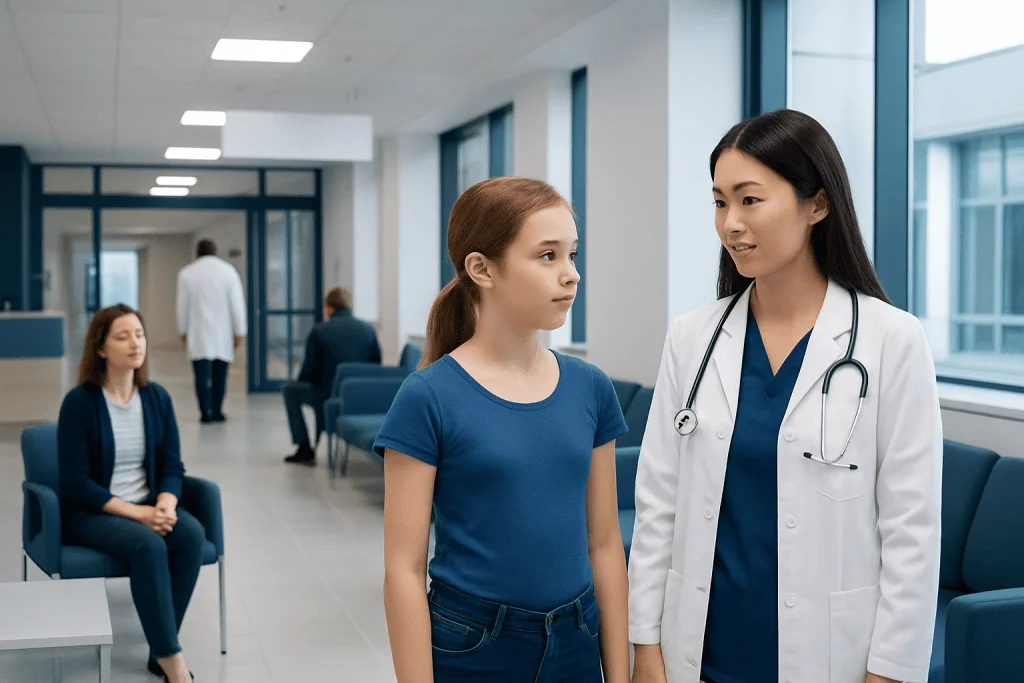
Breast buds are usually a normal first stage of puberty and feel like a small firm disc under the nipple. They may appear on one side before the other and can be mildly tender or sensitive.
Key Takeaways
- Breast buds are usually a normal first stage of puberty and feel like a small firm disc under the nipple.
- They may appear on one side before the other and can be mildly tender or sensitive.
- Breast bud development is driven by hormones and varies widely in timing from one child to another.
- Medical review is important if breast changes happen very early, are associated with redness or fever, or include bloody discharge.
- Most breast buds do not need treatment, but persistent concerns can be assessed by a pediatrician, family doctor, or pediatric endocrinologist.
Breast buds are the first visible and palpable sign of breast development, most often appearing as small, tender lumps beneath one or both nipples during puberty. In most cases they are a normal part of growth, though unusual timing, pain, redness, or discharge may need medical evaluation.
What are breast buds?
Breast buds are small, firm, button-like areas of tissue that develop under the nipple and areola at the start of breast growth. They are usually the earliest sign that puberty-related hormonal changes have begun. For many children and families, they can feel surprising because they often resemble a small lump, but in the right age range they are commonly a normal part of development.
Breast budding most often happens in girls, but temporary breast tissue changes can also occur in newborns and sometimes in boys under the influence of hormones. In puberty, breast buds form as estrogen begins to stimulate breast tissue. The area may look slightly raised, and the nipple or areola can become more prominent.
Breast buds do not grow at exactly the same pace in every person. One side may start before the other, and asymmetry is very common in the early months or even years of development. Mild tenderness, especially when touched, can also be normal.
Because a breast bud can feel like a lump, families sometimes worry about infection, injury, or a more serious condition. Most of the time, however, breast buds are simply a sign of normal puberty rather than disease.
How breast buds usually feel and look
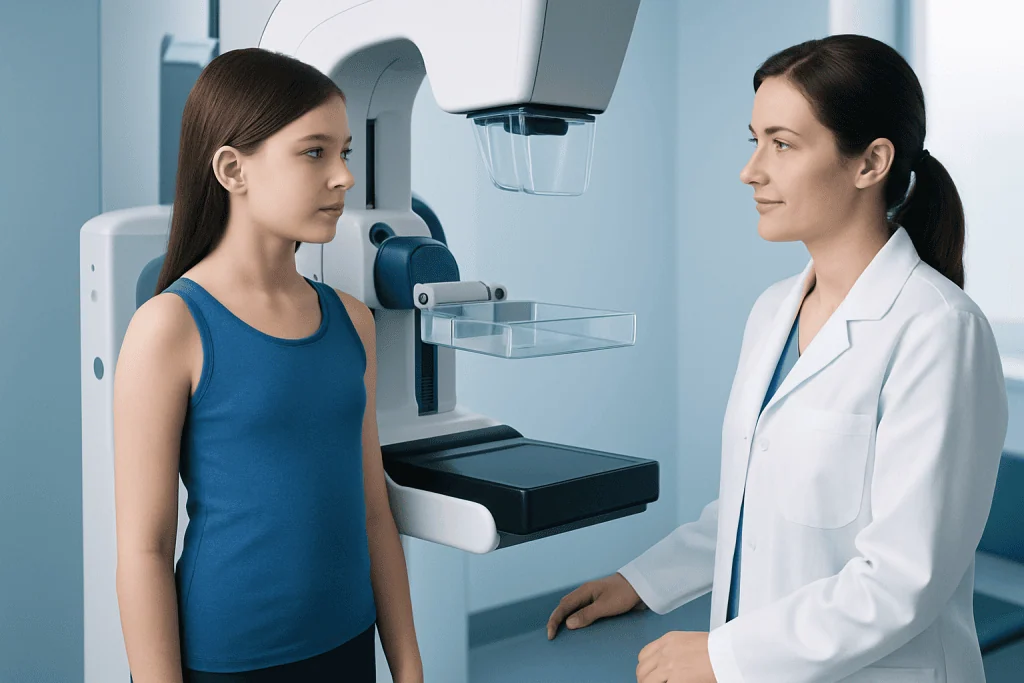
A breast bud is typically felt directly under the nipple as a firm, rubbery, round or oval disc. It may be about the size of a pea or nickel when first noticed, and it tends to sit centrally rather than in a random location in the breast area. The surrounding areola may widen slightly and become a little more raised.
It is common for breast buds to be sensitive. A child may mention soreness when changing clothes, lying on the stomach, or during sports. This discomfort is usually mild and comes from tissue growth rather than illness.
Many families are concerned when one breast develops before the other. Uneven timing is usually normal. In early puberty, one breast bud may be obvious while the other is barely noticeable, and the sizes can remain different for some time before evening out.
Normal breast buds do not usually cause significant skin redness, warmth, severe pain, or fever. If those features are present, a doctor may need to look for another explanation such as inflammation, infection, trauma, or a different breast condition.
Why breast buds happen and who gets them
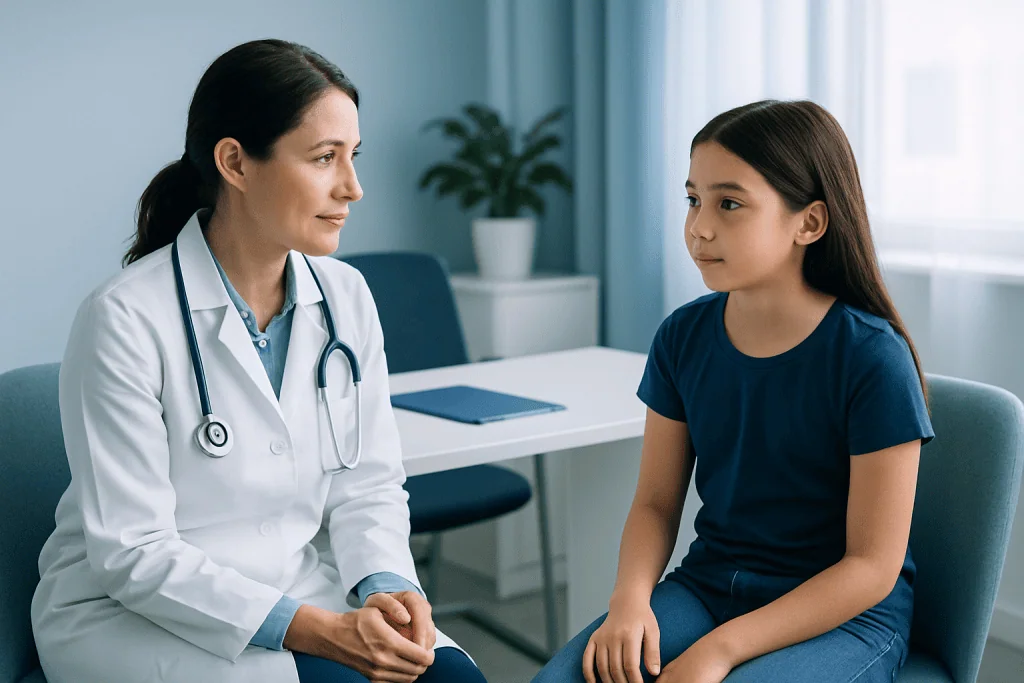
Breast buds develop because of normal hormonal signaling during puberty. The brain, ovaries, adrenal glands, and other parts of the endocrine system work together to start physical maturation. Estrogen plays a central role in breast tissue growth, while overall body growth and genetics also influence when budding begins and how quickly it progresses.
The age at which breast buds appear can vary considerably. Family patterns, body composition, nutrition, and general health may all affect timing. In many children, breast budding is one of the first signs of puberty, but it is not the only marker. Growth spurts, body odor changes, pubic or underarm hair, and later menstrual periods are also part of the broader pubertal process.
Not every breast-area lump in childhood is a breast bud. Doctors may sometimes consider other possibilities, especially if the timing is unusual or the lump is not centered under the nipple. These may include a benign cyst, injury-related swelling, infection, or hormone-related conditions. If there are concerns about very early puberty, a doctor may evaluate for precocious puberty.
In newborns, small breast buds can occur temporarily because of maternal hormones and usually settle on their own. In boys or adolescents, breast-area tissue enlargement may reflect gynecomastia, which has different causes and evaluation pathways than typical female pubertal breast budding.
When breast buds are normal and when they may need assessment
Most breast buds are normal when they appear within the expected age range for puberty and gradually enlarge over time. Mild asymmetry, tenderness, and slow change are usually reassuring features. A child who otherwise seems well and is developing gradually often does not need any treatment beyond observation and routine medical checkups.
Doctors may want to assess breast buds if they appear unusually early, if growth is very rapid, or if there are other signs of early puberty. Evaluation may also be needed if a lump is far from the nipple, feels very irregular, or is associated with significant swelling on only one side. The same is true if there is persistent severe pain or a firm mass that does not fit the usual pattern of a breast bud.
Red-flag signs include fever, skin redness, warmth, nipple discharge that is bloody or pus-like, and recent trauma with ongoing swelling. These findings are less typical of normal breast development and may point to infection, inflammation, or another breast problem. Families should not try to squeeze, massage, or repeatedly examine the area, as that can increase tenderness.
For children with early or concerning pubertal changes, a clinician may suggest assessment by a pediatric specialist. Depending on the situation, this can include review by pediatric endocrinology to better understand hormone timing and development.
How doctors evaluate breast buds
Diagnosis usually starts with a detailed history and physical examination. The doctor will ask when the change was first noticed, whether it is painful, whether one or both sides are involved, and whether there are other signs of puberty. Growth patterns, family history, medications, and general health are also important.
On examination, the clinician checks the size, location, and feel of the tissue and looks for skin changes or signs of infection. In typical cases, no testing is needed. A normal breast bud has a characteristic central location beneath the nipple and fits the overall picture of early puberty.
If the timing is unusual or the findings are not straightforward, additional evaluation may be recommended. This may include hormone-related blood tests, bone age imaging, or an ultrasound of the breast to better characterize a lump. Breast ultrasound is often preferred in younger patients because it can distinguish solid tissue from fluid-filled changes without radiation and may be arranged through breast ultrasound.
In selected cases, the medical team may also assess broader hormonal development or menstrual concerns. If puberty appears to be starting too early or progressing quickly, referral for specialist endocrine assessment may help clarify whether monitoring or treatment is needed.
Treatment, monitoring, and self-care
Most breast buds do not require treatment. The usual approach is reassurance, observation, and routine follow-up if needed. Families are often advised to watch for gradual development rather than checking the area frequently, since repeated pressing can make the tissue more sore and can increase anxiety.
Simple comfort measures can help if the area is tender. A soft, supportive bra or camisole may reduce friction in older children. Loose clothing and avoiding direct pressure during sleep or sports can also make the area feel better. Medicines should only be used if recommended by a healthcare professional for age-appropriate pain relief.
If breast budding is part of a condition such as early puberty, treatment depends on the cause rather than on the breast bud itself. Doctors focus on the underlying hormonal pattern, growth rate, and overall health. In some cases, no intervention is needed beyond monitoring; in others, specialist care may be appropriate.
When a breast lump turns out not to be a normal breast bud, treatment is guided by the diagnosis. Imaging, follow-up exams, or referral to a breast specialist may be considered. If further breast assessment is needed later in adolescence or adulthood, options such as breast check-up can help evaluate symptoms in a structured way.
When to seek medical care
Medical care should be sought if breast buds appear at an unusually early age, especially if there are other signs of puberty such as rapid growth, pubic hair, or body odor changes. A clinician can determine whether the timing is still within a normal range or whether further evaluation is needed.
Prompt review is also important if the area becomes red, hot, markedly swollen, or very painful, or if the child has fever. Nipple discharge, particularly if bloody or pus-like, should always be assessed. A lump that is clearly away from the nipple or that continues to enlarge in an unusual way also deserves attention.
Families should seek advice if asymmetry seems extreme or persistent, or if the breast change is causing significant worry, embarrassment, or discomfort. Even when the cause is benign, a professional explanation can be very reassuring and can prevent unnecessary stress.
Near the end of the diagnostic pathway, some families may benefit from coordinated specialist input. Acibadem International’s multidisciplinary specialists and JCI-accredited hospitals evaluate breast and puberty-related concerns for international patients when more detailed assessment is needed.
Frequently asked questions
Are breast buds normal?
Yes. Breast buds are usually a normal early sign of puberty and often represent the first stage of breast development. They commonly feel like a small firm lump directly under the nipple and may be tender.
Can breast buds happen on only one side first?
Yes, one breast often starts developing before the other. This uneven timing is common in early puberty and usually becomes less noticeable over time. A doctor should evaluate it if the difference is very large, painful, or associated with skin changes.
Do breast buds hurt?
They can. Mild soreness or sensitivity is common because the tissue is growing and can be irritated by pressure or friction. Severe pain, redness, warmth, or fever is less typical and should be checked by a healthcare professional.
At what age do breast buds usually appear?
The timing varies from child to child, and there is a normal range. Breast budding often happens during the first part of puberty, but doctors look at the whole pattern of growth and development rather than a single age alone. If changes start unusually early, medical advice is important.
How can someone tell the difference between a breast bud and a concerning lump?
A breast bud is usually centered directly under the nipple and feels like a firm, rubbery disc. A concerning lump may be located away from the nipple, feel irregular, cause marked skin changes, or come with discharge, fever, or increasing pain. If there is any uncertainty, a doctor can examine it and decide whether imaging is needed.
Do breast buds need treatment?
Usually not. Most breast buds only need reassurance and observation because they are part of normal development. Treatment is considered only if there is an underlying condition, such as infection or unusually early puberty.
References
- American Academy of Pediatrics
- National Institute of Child Health and Human Development
- Centers for Disease Control and Prevention
- Merck Manual Professional Edition
- Endocrine Society
This article is for general information only and is not a substitute for professional medical advice. Please consult a qualified doctor about your individual situation.
Explore treatments in Turkey — costs, top hospitals & a free quote
JCI-accredited · board-certified surgeons · reply within 24h
Add us as a Preferred Source to see more of our trusted health content across Google Search, AI Overviews and Discover.

More from the Health Library



Related Specialists

Assoc. Prof. Dr. Pınar Kahraman Koytak
Neurology
Prof. Dr. Yaman Tokat
General Surgery
Dr. Tural Khalilov
Orthopedic Surgery & Traumatology
Dt. Oğuzhan Hakan Özdemir
Oral & Dental Health