

Duane Syndrome: Early Signs, Risk Factors, and How It Is Treated

Duane syndrome is present at birth and affects eye movement, most often in one eye. Common early signs include limited outward or inward eye movement, eye misalignment, and a habitual head turn.
Key Takeaways
- Duane syndrome is present at birth and affects eye movement, most often in one eye.
- Common early signs include limited outward or inward eye movement, eye misalignment, and a habitual head turn.
- Many children have mild cases, but an eye specialist should assess vision, alignment, and head posture early.
- Treatment is individualized and may include observation, glasses, patching for amblyopia, prism lenses, or eye muscle surgery.
- Regular follow-up helps protect visual development and detect related eye problems.
Duane syndrome is a congenital eye movement disorder in which one eye does not move normally because the muscles and nerves controlling it developed differently before birth. Treatment depends on symptoms and may include monitoring, glasses, prism lenses, or surgery to improve eye alignment and head posture.
Overview: What duane syndrome is
Duane syndrome is a rare congenital eye movement disorder. It happens when the nerve supply to certain eye muscles develops differently before birth, so one eye cannot move fully in one or more directions. The condition may also cause the eye to pull back slightly into the socket when looking inward, which is why it is also called duane retraction syndrome.
In many people, duane syndrome affects only one eye, and the left eye is commonly involved. Some children have only mild movement limitation, while others also develop noticeable eye misalignment, an unusual head posture, or double vision in certain gaze positions. Symptoms can vary widely, even within the same family.
Although the condition is present from birth, parents often first notice it when a baby or young child starts tracking objects, looking to the side, or holding the head in a turned position. Early evaluation by a pediatric ophthalmologist is important because treatment focuses not only on eye movement, but also on preserving normal visual development.
Early signs and symptoms
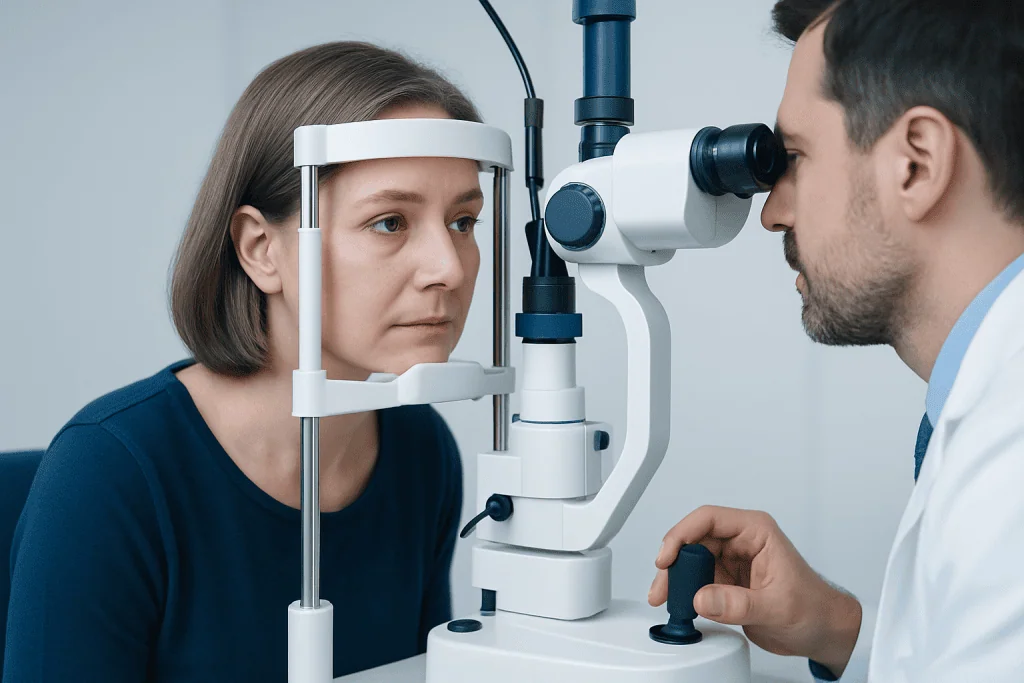
The earliest clues to duane syndrome are often subtle. A parent may notice that one eye does not move outward normally, that the eyes do not appear straight in some directions of gaze, or that the child turns the face to keep vision comfortable. In mild cases, the condition may only become clear during a routine eye exam.
Typical signs and symptoms can include:
- Limited ability to move one eye outward toward the ear
- Sometimes limited inward movement toward the nose
- Crossed eyes or outward drifting in certain gaze positions
- Head turn or chin position used to keep the eyes aligned
- Eye retraction or narrowing of the eyelid opening when looking inward
- Occasional double vision, especially in older children or adults
- Reduced vision in one eye if amblyopia develops
Not every child has all of these features. Some mainly have restricted eye movement, while others are brought to medical attention because of a persistent head turn. A careful exam helps distinguish duane syndrome from other causes of strabismus and abnormal eye movement.
Causes and risk factors

Duane syndrome is caused by abnormal development of the sixth cranial nerve, which normally controls the lateral rectus muscle that moves the eye outward. In many cases, this nerve is absent or underdeveloped, and another nerve may partly supply the muscle instead. This unusual wiring can make the eye move in a limited or uncoordinated way.
The condition is congenital, meaning it begins during fetal development. Most cases occur sporadically, with no clear family history. Less commonly, duane syndrome can run in families or occur as part of a broader syndrome involving the skeleton, ears, kidneys, or nervous system. For that reason, doctors may ask about birth history, developmental milestones, hearing, and any other congenital differences.
Risk factors are not fully understood, and parents should know that nothing they did caused the condition. Duane syndrome is more commonly diagnosed in females than males and usually affects one eye, although both eyes can be involved. If a child has other developmental findings, the ophthalmologist may recommend a broader pediatric or genetic evaluation.
How duane syndrome is diagnosed
Diagnosis usually begins with a detailed eye examination. The eye specialist checks how each eye moves, whether the eyes are aligned in different directions of gaze, whether the eyelids narrow when the child looks inward, and whether a head turn is present. Visual acuity testing is also important to detect reduced vision or amblyopia.
Doctors often classify duane syndrome by the movement pattern. In the most common form, outward movement is limited; in other forms, inward movement or both inward and outward movement may be restricted. This classification helps guide treatment decisions and helps distinguish the condition from other eye muscle or nerve disorders.
Further tests are not always needed, but some children may benefit from imaging or other assessments if the findings are unusual or if other medical concerns are present. The evaluation may also include screening for refractive errors, binocular vision problems, and related conditions that can influence management. If surgery is being considered, measurements of eye alignment in several gaze positions are especially important.
Families may also be referred for pediatric ophthalmology care to monitor visual development over time. In complex cases, coordination with neurology, genetics, or pediatrics may be helpful.
Treatment options and long-term outlook
Treatment for duane syndrome is individualized. Many children do not need immediate surgery, especially if their eyes are straight in the primary position, vision is developing well, and head posture is minimal. In these cases, regular follow-up is important to monitor alignment, visual acuity, and any signs of amblyopia.
Non-surgical treatment may include glasses to correct refractive errors, patching if amblyopia develops, or prism lenses in selected cases to reduce symptoms in the child’s usual gaze position. These measures do not restore normal nerve function, but they can improve comfort and support healthy vision development.
Surgery may be recommended when there is a significant head turn, marked eye misalignment in the straight-ahead position, troublesome upshoots or downshoots, or cosmetically important retraction. Procedures are designed to improve alignment and reduce abnormal head posture rather than create completely normal eye movements. A pediatric eye surgeon may discuss strabismus surgery when the benefits are likely to outweigh the limitations.
The long-term outlook is often good, especially when vision is monitored early and treated when needed. Many children adapt very well and participate fully in school, sports, and daily life. When care is coordinated carefully, treatment can address both function and appearance in a realistic, patient-centered way.
Prevention and self-care
There is no known way to prevent duane syndrome because it develops before birth. However, early recognition and follow-up can prevent complications related to visual development, especially amblyopia. This is why routine pediatric vision screening and timely specialist referral matter.
At home, parents can watch for signs that the child is turning the head more often, squinting, closing one eye in bright light, or complaining of double vision. Keeping regular eye appointments helps the care team adjust treatment as the child grows and visual demands change.
Supportive self-care may include making sure prescribed glasses or patches are used consistently, encouraging comfortable reading and screen habits, and informing teachers if a child prefers a particular seating position. Children with duane syndrome usually do not need broad activity restrictions, but any concerns about visual comfort during sports or schoolwork should be discussed with the doctor.
When to seek medical care
A child should be evaluated by an eye specialist if one eye does not move normally, the eyes seem crossed or uneven, or there is a persistent head turn. Medical advice is also important if a child frequently tilts the head to look at objects, seems to avoid side gaze, or has unusual narrowing of one eyelid opening when looking inward.
Prompt review is especially helpful if there are signs of reduced vision, eye strain, headaches related to eye use, or new double vision. Although duane syndrome itself is congenital, similar symptoms can sometimes have other causes, so a professional assessment is the safest way to confirm the diagnosis.
Near the end of the care pathway, some families may seek multidisciplinary support for diagnosis and treatment planning. Acibadem International’s specialists in eye care and its JCI-accredited hospitals evaluate and treat conditions such as amblyopia and complex ocular alignment problems for international patients.
Living with duane syndrome
Living with duane syndrome often means regular observation rather than constant treatment. Many children and adults function very well once they understand their visual pattern and receive appropriate follow-up. A clear diagnosis can also reassure families that the condition is developmental and usually manageable.
Emotional and social support can matter, especially if a child is self-conscious about eye appearance or head posture. Simple explanations for teachers, relatives, or caregivers may help others understand that the condition affects eye movement, not intelligence or overall ability.
Ongoing care may involve periodic vision checks, monitoring for lazy eye in younger children if not already addressed, and revisiting treatment choices if symptoms change over time. In selected cases, a specialist in ophthalmology can help review whether non-surgical or surgical options are most appropriate at different stages of life.
Frequently asked questions
Is duane syndrome present from birth?
Yes. Duane syndrome is a congenital condition, which means it develops before birth even if it is not noticed right away. Parents often recognize it later when a child starts looking around more actively or develops a head turn.
Can duane syndrome get worse over time?
The underlying nerve pattern is congenital and does not usually progress like a degenerative disease. However, symptoms such as head posture, eye alignment concerns, or visual strain may become more noticeable as a child grows, which is why follow-up is important.
Does every child with duane syndrome need surgery?
No. Many children are managed without surgery if their eyes are reasonably aligned in the straight-ahead position and vision is developing normally. Surgery is generally considered when there is a significant head turn, noticeable misalignment, or other bothersome mechanical effects.
Can duane syndrome cause vision loss?
Duane syndrome itself mainly affects eye movement, but some children may develop amblyopia, also called lazy eye, or have refractive errors that reduce vision if not treated. Early eye exams help protect visual development.
Is duane syndrome hereditary?
Most cases are sporadic, meaning they occur without a family history. A smaller number of cases may be inherited or linked with broader syndromes, so doctors may ask about family and developmental history if needed.
How is duane syndrome different from ordinary crossed eyes?
Crossed eyes, or strabismus, describe misalignment of the eyes, while duane syndrome is a specific congenital eye movement disorder caused by abnormal nerve and muscle control. Some people with duane syndrome also have strabismus, but the movement limitation and eye retraction pattern help distinguish it.
References
- American Association for Pediatric Ophthalmology and Strabismus
- National Eye Institute
- National Organization for Rare Disorders
- American Academy of Ophthalmology
This article is for general information only and is not a substitute for professional medical advice. Please consult a qualified doctor about your individual situation.
Joint and spine care in Turkey — expert assessment & treatment
JCI-accredited · board-certified surgeons · reply within 24h
Add us as a Preferred Source to see more of our trusted health content across Google Search, AI Overviews and Discover.

More from the Health Library



Related Specialists

Prof. Dr. Bülent Saçak
Aesthetic Plastic & Reconstructive Surgery
Assoc. Prof. Dr. Mehmet Köstek
General Surgery
Dr. Vildan Şengöz
Dermatology
Embriyolog Hasan Benli
Vitro Fertilization and Reproductive Medicine Center