Swollen Testicle: Possible Causes and When to Seek Care

A swollen testicle is a symptom, not a diagnosis, and the cause may range from mild to urgent. Sudden swelling with significant pain, nausea, or a high-riding testicle needs emergency medical attention.
Key Takeaways
- A swollen testicle is a symptom, not a diagnosis, and the cause may range from mild to urgent.
- Sudden swelling with significant pain, nausea, or a high-riding testicle needs emergency medical attention.
- Common causes include epididymitis, orchitis, hydrocele, varicocele, inguinal hernia, trauma, and testicular torsion.
- Diagnosis usually involves a physical exam and often a scrotal ultrasound.
- Treatment depends on the cause and may include rest, medication, supportive care, or surgery.
A swollen testicle can happen for several reasons, including infection, injury, fluid buildup, vein enlargement, hernia, or a twisting of the testicle called torsion. Because some causes are urgent and others are less serious, new or unexplained swelling should be evaluated by a qualified doctor, especially if it starts suddenly or is painful.
Overview: What a Swollen Testicle Can Mean
A swollen testicle usually means that one or both testicles, or the surrounding scrotal structures, have become enlarged because of inflammation, fluid, injury, infection, or a problem with blood flow. In everyday language, people often say “swollen testicle” even when the swelling is actually coming from nearby tissues such as the epididymis, scrotal sac, or veins around the testicle.
Many cases are treatable and not dangerous, but some need prompt care. The most important urgent cause is testicular torsion, in which the spermatic cord twists and reduces blood supply to the testicle. Other causes, such as hydrocele or varicocele, may develop more gradually and are often less urgent, though they still deserve medical assessment.
The swelling may happen with pain, heaviness, redness, fever, urinary symptoms, or a visible lump. These details matter because they help guide diagnosis. A person should avoid self-diagnosing based on symptoms alone, since different conditions can feel similar but require very different treatment approaches.
Common Symptoms That May Occur Alongside Swelling
The appearance and feel of a swollen testicle can vary. Some people notice mild enlargement without pain, while others develop sudden, severe discomfort. The scrotum may look larger on one side, feel warm, or appear red and irritated.
Associated symptoms can offer clues to the cause. Infection may cause tenderness, fever, burning with urination, or discharge. Injury may be followed by bruising or pain after sports, exercise, or an accident. A fluid collection may feel smooth and enlarged, while a varicocele may feel like a “bag of worms,” especially when standing.
- Pain ranging from mild discomfort to severe, sudden pain
- Heaviness or dragging sensation in the scrotum
- Redness, warmth, or tenderness
- Fever, nausea, or vomiting
- Burning during urination or increased urinary frequency
- A lump, firmness, or change in testicle position
It is also possible to have swelling without obvious pain. Painless swelling should still be checked, especially if it does not resolve, because growths, fluid buildup, and other underlying problems can present this way. A persistent lump or change in the shape of the testicle warrants medical review.
Possible Causes and Risk Factors

One common cause is epididymitis, which is inflammation of the epididymis, the coiled tube behind the testicle that stores and carries sperm. It can be related to bacterial infection, including sexually transmitted infections in some adults, or to urinary tract bacteria. Orchitis, which is inflammation of the testicle itself, may occur due to viral or bacterial infection and can cause pain, swelling, and fever.
Testicular torsion is a medical emergency. It happens when the spermatic cord twists, cutting off blood flow. This usually causes sudden severe pain and swelling, and may be accompanied by nausea or vomiting. Other non-emergency causes include hydrocele, a collection of fluid around the testicle, and varicocele, enlarged veins in the scrotum. These may cause visible swelling, heaviness, or discomfort rather than abrupt severe pain. More information on varicocele may be helpful for people with long-standing scrotal fullness.
Inguinal hernia is another possible cause, especially if swelling seems to extend from the groin into the scrotum. Trauma from sports or accidental injury can also lead to swelling, bleeding, or bruising. Less commonly, a swollen testicle may be related to a testicular tumor, which often presents as a firm lump or painless enlargement rather than infection-like symptoms. A doctor may also consider conditions such as testicular cancer when a lump, firmness, or persistent change is found.
Risk factors depend on the cause but may include recent infection, unprotected sexual contact, urinary tract problems, anatomical predisposition to torsion, heavy lifting, prior hernia, or direct trauma. Age can also matter, since some conditions are more common in adolescents and young adults, while others appear later in life.
How Doctors Diagnose a Swollen Testicle
Diagnosis begins with a medical history and physical examination. A doctor will usually ask when the swelling started, whether it came on suddenly or gradually, and whether there is pain, fever, injury, urinary symptoms, or nausea. Questions about recent infections, sexual health, exercise, and prior episodes may also help identify the cause.
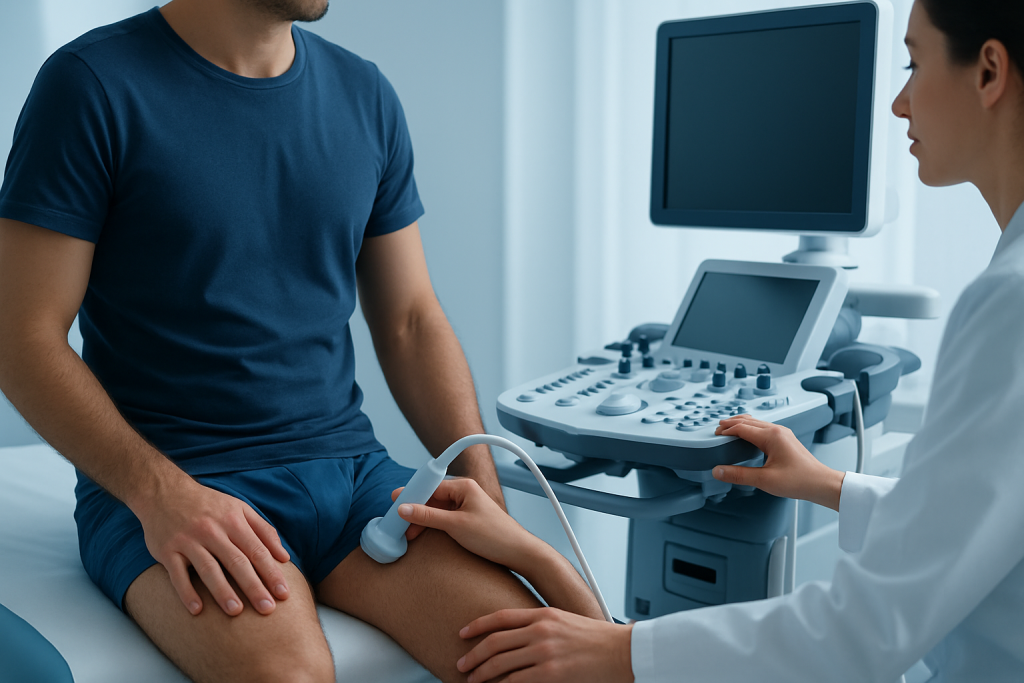
During the exam, the doctor checks the size, position, tenderness, and texture of the testicles and surrounding structures. They may look for signs of hernia, enlarged veins, fluid around the testicle, or a mass. In many cases, a scrotal ultrasound is the key next step because it can show blood flow, fluid collections, inflammation, and suspicious lumps clearly and without surgery.
Additional tests may be used depending on symptoms. These can include urine tests to look for infection, swabs or laboratory testing for sexually transmitted infections, and blood tests in selected situations. If there is concern for a mass or tumor, imaging and specialist evaluation become especially important so that treatment is not delayed.
Because urgent conditions can look similar to less serious ones at first, it is safest not to wait and see when swelling is sudden, painful, or unexplained. Early assessment helps protect testicular function and reduces the chance of complications.
Treatment Options Depend on the Cause
Treatment for a swollen testicle is guided by the underlying diagnosis. Infections such as epididymitis or orchitis may be treated with medication, rest, scrotal support, and follow-up care. Supportive measures such as limiting strenuous activity and using cold packs for short periods may also help with discomfort, but these should not replace medical evaluation when symptoms are significant.
Hydrocele and varicocele may not always need immediate intervention if symptoms are mild, but ongoing discomfort, visible enlargement, fertility concerns, or uncertainty about the diagnosis may lead to specialist treatment. In selected patients, doctors may recommend procedures such as varicocele treatment or hydrocele surgery after proper assessment.
Testicular torsion usually requires urgent surgery to restore blood flow and secure the testicle. This is time-sensitive, which is why sudden severe pain and swelling should be treated as an emergency. Trauma may require observation, pain control, imaging, or surgery depending on the severity and whether the testicle has been damaged.
If a doctor suspects a tumor or another structural condition, referral to a urology team is typically the next step. For persistent or unexplained swelling, specialist evaluation can help determine whether advanced treatment such as urologic care is needed.
Self-Care and Prevention
Not every cause of testicle swelling can be prevented, but some habits may lower risk and support earlier diagnosis. Wearing protective athletic gear during contact sports can reduce the chance of injury. Seeking prompt treatment for urinary or sexually transmitted infections may help prevent complications that can affect the scrotum and testicles.
General self-care may include resting, avoiding heavy lifting until assessed, and wearing supportive underwear if this reduces discomfort. Over-the-counter pain relief may be useful for some people, but it should not be used to delay medical review when symptoms are severe, sudden, or associated with fever.
Some people find it helpful to become familiar with the usual look and feel of their testicles during routine hygiene. This is not a substitute for screening, but it can make it easier to notice new changes such as a lump, persistent swelling, or change in firmness. Any unexplained change should be discussed with a doctor.
Preventive advice is most effective when matched to the cause. For example, safe sexual practices may reduce infection risk, while managing chronic straining or constipation may help people who are prone to hernia symptoms. A clinician can suggest the most relevant prevention plan after diagnosis.
When to Seek Medical Care
Emergency care is needed if a swollen testicle appears suddenly, causes severe pain, or is accompanied by nausea, vomiting, or a testicle that looks higher than usual. These can be signs of testicular torsion, which requires urgent treatment to protect the testicle.
Medical assessment is also important within a short time if there is fever, redness, burning with urination, discharge, swelling after an injury, or a lump that does not go away. Even painless swelling should be evaluated if it is new, persistent, or clearly different from normal.
It is sensible to arrange a medical review if swelling lasts more than a day or two, keeps recurring, or interferes with walking, exercise, sexual activity, or daily comfort. A clinician can confirm whether the problem is inflammatory, structural, vascular, or related to another condition and recommend the right treatment.
For people seeking specialist evaluation, Acibadem International’s multidisciplinary specialists and JCI-accredited hospitals diagnose and treat urologic conditions for international patients. Timely assessment is especially important when symptoms are sudden, severe, or uncertain.
Frequently asked questions
Is a swollen testicle always an emergency?
No, not every swollen testicle is an emergency. However, sudden swelling with significant pain, nausea, vomiting, or a high-riding testicle can suggest testicular torsion and needs immediate medical attention.
Can a swollen testicle go away on its own?
Some mild swelling related to minor irritation or injury may improve with time, but many causes need diagnosis first. Because infection, torsion, hernia, and tumors can also cause swelling, it is best not to rely on self-treatment alone.
What is the difference between testicle pain and scrotal swelling?
Testicle pain refers to discomfort felt in the testicle or nearby structures, while scrotal swelling refers to enlargement of the sac or its contents. The two often happen together, but swelling may come from fluid, veins, hernia, or tissues around the testicle rather than the testicle itself.
How is a swollen testicle usually diagnosed?
Doctors usually begin with a physical examination and questions about symptoms, injury, infection, and timing. A scrotal ultrasound is commonly used because it helps show blood flow, inflammation, fluid collections, and masses clearly.
Can a swollen testicle be caused by infection?
Yes. Epididymitis and orchitis are common infectious or inflammatory causes and may be associated with pain, fever, urinary symptoms, or tenderness. These conditions should be evaluated so the correct treatment can be started.
Should a painless swollen testicle still be checked?
Yes. Painless swelling is not always harmless and can be caused by hydrocele, varicocele, hernia, or a testicular mass. Any new, persistent, or unexplained enlargement should be examined by a doctor.
References
- American Urological Association
- National Institute of Diabetes and Digestive and Kidney Diseases
- Mayo Clinic
- National Health Service
- Centers for Disease Control and Prevention
This article is for general information only and is not a substitute for professional medical advice. Please consult a qualified doctor about your individual situation.
Explore treatments in Turkey — costs, top hospitals & a free quote
JCI-accredited · board-certified surgeons · reply within 24h
Add us as a Preferred Source to see more of our trusted health content across Google Search, AI Overviews and Discover.