Neuromuscular Disorders: Symptoms, Causes, and Treatment Options

Neuromuscular disorders involve the peripheral nerves, muscles, or the junction between nerves and muscles. Common symptoms include muscle weakness, muscle wasting, cramps, twitching, numbness, and fatigue.
Key Takeaways
- Neuromuscular disorders involve the peripheral nerves, muscles, or the junction between nerves and muscles.
- Common symptoms include muscle weakness, muscle wasting, cramps, twitching, numbness, and fatigue.
- Diagnosis often combines a neurological exam, blood tests, imaging, and nerve or muscle function studies.
- Treatment focuses on the underlying cause, symptom control, rehabilitation, and preserving independence.
- Prompt medical assessment is important if weakness, swallowing trouble, breathing symptoms, or rapid progression occurs.
Neuromuscular disorders are conditions that affect the nerves controlling muscles, the muscles themselves, or the connection between them. They can cause weakness, fatigue, cramps, numbness, or movement problems, and treatment depends on the specific diagnosis and how symptoms affect daily life.
Overview: What Are Neuromuscular Disorders?
Neuromuscular disorders are a broad group of conditions that affect how nerves and muscles work together. They may involve the motor nerves that carry signals from the brain and spinal cord to the muscles, the peripheral nerves in the arms and legs, the neuromuscular junction where nerves communicate with muscles, or the muscle tissue itself. When any part of this system is affected, movement can become weaker, slower, less coordinated, or more tiring.
These conditions are not all the same. Some are inherited and begin in childhood, while others develop later in life because of autoimmune disease, infection, metabolic problems, toxins, or nerve injury. Examples include muscular dystrophies, peripheral neuropathies, myasthenia gravis, inflammatory muscle diseases, and motor neuron disorders. Some conditions progress slowly over many years, while others may appear more suddenly.
Because there are many possible causes, symptoms can vary from person to person. One individual may notice trouble climbing stairs, while another may have hand weakness, muscle cramps, facial weakness, or balance changes. A careful evaluation helps identify the source of symptoms and guide the most appropriate treatment plan.
How Symptoms May Appear
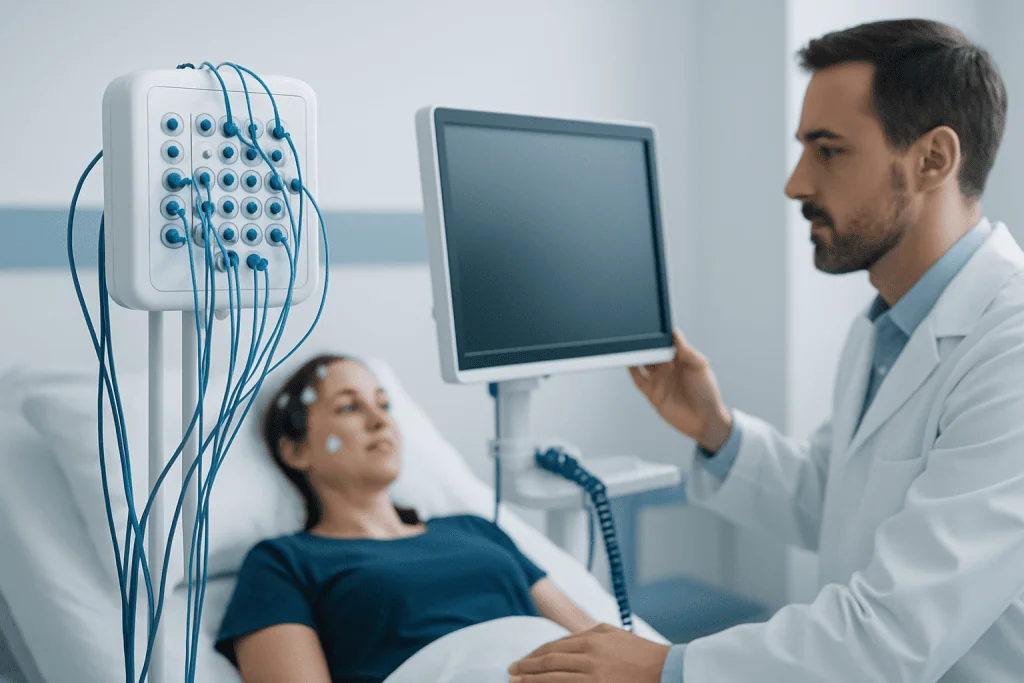
The most common symptom of neuromuscular disorders is muscle weakness. This may affect the legs, arms, hands, feet, face, throat, or breathing muscles. Some people notice difficulty lifting objects, rising from a chair, walking long distances, climbing stairs, or keeping up with usual activities. Others may feel that their muscles tire much faster than expected.
Symptoms are not limited to weakness. Depending on the condition, a person may also have muscle cramps, muscle twitching, stiffness, pain, numbness, tingling, loss of balance, or muscle wasting. Problems with speech, chewing, swallowing, eyelid drooping, or double vision can occur in disorders that affect facial or eye muscles. In some neuropathies, reduced sensation in the feet may increase the risk of falls.
Patterns of symptoms often help doctors narrow the diagnosis. For example, weakness that worsens with activity and improves with rest may suggest a neuromuscular junction disorder such as myasthenia gravis. Numbness and burning pain may point toward peripheral nerve involvement, while muscle tenderness and trouble standing from a seated position may suggest a primary muscle disorder. These patterns are clues, but testing is usually needed for a clear diagnosis.
- Muscle weakness in the arms, legs, face, or trunk
- Easy fatigue or reduced exercise tolerance
- Cramps, twitching, or muscle wasting
- Numbness, tingling, or burning sensations
- Balance problems or frequent falls
- Trouble swallowing, speaking, or breathing in some cases
Causes and Risk Factors

Neuromuscular disorders can result from problems in different parts of the nervous system and muscular system. Some are genetic, meaning they are caused by inherited changes in genes involved in muscle structure, nerve function, or energy production. Others are acquired later in life due to immune system activity, metabolic disease, infections, inflammation, medication side effects, toxin exposure, injury, or degeneration of nerve cells.
Autoimmune conditions are an important cause of several treatable neuromuscular disorders. In these cases, the immune system mistakenly targets nerves, muscles, or the neuromuscular junction. Endocrine or metabolic disorders, including thyroid disease and diabetes, can also damage nerves or contribute to muscle weakness. Nutritional deficiencies, especially those affecting nerve health, may play a role as well. In some people, despite thorough testing, the exact cause may remain uncertain for a time.
Risk factors depend on the specific diagnosis. A family history may increase the likelihood of inherited conditions. Older age may raise the risk of some acquired neuromuscular diseases and neuropathies. Existing autoimmune disease, diabetes, kidney disease, cancer treatments, alcohol misuse, or exposure to certain toxins can also increase risk. People with symptoms should not assume the cause on their own, since similar symptoms may come from very different conditions.
How Doctors Diagnose Neuromuscular Disorders
Diagnosis begins with a detailed history and neurological examination. A doctor will ask when symptoms started, whether they are getting worse, which muscles are affected, and whether there are changes in sensation, balance, swallowing, vision, or breathing. Family history, other medical conditions, medications, and occupational exposures may also provide important clues.
Testing is usually tailored to the symptom pattern. Blood tests can look for inflammation, muscle enzyme levels, autoimmune markers, nutritional deficiencies, thyroid disorders, and other metabolic causes. Electrodiagnostic testing, including nerve conduction studies and electromyography, helps evaluate how nerves and muscles are functioning. Depending on the situation, doctors may also request genetic testing, respiratory function testing, muscle imaging, or a muscle or nerve biopsy.
Imaging can be helpful when symptoms may be linked to the brain, spinal cord, or nerve compression. In selected cases, doctors may recommend neurological rehabilitation assessment early in the process to document strength, gait, balance, and daily function. A structured diagnosis is important because treatment differs significantly between conditions such as inflammatory muscle disease, hereditary neuropathy, and motor neuron disease including ALS.
Treatment Options and Long-Term Care
Treatment for neuromuscular disorders depends on the underlying diagnosis, symptom severity, and the muscles involved. Some conditions can be managed with medications that reduce inflammation, adjust immune activity, improve nerve-to-muscle signaling, or treat an associated cause such as thyroid disease or vitamin deficiency. In hereditary or degenerative disorders, treatment often focuses on maintaining function, preventing complications, and improving quality of life.
Rehabilitation is a major part of care for many patients. Physical therapy can help preserve mobility, strength, flexibility, and balance. Occupational therapy may support hand function and daily activities such as dressing, writing, or using devices at home or work. Speech and swallowing therapy may be recommended if facial, throat, or speech muscles are affected. For some patients, a personalized physical therapy and rehabilitation plan can help reduce fatigue and improve safe movement.
Assistive devices and supportive care may also be important. Braces, mobility aids, respiratory support, nutritional guidance, pain management, and home adaptations can make daily life safer and more manageable. In selected cases, treatment may involve specialists in neurology and related fields to address complex symptoms over time. Near the end of the care pathway, some international patients choose multidisciplinary evaluation at Acibadem International, where JCI-accredited hospitals manage neuromuscular conditions with coordinated specialist input.
Living Well: Self-care, Prevention, and Daily Support
Not all neuromuscular disorders can be prevented, especially inherited forms. Still, early recognition and ongoing care can reduce complications and support independence. Following a treatment plan, keeping regular follow-up visits, and reporting new symptoms promptly are practical ways to protect long-term function.
Daily self-care often focuses on energy conservation, safe activity, fall prevention, and overall health. Balanced nutrition, adequate hydration, good sleep habits, and regular movement within the limits advised by a clinician may help reduce deconditioning. People with swallowing issues may need tailored dietary guidance, while those with numb feet may benefit from careful foot care and supportive footwear.
It is also helpful to avoid factors that can worsen symptoms, such as extreme fatigue, overheating in certain conditions, alcohol misuse, or medications that may affect nerve or muscle function unless advised by a doctor. Vaccination, infection prevention, and management of chronic conditions like diabetes can be especially important for people whose nerves or muscles are already vulnerable.
- Use prescribed exercises rather than unstructured overexertion
- Take steps to reduce fall risk at home
- Track symptom changes, especially weakness and swallowing problems
- Manage related conditions such as diabetes or thyroid disease
- Ask about mobility aids or home adjustments when daily tasks become difficult
When to Seek Medical Care
Medical evaluation is important when weakness, numbness, or coordination problems are new, persistent, or gradually worsening. People should seek prompt care if everyday tasks become harder, falls start to happen, or there is visible muscle wasting. These symptoms do not always mean a serious disease, but they do deserve professional assessment.
Urgent medical attention is needed if symptoms progress quickly or involve breathing, swallowing, or speaking. Sudden inability to lift the arms or legs, choking, severe shortness of breath, or rapidly increasing weakness should be treated as emergency concerns. Early evaluation may help identify causes that respond best when treatment starts quickly.
It is also wise to see a doctor when there is a family history of neuromuscular disease, unexplained fatigue with weakness, or symptoms that repeatedly come and go. A neurologist can help distinguish muscle disease, nerve disease, and other conditions that may look similar, leading to a safer and more targeted treatment plan.
Frequently asked questions
What are neuromuscular disorders?
Neuromuscular disorders are conditions that affect the nerves controlling movement, the muscles themselves, or the connection between nerves and muscles. They can lead to weakness, fatigue, cramps, numbness, or difficulty with movement and daily activities.
Are neuromuscular disorders hereditary?
Some neuromuscular disorders are inherited and may run in families. Others are acquired later in life due to autoimmune disease, metabolic problems, infection, toxins, or nerve injury. A doctor may recommend genetic testing when a hereditary cause is suspected.
Can neuromuscular disorders be cured?
Whether a cure is possible depends on the specific condition. Some causes are treatable or reversible, while others are chronic and managed over time. Even when a cure is not available, treatment can often reduce symptoms and help preserve function.
What doctor treats neuromuscular disorders?
A neurologist usually leads the diagnosis and treatment of neuromuscular disorders, especially one with neuromuscular expertise. Care may also involve rehabilitation specialists, physical and occupational therapists, speech therapists, pulmonologists, and genetic counselors.
What tests are used to diagnose neuromuscular disorders?
Doctors may use a neurological exam, blood tests, nerve conduction studies, electromyography, imaging, genetic testing, and sometimes muscle or nerve biopsy. The exact combination depends on the symptom pattern and the suspected cause.
When should someone worry about muscle weakness?
Muscle weakness should be medically assessed if it is persistent, worsening, affects daily tasks, or happens together with numbness, falls, swallowing trouble, or breathing symptoms. Sudden or rapidly progressing weakness needs urgent medical attention.
References
- National Institute of Neurological Disorders and Stroke
- National Institute of Arthritis and Musculoskeletal and Skin Diseases
- Muscular Dystrophy Association
- Mayo Clinic
- Merck Manual Consumer Version
This article is for general information only and is not a substitute for professional medical advice. Please consult a qualified doctor about your individual situation.
Joint and spine care in Turkey — expert assessment & treatment
JCI-accredited · board-certified surgeons · reply within 24h
Add us as a Preferred Source to see more of our trusted health content across Google Search, AI Overviews and Discover.