Cure a Migraine Naturally: A Complete Medical Overview

There is no guaranteed instant natural cure for migraine, but several non-drug strategies may reduce pain and sensitivity. Early action in a quiet, dark room with fluids, rest, and cold packs may help shorten an attack for some people.
Key Takeaways
- There is no guaranteed instant natural cure for migraine, but several non-drug strategies may reduce pain and sensitivity.
- Early action in a quiet, dark room with fluids, rest, and cold packs may help shorten an attack for some people.
- Keeping a migraine diary can identify personal triggers such as missed meals, poor sleep, stress, or certain foods.
- Frequent, severe, new, or unusual headaches should be evaluated by a doctor to confirm the diagnosis and rule out other causes.
- Natural self-care works best as part of a broader migraine plan that may also include medical treatment and prevention.
Many people asking how to cure a migraine naturally are really looking for safe ways to ease symptoms and reduce future attacks. Natural measures such as rest, hydration, trigger management, sleep regularity, and stress reduction can help some people, but persistent or severe migraine still needs medical assessment.
What “cure a migraine naturally” really means
When people search for ways to cure a migraine naturally, they usually want two things: fast symptom relief and fewer attacks over time. In practice, natural care does not reliably “cure” migraine as a disease, but it can help manage symptoms, support recovery during an attack, and reduce exposure to common triggers.
Migraine is more than a simple headache. It is a neurological condition that can cause throbbing head pain, nausea, vomiting, and sensitivity to light, sound, or smell. Some people also experience visual or sensory changes called aura before the pain begins. Because migraine affects the brain and nervous system, treatment often works best when it combines lifestyle measures with a clear medical diagnosis.
Natural strategies may be especially helpful for mild to moderate attacks, for people who prefer to limit medication when appropriate, or as prevention between attacks. Still, anyone with frequent headaches or severe symptoms should be assessed by a qualified clinician, because not every headache is migraine and some causes require urgent care. For readers wanting a fuller overview of migraine, understanding the diagnosis is an important first step.
Natural ways to ease a migraine attack
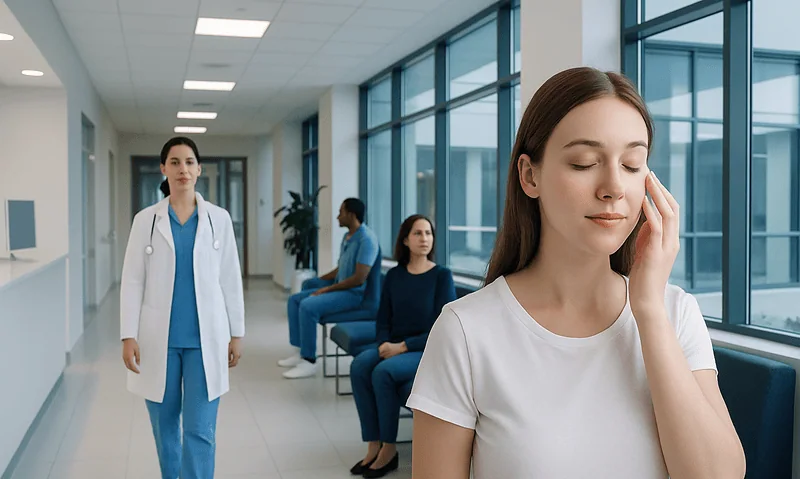
Simple measures are often most helpful when started early, ideally at the first sign of migraine. Many people feel better if they stop activity, move to a quiet dark room, and rest with their eyes closed. A cold pack or cool cloth on the forehead or neck may lessen pain and help with light sensitivity.
Hydration can also matter, especially if the person has had vomiting, sweating, or poor fluid intake. Sipping water slowly may help, while large amounts at once can worsen nausea. If hunger or a missed meal seems to be a trigger, a light snack may be useful, but rich, greasy, or strongly scented foods may aggravate symptoms during an attack.
Relaxation techniques can reduce the stress response that often intensifies migraine symptoms. Slow breathing, guided relaxation, gentle stretching, and reducing screen exposure may all help the nervous system settle. Some people find short periods of sleep restorative, though oversleeping can trigger headaches in others.
Natural support during an attack may include:
- Resting in a dark, quiet room
- Using a cold compress on the head or neck
- Drinking water or electrolyte-containing fluids if tolerated
- Limiting bright screens, noise, and strong smells
- Practicing slow breathing or relaxation exercises
- Eating a light snack if low blood sugar may be a factor
Common migraine symptoms and patterns

Migraine symptoms vary from person to person. The best-known symptom is moderate to severe headache, often throbbing and sometimes affecting one side of the head, but migraine can also cause dizziness, fatigue, nausea, vomiting, and sensitivity to light, noise, or odors. Physical activity may make symptoms worse, which is one reason rest is often helpful.
Some people have warning symptoms before the headache starts. These can include mood changes, neck stiffness, food cravings, yawning, or trouble concentrating. Others experience aura, which may involve flashing lights, blind spots, tingling, or temporary speech difficulty. Aura usually develops gradually and lasts a limited time, but it should still be discussed with a doctor to confirm the cause.
Migraine can also occur without a severe headache, and not all intense headaches are migraines. headache disorders can overlap, and tension-type headache, sinus-related symptoms, medication overuse, and other neurological conditions may mimic migraine. This is one reason ongoing or changing symptoms should not be self-diagnosed for too long.
Why migraines happen: triggers and risk factors
Migraine is thought to involve complex changes in brain signaling, nerves, and blood vessels, influenced by genetics and the environment. A person may be more likely to develop migraine if close family members also have it. Hormonal shifts, especially around menstruation, can also affect migraine patterns in some women.
Triggers do not cause migraine disease itself, but they may increase the chance of an attack in someone who is already prone to migraines. Common triggers include missed meals, dehydration, too little or too much sleep, emotional stress, bright light, weather changes, alcohol, and certain foods. Triggers are highly individual, so what affects one person may not affect another.
A migraine diary is one of the most practical natural tools for prevention. Tracking sleep, meals, menstrual cycle, caffeine, stress, exercise, and symptoms can reveal patterns over time. This allows a person to make realistic adjustments rather than avoid many foods or activities unnecessarily.
Common trigger categories include:
- Irregular sleep or shift work
- Skipping meals or dehydration
- Stress or stress let-down after busy periods
- Hormonal changes
- Alcohol or excess caffeine
- Bright light, noise, strong odors, or screen strain
- Certain foods in susceptible individuals
Diagnosis and when natural care is not enough
Migraine is diagnosed mainly through medical history and symptom pattern. A doctor will ask about the location and quality of pain, associated symptoms, how long attacks last, what triggers them, and whether there is a family history. A neurological examination may also be performed to check for warning signs of other conditions.
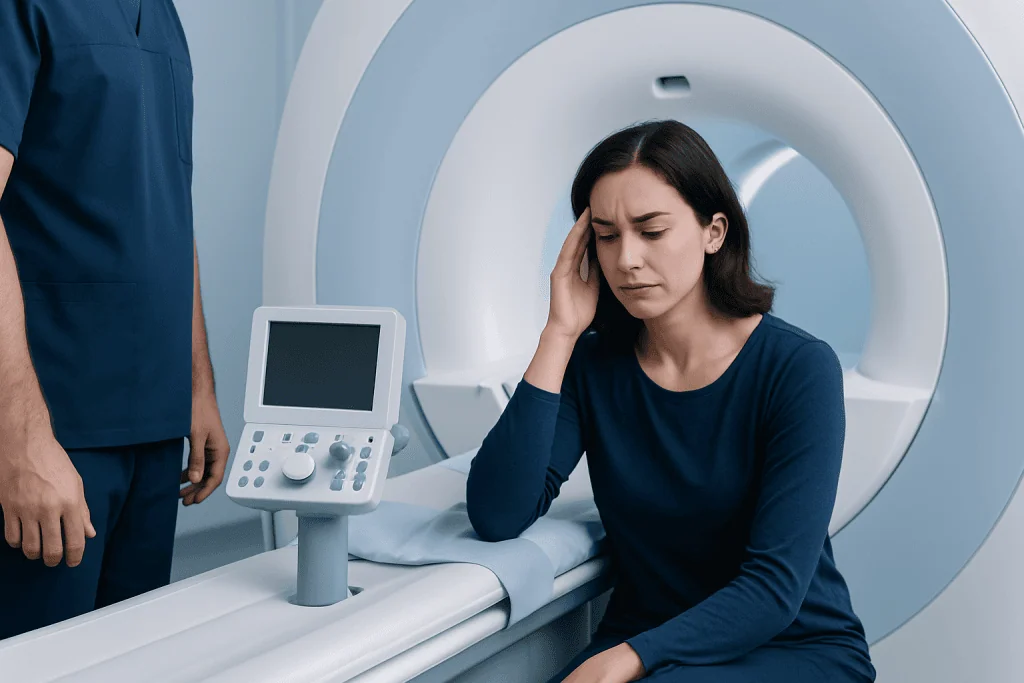
Imaging tests are not needed for everyone, but they may be recommended if the headache pattern is new, rapidly changing, triggered by exertion, or accompanied by unusual neurological symptoms. This helps rule out other causes of headache. If symptoms suggest a broader nerve-related problem, a specialist evaluation in neurology care may be appropriate.
Natural care may not be enough when attacks are frequent, disabling, prolonged, or associated with repeated vomiting and dehydration. In these situations, medical treatment can be important both for symptom control and for prevention. Migraine plans are often individualized and may include medication, trigger management, sleep strategies, and follow-up over time.
Medical treatment alongside natural migraine relief
Using natural measures does not mean avoiding medical treatment when it is needed. Many people benefit from combining both approaches. During an attack, doctors may recommend medicines to reduce pain, nausea, or migraine-specific symptoms. For people with frequent or severe episodes, preventive treatment may help reduce how often attacks happen.
Treatment choices depend on the person’s age, health conditions, symptom severity, and attack frequency. People who are treating headaches often should talk to a doctor, because overusing pain relievers can sometimes lead to more headaches. A structured plan can help prevent this cycle and improve quality of life.
In selected cases, especially when migraine is chronic or difficult to control, a referral for specialized headache treatment or broader pain management may be helpful. Near the end of the care pathway, patients seeking international evaluation may also consider Acibadem International, where multidisciplinary specialists in JCI-accredited hospitals diagnose and treat migraine-related conditions.
Prevention and self-care between attacks
The most effective natural migraine strategy is often prevention rather than trying to stop an established attack. Regular daily habits can make the nervous system less vulnerable to triggers. Consistent sleep and wake times, routine meals, enough fluids, and balanced caffeine intake are often more helpful than dramatic lifestyle changes.
Stress management also matters. This does not mean eliminating stress completely, which is not realistic, but learning ways to reduce its physical impact. Techniques such as mindfulness, breathing exercises, yoga, gentle exercise, and regular breaks from screens may support overall migraine control. Exercise should be increased gradually, since sudden intense exertion can trigger headaches in some people.
Some people ask about supplements or herbal products. A few have been studied for migraine prevention, but they are not appropriate for everyone and can interact with medicines or cause side effects. It is best to discuss any supplement with a doctor, especially during pregnancy, while breastfeeding, or if there are other medical conditions.
Healthy self-care habits include:
- Keeping regular sleep, meal, and hydration routines
- Tracking attacks and identifying personal triggers
- Managing stress with relaxation techniques
- Limiting excessive caffeine and alcohol
- Building exercise gradually and consistently
- Reviewing supplements or alternative therapies with a clinician
When to seek medical care
Medical advice is important if headaches are frequent, severe, worsening, or interfering with daily life. A person should also seek assessment if what seems like migraine is new for them, if symptoms begin after age 50, or if over-the-counter measures are no longer helping. Repeated vomiting, poor oral intake, or dehydration are also good reasons to contact a doctor.
Urgent medical care is needed for a sudden explosive headache that reaches maximum intensity within moments, a headache after head injury, or headache with confusion, fainting, weakness, seizure, fever, stiff neck, chest pain, or new vision loss. These symptoms do not always mean a serious emergency, but they should be assessed promptly.
For many people, the goal is not simply to endure migraine naturally, but to understand the pattern and use the safest mix of self-care and professional treatment. With the right diagnosis and plan, migraine can often be managed more effectively and with less disruption to everyday life.
Frequently asked questions
Can a migraine be cured naturally at home?
Migraine usually cannot be permanently cured at home, but symptoms may improve with natural measures such as rest, hydration, a dark quiet room, and trigger control. These steps are often most useful early in an attack or as part of prevention.
What is the fastest natural way to stop a migraine?
There is no guaranteed fast natural fix for every person. Many people get the most relief by stopping activity, lying down in a dark quiet space, applying a cold pack, drinking fluids if tolerated, and reducing screen exposure as soon as symptoms begin.
Does drinking water help a migraine?
It can help when dehydration is a trigger or when vomiting has reduced fluid intake. Water alone may not stop the migraine, but rehydration is a sensible supportive step and may prevent symptoms from getting worse.
What foods should be avoided with migraine?
Food triggers vary widely, so there is no single migraine diet for everyone. Instead of avoiding many foods automatically, it is usually better to keep a diary and look for clear patterns involving specific foods, missed meals, alcohol, or caffeine.
Is sleep good for migraine relief?
For many people, sleep or quiet rest can reduce migraine symptoms and improve recovery. However, irregular sleep schedules and oversleeping can trigger migraine in some individuals, so consistency is usually more important than sleeping longer.
When should someone worry that a migraine is something else?
A headache needs medical review if it is new, much worse than usual, different from previous migraines, or accompanied by weakness, confusion, fever, seizure, or sudden severe onset. These features may point to a condition other than migraine and should not be ignored.
This article is for general information only and is not a substitute for professional medical advice. Please consult a qualified doctor about your individual situation.
Migraine in Turkey — costs, top hospitals & a free quote
JCI-accredited · board-certified surgeons · reply within 24h
Add us as a Preferred Source to see more of our trusted health content across Google Search, AI Overviews and Discover.

More from the Health Library

Periapical Abscess: A Complete Medical Overview

Beano Gas — Explained by Medical Evidence, Not Myths

Oximetry: An Evidence-Based Guide for Patients

Brittle Diabetes: A Complete Medical Overview

Anti Pelvic Tilt: An Evidence-Based Guide for Patients