Brittle Diabetes: A Complete Medical Overview

Brittle diabetes usually refers to severe glucose variability that disrupts daily life or leads to repeated urgent care. It occurs most often in people with type 1 diabetes, but glucose instability can have several underlying causes.
Key Takeaways
- Brittle diabetes usually refers to severe glucose variability that disrupts daily life or leads to repeated urgent care.
- It occurs most often in people with type 1 diabetes, but glucose instability can have several underlying causes.
- Repeated low or high blood glucose levels should prompt a structured review with a diabetes care team.
- Continuous glucose monitoring, insulin delivery technology, education, and treatment of related conditions can improve stability.
- Symptoms of severe hypoglycemia or diabetic ketoacidosis require urgent medical attention.
Brittle diabetes is an older term used to describe diabetes with frequent, severe, and difficult-to-predict changes in blood glucose levels. It is not a separate type of diabetes, and careful evaluation can often identify contributing medical, treatment-related, or everyday factors that can be addressed.
Overview: What Is Brittle Diabetes?
Brittle diabetes describes diabetes in which blood glucose levels move sharply and unpredictably between low and high values despite a person’s usual treatment efforts. The term has traditionally been used when these changes significantly interfere with daily activities, cause repeated severe hypoglycemia, or lead to episodes of diabetic ketoacidosis (DKA). It is not a distinct type of diabetes or a formal diagnosis on its own.
The term can be unhelpful if it suggests that a person has failed to manage their condition. Blood glucose variability is often influenced by factors outside a person’s immediate control, including changes in insulin absorption, digestive conditions, hormonal changes, other illnesses, stress, or difficulty recognizing low blood glucose. A supportive, non-judgmental assessment is important.
Brittle diabetes is most commonly discussed in relation to type 1 diabetes, where the body produces little or no insulin. However, people using insulin for other forms of diabetes may also have difficult-to-manage glucose levels. The key clinical concern is not the label itself, but understanding why glucose is unstable and reducing the risk of short- and long-term complications.
How Unstable Blood Glucose May Affect the Body
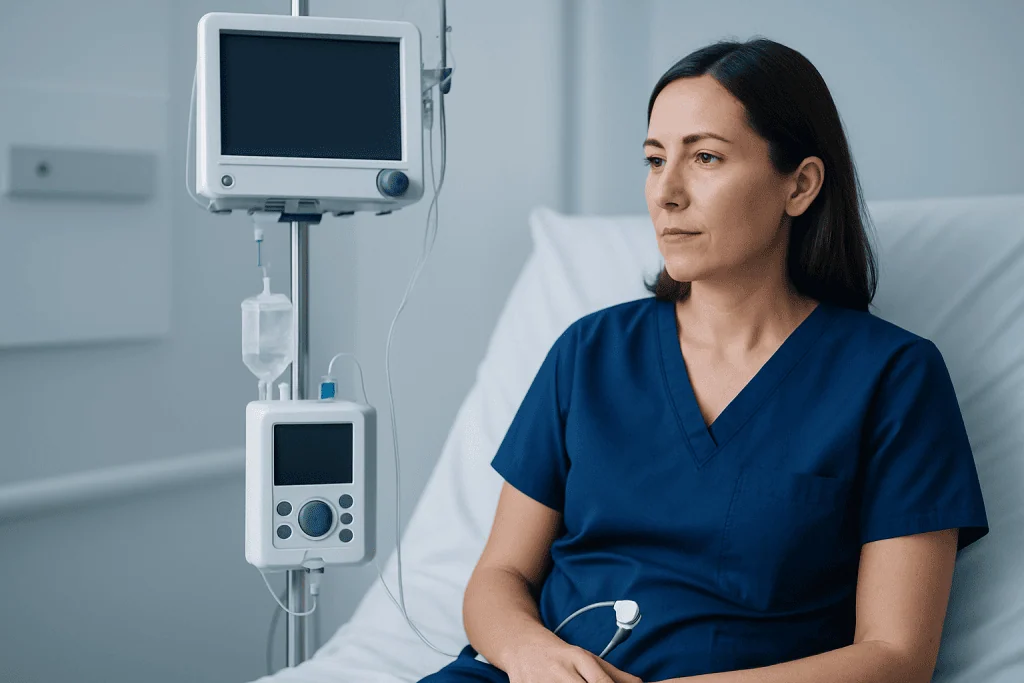
Low blood glucose, or hypoglycemia, may cause sweating, shaking, hunger, tingling around the lips, palpitations, headache, irritability, confusion, blurred vision, or weakness. If it becomes severe, a person may be unable to safely treat themselves, may have a seizure, or may lose consciousness. Some people develop reduced awareness of early low-glucose symptoms after repeated episodes.
High blood glucose, or hyperglycemia, can cause thirst, frequent urination, tiredness, dry mouth, blurred vision, and unintended weight loss. When insulin is very low, the body may begin breaking down fat for energy and produce ketones. This can lead to DKA, a serious condition that may include nausea, vomiting, abdominal pain, deep or rapid breathing, fruity-smelling breath, and increasing drowsiness.
Frequent fluctuations can also affect concentration, work or school attendance, driving safety, sleep, exercise, and emotional wellbeing. Concern about unexpected lows may lead someone to keep glucose levels higher than recommended, which can increase time spent in hyperglycemia. These effects are real and deserve practical support from a diabetes team.
- Glucose patterns may change within hours or across several days.
- Symptoms do not always match the glucose reading, especially with hypoglycemia unawareness.
- Repeated severe events should be reviewed rather than accepted as an unavoidable part of diabetes.
Possible Causes and Contributing Factors

There is rarely one single cause of brittle diabetes. A clinician will usually look at insulin use, eating patterns, activity, illness, medications, technology data, and life circumstances together. Insulin doses that no longer match a person’s needs, missed doses, incorrect timing, injection into areas of scarred tissue, infusion-set problems, or interrupted insulin pump delivery can all contribute to sudden changes in glucose.
Digestive conditions are an important consideration. Delayed stomach emptying, known as gastroparesis, can make it difficult to predict when carbohydrate from a meal will enter the bloodstream. Conditions that interfere with nutrient absorption, such as coeliac disease, may have a similar effect. Vomiting, diarrhea, infection, fever, pain, surgery, and other acute illnesses can also alter insulin requirements.
Hormonal and metabolic factors may play a role. Thyroid disease, adrenal disorders, menstrual-cycle changes, pregnancy, and menopause can influence glucose levels. Kidney or liver disease may change how insulin is cleared from the body. Alcohol can contribute to delayed hypoglycemia, particularly when consumed without food, while some medicines, including corticosteroids, can raise glucose levels.
Emotional distress, disrupted sleep, food insecurity, limited access to supplies, and the practical burden of a complex treatment plan can make diabetes management harder. These factors should be explored respectfully. Psychological support is not about assigning blame; it is a meaningful part of comprehensive diabetes care when stress, anxiety, low mood, or burnout are present.
Assessment and Diagnosis
There is no single laboratory test that confirms brittle diabetes. Assessment focuses on documenting glucose patterns and identifying correctable causes. A diabetes clinician may review home glucose records or continuous glucose monitor (CGM) reports, insulin pump downloads where relevant, episodes requiring help from another person, emergency visits, meal patterns, physical activity, sleep, and medicines.
Blood tests may include HbA1c, which reflects average glucose over roughly the previous two to three months, although it cannot show the full extent of daily swings. Depending on symptoms and history, clinicians may also check kidney function, thyroid function, coeliac disease markers, and other tests. Ketone testing is particularly important during illness or persistent high glucose in people at risk of DKA.
A review of injection technique or pump use can be very valuable. The team may inspect injection sites for lipohypertrophy, which is a buildup of fatty tissue that can make insulin absorption less predictable. They may also assess whether carbohydrate counting, insulin-to-carbohydrate ratios, correction doses, and basal insulin settings remain appropriate.
It can help to bring a record of glucose readings, insulin doses, meals, symptoms, exercise, illness, and any alcohol intake to appointments. This information does not need to be perfect. Even a few days of reliable observations can reveal important patterns and guide safer adjustments.
Treatment Options and Ongoing Support
Treatment is individualized and begins with addressing the factors identified during assessment. A clinician may adjust basal and mealtime insulin, review the timing of insulin around meals, treat an infection or hormonal condition, or recommend changes to injection sites and technique. Insulin should not be stopped or substantially changed without professional guidance, especially in type 1 diabetes.
Technology can reduce uncertainty for many people. CGM devices show current glucose levels, trends, and alerts for predicted highs or lows. Insulin pumps can provide highly adjustable basal insulin delivery, and some systems combine a pump with CGM data to automatically adjust insulin within set limits. These tools still require education, troubleshooting, and regular clinical review, but they may reduce the burden of frequent glucose changes.
Structured diabetes education can support carbohydrate estimation, sick-day planning, prevention and treatment of hypoglycemia, ketone testing, and safe physical activity. A registered dietitian can help create meal strategies that are realistic and suited to appetite, digestion, culture, work schedules, and personal preferences. For gastroparesis or other digestive conditions, dietary planning may need to be adapted carefully.
Support from endocrinologists, diabetes nurses, dietitians, pharmacists, mental health professionals, and other specialists may be needed. The aim is not perfect glucose readings at all times; it is safer, more predictable management with fewer severe lows, fewer prolonged highs, and a better quality of life.
Prevention and Everyday Self-Care
Not every episode of glucose instability can be prevented, but a consistent routine can make patterns easier to recognize. Checking glucose as advised, responding to CGM alerts, taking insulin consistently, rotating injection sites, and keeping insulin and testing supplies available are practical foundations. People who use a pump should know how to check the infusion site and have a backup insulin plan discussed with their care team.
Sick-day rules are especially important for people treated with insulin. During illness, glucose may rise even if food intake is reduced. A healthcare professional can explain when to check ketones, how often to monitor glucose, how to stay hydrated, and when to seek urgent help. Keeping written instructions accessible can be reassuring during an unexpected illness.
People at risk of severe hypoglycemia should ensure that close family members, friends, colleagues, or caregivers know how to recognize a low glucose emergency and how to use prescribed rescue glucagon if available. Carrying a fast-acting carbohydrate source is useful. Driving should be avoided if glucose is low or if symptoms of hypoglycemia are present.
Regular follow-up gives the diabetes team an opportunity to revise the plan as routines, health conditions, medicines, and life stages change. Acibadem International’s multidisciplinary specialists and JCI-accredited hospitals provide assessment and treatment planning for international patients with complex diabetes management needs.
When to Seek Medical Care
Urgent medical help is needed if a person is unconscious, having a seizure, severely confused, unable to swallow safely, or unable to treat a suspected low blood glucose episode. Emergency services should be contacted in these situations. If prescribed glucagon is available, a trained bystander may use it while waiting for emergency assistance.
Immediate medical assessment is also important for possible DKA. Warning signs include persistent high glucose with moderate or high ketones, vomiting, abdominal pain, deep or rapid breathing, marked weakness, confusion, or increasing sleepiness. People with type 1 diabetes should follow their individual sick-day and ketone plan, but should not delay care if symptoms are worsening.
A non-emergency appointment should be arranged promptly after repeated lows, repeated high readings, a new loss of awareness of hypoglycemia, frequent nighttime symptoms, pump or injection problems, or any diabetes-related emergency visit. A clinician can review the pattern and help prevent a recurrence. Seeking help early is a constructive step and can make glucose management feel more manageable.
Frequently asked questions
Is brittle diabetes a type of diabetes?
No. Brittle diabetes is not a separate type of diabetes. It is an informal term for severe, unpredictable blood glucose fluctuations that may occur most often in type 1 diabetes.
Can brittle diabetes be cured?
The term describes a pattern rather than a disease that can be cured. However, identifying factors such as insulin delivery problems, digestive conditions, illness, hormonal changes, or hypoglycemia unawareness can often improve glucose stability.
What causes sudden blood sugar swings in type 1 diabetes?
Possible causes include changes in food intake, activity, illness, stress, inaccurate insulin dosing, injection-site issues, pump problems, delayed digestion, and certain medicines. A detailed review of glucose data and daily routines is often needed because several factors may be involved.
Can a continuous glucose monitor help brittle diabetes?
A continuous glucose monitor can help identify trends and provide alerts for rising or falling glucose levels. It may reduce the risk of severe episodes for some people, especially when used alongside education and regular review by a diabetes team.
When is high blood glucose an emergency?
High glucose needs urgent assessment when it is accompanied by ketones, vomiting, abdominal pain, deep or rapid breathing, confusion, or worsening drowsiness. These may be signs of diabetic ketoacidosis, which requires prompt treatment.
Can stress cause brittle diabetes?
Stress does not create a separate form of diabetes, but emotional stress, poor sleep, anxiety, and diabetes burnout can affect hormones, routines, eating, and insulin use. Support for mental wellbeing can therefore be an important part of improving glucose management.
This article is for general information only and is not a substitute for professional medical advice. Please consult a qualified doctor about your individual situation.
Explore treatments in Turkey — costs, top hospitals & a free quote
JCI-accredited · board-certified surgeons · reply within 24h
Add us as a Preferred Source to see more of our trusted health content across Google Search, AI Overviews and Discover.

More from the Health Library

Life Expectancy After Prostate Removal: A Complete Medical Overview

Chest Itching — Explained by Medical Evidence, Not Myths

Elbow Puffy: A Complete Medical Overview

The Branched Structure of Glycogen and Energy Storage

Newborn Not Pooping But Passing Gas: What Patients Need to Know