Elbow Puffy: A Complete Medical Overview

A puffy elbow is commonly linked to olecranon bursitis, a fluid buildup over the tip of the elbow. Swelling may also result from injury, repeated pressure, gout, rheumatoid arthritis, or infection.
Key Takeaways
- A puffy elbow is commonly linked to olecranon bursitis, a fluid buildup over the tip of the elbow.
- Swelling may also result from injury, repeated pressure, gout, rheumatoid arthritis, or infection.
- Redness, warmth, severe pain, fever, or rapid swelling can suggest a more urgent problem.
- Diagnosis often relies on a physical exam, with imaging or fluid testing when needed.
- Treatment depends on the cause and may include rest, protection, medication, drainage, or treatment of infection.
Elbow puffy usually refers to visible swelling around the elbow, often caused by irritation of the bursa, a minor injury, overuse, or less commonly infection or arthritis. Many cases settle with simple care, but pain, redness, fever, or limited movement should be assessed by a doctor.
What does an elbow puffy usually mean?
An elbow puffy appearance usually means there is swelling around the joint or over the point of the elbow. In many people, this happens because the small fluid-filled sac that cushions the elbow, called the olecranon bursa, becomes irritated and fills with extra fluid. This is why a puffy elbow often looks rounded or soft at the back of the arm.
Not every swollen elbow is serious. A puffy elbow can follow leaning on hard surfaces, sports, a small bump, repetitive motion, or inflammation from conditions such as gout or rheumatoid arthritis. Sometimes the swelling is painless, while in other cases it comes with tenderness, warmth, stiffness, or difficulty bending the arm.
The main reason to identify the cause is that treatment differs. A mild irritation may improve with rest and avoiding pressure, while infection, significant injury, or inflammatory disease may need prompt medical care. Looking at the pattern of swelling, pain, redness, and overall symptoms helps guide the next step.
Common symptoms that can come with a puffy elbow
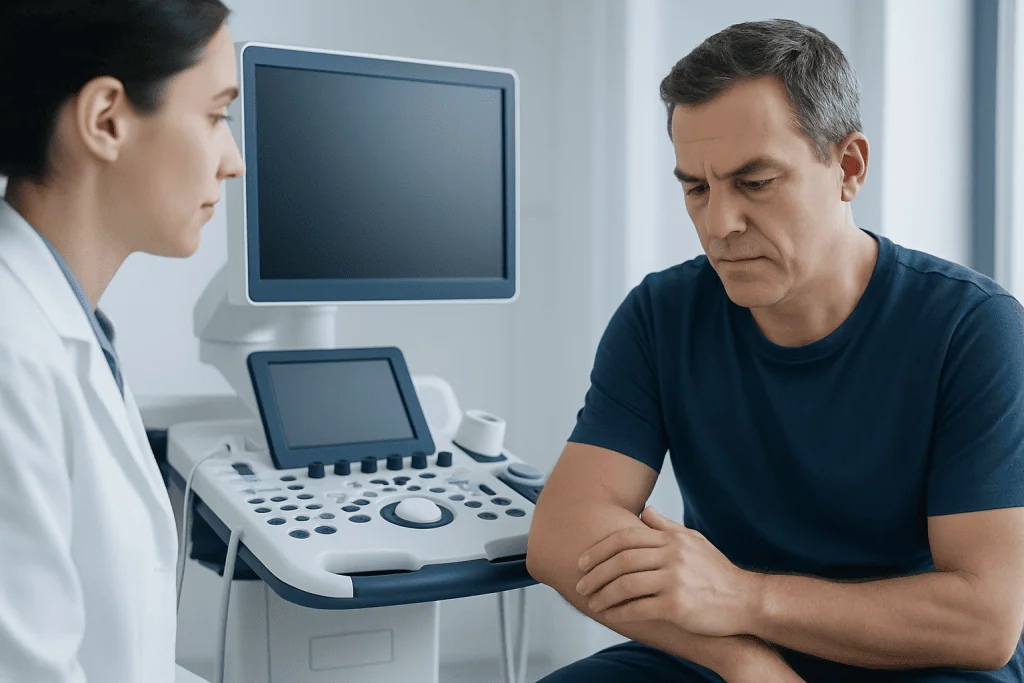
The most obvious symptom is visible swelling. Some people notice a soft lump over the tip of the elbow, while others feel tightness around the joint. The skin may look normal, or it may appear pink or red if there is irritation or inflammation.
Other symptoms depend on the cause. A person may have pain when resting the elbow on a desk, tenderness to touch, or stiffness during bending and straightening. If the swelling comes after an injury, bruising and sudden discomfort are more likely. If it develops slowly, the area may be more noticeable than painful at first.
Certain symptoms deserve closer attention because they can point to infection or a more significant joint problem. These include:
- Warmth and marked redness over the elbow
- Fever or feeling generally unwell
- Rapidly increasing swelling
- Severe pain or inability to move the elbow normally
- Numbness, tingling, or weakness in the arm or hand
Because several conditions can cause elbow swelling, symptoms are usually interpreted together rather than one by one. For example, a painless, soft swelling after repeated leaning is often different from a hot, red, painful swelling with fever.
Causes of elbow swelling and who is at risk

The most common explanation for an elbow puffy look is olecranon bursitis. The olecranon bursa sits just under the skin at the tip of the elbow and helps reduce friction. Repeated pressure, a direct blow, overuse, or prolonged leaning can irritate it and lead to fluid buildup. Office work, manual labor, certain sports, and activities that involve frequent elbow contact can all contribute.
Injury is another common cause. A fall, impact, or twist can cause soft tissue swelling, bruising, or, less commonly, a fracture or dislocation. Swelling may also occur with tendon irritation or joint inflammation, especially when the elbow has been overworked. In some cases, nearby skin infection can spread and mimic bursitis.
Medical conditions can also make the elbow swell. Gout may trigger sudden inflammation due to crystal deposits, and rheumatoid arthritis can affect the elbow as part of a broader inflammatory joint disease. People with recurrent swelling may benefit from evaluation for gout or rheumatoid arthritis when symptoms or history suggest these conditions.
Less commonly, a puffy elbow is caused by infection within the bursa. This is more likely if there has been a cut, scrape, puncture, or frequent friction to the skin. Risk may also be higher in people with diabetes, immune system problems, chronic inflammatory disease, or repeated previous episodes of bursitis.
How doctors diagnose a puffy elbow
Diagnosis begins with a medical history and physical examination. A doctor usually asks when the swelling began, whether there was an injury, how much pain is present, and whether there are symptoms such as fever, redness, or stiffness. Work activities, sports, and habits such as leaning on the elbows can also offer useful clues.
During the exam, the doctor checks the size and location of the swelling, the temperature and color of the skin, the range of motion in the elbow, and whether there are signs of injury or infection. A soft swelling directly over the point of the elbow often suggests bursitis, but joint or bone problems may need to be ruled out.
Tests are not always necessary. If the cause seems straightforward and symptoms are mild, simple treatment may be recommended first. When the diagnosis is unclear, or when infection, fracture, crystal disease, or arthritis is suspected, additional evaluation may include imaging such as MRI or X-ray, blood tests, or aspiration of bursal fluid for laboratory analysis.
Fluid testing is especially helpful when infection or gout is a concern. The sample can be checked for bacteria, inflammatory cells, or crystals. This helps guide treatment and avoid unnecessary delays.
Treatment options for a puffy elbow
Treatment depends on the cause, severity, and whether the swelling is infected. For uncomplicated irritation or noninfectious bursitis, the first steps often include resting the elbow, avoiding pressure, applying cold packs for short periods, and using a compression wrap or protective elbow pad if advised by a clinician. Keeping the arm elevated when possible may also help reduce swelling.
A doctor may recommend pain-relieving or anti-inflammatory medicines when appropriate. If repeated pressure is the trigger, changing work habits or padding the elbow can be important for recovery and prevention. Physical therapy or targeted exercises may be useful when swelling is associated with strain, stiffness, or altered movement patterns.
When swelling is larger, persistent, or uncomfortable, a doctor may consider draining the fluid. In selected cases, the clinician may also discuss treatments directed at inflammation or the underlying condition, especially if there is gout or inflammatory arthritis. If there is concern about more complex elbow damage, assessment by specialists in orthopedics may be appropriate.
Infected bursitis needs prompt medical care. Treatment may involve antibiotics and sometimes drainage. If symptoms are severe, recurrent, or not improving, further procedures can be considered. The goal is to reduce swelling, protect elbow function, and address the reason the problem developed in the first place.
Self-care and prevention at home
Many mild cases improve with practical self-care. The key is reducing pressure and irritation while the area settles. Avoid leaning on the elbow, especially on hard surfaces, and consider using a cushion or padded support when working at a desk. Gentle use is usually better than repeated strain.
Cold packs can help during the first day or two after swelling appears or after a minor injury. A thin cloth should be placed between the skin and the cold source to protect the area. If a clinician advises compression, it should feel supportive but not tight enough to cause numbness, increased pain, or color change in the hand.
Long-term prevention focuses on reducing repeated stress. Helpful measures may include:
- Using elbow pads during sports or manual work
- Taking breaks from repetitive movements
- Improving workstation ergonomics
- Treating gout or inflammatory arthritis effectively when present
- Cleaning and protecting any cuts or scrapes near the elbow
Home care is not a substitute for medical attention if symptoms are worsening or unusual. A puffy elbow that keeps returning may signal an underlying issue that should be evaluated rather than repeatedly managed at home.
When to seek medical care
Medical care is recommended if an elbow puffy swelling develops after a significant injury, becomes very painful, or limits normal movement. The same applies if the swelling is growing quickly or does not improve with simple care over several days. A clinician can help determine whether the problem involves the bursa, the joint, the surrounding soft tissues, or bone.
Urgent assessment is important if there is fever, chills, spreading redness, warmth, pus, or feeling generally unwell. These features can suggest infection, which should not be managed with home remedies alone. A doctor should also assess people with diabetes, immune suppression, or recurrent episodes of swelling.
If symptoms are ongoing or the cause is uncertain, specialists may coordinate imaging, laboratory testing, and treatment planning. Acibadem International’s multidisciplinary specialists in JCI-accredited hospitals diagnose and treat elbow conditions for international patients, including cases that may need advanced imaging such as CT scan in selected situations.
Frequently asked questions
Is a puffy elbow always bursitis?
No. Bursitis is a common cause, but elbow swelling can also result from injury, arthritis, gout, infection, or irritation of nearby tissues. A doctor looks at the pattern of swelling, pain, redness, and movement to identify the most likely cause.
Can a puffy elbow go away on its own?
Yes, mild cases caused by pressure or minor irritation may improve with rest and protecting the elbow. Recovery is more likely if repeated leaning or overuse is stopped. However, persistent, painful, or red swelling should be checked by a clinician.
How can someone tell if an elbow swelling might be infected?
Signs that raise concern include warmth, redness, increasing pain, fever, and feeling unwell. The skin may also look inflamed or there may be a recent cut or scrape nearby. Because these features can suggest infected bursitis, prompt medical review is important.
Should a puffy elbow be massaged or pressed?
Usually not. Pressing, massaging, or repeatedly squeezing the area can worsen irritation and may increase discomfort. It is generally better to protect the elbow and let a doctor decide whether drainage or other treatment is needed.
What tests are usually needed for a swollen elbow?
Many people only need a medical history and physical examination. If the diagnosis is unclear or infection, fracture, gout, or arthritis is suspected, a doctor may order imaging, blood tests, or remove a small sample of fluid for testing.
When is elbow swelling an emergency?
It can be urgent if swelling follows major trauma, if the elbow cannot be moved, or if there is severe pain, numbness, or visible deformity. Fever, spreading redness, and rapid swelling also need prompt medical attention because they may indicate infection or a more serious condition.
References
- American Academy of Orthopaedic Surgeons
- National Institute of Arthritis and Musculoskeletal and Skin Diseases
- Mayo Clinic
- Merck Manual
- National Health Service
This article is for general information only and is not a substitute for professional medical advice. Please consult a qualified doctor about your individual situation.
Joint and spine care in Turkey — expert assessment & treatment
JCI-accredited · board-certified surgeons · reply within 24h
Add us as a Preferred Source to see more of our trusted health content across Google Search, AI Overviews and Discover.