Face Mask Using Honey: An Evidence-Based Guide for Patients

A face mask using honey may help moisturize skin and temporarily calm mild irritation. Medical-grade honey has the strongest evidence in wound care; kitchen honey is less predictable for facial use.
Key Takeaways
- A face mask using honey may help moisturize skin and temporarily calm mild irritation.
- Medical-grade honey has the strongest evidence in wound care; kitchen honey is less predictable for facial use.
- Honey is not a proven stand-alone treatment for acne, eczema, rosacea, or fungal skin conditions.
- Patch testing is important because honey and related bee products can trigger irritation or allergy.
- People with persistent rashes, painful acne, facial swelling, or signs of infection should seek medical advice.
A face mask using honey can be a simple skin-care option for hydration and short-term soothing, especially for dry or mildly irritated skin. Evidence suggests honey has moisturizing and antimicrobial properties, but it should be used carefully and is not a substitute for medical treatment of skin disease.
Overview: Can a Face Mask Using Honey Help?
A face mask using honey may help the skin feel softer, more hydrated, and less tight for a short time. Honey acts as a humectant, which means it can attract and hold water in the outer layer of skin. Some types of honey also have natural antimicrobial and anti-inflammatory activity, which is why honey has long been studied in wound care and skin health.
At the same time, it is important to set realistic expectations. Honey is not a cure for acne, eczema, rosacea, or allergic rashes. Most of the stronger medical evidence relates to wound dressings that use sterilized, medical-grade honey rather than ordinary supermarket honey applied as a cosmetic mask.
For patients who want a simple home skin-care step, honey can be reasonable if the skin is not broken, infected, or highly sensitive. A careful approach matters: use a small amount, keep contact time short at first, and stop if redness, burning, itching, or swelling develops.
What Honey May Do for the Skin
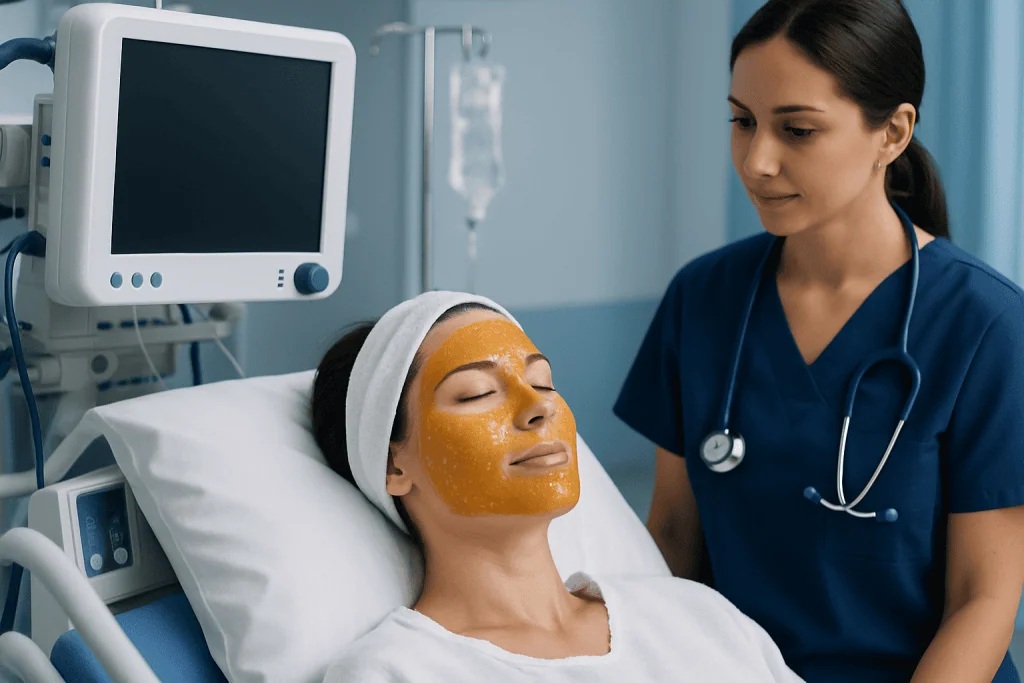
Honey is a complex natural substance made mostly of sugars, water, small amounts of acids, enzymes, and plant-derived compounds. On the skin, it may support moisture balance by helping reduce water loss from the surface. This can make the face feel smoother and more comfortable, especially in people with dryness from weather, over-cleansing, or irritation from skin-care products.
Laboratory research also suggests that some honeys can slow the growth of certain microorganisms and may help calm inflammation. This does not mean honey should replace proven treatment for facial acne or skin infections, but it helps explain why some people notice temporary soothing after use.
Patients should know that not all honey is the same. Botanical source, processing, storage, and contamination risk can all affect its properties. Medical-grade honey used in healthcare settings is sterilized and standardized for safety, while regular honey varies widely and is intended as a food rather than a treatment product.
- Possible benefit: hydration for dry or tight-feeling skin
- Possible benefit: short-term soothing of mild irritation
- Less certain benefit: support for acne-prone skin in some people
- Not proven: treatment for chronic inflammatory skin disease
Who May Benefit and Who Should Be Cautious

People most likely to benefit are those with normal to dry skin who want a gentle, fragrance-free mask with minimal ingredients. Honey may also appeal to patients who prefer to avoid heavily perfumed products or who are looking for a simple option to use occasionally rather than every day.
Caution is important in people with sensitive skin, known allergies to honey, pollen, propolis, royal jelly, or bee stings, and in anyone with active facial eczema, rosacea, or broken skin. These conditions can make the skin barrier more reactive. In such cases, even natural products may sting or worsen redness.
Honey should also be used carefully on acne-prone skin. While some people find it soothing, it can be sticky, occlusive for certain skin types, and difficult to wash off completely. Patients with ongoing acne often do better with a dermatologist-guided plan that may include products for acne rather than relying on home remedies alone.
How to Use a Honey Face Mask Safely
The safest method is to apply a thin layer of plain honey to clean, dry skin and leave it on for a short period, such as 10 to 15 minutes, before rinsing with lukewarm water. Rubbing should be avoided, especially around the eyes and on any inflamed areas. Patting the skin dry and following with a bland moisturizer can help reduce tightness after rinsing.
Before using honey on the full face, a patch test is recommended. A small amount can be applied to the inner arm or along the jawline and left on briefly. If no itching, swelling, redness, or burning appears over the next day, full-face use is less likely to cause a reaction, though irritation is still possible.
It is best not to mix honey with harsh ingredients such as lemon juice, baking soda, or strong essential oils. These combinations are common online but can disrupt the skin barrier and increase irritation. Patients interested in medically supported skin treatments may benefit more from a personalized plan that can include dermatology treatment when symptoms are persistent.
- Start with clean hands and a clean face
- Use a thin layer rather than a thick coating
- Keep first use short and observe the skin
- Avoid the eyes, lips if cracked, and any open cuts
- Stop immediately if stinging or rash occurs
What Honey Cannot Replace
Honey should be viewed as a supportive skin-care option, not a medical replacement. It does not substitute for treatments used for bacterial infection, fungal infection, moderate to severe acne, contact dermatitis, rosacea, or chronic inflammatory disease. Delaying medical care can allow symptoms to worsen and may increase discomfort or the risk of scarring.
For example, facial redness and scaling may be due to eczema, seborrheic dermatitis, rosacea, or an allergic reaction rather than simple dryness. Each of these conditions has different triggers and different treatment approaches. A home mask may briefly soften the skin surface but will not address the underlying cause.
Similarly, painful cystic acne, repeated breakouts, dark marks, or acne scars usually need more targeted care. In some cases, options such as acne treatment or assessment for related inflammatory skin problems such as eczema are more appropriate than repeated self-treatment at home.
Possible Risks, Side Effects, and Hygiene Concerns
The most common problems with a face mask using honey are irritation, stickiness, clogged-feeling skin, and allergy. Even when a product is natural, it can still cause a reaction. Burning, hives, worsening redness, eyelid swelling, or intense itching suggest the skin is not tolerating it well and the product should be washed off right away.
Another point patients may not consider is hygiene. Food-grade honey is not prepared as a sterile facial treatment. While this may not matter for healthy intact skin, it is a poor choice for open sores, recently treated skin, or skin that has been scratched. Broken skin is more vulnerable and should be assessed properly rather than covered with kitchen ingredients.
If a person has recently had a cosmetic procedure, laser treatment, peeling treatment, or microneedling, it is best to ask the treating clinician before applying honey or any home mask. Post-procedure skin often needs very simple, clinically recommended aftercare. In specialized settings, patients may receive advice through skin care and cosmetic dermatology services instead of experimenting with home mixtures.
When to Seek Medical Care
Medical advice is a good idea if facial symptoms are severe, persistent, spreading, or painful. A clinician should also assess any rash that blisters, crusts, oozes, or affects the eyes. These features may point to infection, allergy, or an inflammatory skin condition that needs proper diagnosis.
Patients should seek prompt care if they develop facial swelling, trouble breathing, widespread hives, or sudden severe itching after using honey, as these can be signs of an allergic reaction. Acne that leaves scars, red patches that do not improve, or repeated flares of itchy dry skin also deserve professional evaluation.
Near the end of the care pathway, some patients may benefit from specialist support. Acibadem International’s multidisciplinary specialists and JCI-accredited hospitals diagnose and treat skin concerns for international patients when evaluation and tailored management are needed.
Frequently asked questions
Is a face mask using honey good for acne?
It may soothe some acne-prone skin, but it is not a proven stand-alone acne treatment. Mild cases may tolerate it, while others may find it sticky or irritating. Persistent, painful, or scarring acne should be assessed by a qualified clinician.
How long should honey stay on the face?
A short contact time is usually best, especially for first-time use. Many people start with about 10 to 15 minutes and rinse with lukewarm water. If the skin stings or becomes red, it should be removed sooner.
Can honey lighten dark spots or acne marks?
There is no strong evidence that plain honey reliably fades dark spots on its own. Good sun protection and treatment tailored to the cause of pigmentation are usually more important. Patients with stubborn marks often need medical advice.
Is raw honey better than regular honey for the face?
Not necessarily. Raw honey is often promoted online, but it is not standardized for skin use and may vary in purity and composition. For facial care, safety and skin tolerance matter more than marketing terms.
Can people with eczema use honey on the face?
Some people with eczema may find honey soothing, but others may react because eczema-prone skin has a fragile barrier. It should never be used on cracked, weeping, or infected skin without medical advice. A patch test is especially important in this group.
What should not be mixed with honey in a face mask?
It is generally wise to avoid lemon juice, baking soda, and strong essential oils. These ingredients can irritate the skin and may worsen dryness or redness. A simple product with fewer ingredients is usually safer.
References
- American Academy of Dermatology
- National Eczema Association
- National Center for Complementary and Integrative Health
- Mayo Clinic
- World Health Organization
This article is for general information only and is not a substitute for professional medical advice. Please consult a qualified doctor about your individual situation.
Explore treatments in Turkey — costs, top hospitals & a free quote
JCI-accredited · board-certified surgeons · reply within 24h
Add us as a Preferred Source to see more of our trusted health content across Google Search, AI Overviews and Discover.

More from the Health Library

Yeast Extract: What Patients Need to Know

Bifid Uvula: A Complete Medical Overview

Sports Drink Hangover: What Patients Need to Know

Tiny Hard Lump on Labia Majora — Explained by Medical Evidence, Not Myths

Piriformis Stretch: An Evidence-Based Guide for Patients