Tokophobia: What Patients Need to Know

Tokophobia is a severe fear of pregnancy or childbirth, not simply normal pre-birth nerves. It may occur in people who have never given birth or after a previous traumatic pregnancy or delivery.
Key Takeaways
- Tokophobia is a severe fear of pregnancy or childbirth, not simply normal pre-birth nerves.
- It may occur in people who have never given birth or after a previous traumatic pregnancy or delivery.
- Symptoms can include panic, avoidance of pregnancy, sleep problems, and distress that affects daily life or prenatal care.
- Treatment may include counseling, trauma-focused therapy, anxiety management, and coordinated maternity support.
- Early discussion with a doctor, midwife, or mental health professional can improve comfort, planning, and safety.
Tokophobia is an intense fear of pregnancy or childbirth that goes beyond typical worry. It can affect people before conception, during pregnancy, or after a difficult birth experience, and support from mental health and maternity professionals can help.
What is tokophobia?
Tokophobia is an intense, persistent fear of pregnancy or childbirth. While many people feel some uncertainty about labor, pain, or parenthood, tokophobia is stronger and more disruptive. It may lead a person to avoid pregnancy, feel overwhelmed during prenatal care, or experience severe distress when thinking about giving birth.
This fear can affect people who are trying to conceive, those who are already pregnant, and those who have had a previous birth. Some people develop tokophobia without ever having been pregnant before, while others develop it after a difficult or traumatic reproductive experience. In both situations, the fear is real and deserves careful, respectful attention.
Tokophobia is often discussed within mental health and women’s health because it can influence emotional well-being, relationships, reproductive choices, and medical decision-making. It can also exist alongside other conditions such as anxiety disorders or depression. Recognizing it early can help patients receive the right support instead of struggling in silence.
How tokophobia may feel in daily life
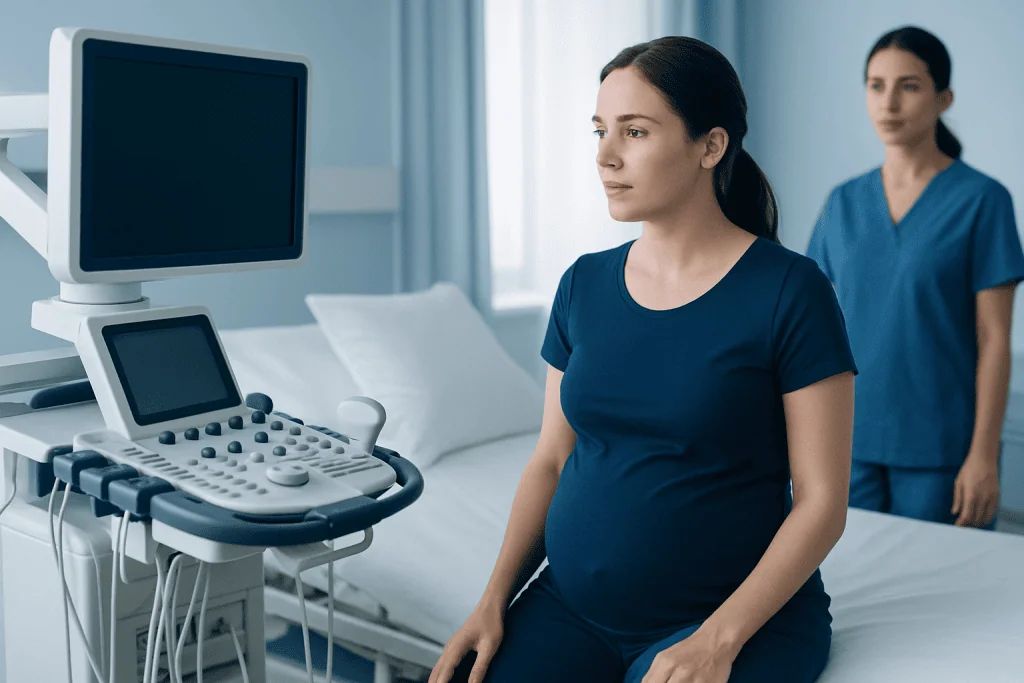
Tokophobia is not defined only by fear during labor. For many patients, it can affect daily life long before childbirth is near. Thoughts about pregnancy may trigger panic, dread, physical tension, or a strong urge to avoid conversations, medical visits, or sexual activity. Some people feel trapped between wanting a child and fearing the process of pregnancy or birth.
Common emotional and physical experiences may include:
- Persistent fear or panic when thinking about pregnancy or labor
- Difficulty sleeping because of repetitive worries
- Avoidance of prenatal appointments or birth-related information
- Racing heart, nausea, sweating, or shaking when discussing childbirth
- Intrusive memories of past reproductive trauma
- Feelings of shame, guilt, or isolation
These experiences can affect family relationships and communication with care teams. A person with tokophobia may worry that others will dismiss the fear as exaggeration, but a supportive clinical approach can make a major difference. When the fear is identified clearly, patients and clinicians can work together on a plan that addresses both emotional safety and obstetric care.
Primary and secondary tokophobia

Clinicians often describe tokophobia as primary or secondary. Primary tokophobia refers to severe fear of pregnancy or childbirth in someone who has not previously given birth. This fear may begin in adolescence or early adulthood and can be shaped by hearing traumatic birth stories, exposure to frightening media, fear of pain, fear of losing control, or pre-existing anxiety.
Secondary tokophobia develops after a previous distressing reproductive experience. This may include a traumatic labor, emergency delivery, miscarriage, stillbirth, pregnancy complications, severe pain, loss of dignity during care, or symptoms related to post-traumatic stress disorder. In these cases, fear may be linked to specific memories and can return strongly in a later pregnancy.
Not everyone with childbirth fear fits neatly into one category, and patients may have several overlapping reasons for distress. What matters most is not the label itself, but understanding the person’s experience and planning support around it.
Causes and risk factors
There is no single cause of tokophobia. It usually develops through a combination of psychological, medical, and social factors. A personal history of anxiety, depression, trauma, sexual assault, or difficult medical experiences may increase vulnerability. Fear can also be reinforced by stories from relatives, distressing online content, or a sense of mistrust toward healthcare settings.
Pregnancy-related uncertainty can also play a role. Some patients fear labor pain, emergency procedures, bleeding, injury, loss of control, or harm to the baby. Others may feel especially distressed by body changes, vaginal examinations, or the unpredictability of childbirth. In some cases, fertility treatment, prior pregnancy loss, or high-risk pregnancy concerns can heighten anxiety further.
Risk factors do not mean that tokophobia will definitely occur, but they can help explain why one person feels overwhelmed while another does not. Important factors may include:
- Past traumatic birth or miscarriage
- History of anxiety, depression, or trauma
- Sexual trauma or fear related to intimate examinations
- Lack of social support
- High-risk pregnancy or complex medical history
- Negative prior experiences with healthcare
Because these factors often overlap, treatment usually works best when emotional care and maternity care are coordinated rather than handled separately.
How tokophobia is diagnosed
Tokophobia is diagnosed clinically, which means a qualified healthcare professional asks about symptoms, their severity, and how much they interfere with daily life or pregnancy care. There is no single laboratory test for tokophobia. Assessment may be done by an obstetrician, family doctor, psychiatrist, psychologist, or another clinician involved in perinatal care.
During evaluation, the clinician may ask when the fear began, whether there has been a previous traumatic pregnancy or birth, and whether panic attacks, depression, or trauma symptoms are also present. They may also ask how the fear is affecting sleep, relationships, attempts to conceive, or attendance at prenatal appointments. This helps distinguish tokophobia from more typical childbirth worries.
Sometimes clinicians screen for related conditions, especially if symptoms suggest broader mental health needs. For example, a patient may benefit from assessment for psychiatric care if there are significant anxiety symptoms, depression, trauma responses, or intrusive thoughts. Diagnosis is not about judging reproductive choices; it is about identifying distress and offering practical support.
Treatment and supportive care
Treatment for tokophobia depends on the person’s history, stage of pregnancy, and symptom severity. In many cases, psychological therapy is central. Talking therapies can help patients understand their fear, process trauma, build coping strategies, and communicate more effectively with maternity teams. Supportive education about labor and birth may also reduce fear when it is delivered gently and at the patient’s pace.
Approaches that may be helpful include counseling, cognitive behavioral therapy, trauma-focused therapy, relaxation training, and coordinated birth planning. Some patients benefit from care that combines obstetrics and mental health, especially if prior trauma or panic is affecting prenatal visits. If anxiety or depression is significant, a doctor may discuss whether psychological support or other mental health treatment is appropriate.
For pregnant patients, practical planning often matters as much as emotional treatment. This can include discussing pain relief options, identifying triggers, limiting unnecessary repetition of difficult examinations, and creating a clear labor plan with room for flexibility. In selected cases, doctors may also discuss delivery planning based on obstetric and mental health needs, but decisions should be individualized and made with qualified maternity specialists.
Near the end of care planning, some patients may want a multidisciplinary review that includes obstetrics, mental health, and newborn care. Acibadem International’s multidisciplinary specialists and JCI-accredited hospitals diagnose and treat this condition for international patients, including access to gynecology and obstetrics when pregnancy-related support is needed.
Self-care, preparation, and coping strategies
Self-care does not replace professional treatment, but it can support recovery and improve day-to-day functioning. Many patients feel better when they have consistent information from trusted clinicians rather than searching widely online. A calm, predictable care routine can reduce uncertainty and make appointments feel more manageable.
Helpful coping strategies may include:
- Sharing fears openly with a doctor, midwife, or therapist
- Bringing a support person to appointments if allowed
- Practicing breathing exercises, grounding skills, or guided relaxation
- Writing down questions before visits
- Asking for explanations before examinations or procedures
- Limiting exposure to distressing birth stories or unreliable social media content
Patients who have had trauma may also benefit from trauma-informed care, where clinicians explain each step, seek permission before examinations, and discuss alternatives when possible. Even small adjustments in communication can help restore a sense of control. If fertility concerns are also part of the picture, some patients may need additional support through fertility treatment services or preconception counseling.
When to seek medical care
Medical care should be sought when fear of pregnancy or childbirth becomes intense, persistent, or hard to control. This is especially important if the fear is causing panic attacks, avoiding prenatal care, relationship strain, inability to consider pregnancy despite personal wishes, or severe distress during an ongoing pregnancy. Early help can prevent symptoms from becoming more disruptive.
Urgent medical or mental health assessment is needed if there are thoughts of self-harm, hopelessness, severe depression, inability to function, or overwhelming anxiety that feels unsafe. Pregnant patients should also contact their maternity team promptly if fear is stopping them from attending essential appointments or following important pregnancy advice.
Reaching out for help is a sign of appropriate self-care, not weakness. A doctor, midwife, or mental health professional can help identify whether tokophobia is present and guide the next steps in a safe, respectful way.
Frequently asked questions
Is tokophobia the same as normal fear of childbirth?
No. Many people have some worries about labor, pain, or parenting, but tokophobia is more intense and persistent. It usually causes significant distress or avoidance and may interfere with pregnancy decisions or prenatal care.
Can someone have tokophobia even if they want a baby?
Yes. A person may strongly want to become a parent and still feel severe fear of pregnancy or childbirth. This conflict can be emotionally exhausting, which is why supportive counseling and medical guidance are often helpful.
What causes tokophobia?
Tokophobia can arise from several factors, including previous traumatic birth experiences, anxiety, depression, sexual trauma, miscarriage, or fear of pain and loss of control. Sometimes there is no single cause, and the fear develops from a combination of personal and social influences.
Can tokophobia be treated during pregnancy?
Yes. Treatment during pregnancy may include counseling, therapy, anxiety management techniques, and careful planning with the maternity team. The goal is to improve emotional well-being while supporting safe prenatal care and delivery planning.
Does tokophobia mean a person will need a cesarean birth?
Not necessarily. Delivery decisions depend on both obstetric and mental health factors and should be individualized. Some patients benefit from detailed birth planning and emotional support without needing a cesarean, while others may discuss different options with their care team.
When should a person talk to a doctor about tokophobia?
A doctor should be consulted when fear of pregnancy or childbirth feels overwhelming, lasts over time, or affects daily life, conception plans, or prenatal visits. Prompt medical attention is especially important if there is panic, severe depression, or thoughts of self-harm.
References
- World Health Organization
- American College of Obstetricians and Gynecologists
- Royal College of Obstetricians and Gynaecologists
- National Institute for Health and Care Excellence
- American Psychiatric Association
This article is for general information only and is not a substitute for professional medical advice. Please consult a qualified doctor about your individual situation.
Explore treatments in Turkey — costs, top hospitals & a free quote
JCI-accredited · board-certified surgeons · reply within 24h
Add us as a Preferred Source to see more of our trusted health content across Google Search, AI Overviews and Discover.

More from the Health Library

Mandela Effect: What Patients Need to Know
Gallbladder Ultrasonography — Explained by Medical Evidence, Not Myths

Organs on Right Side of Body: An Evidence-Based Guide for Patients

Types of Squats — Explained by Medical Evidence, Not Myths

Micropeins: What Patients Need to Know