Best Exercises for Balance: An Evidence-Based Guide for Patients

The best exercises for balance usually combine stability practice, leg strengthening, and controlled movement. Consistency matters more than intensity; short sessions done several times a week are often most effective.
Key Takeaways
- The best exercises for balance usually combine stability practice, leg strengthening, and controlled movement.
- Consistency matters more than intensity; short sessions done several times a week are often most effective.
- Balance problems can come from muscles and joints, vision, inner ear disorders, medication effects, or neurological conditions.
- Safety is essential: exercises should be done near a stable support, especially for older adults or anyone with dizziness.
- New, severe, or worsening balance problems should be assessed by a qualified doctor.
The best exercises for balance are simple, evidence-based movements that challenge standing stability, leg strength, posture, and coordination without unnecessary risk. For many adults, the most useful routine combines one-leg standing, heel-to-toe walking, sit-to-stands, side leg raises, and gentle tai chi-style weight shifts practiced consistently.
Overview: Which exercises help balance most?
The best exercises for balance are those that safely train the body to stay steady during everyday movement. In practice, this usually means a small group of proven activities: standing on one leg, walking heel-to-toe, rising from a chair without using the hands when appropriate, shifting weight from side to side, and strengthening the hips and legs. Gentle movement systems such as tai chi are also widely recommended because they improve body awareness, posture, and controlled stepping.
Balance is not a single skill. It depends on the brain, inner ear, eyes, muscles, joints, and nerves working together. That is why a useful balance program does more than simply ask a person to “stand still.” It challenges posture, coordination, reaction time, leg strength, and confidence in movement.
For most people, the best results come from regular practice rather than difficult workouts. A short routine performed several times a week is often more beneficial than occasional intense sessions. Exercises should feel appropriately challenging but still safe, and support such as a wall, kitchen counter, or sturdy chair should be available when needed.
How balance works and why it can decline
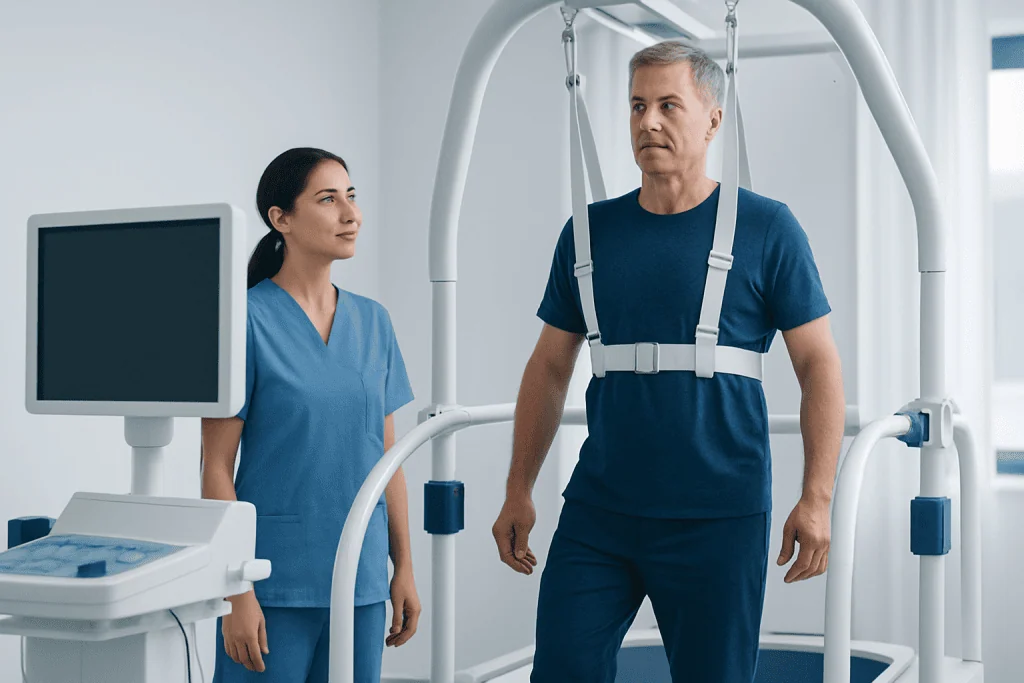
Good balance depends on three major input systems: vision, the inner ear vestibular system, and sensory feedback from muscles and joints. The brain combines this information and tells the body how to adjust posture. If one part is not working well, a person may feel unsteady, sway more, or have trouble turning, stepping, or standing on uneven ground.
Balance can decline with age because muscle strength, reaction speed, joint flexibility, and sensory function may gradually change. However, age is only one factor. Deconditioning after illness, pain from arthritis, poor footwear, medication side effects, low blood pressure, diabetes-related nerve problems, vision changes, and inner ear conditions can all play a role.
Sometimes balance symptoms are linked to a specific disorder. Vertigo, repeated dizziness, or imbalance with head movement may suggest an inner ear cause such as vertigo. Unsteadiness with numb feet, weakness, or slow gait may point to neurological or musculoskeletal issues. Because causes vary, the most effective exercise plan is one that matches the person’s symptoms, overall health, and fall risk.
Best evidence-based exercises for balance
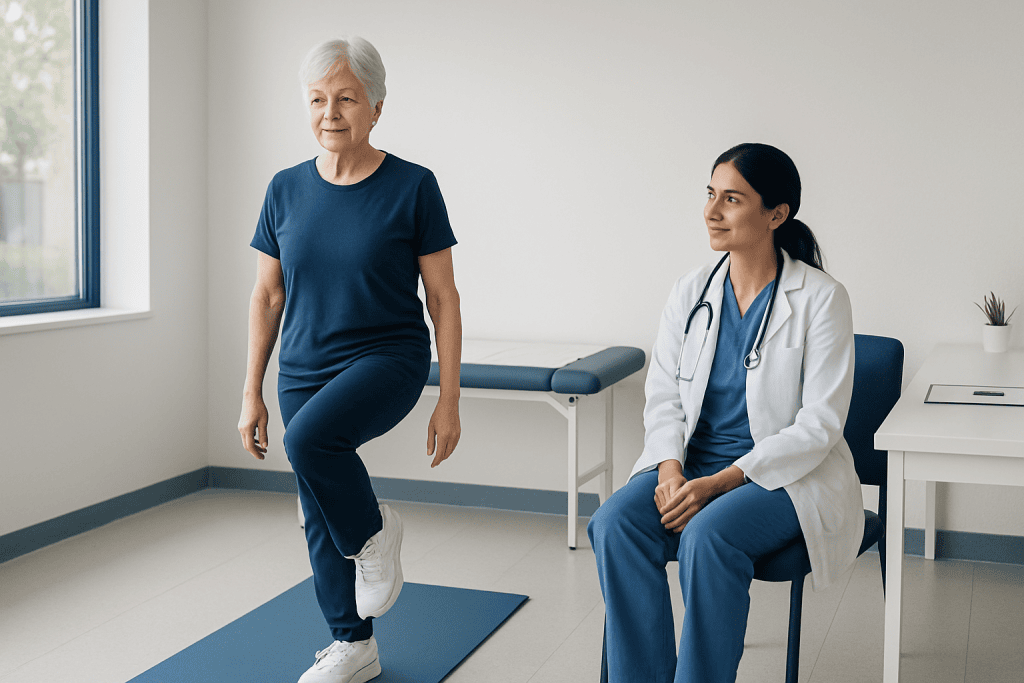
Many balance programs use a gradual “progressive challenge” approach. A person starts with easier movements using hand support, then slowly reduces support, changes foot position, adds gentle head turns, or practices on different surfaces if advised by a professional. This builds stability without increasing risk too quickly.
Examples of commonly recommended balance exercises include:
- Standing on one leg: Hold a counter or chair as needed, lift one foot slightly, and maintain upright posture. This trains single-leg stability used during walking and stairs.
- Heel-to-toe standing or walking: Place one foot directly in front of the other, as if on a line. This narrows the base of support and improves postural control.
- Weight shifts: Shift body weight from side to side and front to back while standing tall. This improves control during transfers and stepping.
- Sit-to-stands: Rise from a chair and sit back down with control. This strengthens the hips and thighs and supports safer standing and walking.
- Side leg raises and heel raises: These strengthen the muscles that stabilize the pelvis and ankles.
- Marching in place: Lifting one knee at a time improves coordination and single-leg control.
- Tai chi-style movements: Slow, flowing shifts in posture can improve balance, confidence, and fall prevention.
Not every exercise suits every patient. Someone with dizziness triggered by head motion may benefit from a vestibular-focused program, while someone recovering from joint pain may need strength and gait training first. If symptoms include persistent dizziness or difficulty with head movement, structured vestibular rehabilitation may be more helpful than general balance drills alone.
Exercises should be done with steady breathing and good posture, not by rushing. Quality matters more than repetition. If a movement causes sharp pain, significant fear of falling, or marked worsening of dizziness, it should be stopped and reviewed with a clinician.
How to build a safe and effective routine
A practical balance routine usually includes three components: stability exercises, strengthening, and functional movement practice. Stability work may include one-leg standing or tandem standing. Strengthening often targets the hips, thighs, calves, and core. Functional practice includes tasks such as turning, stepping, sitting, and standing with control.
Many patients do well with sessions lasting about 10 to 20 minutes, several times per week, though exact frequency should match medical advice, fitness level, and symptoms. Starting with easier versions is sensible. For example, one-leg standing can begin with both hands on a counter, then one hand, then fingertips, and eventually no support if safe.
Safety measures are essential. Exercises should be done in a well-lit space, on a stable floor, and near a secure support. Loose rugs, pets underfoot, and slippery socks can increase risk. Supportive footwear may help, especially for people with foot pain or reduced sensation.
Some people benefit from supervised care, especially after a fall, surgery, stroke, or prolonged illness. Guided physical therapy and rehabilitation can help identify which deficits matter most and how to progress safely. A therapist may also assess gait, strength, and posture, and adjust the program over time.
Who may need tailored balance exercises
Balance exercise is not one-size-fits-all. Older adults often need a fall-prevention focus that includes leg strengthening and safe stepping practice. People with arthritis may need low-impact modifications and attention to pain management. Those with diabetes may need extra foot care and caution if nerve sensation is reduced.
Patients with dizziness, motion sensitivity, or unsteadiness when turning the head may have a vestibular problem rather than simple weakness. In these cases, evaluation by an ear, nose, and throat specialist or neurologist may be appropriate. When symptoms are related to the inner ear, treatment may include a specific dizziness assessment and individualized exercises rather than general fitness advice.
Neurological conditions can also affect balance. Problems such as tremor, slowed movement, stiffness, numbness, or poor coordination may suggest disorders that need medical review. In some patients, balance changes can be part of a broader condition such as Parkinson’s disease, where exercise remains valuable but works best when integrated with specialist care.
People recovering from fractures, joint replacement, or spine problems may need a program that respects surgical precautions, pain levels, and healing stages. In these cases, supervised orthopedic rehabilitation may provide a safer path back to normal walking and daily activity.
Prevention and self-care to support better balance
Exercise works best when combined with simple daily habits that reduce balance strain. Strengthening sleep quality, staying hydrated, eating regularly, and reviewing medications with a doctor can all help. Some medicines may cause drowsiness, dizziness, or low blood pressure, which can make a person feel less steady.
Vision and hearing matter more than many people realize. Up-to-date glasses, proper lighting at home, and attention to hearing or ear problems can improve orientation and confidence. At home, practical fall-prevention steps include handrails on stairs, grab bars when needed, non-slip bathroom surfaces, and removing clutter from walkways.
Regular walking, resistance training, and flexibility work can support balance indirectly by improving endurance, posture, and lower-body strength. For many adults, the most effective routine is not an isolated “balance fix” but a broader movement plan that keeps the body active and adaptable.
Near the end of a care pathway, some patients choose specialist assessment if symptoms persist or the cause remains unclear. Acibadem International’s multidisciplinary specialists and JCI-accredited hospitals diagnose and treat balance-related conditions for international patients when more detailed evaluation is needed.
When to seek medical care
Balance problems should be assessed promptly if they are new, unexplained, or getting worse. Medical review is especially important after a fall, after a head injury, or if imbalance starts suddenly. A doctor can help determine whether the cause is related to the inner ear, nervous system, heart and circulation, medication effects, or another health issue.
Urgent care is important if balance trouble occurs with chest pain, fainting, severe headache, new weakness, facial drooping, trouble speaking, double vision, or one-sided numbness. These symptoms may point to a more serious condition and should not be attributed to simple deconditioning.
A planned medical visit is also sensible if dizziness continues for days, if a person avoids activity because of fear of falling, or if daily tasks such as showering, climbing stairs, or walking outside have become difficult. Assessment may include a physical exam, medication review, hearing or vestibular testing, gait evaluation, and, when appropriate, neurological rehabilitation or other targeted treatment.
Frequently asked questions
What are the best exercises for balance at home?
For many adults, the most helpful home exercises are one-leg standing with support nearby, heel-to-toe walking, sit-to-stands, side leg raises, and controlled weight shifts. The best routine is one that is safe, matches the person’s ability, and is practiced regularly.
How often should balance exercises be done?
Many people benefit from short sessions several times a week rather than occasional long workouts. The ideal schedule depends on age, fitness, symptoms, and medical conditions, so a clinician or therapist may suggest a tailored plan.
Can balance be improved at any age?
Yes. Balance can often improve with practice because strength, coordination, and movement confidence can respond to training across the lifespan. Progress may be slower in some people, but consistent exercise can still be valuable.
Are balance exercises enough to prevent falls?
They are an important part of fall prevention, but they are not the only factor. Vision care, medication review, home safety changes, proper footwear, and treatment of dizziness or nerve problems may also be needed.
Should a person exercise if balance problems come with dizziness?
Sometimes yes, but the cause of dizziness matters. If symptoms are frequent, severe, or triggered by head movement, a doctor should assess the problem before starting or progressing exercises, because vestibular-specific treatment may be more appropriate.
When should someone stop a balance exercise?
An exercise should be stopped if it causes sharp pain, near-fainting, chest symptoms, marked shortness of breath, or a strong sense that a fall is likely. Worsening neurological symptoms or severe dizziness should also prompt medical advice.
References
- World Health Organization
- Centers for Disease Control and Prevention
- National Institute on Aging
- American Physical Therapy Association
- National Institute of Neurological Disorders and Stroke
This article is for general information only and is not a substitute for professional medical advice. Please consult a qualified doctor about your individual situation.
Joint and spine care in Turkey — expert assessment & treatment
JCI-accredited · board-certified surgeons · reply within 24h
Add us as a Preferred Source to see more of our trusted health content across Google Search, AI Overviews and Discover.
Check your numbers in seconds
BMI, calories, due date, blood pressure and 30+ more clinical calculators — free, instant, doctor-reviewed ranges.

More from the Health Library

Blood Thinners and Alcohol: An Evidence-Based Guide for Patients

Pressure Points to Cause Labor: An Evidence-Based Guide for Patients

Toasted Sesame Oil: An Evidence-Based Guide for Patients

Olanzapine: An Evidence-Based Guide for Patients

Baking soda and foot odor: A Complete Medical Guide for Patients