Cesarean Operation Recovery: An Evidence-Based Guide for Patients

Most cesarean operation recovery happens over about 6 weeks, though full strength may take longer. Early walking, good pain control, hydration, and rest can support safer healing.
Key Takeaways
- Most cesarean operation recovery happens over about 6 weeks, though full strength may take longer.
- Early walking, good pain control, hydration, and rest can support safer healing.
- The incision should be kept clean and dry, and worsening redness, drainage, fever, or severe pain needs medical review.
- Heavy lifting, strenuous exercise, and driving should wait until a clinician says it is safe.
- Emotional recovery matters too; low mood, anxiety, or bonding difficulties deserve support.
Cesarean operation recovery is a gradual process that usually improves over several weeks, with the first days focused on pain control, gentle movement, and wound care. Most people can expect steady healing, but recovery varies depending on the birth experience, overall health, and whether any complications occurred.
Overview: What to Expect During Cesarean Operation Recovery
Cesarean operation recovery usually involves a hospital stay of a few days, followed by several weeks of healing at home. In the first 24 to 72 hours, the main goals are controlling pain, helping the person move safely, monitoring bleeding, and supporting feeding and bonding with the baby. Although a cesarean birth is common, it is still major abdominal surgery, so recovery often takes longer than after an uncomplicated vaginal birth.
Most people notice the biggest improvement in the first 2 weeks, but tiredness, abdominal tenderness, and reduced stamina can continue for 4 to 6 weeks or longer. The incision on the abdomen may feel sore, numb, itchy, or tight as it heals. It is also normal to have vaginal bleeding for days to weeks after birth, because the uterus is recovering as well.
Recovery does not follow exactly the same timeline for everyone. Factors such as emergency versus planned surgery, blood loss, infection, preeclampsia, diabetes, anemia, sleep deprivation, and the demands of newborn care can all affect how quickly someone feels stronger. A realistic recovery plan focuses on gradual progress rather than trying to return to normal too quickly.
How Recovery Usually Progresses Week by Week
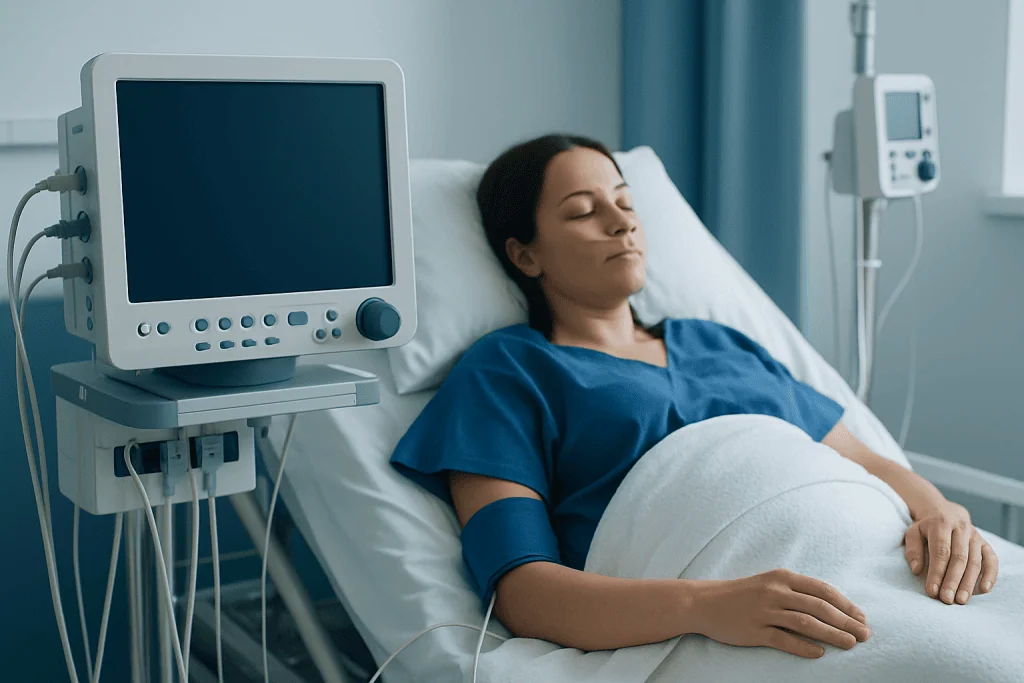
In the first few days, pain is usually most noticeable when standing up, coughing, laughing, or changing position in bed. Many patients still feel swollen, constipated, and very tired. Gentle movement is encouraged early because it lowers the risk of blood clots, helps bowel function return, and can support overall recovery.
During the first 1 to 2 weeks at home, daily tasks often need to be simplified. Walking short distances is usually helpful, but lifting should be limited to the baby and essential light items unless a clinician advises otherwise. Rest matters, but complete bed rest is generally not recommended because it can slow circulation and recovery.
By weeks 3 to 6, incision pain often becomes milder and energy begins to improve, though many people still need regular breaks. Light activity may feel easier, but abdominal muscles are still healing internally even if the skin looks better. Full recovery can extend beyond 6 weeks, especially after a difficult labor, infection, or other postpartum complication.
- Days 1-3: pain control, walking, urination, bowel recovery, bleeding checks
- Weeks 1-2: incision care, fatigue management, gentle daily movement
- Weeks 3-6: improving mobility, gradual return to routine, follow-up review
- After 6 weeks: individualized return to exercise, driving, work, and sexual activity
Common Symptoms and Normal Healing Signs

It is common to have pain or tenderness around the incision, cramping as the uterus shrinks, light to moderate vaginal bleeding, and a feeling of pulling or tightness across the lower abdomen. Some numbness or altered sensation near the scar can also happen because small nerves in the skin take time to recover. These symptoms usually improve gradually rather than all at once.
Many people also experience gas pain, constipation, shoulder discomfort from trapped gas after surgery, swelling in the legs or feet, and difficulty finding comfortable positions for sleep or feeding. Fatigue is especially common because surgery recovery happens at the same time as hormonal changes, night waking, and blood loss from childbirth.
Emotional changes are also part of recovery. Some people feel disappointed if the birth did not go as planned, while others feel relief or gratitude. Mood swings, tearfulness, and feeling overwhelmed can occur in the early postpartum period, but persistent sadness, panic, hopelessness, or difficulty bonding with the baby should not be ignored and deserve prompt support.
What Supports Healing at Home
Home recovery is usually safer and more comfortable when support is planned in advance. Help with meals, household tasks, and infant care allows the patient to focus on rest, pain control, feeding, hydration, and short walks. Good pain management is important because uncontrolled pain can make breathing deeply, moving, and sleeping more difficult.
The incision should usually be kept clean and dry, with care instructions followed exactly as given by the surgical team. Showering is often allowed, but soaking in a bath or pool may need to wait until the wound has healed and a clinician says it is safe. Wearing loose clothing and supporting the abdomen with a pillow during coughing or sneezing can reduce discomfort.
Nutrition and hydration also matter. Fluids, fiber-rich foods, and gentle movement may reduce constipation, which is common after surgery and pain medicine use. If pelvic floor symptoms, persistent abdominal weakness, or scar discomfort continue, a doctor may recommend rehabilitation approaches such as physical therapy and rehabilitation as part of postpartum recovery.
- Take medicines only as prescribed or recommended by a qualified clinician
- Walk a little every day and increase gradually
- Avoid smoking, as it can impair healing
- Use help when lifting, shopping, cleaning, or climbing stairs repeatedly
Possible Complications and Risk Factors
Most cesarean recoveries are uncomplicated, but clinicians watch for several known risks after surgery. These include wound infection, heavy bleeding, blood clots, urinary tract infection, pneumonia, bowel problems, and delayed healing. The risk may be higher after emergency cesarean birth, prolonged labor, obesity, diabetes, smoking, severe anemia, or rupture of membranes lasting a long time before delivery.
Warning signs can include worsening rather than improving pain, fever, redness spreading around the incision, pus-like drainage, a bad smell from the wound, chest pain, shortness of breath, or one-sided leg swelling. Heavy vaginal bleeding, passing large clots, fainting, or severe headaches also need medical assessment. Some postpartum problems are unrelated to the incision itself, so the whole-body recovery picture matters.
Doctors may also consider other conditions that can affect postpartum healing, such as anemia after blood loss or deep vein thrombosis when leg pain or swelling raises concern for a clot. Recognizing complications early can make treatment simpler and safer, which is why follow-up appointments are an important part of recovery.
Medical Follow-Up, Pain Relief, and Treatment Options
Follow-up care after a cesarean birth usually includes a wound check if needed and a broader postpartum review within the weeks after delivery. At these visits, clinicians assess incision healing, bleeding, bladder and bowel function, emotional wellbeing, blood pressure, breastfeeding concerns, and readiness to return to normal activities. If symptoms are unusual, additional tests such as blood work or imaging may be arranged.
Pain treatment often starts with routine pain-relief medicines recommended by the care team, along with practical measures such as splinting the abdomen with a pillow, changing position slowly, and walking regularly. If an infection is suspected, antibiotics may be needed. If heavy bleeding, severe pelvic pain, or retained tissue is a concern, doctors may perform further evaluation, including ultrasound.
Some patients need more specialized treatment for postpartum complications, especially if there is persistent abdominal pain, a suspected collection of fluid, or ongoing wound problems. In selected cases, CT scan or surgical review may help clarify the cause. Near the end of recovery planning, it may be helpful to know that Acibadem International’s multidisciplinary specialists in JCI-accredited hospitals diagnose and treat postpartum and surgical recovery concerns for international patients.
When to Seek Medical Care
Medical advice should be sought promptly if symptoms are severe, sudden, or clearly worsening. This includes fever, increasing incision pain, redness or drainage from the wound, heavy vaginal bleeding, a foul-smelling discharge, chest pain, shortness of breath, or leg swelling on one side. These symptoms do not always mean a serious complication, but they should be checked quickly.
Urgent care is also important for severe headache, vision changes, fainting, confusion, seizures, or blood pressure concerns after birth. Postpartum complications such as infection, blood clots, or hypertensive disorders can appear after discharge from the hospital. Emotional warning signs, including thoughts of self-harm, inability to care for the baby, or intense hopelessness, are medical concerns and deserve immediate support.
Even less urgent issues are worth discussing if they interfere with daily life. Persistent constipation, significant urinary symptoms, ongoing numbness or pain at the scar, difficulty moving, or mood symptoms that last beyond the first couple of weeks should be reviewed by a qualified doctor or postpartum care team.
Frequently asked questions
How long does cesarean operation recovery take?
Many people feel significantly better by about 6 weeks, but full recovery can take longer. Fatigue, scar sensitivity, and reduced core strength may continue for several weeks or months, depending on the individual and whether complications occurred.
Is it normal to have pain around the incision after a C-section?
Yes. Soreness, tightness, itching, and some numbness around the incision can be part of normal healing. Pain should gradually improve, not become worse over time, and severe or increasing pain should be reviewed by a doctor.
When can someone drive after a cesarean birth?
Driving should usually wait until the person can brake suddenly, turn comfortably, and move without significant pain. They should also follow local guidance and the advice of their surgeon or obstetrician, especially if they are still using medicines that can impair alertness.
What activities should be avoided during cesarean operation recovery?
Heavy lifting, intense exercise, and strenuous household work are usually avoided in the early recovery period. The timing of return to sex, gym activity, and work depends on healing, symptoms, and a clinician’s assessment at follow-up.
How should the cesarean incision be cared for?
The incision is generally kept clean and dry, and patients should follow the discharge instructions given by their care team. Redness that spreads, pus-like drainage, opening of the wound, or a bad smell should be reported promptly.
Can emotional symptoms be part of cesarean recovery?
Yes. Hormonal changes, surgery, pain, and sleep loss can all affect mood after birth. Temporary tearfulness can be common, but ongoing depression, panic, or difficulty coping should be discussed with a healthcare professional.
This article is for general information only and is not a substitute for professional medical advice. Please consult a qualified doctor about your individual situation.
Explore treatments in Turkey — costs, top hospitals & a free quote
JCI-accredited · board-certified surgeons · reply within 24h
Add us as a Preferred Source to see more of our trusted health content across Google Search, AI Overviews and Discover.

More from the Health Library

Pac Arrhythmia: An Evidence-Based Guide for Patients

Debloat: An Evidence-Based Guide for Patients

Polyuria: What Patients Need to Know

Cloudy Urine: An Evidence-Based Guide for Patients

Lime Powder — Explained by Medical Evidence, Not Myths