Lice Shampoo: What Patients Need to Know
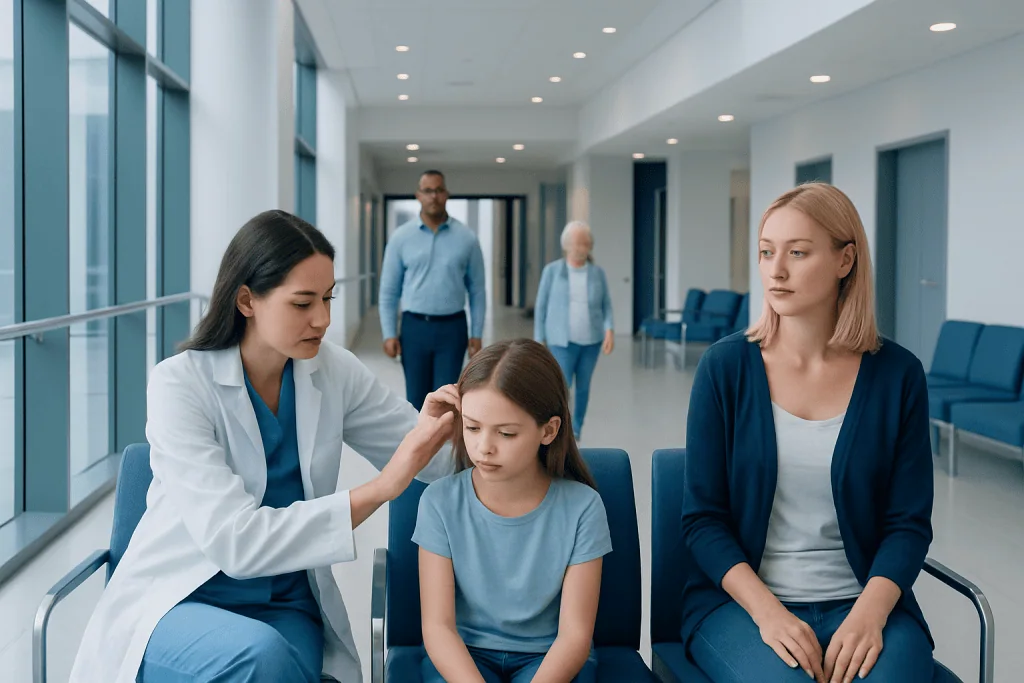
Lice shampoo is designed to treat head lice, not dandruff or other scalp conditions. Correct use matters: timing, repeat treatment, and nit combing can affect results.
Key Takeaways
- Lice shampoo is designed to treat head lice, not dandruff or other scalp conditions.
- Correct use matters: timing, repeat treatment, and nit combing can affect results.
- A person may still see empty eggs after treatment, so follow-up checks are important.
- Household cleaning should focus on recently used items rather than deep-cleaning everything.
- Medical advice is important for infants, pregnancy, scalp irritation, or treatment failure.
Lice shampoo is a common treatment for head lice, but successful care usually involves more than one wash. Patients often need careful application, nit combing, and follow-up checks to fully clear lice and reduce the chance of reinfestation.
Overview: What lice shampoo does
Lice shampoo is a medicated hair and scalp treatment used to kill head lice. For many patients, it can be effective when it is chosen appropriately, used exactly as directed, and paired with fine-tooth combing to remove lice and eggs. It is meant for head lice infestation, not for other common scalp problems such as dryness, dandruff, or eczema.
Head lice are small insects that live on the scalp and feed on blood. They spread mainly through direct head-to-head contact, especially among school-aged children, but adults can also be affected. Having lice does not mean a person is unclean. Lice can affect anyone, regardless of hair type, hygiene, or living conditions.
Different lice shampoos contain different active ingredients. Some kill live lice, while others also affect newly hatched lice when treatment is repeated at the correct time. Because no single product is ideal for every situation, clinicians may recommend a particular option based on age, skin sensitivity, pregnancy status, or whether previous treatments have failed.
How to recognize head lice
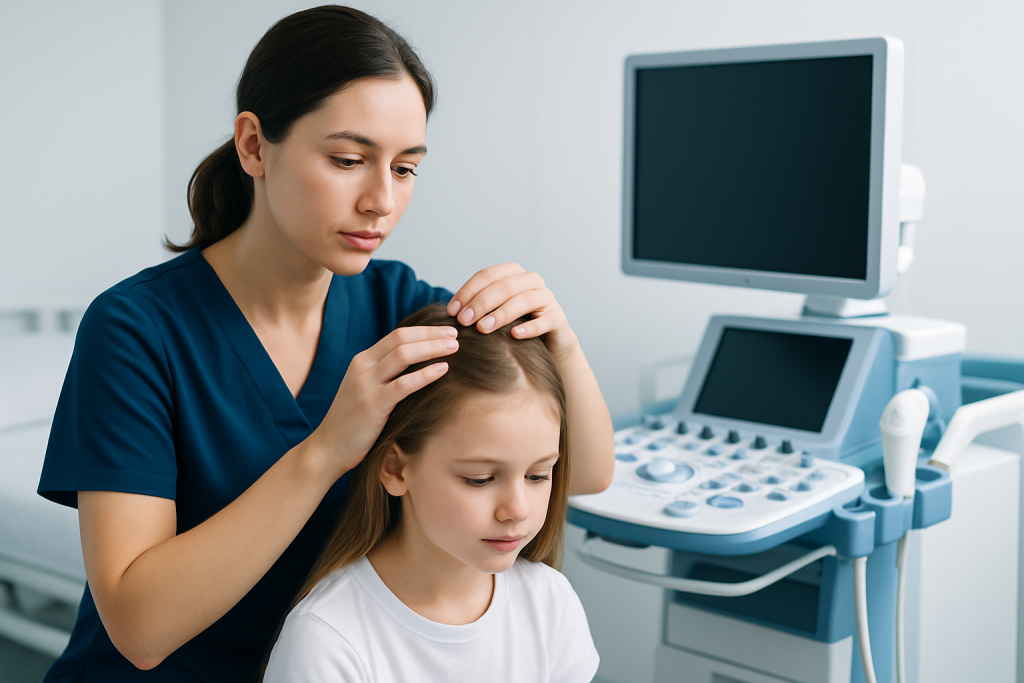
The most common symptom of head lice is itching, especially behind the ears and at the back of the neck. This itching happens because the scalp reacts to louse bites. However, not everyone feels itchy right away, so some people have lice without obvious symptoms.
Patients or parents may also notice live lice moving in the hair, tiny eggs called nits attached firmly to hair shafts, or small scratch marks on the scalp from itching. Nits are often confused with dandruff or hair product residue, but unlike dandruff, nits usually do not brush off easily.
Careful checking in bright light is important. A fine-tooth lice comb can help detect both lice and nits. If the scalp is flaky, red, or inflamed and the diagnosis is unclear, a doctor may help distinguish lice from other scalp conditions such as dermatitis or fungal infection, including scalp fungal infections.
- Itching of the scalp
- A tickling or crawling feeling in the hair
- Visible lice or attached nits
- Irritation from scratching
How to use lice shampoo correctly
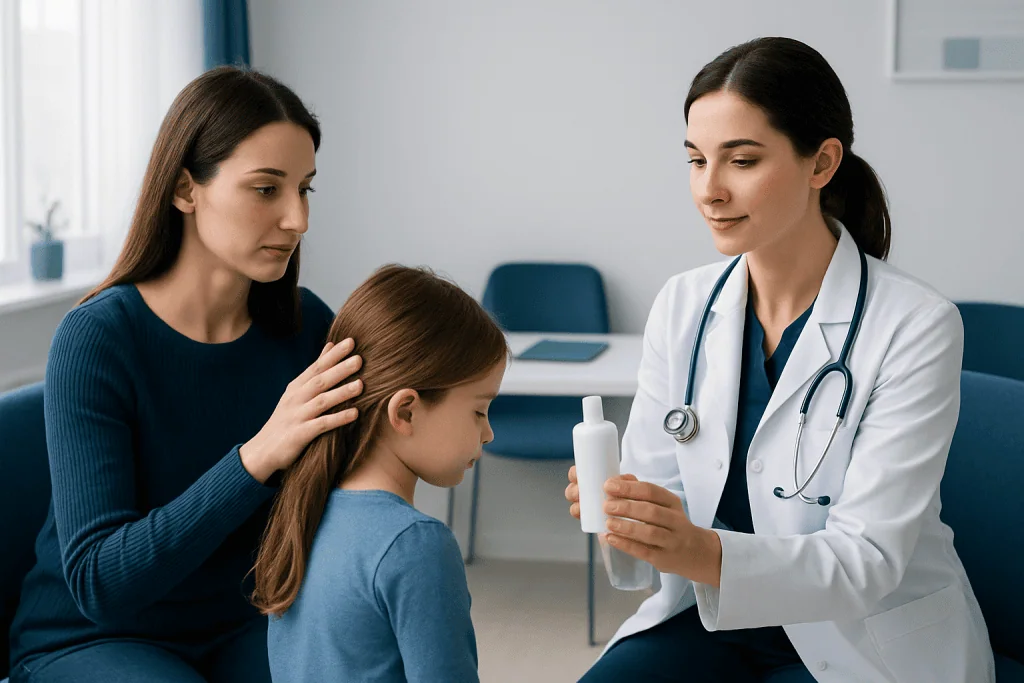
Using lice shampoo correctly is one of the most important parts of treatment. Patients should read the product instructions carefully because different formulations are used in different ways. Some are applied to dry hair, others to damp hair; some should be left on for a specific number of minutes and then rinsed. Using more than directed or leaving it on longer does not necessarily improve results and may increase skin irritation.
After treatment, many experts recommend using a fine-tooth nit comb to remove lice and eggs from the hair. Combing helps physically clear what the shampoo has killed and can improve the overall outcome. Hair should be divided into small sections and combed from scalp to ends, cleaning the comb between passes.
Many products require a second treatment after several days because eggs may survive the first application and then hatch later. This timing matters. If the second treatment is done too early or too late, live lice may remain. Patients should also avoid using more than one lice treatment at the same time unless a doctor specifically advises it.
If over-the-counter treatment has not worked, a clinician may recommend prescription options or review whether the diagnosis is truly lice. In some cases, a broader skin evaluation may be helpful through dermatology care.
Why treatment sometimes fails
Treatment does not always fail because the product is ineffective. A very common reason is incorrect use, such as not applying enough product, rinsing too soon, skipping the repeat treatment, or not checking close contacts. Reinfestation can also happen if a person is successfully treated but then has close contact with someone else who still has active lice.
Another reason is that some lice shampoos are less effective in certain communities where lice may be less sensitive to particular ingredients. This is one reason medical guidance can be useful when a patient has persistent lice despite carefully following instructions. A doctor may suggest a different treatment approach rather than repeating the same product several times.
Sometimes what looks like treatment failure is actually the presence of old nits or empty egg shells that remain attached to the hair. These do not always mean there are live lice. The key question is whether live, crawling lice are still being found during follow-up checks.
It is also helpful to make sure the scalp problem is truly lice and not another cause of itching or flaking. Conditions such as eczema, seborrheic dermatitis, or infection can mimic lice symptoms and may need different care, including assessment in dermatology and venereal diseases.
Safety, side effects, and who should ask a doctor first
Most lice shampoos are generally well tolerated when used as directed, but mild side effects can happen. These may include scalp irritation, redness, dryness, burning, or stinging. If a product gets into the eyes, it can cause significant discomfort, so careful rinsing and supervision of children are important.
Some people should speak with a doctor before choosing a lice shampoo. This includes infants, pregnant or breastfeeding patients, people with asthma or severe allergies, and anyone with a very irritated, broken, or infected scalp. A healthcare professional can help select a treatment that is both effective and appropriate for that situation.
Patients should not use lice shampoo on eyelashes or eyebrows unless specifically instructed by a doctor. It is also important not to use a product more often than recommended. Overuse can irritate the skin and does not guarantee better lice removal.
If severe rash, swelling, breathing symptoms, or worsening scalp inflammation occurs, the product should be stopped and medical help sought promptly. Clinicians may then recommend an alternative head lice treatment or supportive care for the skin.
Home steps that support lice shampoo
Lice treatment is not only about the shampoo. Practical home measures can reduce the chance of lice returning, but they do not need to be extreme. The most useful step is checking close household contacts and treating only those with confirmed active lice. Unnecessary treatment of everyone in the home is usually not recommended.
Items used on the head within the past two days should be cleaned. This may include pillowcases, hats, scarves, bedding, and hair accessories. Washing in hot water and drying with heat can be helpful when the fabric allows. Combs and brushes can be soaked in hot water according to product and public health advice.
Extensive household spraying or deep-cleaning is usually not needed because head lice survive poorly away from the scalp. Floors, furniture, and car seats can simply be vacuumed if desired. Shared hats, hairbrushes, and close head-to-head contact should be avoided until treatment is complete.
- Check the scalp every few days after treatment
- Use a nit comb as directed
- Wash recently used bedding and clothing
- Avoid sharing hair accessories and hats
- Inform close contacts when appropriate
When to seek medical care
Medical advice is a good idea if a patient still has live lice after correctly using lice shampoo and completing the repeat treatment, if needed. A doctor can confirm the diagnosis, identify reasons for treatment failure, and recommend a different medication when appropriate. This is especially helpful when repeated over-the-counter treatments have not worked.
Patients should also seek care if the scalp becomes very red, swollen, painful, crusted, or appears infected from scratching. Young infants, pregnant patients, and people with chronic skin conditions may need a more individualized treatment plan. Medical review is also sensible when there is uncertainty about whether the problem is lice at all.
In more complex cases, evaluation may involve specialists in skin and scalp conditions. Acibadem International’s multidisciplinary specialists at JCI-accredited hospitals diagnose and treat head lice and related scalp concerns for international patients when further assessment is needed.
What to expect after treatment
After a lice shampoo treatment, the scalp may still itch for a few days. This does not always mean the treatment failed. Itching can continue as the skin recovers from bites and irritation. The more reliable sign of persistent infestation is finding live, crawling lice during follow-up checks.
Nits may still be seen after treatment, even when the active lice are gone. Some are empty egg cases and may remain attached to hair until they are combed out or the hair grows. Continued monitoring for one to two weeks is often recommended to make sure no newly hatched lice appear.
If live lice are still present after treatment was used properly, the next step is usually not to keep repeating the same product indefinitely. Instead, patients should contact a healthcare professional to discuss alternatives. Clear instructions, careful combing, and timely follow-up usually give the best chance of successful treatment.
Frequently asked questions
Does lice shampoo kill eggs as well as live lice?
Some lice shampoos kill live lice more effectively than eggs, which is why repeat treatment is often needed. The product instructions usually explain whether a second application is recommended and when it should be done.
How long should lice shampoo stay on the hair?
This depends on the specific product. Patients should follow the instructions on the package or a doctor’s advice exactly, because leaving it on longer does not necessarily make it work better and may irritate the scalp.
Can a person still go to school or work after treatment?
Policies vary, but many people can return after starting appropriate treatment. It is still important to avoid close head-to-head contact and continue combing and follow-up checks at home.
Is it necessary to wash the whole house after using lice shampoo?
Usually no. The most helpful cleaning steps focus on items recently used on the head, such as pillowcases, hats, brushes, and bedding. Large-scale household spraying or deep-cleaning is generally unnecessary.
What is the difference between nits and dandruff?
Nits are lice eggs attached firmly to hair shafts, while dandruff is loose skin flaking from the scalp. Dandruff usually brushes off more easily, but if there is uncertainty, a clinician can help confirm the diagnosis.
When should someone see a doctor instead of trying another lice shampoo?
A doctor should be consulted if live lice remain after proper treatment, if the scalp is very irritated or infected, or if the patient is very young, pregnant, or has a sensitive medical situation. Medical advice is also useful when it is not clear whether the problem is truly head lice.
This article is for general information only and is not a substitute for professional medical advice. Please consult a qualified doctor about your individual situation.
Explore treatments in Turkey — costs, top hospitals & a free quote
JCI-accredited · board-certified surgeons · reply within 24h
Add us as a Preferred Source to see more of our trusted health content across Google Search, AI Overviews and Discover.

More from the Health Library

Where did stds come from: Symptoms, Causes, and Treatment — Complete Patient Guide
White Pimple on Bottom of Toe: A Complete Medical Overview

Wall Angels: An Evidence-Based Guide for Patients

Exercise Using Kettlebell: A Complete Medical Overview
Armpit: What Patients Need to Know