Twitching Fasciculation: A Complete Medical Overview

A twitching fasciculation is a small, spontaneous muscle movement caused by activation of muscle fibers. Most fasciculations are benign and may be related to stress, tiredness, caffeine, or recent physical activity.
Key Takeaways
- A twitching fasciculation is a small, spontaneous muscle movement caused by activation of muscle fibers.
- Most fasciculations are benign and may be related to stress, tiredness, caffeine, or recent physical activity.
- Medical evaluation is more important when twitching is persistent, widespread, painful, or accompanied by weakness, muscle loss, or numbness.
- Diagnosis may involve a neurological exam, blood tests, and sometimes electromyography to identify the cause.
- Treatment depends on the underlying reason and may include lifestyle changes, correcting deficiencies, or managing a nerve or muscle condition.
Twitching fasciculation refers to brief, involuntary muscle twitches that can often be seen under the skin. In many people they are linked to fatigue, stress, caffeine, or exercise, but persistent twitching or twitching with weakness should be assessed by a doctor.
Overview: What twitching fasciculation means
Twitching fasciculation is the medical term for a brief, involuntary twitch of a small group of muscle fibers. People often notice it as a fluttering, rippling, or jumping sensation under the skin, commonly in the eyelid, calf, thigh, arm, or foot. These twitches may come and go and can last seconds, minutes, or sometimes longer in recurring episodes.
In many cases, twitching fasciculation is harmless. Everyday triggers such as fatigue, emotional stress, caffeine, nicotine, intense exercise, or poor sleep can make muscles more excitable and more likely to twitch. This can be frustrating, but it does not automatically mean there is a serious neurological disease.
At the same time, fasciculations are a symptom rather than a diagnosis. Less commonly, they can occur with nerve irritation, medication effects, metabolic imbalances, or neuromuscular disorders. The broader clinical picture matters: doctors consider where the twitching occurs, how long it has lasted, and whether there are other symptoms such as weakness, cramps, numbness, or muscle wasting.
A careful assessment helps separate benign twitching from twitching that needs further investigation. This distinction is important because isolated twitching without loss of strength is very different from twitching that appears alongside progressive functional changes.
How it feels and common symptoms
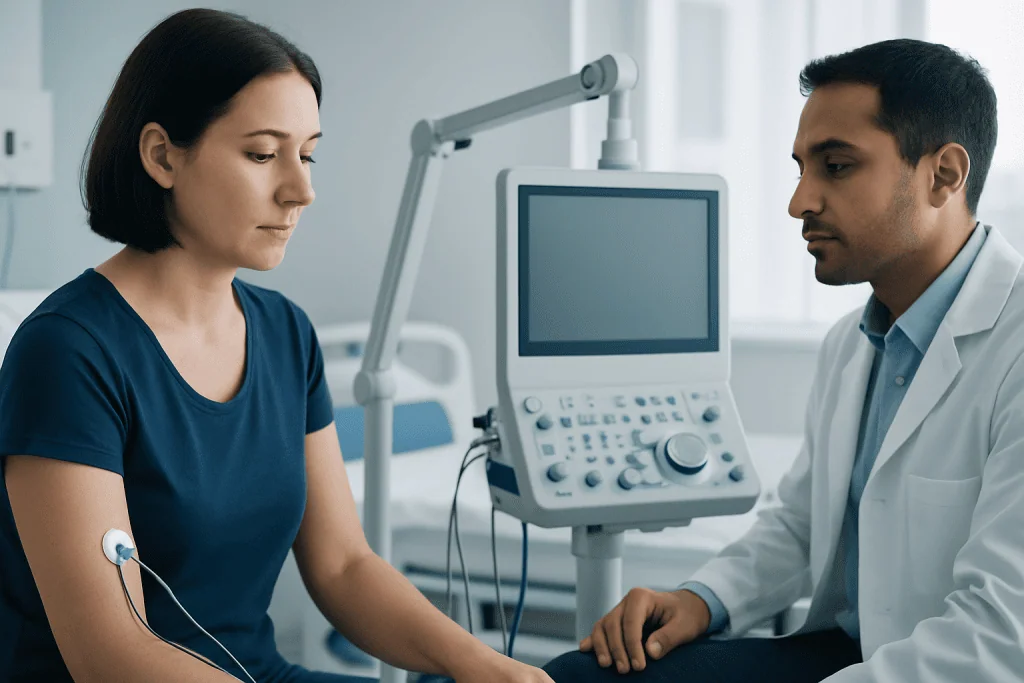
The sensation of twitching fasciculation varies from person to person. Some people see tiny movements under the skin without discomfort, while others feel an internal buzzing, tapping, or flickering. The twitch may affect one small spot repeatedly or shift between different muscles on different days.
Fasciculations can happen at rest or after activity. They are often more noticeable when the body is quiet, such as at bedtime, after exercise, or during periods of anxiety. In benign cases, strength remains normal and the twitching does not prevent usual daily activities.
Symptoms that may appear along with benign twitching include temporary muscle tightness, mild cramps, or heightened awareness of normal body sensations. Some people with benign fasciculation syndrome experience persistent twitching for months but have normal neurological function.
- Visible or felt muscle fluttering under the skin
- Twitching in the eyelids, calves, thighs, arms, hands, or feet
- Episodes that worsen with stress, caffeine, or sleep loss
- Occasional cramps or muscle tension
- No true loss of strength in many benign cases
Causes and risk factors

Twitching fasciculation happens when a motor nerve or the muscle fibers it supplies become briefly overactive. This may occur for simple, temporary reasons. Common triggers include emotional stress, strenuous exercise, dehydration, inadequate sleep, excessive caffeine, nicotine, and stimulants. These factors can change nerve excitability and make twitching more likely.
Medical causes are also possible. Low levels of certain minerals, especially magnesium, calcium, or potassium, may contribute. Thyroid disorders, medication side effects, and nerve irritation can also play a role. Some medicines that affect the nervous system, breathing passages, or mood may increase twitching in susceptible people, so a medication review can be useful.
Less often, fasciculations can be part of a neurological or neuromuscular condition. Examples include peripheral neuropathy, radiculopathy, or diseases affecting motor nerves. A doctor may consider disorders such as amyotrophic lateral sclerosis (ALS) only when twitching is paired with more concerning signs like progressive weakness, muscle wasting, or changes in speech or swallowing.
Risk factors for persistent twitching include high stress levels, overtraining, poor sleep quality, chronic anxiety, stimulant use, and a personal history of muscle cramps or nerve sensitivity. The presence of risk factors alone does not determine the cause, but it helps guide evaluation.
How doctors diagnose twitching fasciculation
Diagnosis starts with a detailed history. Doctors ask when the twitching began, which muscles are involved, how often it happens, and whether it is linked to exercise, stress, sleep, medications, or caffeine. They also ask about weakness, falls, numbness, muscle loss, cramps, swallowing difficulty, or speech changes because these symptoms can change the level of concern.
A physical and neurological examination is the next step. The doctor checks muscle strength, reflexes, tone, coordination, and sensation. In many people with benign fasciculations, the examination is normal apart from the twitching itself. This is often reassuring and may reduce the need for extensive testing.
If the twitching is persistent or the examination suggests another issue, tests may be recommended. Blood tests can look for electrolyte problems, thyroid disease, vitamin deficiencies, or other metabolic causes. An electromyography study, often discussed as EMG testing, can help show whether the muscle and nerve activity pattern is benign or related to a nerve disorder.
Depending on symptoms, doctors may also consider imaging or additional specialist assessment. For example, if there are signs of a compressed nerve root or another nervous system problem, a referral to neurology evaluation may be appropriate. The purpose of testing is not simply to label the twitching, but to identify whether treatment or monitoring is needed.
Treatment options and what helps
Treatment for twitching fasciculation depends on the cause. If the twitching is linked to lifestyle factors and there are no signs of neurological disease, management usually focuses on reducing triggers. Improving sleep, limiting caffeine, staying well hydrated, and scaling back intense exercise for a period may all help calm the muscles.
When an underlying medical problem is found, treatment targets that condition. Correcting electrolyte imbalances, managing thyroid disease, reviewing medications, or addressing nerve compression can reduce fasciculations. If the twitching is part of a broader neuromuscular disorder, treatment plans are individualized and may involve specialist monitoring.
Some people benefit from reassurance and symptom tracking. Anxiety can increase body vigilance and make twitching feel more frequent, so understanding that many fasciculations are benign can itself be helpful. Gentle stretching, regular meals, and avoiding energy drinks or other stimulants may also reduce episodes.
If a doctor suspects a structural nerve problem or another related condition, further evaluation such as MRI imaging may be useful. In complex cases, a multidisciplinary approach can help connect neurological findings with lab results and imaging to guide next steps.
Prevention and self-care
Not all twitching fasciculation can be prevented, but practical self-care often reduces frequency and severity. Healthy daily habits support both muscle function and nerve health. The goal is not to eliminate every twitch, which may not be realistic, but to lower avoidable triggers.
Good sleep is one of the most effective measures. Sleep deprivation can make muscles and nerves more reactive, and many people notice worsening twitching during stressful or tiring periods. Regular sleep and wake times, reducing screen use before bed, and limiting late-day caffeine may help.
Balanced hydration and nutrition also matter. Dehydration and skipped meals can contribute to muscle irritability, while a varied diet supports normal mineral balance. It is best not to start supplements routinely without medical advice, as the right approach depends on the individual cause.
- Reduce caffeine, nicotine, and stimulant drinks if twitching worsens after use
- Allow recovery time after strenuous exercise
- Practice stress management, such as breathing exercises or mindfulness
- Stay hydrated and follow a balanced diet
- Keep a symptom diary to identify patterns and triggers
When to seek medical care
Occasional twitching fasciculation without other symptoms is often not an emergency. However, medical assessment is sensible if the twitching is frequent, persistent, or increasingly widespread. A doctor can help determine whether it is a benign pattern or part of another condition that needs attention.
Medical care is especially important when twitching occurs together with muscle weakness, muscle shrinking, trouble walking, dropping objects, speech changes, swallowing difficulty, numbness, or severe cramps. These symptoms do not confirm a serious disease, but they do mean a fuller neurological evaluation is appropriate.
It is also worth seeking advice if a new medication seems to trigger twitching, if symptoms follow a significant illness, or if health anxiety around the twitching is becoming overwhelming. In these situations, clear guidance and targeted testing can be reassuring and clinically useful.
For international patients who need evaluation, Acibadem International’s multidisciplinary specialists in JCI-accredited hospitals diagnose and treat conditions related to muscle twitching and nerve symptoms. The most appropriate specialist is usually determined by the symptom pattern and examination findings.
Frequently asked questions
Is twitching fasciculation usually serious?
Not usually. In many people, fasciculations are linked to tiredness, stress, caffeine, or exercise and occur without any dangerous cause. They deserve more attention when they are persistent or accompanied by weakness, muscle wasting, or other neurological symptoms.
What is the difference between a muscle twitch and a muscle spasm?
A fasciculation is a small involuntary twitch of a group of muscle fibers, often visible under the skin. A spasm usually involves a larger muscle contraction and may be painful or cause a limb to tighten. People sometimes use the words interchangeably, but medically they are not the same.
Can anxiety cause twitching fasciculation?
Yes, anxiety and stress can contribute to muscle twitching. They can increase muscle tension, disturb sleep, and make the nervous system more reactive. Anxiety can also make normal body sensations easier to notice, so twitches may seem more frequent.
Does twitching fasciculation mean ALS?
No. Fasciculations alone are much more often caused by benign factors than by ALS. Doctors become more concerned when twitching is combined with progressive weakness, muscle wasting, changes in reflexes, or problems with speech and swallowing.
What tests may be done for persistent muscle twitching?
A doctor may start with a medical history and neurological exam. Depending on the findings, blood tests may check electrolytes, thyroid function, or vitamin levels, and electromyography may be used to study muscle and nerve activity. Additional testing is based on the symptom pattern.
Can dehydration or caffeine trigger fasciculations?
Yes, both can be common triggers. Dehydration may affect normal muscle and nerve function, and caffeine can increase excitability in some people. Reducing caffeine and improving hydration may help if these appear to worsen symptoms.
This article is for general information only and is not a substitute for professional medical advice. Please consult a qualified doctor about your individual situation.
Explore treatments in Turkey — costs, top hospitals & a free quote
JCI-accredited · board-certified surgeons · reply within 24h
Add us as a Preferred Source to see more of our trusted health content across Google Search, AI Overviews and Discover.

More from the Health Library

High Lft Liver — Explained by Medical Evidence, Not Myths

Capsaicin Cream: An Evidence-Based Guide for Patients

Home treatment for corns between toes: A Complete Medical Guide for Patients

Adnexal — Explained by Medical Evidence, Not Myths

Brain Bleed — Explained by Medical Evidence, Not Myths