High Lft Liver — Explained by Medical Evidence, Not Myths

High LFT liver refers to elevated liver blood tests such as ALT, AST, ALP, GGT, or bilirubin. Abnormal results can happen for many reasons, including fatty liver, alcohol, medicines, viral hepatitis, gallstones, muscle injury, and temporary illness.
Key Takeaways
- High LFT liver refers to elevated liver blood tests such as ALT, AST, ALP, GGT, or bilirubin.
- Abnormal results can happen for many reasons, including fatty liver, alcohol, medicines, viral hepatitis, gallstones, muscle injury, and temporary illness.
- A single abnormal test does not diagnose a specific disease; pattern, symptoms, history, and repeat testing matter.
- Evaluation may include repeat blood work, hepatitis testing, ultrasound, and review of medications and alcohol use.
- Treatment focuses on the underlying cause and may include lifestyle changes, stopping a harmful medicine, or treating liver or bile duct disease.
- Urgent medical attention is needed if high liver tests occur with jaundice, confusion, severe abdominal pain, vomiting, or bleeding.
High LFT liver means one or more liver blood tests are above the usual range. It does not always mean liver disease, but it is a sign that a doctor should interpret the result in context and look for the cause.
Overview: what high LFT liver means
High LFT liver is a common way people describe blood tests that show elevated liver-related values. LFT stands for liver function tests, although some of these tests measure liver cell injury rather than liver function itself. In practice, the term often includes alanine aminotransferase (ALT), aspartate aminotransferase (AST), alkaline phosphatase (ALP), gamma-glutamyl transferase (GGT), bilirubin, albumin, and clotting-related tests such as INR.
An elevated result does not automatically mean serious liver disease. Mild changes can occur temporarily after a viral illness, strenuous exercise, dehydration, or use of certain medications and supplements. Some people with significant liver disease may also feel completely well at first, which is why the full pattern of results and the clinical history are important.
Doctors usually look at which tests are high and by how much. For example, ALT and AST tend to rise when liver cells are irritated or injured, while ALP and bilirubin may rise when there is a problem with bile flow. Albumin and clotting tests help show how well the liver is doing its broader jobs over time.
Symptoms and signs that may occur with elevated liver tests
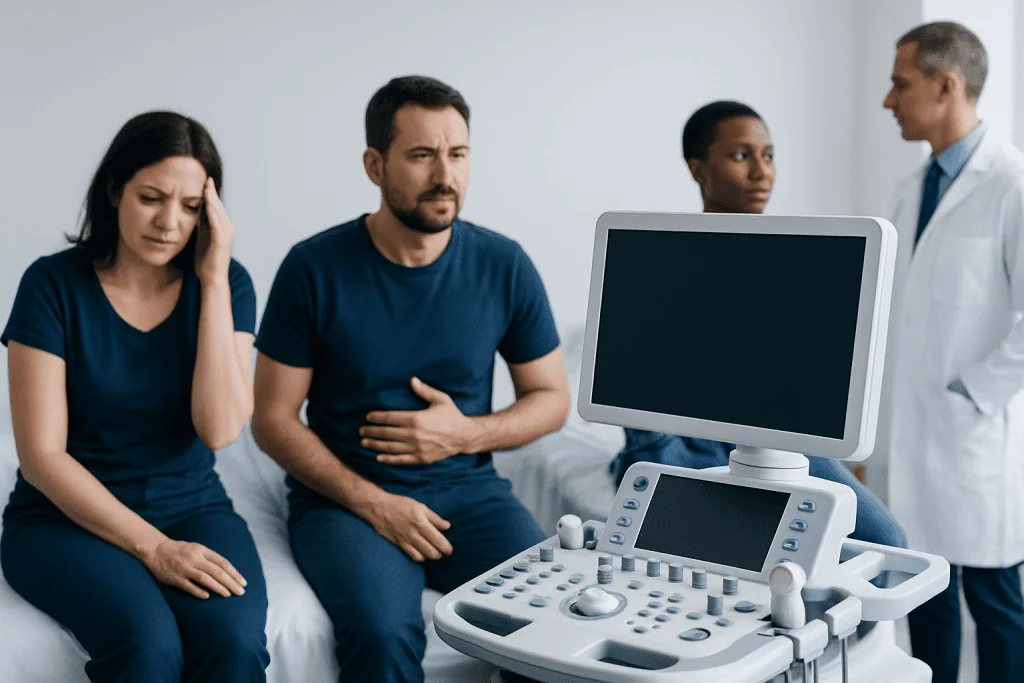
Many people with high liver tests have no symptoms at all. The abnormality may be found during a routine checkup, before surgery, while taking a medication that requires monitoring, or during assessment for another health concern. When symptoms are present, they may be vague and not specific to the liver.
Possible symptoms can include tiredness, nausea, reduced appetite, discomfort in the upper right side of the abdomen, dark urine, pale stools, itching, or yellowing of the skin or eyes. These symptoms do not confirm a liver problem on their own, but they make medical review more important, especially if they are new or worsening.
Doctors also consider signs outside the liver. Fever can point toward infection, while muscle pain or recent intense exercise may contribute to a high AST. Swelling, easy bruising, confusion, or jaundice can suggest more advanced liver dysfunction and should not be ignored.
- Commonly asymptomatic in mild cases
- May cause fatigue, nausea, or abdominal discomfort
- Jaundice, dark urine, and pale stools suggest a need for prompt evaluation
- Systemic symptoms such as fever or confusion can indicate a more urgent problem
Common causes and risk factors

The causes of high LFT liver are wide-ranging, and not all are due to primary liver disease. One of the most common reasons is fatty liver disease, especially in people with overweight, type 2 diabetes, high cholesterol, or metabolic syndrome. Alcohol can also raise liver enzymes, either after recent heavy intake or through longer-term alcohol-related liver injury.
Medicines and supplements are another frequent cause. Prescription drugs, over-the-counter pain relievers, herbal products, bodybuilding supplements, and some antibiotics or cholesterol-lowering medications may affect the liver. Viral infections such as hepatitis A, B, or C can raise liver enzymes, as can bile duct problems including gallstones or inflammation. For readers exploring specific liver conditions, fatty liver disease and hepatitis are among the more common explanations doctors consider.
Less common causes include autoimmune liver disease, inherited conditions such as hemochromatosis or Wilson disease, thyroid disorders, celiac disease, heart failure, and muscle injury. Risk factors that help guide interpretation include alcohol use, obesity, diabetes, recent travel, injection drug use, family history, sexual exposure risk, tattoos or blood exposure, and use of new medications or supplements.
It also matters whether the pattern is predominantly hepatocellular or cholestatic. A higher ALT and AST pattern suggests liver cell injury, while higher ALP and bilirubin can suggest blockage or disease of the bile ducts. That distinction helps doctors decide which tests or scans are most useful next.
How doctors interpret the pattern of results
Interpreting high liver tests is more nuanced than simply labeling them as normal or abnormal. Doctors look at the degree of elevation, whether the tests are rising or improving, and whether there are related abnormalities such as high bilirubin, low albumin, or a prolonged INR. A mild isolated rise may be monitored and repeated, while a marked rise or a mixed pattern may need quicker evaluation.
ALT is often more specific to the liver than AST, but AST can also rise with muscle injury. ALP may come from liver or bone, so GGT can help clarify whether a raised ALP is likely to be liver-related. Bilirubin elevation may reflect reduced liver processing, bile duct obstruction, or increased breakdown of red blood cells. Albumin and INR are especially useful when there is concern about how well the liver is functioning over time.
Context matters. A person with obesity and diabetes may be more likely to have metabolic dysfunction-associated fatty liver disease, while someone with fever and jaundice may need assessment for infection or bile duct obstruction. A careful review of symptoms, alcohol intake, medication use, supplements, and past medical history often explains as much as the blood test itself.
Diagnosis: tests, imaging, and follow-up
When high LFT liver is found, doctors usually begin by repeating the blood tests if the abnormality is mild and there are no warning signs. They may order a broader panel to look at liver enzymes, bilirubin, albumin, clotting, full blood count, kidney function, blood sugar, and cholesterol. Viral hepatitis screening, autoimmune markers, iron studies, and other targeted blood tests may be added depending on the clinical picture.
Imaging is often helpful, especially when bile duct disease or fatty liver is suspected. Ultrasound is commonly the first scan because it can detect fatty change, gallstones, and signs of bile duct blockage. In selected cases, more advanced imaging or procedures may be needed, such as MRI for a closer look at the liver and bile ducts or ERCP when a blocked bile duct is suspected and treatment may be possible at the same time.
Sometimes the main step is simply to identify and remove the trigger, such as alcohol or a medication that may be causing liver irritation, then repeat testing after a short interval. If the cause remains uncertain or if tests stay abnormal, a gastroenterologist or hepatologist may recommend more specialized investigations. For persistent structural concerns, liver biopsy may occasionally be used to clarify the diagnosis, although it is not needed for every patient.
The goal of diagnosis is not only to explain the blood test but also to assess whether there is inflammation, scarring, bile duct obstruction, or a reversible cause. In some patients, liver enzyme changes are temporary. In others, they are the first clue to a chronic condition that benefits from early treatment and monitoring.
Treatment options and what management depends on
There is no single treatment for high liver tests because the approach depends on the underlying cause. If fatty liver is responsible, treatment usually centers on gradual weight loss when appropriate, regular physical activity, healthier eating patterns, and control of diabetes, cholesterol, and blood pressure. If alcohol is contributing, reducing or stopping alcohol use can allow the liver to recover and can prevent further damage.
When a medicine or supplement is suspected, the prescribing doctor may advise stopping it, switching to an alternative, or monitoring levels more closely. Viral hepatitis may need antiviral treatment or specialist follow-up. Gallstones or bile duct obstruction may require endoscopic or surgical treatment. Autoimmune and inflammatory liver diseases may need immune-modifying medication under specialist care.
Management also includes protecting the liver from additional strain. Doctors may recommend avoiding unnecessary supplements, limiting alcohol, reviewing pain reliever use, and keeping vaccinations up to date when appropriate. People with persistent abnormal tests or signs of liver scarring may need long-term monitoring.
Near the end of the care pathway, a multidisciplinary team can be useful when the cause is complex or when procedures are needed. Acibadem International’s multidisciplinary specialists and JCI-accredited hospitals diagnose and treat liver and biliary conditions for international patients, including evaluation with endoscopy when clinically indicated.
Prevention and self-care steps
Not every cause of high liver tests can be prevented, but many cases are linked to modifiable factors. A balanced eating pattern, regular exercise, and weight management can lower the risk of fatty liver and improve overall metabolic health. Good diabetes and cholesterol control also support liver health.
Alcohol should be used cautiously, and some people should avoid it completely, especially if they already have liver disease or are taking medicines that can affect the liver. Medicines should be taken only as directed, and it is wise to tell a doctor about all over-the-counter products, vitamins, and herbal supplements. Natural products are not automatically safe for the liver.
Vaccination against hepatitis A or B may be recommended for some people. Reducing exposure risk is also important: avoid sharing needles or personal items that may have blood on them, and ensure tattoos or piercings are done in regulated settings. Routine follow-up matters if a doctor has already identified chronic liver disease or a history of abnormal results.
- Maintain a healthy weight and stay physically active
- Limit or avoid alcohol based on medical advice
- Review medications and supplements with a clinician
- Manage diabetes, cholesterol, and blood pressure
- Keep follow-up appointments and repeat blood tests when advised
When to seek medical care
A non-urgent medical appointment is appropriate for any unexplained high liver test, even if there are no symptoms. Follow-up is especially important if the abnormality persists on repeat testing, if there is a personal or family history of liver disease, or if there are risk factors such as obesity, diabetes, heavy alcohol use, hepatitis exposure, or use of potentially liver-affecting medications and supplements.
Prompt medical assessment is needed if abnormal liver tests are accompanied by yellowing of the eyes or skin, dark urine, severe abdominal pain, persistent vomiting, fever, unusual sleepiness, confusion, easy bleeding, or swelling of the abdomen. These features can signal significant liver injury, infection, or bile duct obstruction and should not be managed with home remedies alone.
People should not stop prescribed medicines on their own unless a clinician advises it, but they should seek advice quickly if they think a medicine is causing harm. Early evaluation often helps identify reversible causes and can prevent complications.
Frequently asked questions
Does high LFT liver always mean liver disease?
No. High liver-related blood tests can occur for many reasons, including temporary illness, muscle injury, medications, alcohol use, and bile duct problems. The result needs to be interpreted alongside symptoms, medical history, and often repeat testing.
What are the most common tests included in liver function tests?
They often include ALT, AST, ALP, GGT, bilirubin, albumin, and sometimes clotting tests such as INR. Some of these reflect liver cell irritation, while others show how well the liver is carrying out its normal functions.
Can fatty liver cause high liver enzymes?
Yes. Fatty liver is one of the most common causes of mildly elevated ALT and AST, especially in people with overweight, diabetes, or high cholesterol. Some people with fatty liver have normal enzymes, so imaging and risk assessment are also important.
Should a person be worried about a mild rise in ALT or AST?
A mild rise is often not an emergency, but it should not be ignored. Doctors usually assess risk factors, review medicines and alcohol use, and may repeat the test to see whether it returns to normal or needs further investigation.
Can medications or supplements raise liver tests?
Yes. Prescription drugs, pain relievers, antibiotics, statins, herbal remedies, and bodybuilding supplements can all affect the liver in some people. It is helpful to bring a full list of all products being used to the medical appointment.
How long does it take for liver tests to return to normal?
That depends on the cause. Temporary changes may improve within days to weeks once the trigger settles, while chronic conditions may take longer and need ongoing treatment. Repeat testing is the best way to track recovery.
References
- National Institute of Diabetes and Digestive and Kidney Diseases
- American College of Gastroenterology
- European Association for the Study of the Liver
- Centers for Disease Control and Prevention
- National Health Service
This article is for general information only and is not a substitute for professional medical advice. Please consult a qualified doctor about your individual situation.
Explore treatments in Turkey — costs, top hospitals & a free quote
JCI-accredited · board-certified surgeons · reply within 24h
Add us as a Preferred Source to see more of our trusted health content across Google Search, AI Overviews and Discover.
Check your numbers in seconds
BMI, calories, due date, blood pressure and 30+ more clinical calculators — free, instant, doctor-reviewed ranges.