What Is Autistic? Causes, Explanations, and Next Steps

Autism is a neurodevelopmental difference, not an illness a person chooses or “catches.” Traits can include differences in social communication, repetitive behaviors, focused interests, and sensory sensitivities.
Key Takeaways
- Autism is a neurodevelopmental difference, not an illness a person chooses or “catches.”
- Traits can include differences in social communication, repetitive behaviors, focused interests, and sensory sensitivities.
- Autism presents differently from one person to another, and support needs can range from low to high.
- Early evaluation can help clarify a child’s developmental profile and guide helpful therapies and school support.
- Adults can also be assessed for autism, especially if lifelong social, sensory, or routine-related differences have gone unexplained.
- A medical review is important if there is language delay, loss of skills, safety concerns, severe distress, or marked difficulty in daily functioning.
“What is autistic?” usually refers to autism, or autism spectrum disorder (ASD), a neurodevelopmental difference that affects how a person communicates, interacts, and experiences the world. Many autistic traits are not dangerous, but certain developmental, behavioral, or communication concerns should be assessed by a qualified clinician.
Overview: What “Autistic” Means
When people ask, “what is autistic,” they are usually asking about autism or autism spectrum disorder (ASD). Autism is a neurodevelopmental difference, which means it relates to how the brain develops and processes communication, social interaction, behavior, and sensory information. It is often present from early childhood, although some people are only recognized later in life.
In many cases, autistic traits themselves are not harmful. A person may prefer routines, communicate differently, have intense interests, or be more sensitive to sound, touch, light, or change. These differences can be part of that person’s natural way of experiencing the world. What matters most is whether they cause distress, limit daily functioning, or make learning, relationships, or self-care more difficult.
Autism is called a “spectrum” because it varies widely. Some autistic people speak fluently and live independently, while others need substantial support with communication, daily activities, or emotional regulation. The goal of assessment is not to label someone unfairly, but to understand strengths, challenges, and the kind of support that may improve daily life.
Because autism can overlap with other developmental or mental health conditions, professional evaluation is helpful when there are concerns. In some cases, doctors may also consider related developmental conditions such as ADHD when attention, impulsivity, or executive functioning difficulties are prominent.
Common Signs and Traits of Autism
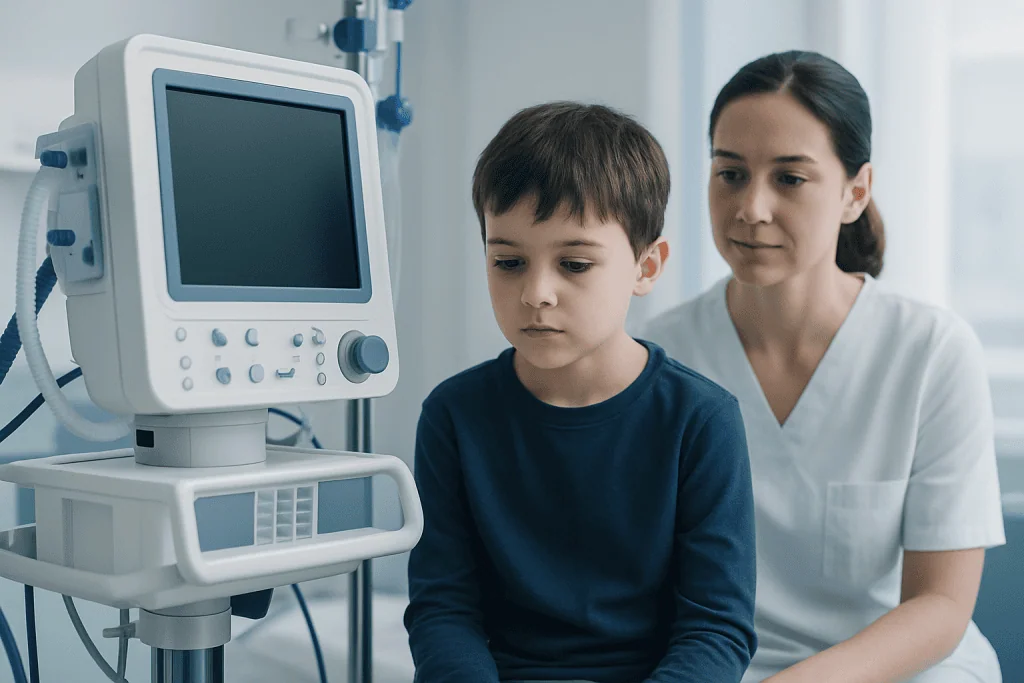
Autistic traits can appear in early childhood, but they do not look the same in every person. Some children show differences in eye contact, back-and-forth communication, pretend play, or response to their name. Others may speak on time but still have difficulty reading social cues, adjusting to change, or managing strong sensory reactions.
Typical signs may involve social communication, behavior, and sensory processing. These signs do not automatically mean a person is autistic, but they can suggest the need for a developmental assessment.
- Differences in eye contact, facial expressions, gestures, or conversational turn-taking
- Delayed language development or unusual patterns of speech
- Strong need for routines and distress with unexpected changes
- Repetitive movements such as hand flapping, rocking, or repeating words
- Highly focused interests that are unusually intense or specific
- Sensitivity to noise, light, textures, smells, or crowded environments
- Difficulty understanding social rules, sarcasm, or implied meanings
Adults may recognize autism differently. They may describe lifelong difficulty fitting in socially, feeling exhausted by masking or copying social behavior, becoming overwhelmed by sensory input, or needing very predictable routines. Some adults have developed coping strategies that can make autism less obvious to others, even though the internal effort remains significant.
Traits may also shift over time. A child who seems mainly sensory-sensitive at first may later show clear differences in peer interaction or emotional regulation. For this reason, assessment looks at the whole developmental pattern rather than one behavior alone.
What Causes Autism and Who Is More Likely to Be Affected?
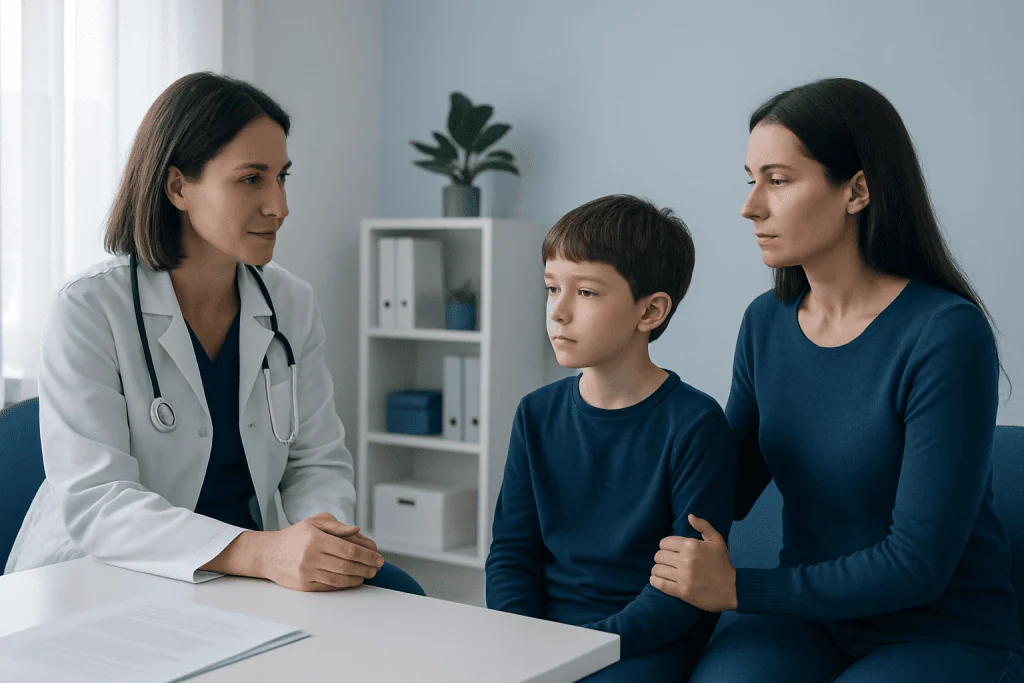
Autism is not caused by poor parenting, lack of discipline, or a child being “spoiled.” Current evidence shows that autism is linked to differences in brain development, with a strong genetic contribution in many cases. Researchers believe autism develops through a combination of genetic and biological factors, although the exact cause can vary from person to person.
Some people have a family history of autism, developmental differences, learning difficulties, or related conditions. In other cases, autism appears without a known family pattern. Certain medical or genetic syndromes may also be associated with autistic traits, which is why some individuals are referred for genetic counseling or additional testing after diagnosis.
It is also important to separate myths from evidence. Vaccines do not cause autism. This claim has been thoroughly investigated and rejected by major health authorities. Families often feel relieved to hear that autism is not something they caused, and that seeking assessment is a practical next step rather than a sign of failure.
Autism can occur in people of any sex, background, culture, or language. However, it may be missed in some groups, especially in girls or in people who mask symptoms well. A careful clinician looks beyond stereotypes and considers how traits affect real-life communication, learning, relationships, and coping.
How Doctors Evaluate Autism
If autism is suspected, the first step is usually a detailed developmental and medical history. For a child, clinicians often ask about speech milestones, social interaction, play, repetitive behaviors, sensory responses, sleep, learning, and family history. For adults, the discussion may focus on lifelong patterns in communication, relationships, work, routine, and sensory experience.
Diagnosis is clinical, meaning it is based on observed behavior and history rather than a single blood test or brain scan. Evaluation may involve a pediatrician, child psychiatrist, psychologist, neurologist, speech and language therapist, or developmental specialist. Standardized questionnaires or structured observation tools may be used to improve accuracy.
Doctors also look for other explanations or additional conditions that can affect development and behavior. Depending on the person’s symptoms, this might include hearing testing, speech and language assessment, cognitive testing, or review for anxiety, learning disorders, sleep problems, or epilepsy. When needed, specialists may use advanced neurological examination and developmental assessments to build a more complete picture.
In some cases, especially when seizures, unusual neurological signs, or developmental regression are present, doctors may recommend further testing. This can include EEG if there is concern about abnormal brain activity, or imaging such as MRI when another neurological cause needs to be ruled out. These tests do not diagnose autism by themselves, but they can help clarify related medical issues.
Support and Treatment Options After Diagnosis
There is no single “cure” for autism, and not every autistic person wants or needs the same kind of support. Treatment is better understood as individualized support aimed at communication, learning, emotional regulation, independence, and quality of life. The right plan depends on age, strengths, challenges, and the person’s own goals.
For children, support may include speech and language therapy, occupational therapy for sensory and daily living skills, behavioral and developmental therapies, parent coaching, and school-based accommodations. These approaches can help a child communicate more effectively, cope with transitions, and participate more comfortably at home and school. The focus should be on building skills and reducing distress, not forcing a child to hide their personality.
For adolescents and adults, support may involve social communication coaching, mental health care, educational planning, work accommodations, and practical strategies for routines and sensory overload. Anxiety, depression, sleep difficulties, or burnout may need attention alongside autism. When another condition is also present, treatment should address both.
Families often benefit from learning how autism affects daily life. Predictable routines, clear communication, sensory-aware environments, and realistic expectations can make a meaningful difference. Near the end of the care pathway, some international patients choose centers such as Acibadem International, where multidisciplinary specialists in JCI-accredited hospitals evaluate neurodevelopmental concerns and coordinate ongoing support.
Everyday Self-Care, School, and Family Support
Daily support can be just as important as formal therapy. Many autistic children and adults do better when routines are predictable, instructions are clear, and transitions are prepared in advance. Visual schedules, step-by-step explanations, sensory breaks, and quiet recovery time can reduce stress and make daily tasks more manageable.
Sensory needs deserve special attention. A person may function better with noise-reducing headphones, comfortable clothing, low-stimulation spaces, or flexible approaches to food textures and lighting. Recognizing sensory overload early can help prevent meltdowns, shutdowns, or exhaustion.
At school or work, supportive accommodations may improve participation and confidence. Examples include extra processing time, written instructions, reduced sensory distractions, movement breaks, or structured social support. These practical adjustments are often more helpful than expecting the person to simply “try harder” in environments that are overwhelming.
Family members also need guidance and reassurance. Autism can affect communication styles, routines, and emotional responses within the household. When families understand that behavior often reflects stress, sensory difficulty, or unmet communication needs, they are better able to respond calmly and effectively.
When to Seek Medical Care
Many autistic traits are not emergencies, and some developmental differences become clearer over time. Still, medical review is important when a child has delayed speech, limited social engagement, repetitive behaviors that interfere with learning, or strong sensory reactions that disrupt daily life. Early evaluation can open the door to support at home, in therapy, and at school.
Urgent assessment is especially important if there is loss of previously acquired language or social skills, frequent self-injury, severe aggression, major sleep disruption, feeding difficulties, possible seizures, or any concern about safety. These signs do not necessarily mean something dangerous is happening, but they do justify prompt medical attention.
Adults should consider assessment if lifelong social and sensory difficulties are causing distress, relationship strain, work problems, or mental health symptoms. A formal evaluation may also help explain long-standing challenges that were previously misunderstood as shyness, anxiety, laziness, or personality traits.
Because autism can coexist with other medical, developmental, or psychiatric conditions, seeking help is not about assuming the worst. It is about getting a clear explanation and identifying support that fits the person’s needs. A qualified doctor or developmental specialist can guide the next steps safely and realistically.
Frequently asked questions
What does “autistic” mean?
“Autistic” usually means a person has autism, also called autism spectrum disorder. It describes a neurodevelopmental difference that affects communication, social interaction, behavior, and sensory processing in varying ways.
Is autism a disease or a disability?
Autism is generally classified as a neurodevelopmental condition rather than an infection or short-term illness. Depending on the person and the setting, it may also be recognized as a disability if it significantly affects daily functioning and support needs.
Can autism be mild or severe?
Autism exists on a spectrum, so traits and support needs can vary widely. Some people need only limited support, while others need substantial help with communication, self-care, learning, or safety.
At what age can autism be diagnosed?
Signs can often be noticed in toddlerhood, especially when there are differences in language, social interaction, or play. However, some people are diagnosed later in childhood or adulthood, particularly if their traits were subtle or masked.
Can adults find out they are autistic?
Yes. Many adults seek assessment after recognizing lifelong patterns in social communication, routines, sensory sensitivity, or burnout that were never fully explained earlier in life. An adult evaluation can help clarify strengths, challenges, and useful support strategies.
Does autism have a cure?
There is no single cure for autism, and treatment is not about changing who a person is. Support focuses on improving communication, coping, independence, learning, and quality of life based on individual needs.
Should parents worry if a child shows one or two autistic traits?
Not necessarily. A single trait, such as liking routines or being sensitive to noise, does not automatically mean a child is autistic. If several signs are present or development seems delayed, a pediatric or developmental assessment is the safest next step.
References
- Centers for Disease Control and Prevention
- American Academy of Pediatrics
- National Institute of Mental Health
- World Health Organization
- National Institute of Neurological Disorders and Stroke
This article is for general information only and is not a substitute for professional medical advice. Please consult a qualified doctor about your individual situation.
Explore treatments in Turkey — costs, top hospitals & a free quote
JCI-accredited · board-certified surgeons · reply within 24h
Add us as a Preferred Source to see more of our trusted health content across Google Search, AI Overviews and Discover.