Formication — Explained by Medical Evidence, Not Myths

Formication describes a false sensation of crawling, stinging, or prickling on the skin. It is a symptom rather than a disease, so evaluation focuses on finding the underlying cause.
Key Takeaways
- Formication describes a false sensation of crawling, stinging, or prickling on the skin.
- It is a symptom rather than a disease, so evaluation focuses on finding the underlying cause.
- Possible causes include nerve problems, menopause, medication effects, substance use, sleep deprivation, anxiety, and some psychiatric conditions.
- Treatment depends on the cause and may involve skin care, medication review, treatment of nerve or mental health conditions, and avoiding triggers.
- Persistent, distressing, or worsening symptoms should be assessed by a qualified doctor.
Formication is a specific type of sensation in which a person feels as though insects are crawling on or under the skin, even when nothing is there. It is a real symptom, not a myth, and it can be associated with skin conditions, nerve disorders, medication effects, substance use, sleep problems, or mental health conditions.
Overview: what formication means
Formication is the sensation that insects are crawling on or beneath the skin when no insects are actually present. People may describe it as tingling, prickling, biting, stinging, or a “bugs crawling” feeling. Although the experience can be unsettling, formication itself is a symptom rather than a diagnosis.
Medical evidence shows that formication can happen for several reasons. It may be related to nerve irritation, skin disorders, medication side effects, alcohol or drug use, withdrawal states, hormonal changes such as menopause, or mental health conditions. In some people, more than one factor is involved.
A helpful way to understand formication is to think of it as a change in sensory processing. The skin and nerves send signals to the brain, and when those signals are disrupted or misinterpreted, unusual sensations can occur. That is why assessment often considers the skin, nervous system, general health, sleep, and emotional wellbeing together.
What formication feels like
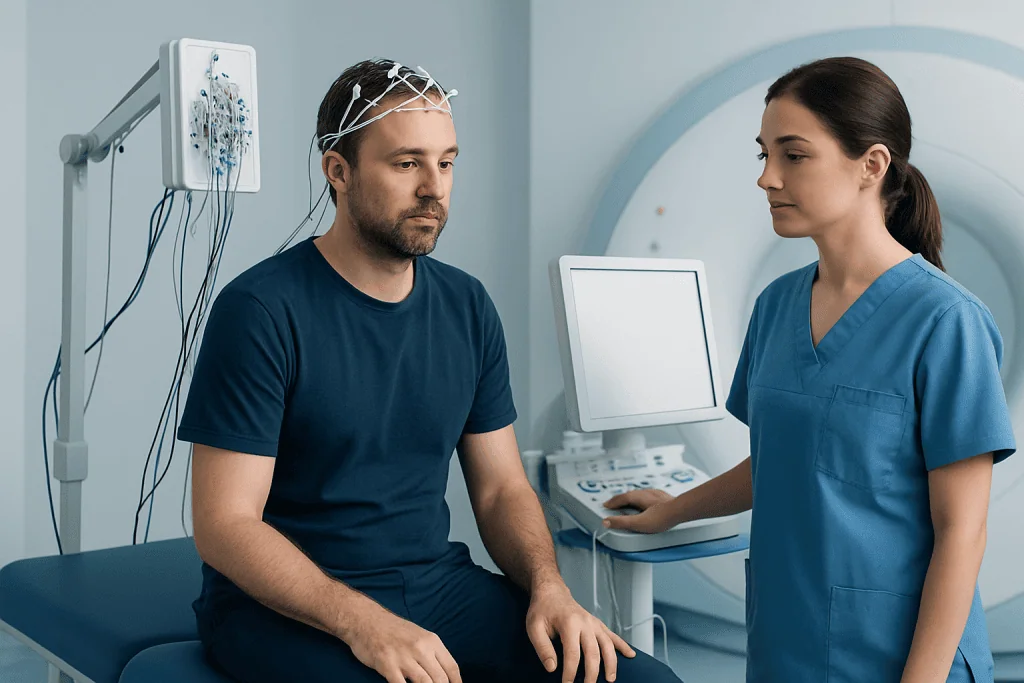
The sensation varies from person to person. Some feel light crawling, while others notice itching, pinpricks, burning, or the impression that something is moving under the skin. It may affect one small area or larger parts of the body, including the arms, legs, scalp, or face.
Symptoms may come and go, or they may last for longer periods. Some people notice that it gets worse at night, during stress, or when they are very tired. Scratching can lead to redness, broken skin, scabs, or infection, even though the original sensation was not caused by an insect bite.
Related symptoms can give clues to the cause. For example, numbness or weakness may point toward a nerve problem, while visible rash or dryness may suggest a skin condition. Low mood, anxiety, poor sleep, or a sense of seeing or feeling things others do not can also be important parts of the history.
- Crawling or tickling feeling on the skin
- Prickling, tingling, or stinging sensations
- Itching without a clear rash
- Worsening symptoms during stress or at night
- Skin damage from repeated scratching or picking
Causes and risk factors

There is no single cause of formication. One common group of causes involves the nerves. Peripheral neuropathy, vitamin deficiencies, diabetes, and some neurologic disorders can change how touch signals are carried to the brain. In that setting, formication may occur along with numbness, burning pain, or reduced sensation. In some cases, doctors may assess symptoms in the context of peripheral neuropathy.
Skin and body-wide conditions can also contribute. Very dry skin, eczema, allergic reactions, hormonal changes, and menopause may all be associated with prickling or crawling sensations. Sleep deprivation, fever, and severe stress may make the symptom more noticeable because the brain becomes more sensitive to normal body sensations.
Medicines and substances are another important consideration. Stimulants, some antidepressants, medication interactions, alcohol withdrawal, and use of certain recreational drugs can trigger formication. A person should never stop a prescribed medicine without medical advice, but a doctor may review whether a recent change in medication could be involved.
Mental health conditions may sometimes play a role, especially when the symptom is accompanied by fixed beliefs about infestation or other unusual perceptions. Anxiety can heighten body awareness and worsen itching or crawling sensations. In some people, formication may occur as part of a broader mental health picture that deserves compassionate evaluation, not judgment.
How doctors diagnose formication
Diagnosis begins with a detailed conversation about the symptom. A doctor will ask when it started, where it is felt, whether there is a rash, what medicines are being taken, whether alcohol or other substances are involved, and whether there are related symptoms such as numbness, weakness, sleep loss, anxiety, or low mood. Because formication can have many causes, the medical history is especially important.
The physical examination usually includes the skin and the nervous system. The doctor may look for signs of dryness, eczema, infection, bites, or injury from scratching. A neurologic exam may check reflexes, strength, balance, and sensation. If a primary skin problem is suspected, a person may benefit from dermatology evaluation.
Tests are guided by the clinical picture rather than ordered routinely for everyone. Blood tests may be used to look for diabetes, vitamin deficiencies, thyroid problems, infection, liver or kidney issues, or other medical causes. In selected cases, nerve testing or brain imaging may be recommended, particularly if there are other neurologic symptoms. When a structural nervous system cause is being considered, neurology assessment can help clarify the diagnosis.
Treatment options and symptom relief
The best treatment for formication depends on the underlying cause. If dry skin or eczema is contributing, gentle skin care, fragrance-free moisturizers, and treatment of the skin condition may reduce symptoms. If a medication side effect is suspected, a doctor may consider an alternative or adjust treatment safely. When the symptom is linked to alcohol or substance use, medical support is important, especially during withdrawal.
If a nerve-related cause is found, treatment focuses on that condition. This may include improving blood sugar control, correcting vitamin deficiency, or treating an underlying neurologic disorder. Some people with persistent abnormal skin sensations may benefit from medicines used for neuropathic symptoms, but those choices need to be individualized by a clinician.
When anxiety, poor sleep, or another mental health condition is part of the picture, addressing those factors can make a meaningful difference. This may include sleep strategies, counseling, stress management, or mental health treatment. In selected cases, support from psychiatry services may be appropriate and can be part of a respectful, whole-person approach.
Self-care can also help reduce discomfort while medical evaluation is ongoing. Keeping nails short, avoiding harsh soaps, using cool compresses, and trying not to scratch can protect the skin. If scratching or picking has caused wounds, proper wound care matters. Because formication can overlap with other skin complaints, doctors may also distinguish it from conditions such as eczema when symptoms appear similar at first.
Prevention and self-care
Not every case can be prevented, but some practical steps may lower the chance of symptoms or reduce flare-ups. Good sleep, hydration, and regular meals support the nervous system and general health. Limiting alcohol and avoiding recreational drugs are especially important because these can trigger or worsen abnormal skin sensations.
Skin care also matters. A bland moisturizer, gentle cleanser, and lukewarm rather than very hot showers may help if dry or irritated skin is adding to the problem. Fragranced products, excessive exfoliation, and repeated scratching can make symptoms worse by inflaming the skin further.
It can be useful to track possible triggers in a simple diary. Patterns related to stress, new medicines, caffeine, sleep loss, or menopausal symptoms may emerge over time. If the symptom is persistent or affects daily life, bringing that record to an appointment can help the doctor identify the cause more efficiently.
When to seek medical care
A person should seek medical care if formication lasts more than a short time, keeps returning, causes skin injury, or interferes with sleep and daily activities. Medical review is also important if the sensation starts after a medication change, follows alcohol or drug use, or occurs with numbness, weakness, confusion, fever, or a spreading rash.
Urgent care may be needed if there are signs of severe withdrawal, major behavior changes, thoughts of self-harm, or rapidly progressive neurologic symptoms. Compassionate assessment matters because formication can be distressing, and the goal is to find the cause rather than dismiss the experience.
For international patients who need further evaluation, Acibadem International’s multidisciplinary specialists and JCI-accredited hospitals diagnose and treat conditions that may underlie formication, including neurologic, dermatologic, and mental health disorders.
Frequently asked questions
Is formication a real medical symptom?
Yes. Formication is a recognized medical symptom in which a person feels crawling, biting, or prickling on the skin without an actual insect being present. It should be taken seriously because it can be linked to skin, nerve, medication-related, substance-related, or mental health causes.
Does formication always mean a mental health problem?
No. Formication can happen with many physical causes, including nerve disorders, menopause, medication effects, and substance withdrawal. Mental health conditions are one possible cause, but they are not the only explanation.
Can anxiety cause a crawling sensation on the skin?
Anxiety can contribute to or worsen formication in some people. Stress and anxiety may increase body awareness and make normal or minor sensations feel stronger, especially when sleep is poor. Even so, persistent symptoms should still be assessed medically.
What doctor should a person see for formication?
A primary care doctor is often the best place to start because they can review the full picture and guide testing. Depending on the suspected cause, referral to a dermatologist, neurologist, or mental health professional may be helpful.
Can menopause cause formication?
Yes, some people experience formication during menopause. Hormonal changes can affect skin sensation and may be accompanied by itching, tingling, or a crawling feeling. A doctor can help rule out other causes and discuss symptom management.
How is formication treated?
Treatment focuses on the underlying cause rather than the sensation alone. This may include treating a skin or nerve disorder, reviewing medications, improving sleep, addressing alcohol or substance issues, or managing anxiety or another mental health condition. Gentle skin care can also help reduce scratching and protect the skin.
This article is for general information only and is not a substitute for professional medical advice. Please consult a qualified doctor about your individual situation.
Explore treatments in Turkey — costs, top hospitals & a free quote
JCI-accredited · board-certified surgeons · reply within 24h
Add us as a Preferred Source to see more of our trusted health content across Google Search, AI Overviews and Discover.

More from the Health Library

Albinism Albino: What Patients Need to Know

Entresto: An Evidence-Based Guide for Patients

Liver Enzymes: A Complete Medical Overview

Adenoidid: What Patients Need to Know

Circumflex Artery — Explained by Medical Evidence, Not Myths