How to Raise Blood Pressure Immediately at Home? Here Is What the Evidence Says

Many short episodes of low blood pressure improve with lying down, fluids, and rest. Water can raise blood pressure temporarily, especially if dehydration is part of the cause.
Key Takeaways
- Many short episodes of low blood pressure improve with lying down, fluids, and rest.
- Water can raise blood pressure temporarily, especially if dehydration is part of the cause.
- Salty foods may help some people, but they are not safe or appropriate for everyone.
- Chest pain, severe shortness of breath, confusion, fainting, or signs of bleeding require urgent medical attention.
- Repeated dizziness on standing may point to orthostatic hypotension and should be medically assessed.
Low blood pressure is often brief and harmless, especially after standing up quickly, getting dehydrated, or missing meals. To raise blood pressure immediately at home, the safest first steps are to lie down, elevate the legs, drink water, and address triggers such as heat, alcohol, or prolonged standing—while knowing the warning signs that need medical care.
Overview: what helps right away at home
For many people, a brief drop in blood pressure is not dangerous and settles quickly. This can happen after standing up too fast, being in a hot environment, not drinking enough fluids, skipping meals, or recovering from a minor illness. When symptoms are mild, simple measures at home often help within minutes.
To raise blood pressure immediately at home, a person should first sit or lie down to prevent a fall. Lying flat and raising the legs can help blood return to the heart and brain. Drinking water is one of the most practical steps, especially if the episode may be linked to dehydration. Loosening tight clothing, moving to a cooler place, and stopping any strenuous activity can also help.
If symptoms improve quickly and do not return, the episode may be temporary. However, low blood pressure should not be dismissed if it happens often, causes fainting, or comes with concerning symptoms such as chest pain, severe weakness, shortness of breath, confusion, or signs of bleeding. In those situations, urgent medical assessment is important.
What low blood pressure feels like
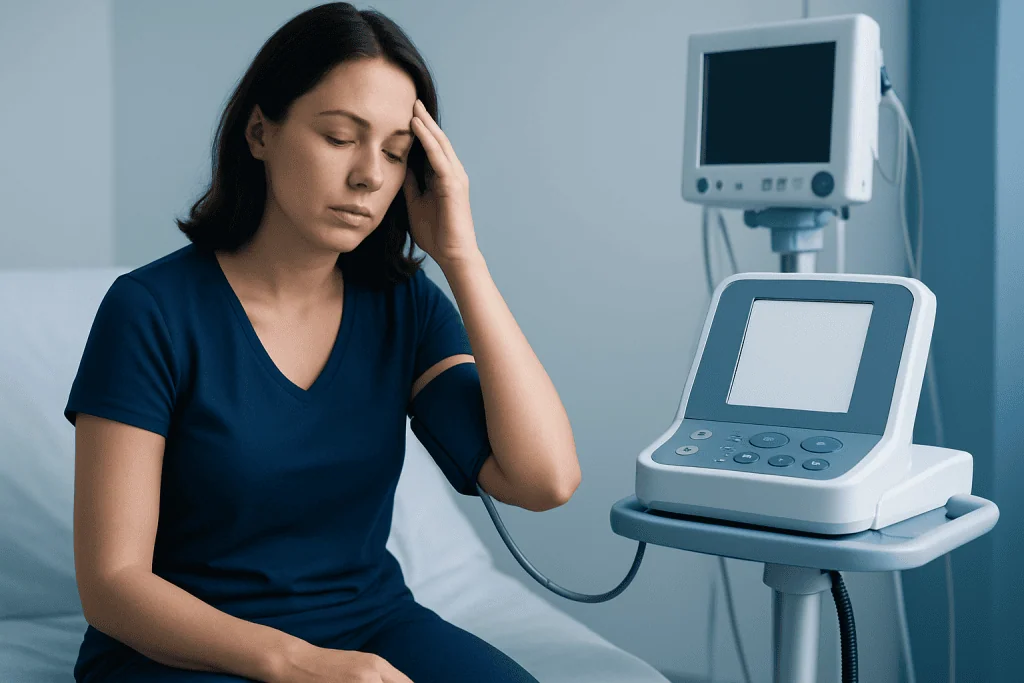
Low blood pressure, also called hypotension, does not always cause symptoms. Some people naturally have lower readings and feel completely well. Problems usually happen when blood pressure falls enough to reduce blood flow to the brain or other organs.
Common symptoms include dizziness, lightheadedness, blurred vision, weakness, nausea, unusual fatigue, and feeling unsteady. Some people notice symptoms mainly when they stand up from sitting or lying down. This is often related to orthostatic hypotension, where blood pressure drops with a change in position.
More serious symptoms can include fainting, confusion, cold clammy skin, rapid breathing, a weak or fast pulse, or severe sleepiness. These symptoms can suggest a more significant drop in blood pressure and should be treated as urgent, especially if they appear suddenly or after injury, vomiting, diarrhea, or blood loss.
- Mild symptoms: brief dizziness, lightheadedness, mild weakness
- Moderate symptoms: repeated near-fainting, difficulty standing, ongoing nausea
- Red-flag symptoms: fainting, chest pain, shortness of breath, confusion, heavy bleeding
Safe ways to raise blood pressure immediately at home

The most helpful first step is to stop what the person is doing and lie down safely. Raising the legs on a pillow or cushion may improve circulation. If lying down is not possible, sitting with the head between the knees can sometimes reduce lightheadedness until a safer position is available.
Drinking water can help fairly quickly, particularly if the cause is dehydration or prolonged standing. A light snack may help if symptoms are related to missing a meal. Some people may also benefit from a small amount of salty food, such as crackers or broth, because sodium helps the body retain fluid. However, this is not suitable for everyone, especially people with high blood pressure, heart failure, kidney disease, or those told to limit salt.
Other practical steps include moving to a cooler place, avoiding hot showers, stopping alcohol intake, and rising more slowly once symptoms improve. Compression stockings may help some people who have recurring symptoms from blood pooling in the legs, but they are a preventive measure rather than a fast rescue option. People who have been prescribed treatment for recurrent low blood pressure should follow their doctor’s plan rather than relying only on home steps.
If there is any possibility that medicines are contributing, the person should not stop prescription treatment on their own. A doctor may need to review blood pressure medicines, diuretics, antidepressants, or other drugs that can sometimes lower blood pressure. For recurrent or unexplained episodes, a specialist may advise tests such as Holter monitoring or additional heart evaluation.
Common causes and who is more likely to be affected
Temporary low blood pressure often has a straightforward cause. Dehydration is one of the most common reasons, especially during hot weather, exercise, fever, vomiting, or diarrhea. Skipping meals, drinking alcohol, prolonged bed rest, or standing still for a long time can also trigger symptoms.
Some people are more prone to blood pressure drops when they stand up. Older adults, people with diabetes, those with certain nervous system conditions, and people taking medications that affect circulation may be at higher risk. Pregnancy can also change blood pressure patterns. In other cases, low blood pressure may happen after meals, particularly in older adults.
Less commonly, low blood pressure can reflect an underlying medical problem such as anemia, heart rhythm problems, hormone disorders, severe infection, or internal bleeding. A heart-related cause becomes more important if symptoms occur with chest discomfort, palpitations, breathlessness, or reduced exercise tolerance. Doctors may look for problems such as arrhythmia or may recommend a cardiology check-up when symptoms suggest a cardiovascular cause.
How doctors check low blood pressure
If low blood pressure is frequent, severe, or unexplained, a doctor will usually start with a careful history. They will ask when symptoms happen, whether they occur after standing, after meals, during illness, or after taking certain medicines. They will also ask about fluid intake, weight loss, fever, vomiting, diarrhea, and any signs of bleeding.
The physical exam often includes measuring blood pressure and pulse while lying down, sitting, and standing. This helps identify orthostatic hypotension. A doctor may also listen to the heart and lungs, check hydration, and look for clues such as pallor, swelling, or signs of infection.
Depending on the situation, tests may include blood tests to look for anemia, infection, dehydration, or hormone problems; an electrocardiogram to assess heart rhythm; or longer-term rhythm monitoring if symptoms come and go. When needed, imaging such as echocardiography can help assess heart structure and function. The goal is to confirm whether the issue is a temporary trigger or a condition that needs targeted treatment.
Treatment and longer-term prevention
Treatment depends on the cause. If dehydration is the main issue, increasing fluid intake and treating the reason for fluid loss may be enough. If a medication is contributing, a doctor may adjust the type, timing, or dose. If symptoms happen with standing, preventive strategies can include standing up gradually, avoiding long periods of stillness, and using compression garments when recommended.
Diet and daily habits can also help. Eating regular meals, avoiding excess alcohol, and taking care in hot weather may reduce episodes. Some people with recurrent orthostatic symptoms are advised to drink more fluids or modestly increase salt, but this should be individualized. What helps one person may be unsafe for another, especially if there is heart, kidney, or blood pressure disease.
When low blood pressure is caused by a specific medical condition, treating that condition is the priority. For example, management may focus on anemia, infection, endocrine disorders, or a heart problem. In persistent or complex cases, specialists can guide care. Acibadem International’s multidisciplinary specialists and JCI-accredited hospitals diagnose and treat causes of low blood pressure for international patients.
When to seek medical care
Medical care is needed urgently if low blood pressure comes with fainting, chest pain, severe shortness of breath, new confusion, blue lips, cold clammy skin, a rapid weak pulse, heavy bleeding, black stools, or severe dehydration. These symptoms may signal shock or another serious condition and should not be managed only at home.
A person should also arrange a medical review if dizziness happens repeatedly, if symptoms occur every time they stand, or if they have fallen because of lightheadedness. Review is especially important for older adults, pregnant women, and anyone with heart disease, diabetes, kidney disease, or recent changes in medication.
At the appointment, the clinician will usually confirm blood pressure readings, review medicines and recent illness, and look for common triggers. If needed, further tests can identify whether the problem is related to volume loss, the nervous system, the heart, or another underlying disorder. Getting assessed is reassuring because it helps separate harmless episodes from problems that need treatment.
Frequently asked questions
What is the fastest thing to do at home for low blood pressure?
The safest first step is to sit or lie down right away so the person does not fall. Drinking water and elevating the legs can help if dehydration or standing up quickly is the cause. If symptoms are severe or do not improve, medical care is needed.
Does drinking water raise blood pressure quickly?
It can help, especially when low blood pressure is linked to dehydration. In some people, water may improve symptoms within a short time, but it does not treat every cause of hypotension. Ongoing or repeated symptoms still need medical assessment.
Should a person eat salt to raise blood pressure immediately?
A small salty snack may help some people, but salt is not appropriate for everyone. People with high blood pressure, heart failure, kidney disease, or those advised to limit sodium should be cautious and ask a doctor. Salt should not be used as a substitute for emergency care when red-flag symptoms are present.
When is low blood pressure an emergency?
It is an emergency if it causes fainting, confusion, chest pain, severe shortness of breath, heavy bleeding, or signs of shock such as cold clammy skin and a weak rapid pulse. It is also urgent after injury or if there may be severe dehydration. In these situations, the person should seek urgent medical help rather than trying to manage it only at home.
Can caffeine help raise blood pressure?
Caffeine may raise blood pressure briefly in some people, but it is not a reliable or appropriate fix for everyone. It may worsen palpitations, anxiety, or dehydration in some cases. It is better to focus on safe measures such as lying down, hydration, and medical review if symptoms recur.
Why does blood pressure drop when standing up?
This often happens because the body does not adjust circulation quickly enough after a change in position. Blood can pool in the legs, reducing blood flow to the brain for a short time. Dehydration, some medicines, aging, and certain nerve or heart conditions can make this more likely.
References
- American Heart Association
- National Heart, Lung, and Blood Institute
- Mayo Clinic
- National Institute on Aging
- Merck Manual Consumer Version
This article is for general information only and is not a substitute for professional medical advice. Please consult a qualified doctor about your individual situation.
Explore treatments in Turkey — costs, top hospitals & a free quote
JCI-accredited · board-certified surgeons · reply within 24h
Add us as a Preferred Source to see more of our trusted health content across Google Search, AI Overviews and Discover.
Check your numbers in seconds
BMI, calories, due date, blood pressure and 30+ more clinical calculators — free, instant, doctor-reviewed ranges.