Digestion Chemical — Explained by Medical Evidence, Not Myths

The main digestion chemicals are stomach acid, digestive enzymes, and bile. Different chemicals work in different parts of the digestive tract.
Key Takeaways
- The main digestion chemicals are stomach acid, digestive enzymes, and bile.
- Different chemicals work in different parts of the digestive tract.
- These substances help break down carbohydrates, proteins, and fats into absorbable nutrients.
- Symptoms such as persistent heartburn, bloating, diarrhea, or unexplained weight loss may point to a digestive disorder rather than a normal variation in digestion.
- Evaluation may include history, lab tests, imaging, stool tests, or endoscopy depending on symptoms.
Digestion chemical is not a single substance. It is a practical way to describe the main chemicals the body uses to digest food: stomach acid, digestive enzymes, bile, mucus, and hormone signals that help break food down and support nutrient absorption.
What does “digestion chemical” mean?
Digestion chemical is a non-technical phrase for the substances the body releases to process food. In medical terms, these include stomach acid, digestive enzymes, bile, mucus, and several hormones that coordinate digestion. Together, they help turn food into smaller particles that can be absorbed through the intestines and used for energy, growth, and repair.
No single chemical handles the entire job. The mouth, stomach, pancreas, liver, gallbladder, and small intestine each contribute different substances at different times. For example, saliva begins carbohydrate digestion, stomach acid helps break down proteins and control microbes, pancreatic enzymes digest all major nutrients, and bile helps the body absorb fats and fat-soluble vitamins.
This matters because many common symptoms are linked to where digestion is disrupted. A person may blame “too much acid” or think they need enzyme supplements, but symptoms such as pain, reflux, bloating, diarrhea, constipation, or greasy stools can come from several different causes. Understanding what each digestion chemical does can help explain why a doctor recommends one test or treatment over another.
Which chemicals are involved in digestion?

The body uses several important digestive chemicals, each with a specific role. Saliva contains enzymes such as amylase, which begins breaking down starches in the mouth. In the stomach, hydrochloric acid creates an acidic environment that activates the enzyme pepsin, starting protein digestion and helping reduce harmful germs swallowed with food.
The pancreas releases many of the most important digestive enzymes into the small intestine. These include amylase for carbohydrates, lipase for fats, and proteases for proteins. The liver produces bile, and the gallbladder stores and concentrates it until needed. Bile is not an enzyme, but it is essential because it emulsifies fats, making them easier for lipase to digest and for the intestine to absorb.
The digestive tract also depends on protective and signaling chemicals. Mucus helps shield the stomach and intestines from irritation. Hormones such as gastrin, secretin, and cholecystokinin tell the stomach, pancreas, and gallbladder when to release acid, enzymes, and bile. This is why digestion is not just a chemical reaction but a coordinated process involving timing, movement, and organ communication.
- Saliva: starts starch digestion and moistens food
- Stomach acid: helps digest protein and supports defense against microbes
- Pepsin and other enzymes: break large food molecules into smaller parts
- Bile: helps digest and absorb fats
- Mucus and hormones: protect tissues and regulate digestive activity
How these chemicals work together during a meal
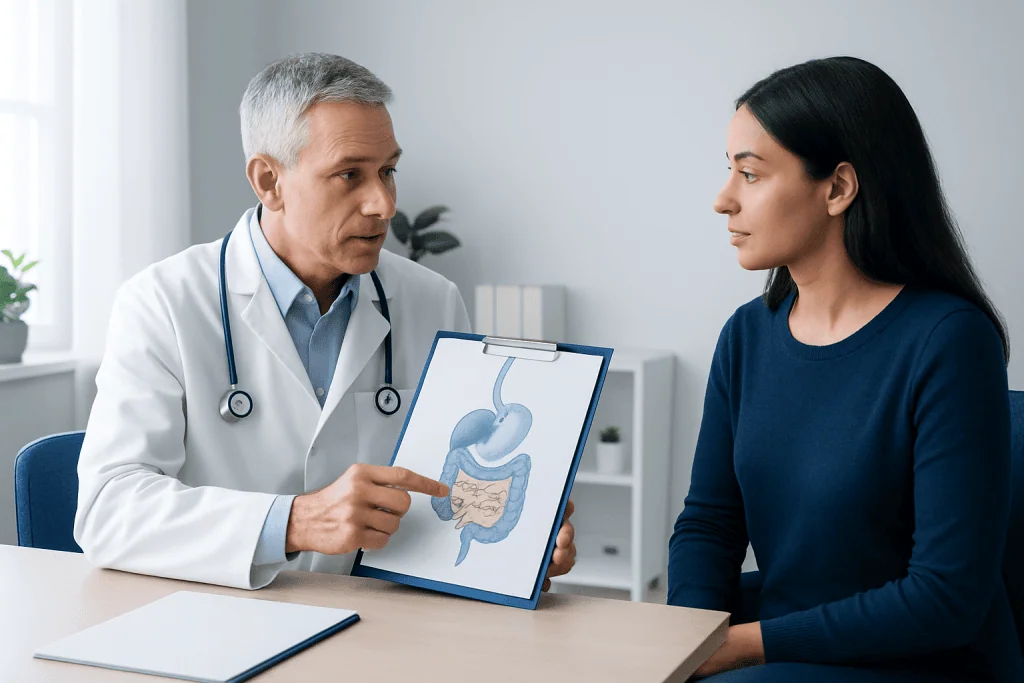
Digestion starts before food even reaches the stomach. Smell, sight, and chewing stimulate saliva and prepare the stomach to release acid. Once food is swallowed, rhythmic muscle contractions move it into the stomach, where acid and enzymes begin turning it into a semi-liquid mixture. The stomach does not fully digest all food; instead, it prepares food for more detailed breakdown in the small intestine.
As this mixture enters the small intestine, the pancreas and liver become especially important. Pancreatic enzymes break carbohydrates into sugars, proteins into amino acids, and fats into fatty acids and related molecules. Bile spreads out fat droplets so enzymes can work on them more efficiently. The lining of the small intestine then absorbs these nutrients into the bloodstream or lymphatic system.
Healthy digestion therefore depends on balance. Too little enzyme production can lead to poor nutrient breakdown. Too little bile can make fatty foods difficult to digest. Too much acid exposure in the wrong place, such as the esophagus, may cause reflux symptoms. Problems with movement, inflammation, or the intestinal lining can also interfere with digestion even when the chemicals themselves are present.
What can go wrong with digestion chemicals?
Digestive symptoms do not always mean the body is making the wrong amount of one chemical, but that can happen. Reduced pancreatic enzyme production may lead to malabsorption, bloating, gas, weight loss, or oily stools. Bile flow may be disrupted by gallbladder or liver problems, making fat digestion less effective. Stomach acid may contribute to symptoms if it repeatedly moves back into the esophagus, as in reflux.
Sometimes the problem is not overproduction or underproduction but irritation or structural disease. Inflammation of the stomach lining, infections, food intolerances, celiac disease, inflammatory bowel disease, and some surgeries can affect digestion and absorption. Stress can also worsen symptom perception and alter bowel habits, although it does not by itself explain every digestive complaint.
Myths are common in this area. For instance, not all bloating means “low stomach acid,” and not everyone with indigestion needs enzymes or supplements. Persistent symptoms deserve proper assessment because digestive complaints can overlap with conditions such as gastritis or Crohn’s disease, which require medical diagnosis and treatment rather than self-diagnosis.
Symptoms that may suggest a digestive problem
Normal digestion can include occasional fullness after a large meal, mild gas, or short-lived indigestion. However, recurring symptoms may suggest that digestion is not working efficiently or that an underlying disorder is present. Common concerns include heartburn, upper abdominal pain, nausea, early fullness, bloating, excessive burping, diarrhea, constipation, and changes in stool appearance.
Some symptoms are more suggestive of poor fat digestion or malabsorption. These can include greasy or difficult-to-flush stools, unintentional weight loss, frequent diarrhea, and vitamin deficiencies. Others point more toward reflux or stomach irritation, such as a burning sensation in the chest, sour taste in the mouth, or pain related to meals.
Symptoms alone cannot confirm which digestion chemical is involved. The same complaint can have several explanations. That is why clinicians also ask about food triggers, medications, alcohol use, past infections, family history, recent travel, stress, appetite, and bowel habits before deciding whether testing is needed.
How doctors evaluate digestive symptoms
Medical evaluation usually begins with a symptom history and physical examination. A doctor may ask when symptoms started, whether they are linked to certain foods, whether stools have changed, and whether there are warning signs such as vomiting, bleeding, fever, or weight loss. This conversation helps narrow down whether the issue is more likely related to reflux, infection, inflammation, gallbladder disease, pancreatic disease, food intolerance, or another cause.
Tests depend on the pattern of symptoms. Blood tests may look for anemia, infection, inflammation, liver function problems, or nutritional deficiencies. Stool tests can help detect infection, bleeding, inflammation, or poor pancreatic function. Ultrasound or other imaging may be used if gallbladder, liver, or pancreatic disease is suspected.
In some cases, direct examination of the digestive tract is important. A doctor may recommend endoscopy for persistent upper digestive symptoms, trouble swallowing, bleeding, or suspected ulcers. For bowel symptoms, colonoscopy may be appropriate to assess inflammation, bleeding, polyps, or other intestinal disease. The aim is not simply to label symptoms, but to identify their cause so treatment can be targeted.
Treatment options and self-care
Treatment depends on the cause, not just the symptom. Reflux may improve with meal timing changes, weight management when appropriate, and acid-reducing medicines. Pancreatic enzyme insufficiency may require prescription enzyme replacement. Gallbladder, liver, stomach, or intestinal conditions may need condition-specific treatment, including medicines, dietary changes, or procedures. If inflammation or structural disease is present, treatment is directed at that diagnosis rather than at “digestion chemicals” in general.
Simple self-care measures often help with mild symptoms. Eating smaller meals, chewing well, limiting heavy late-night meals, reducing excess alcohol, and identifying personal trigger foods may improve comfort. Staying hydrated and including appropriate fiber can support bowel regularity, though fiber should be adjusted carefully if it worsens bloating in some people.
Supplements should be used thoughtfully. Over-the-counter enzymes, herbal products, and highly restrictive diets are not universally helpful and may delay correct diagnosis. A qualified clinician or dietitian can advise whether lactose intolerance, celiac disease, irritable bowel syndrome, pancreatic enzyme deficiency, or another issue is more likely. Near the end of the care pathway, if advanced evaluation or coordinated specialist care is needed, Acibadem International’s multidisciplinary specialists in JCI-accredited hospitals diagnose and treat digestive conditions for international patients, including services such as ERCP when bile ducts or the pancreas need assessment or treatment.
When to seek medical care
Medical advice is important if digestive symptoms are persistent, severe, or keep returning. A person should arrange an evaluation if they have ongoing heartburn, repeated vomiting, progressive bloating, chronic diarrhea or constipation, unexplained abdominal pain, difficulty swallowing, or symptoms that interfere with eating and daily life.
Urgent medical care is needed for red-flag symptoms. These include vomiting blood, black or tarry stools, blood in the stool, severe dehydration, chest pain that could be cardiac, fainting, persistent fever, jaundice, or unintentional weight loss. These symptoms do not always mean a serious illness, but they should not be ignored.
Early assessment can make treatment simpler and more effective. Rather than guessing whether the problem is acid, enzymes, bile, or food sensitivity, a medical review can identify the real cause and help protect long-term digestive health.
Frequently asked questions
Is digestion chemical a real medical term?
It is not a standard medical diagnosis or a single scientific term. People usually use it to mean the chemicals involved in digestion, especially stomach acid, digestive enzymes, and bile.
What is the main chemical used in digestion?
There is no single main chemical for all digestion. Stomach acid is important in the stomach, while enzymes and bile are especially important in the small intestine, where most nutrient breakdown and absorption occur.
Can digestive enzymes improve bloating?
They can help in certain situations, but they are not a universal solution. Bloating may come from food intolerance, constipation, reflux, irritable bowel syndrome, swallowing air, or malabsorption, so treatment should match the cause.
Does low stomach acid explain most digestive symptoms?
No. Symptoms such as bloating, discomfort, and reflux can have many different causes, and low stomach acid is only one possible explanation. Self-diagnosis can be misleading, so persistent symptoms should be assessed by a clinician.
What does bile do in digestion?
Bile helps break large fat droplets into smaller ones, which makes it easier for digestive enzymes to work. This supports fat digestion and helps the body absorb vitamins A, D, E, and K.
When should someone see a doctor for digestive symptoms?
A doctor should be consulted if symptoms are persistent, recurrent, worsening, or affecting eating and daily activities. Urgent care is needed for warning signs such as blood in vomit or stool, black stools, jaundice, severe pain, dehydration, or unexplained weight loss.
References
- National Institute of Diabetes and Digestive and Kidney Diseases
- MedlinePlus
- American College of Gastroenterology
- Mayo Clinic
- Merck Manual Consumer Version
This article is for general information only and is not a substitute for professional medical advice. Please consult a qualified doctor about your individual situation.
Persistent digestive symptoms? Get evaluated in Turkey
JCI-accredited · board-certified surgeons · reply within 24h
Add us as a Preferred Source to see more of our trusted health content across Google Search, AI Overviews and Discover.

More from the Health Library

Nerve Block: An Evidence-Based Guide for Patients

BMR Compute: An Evidence-Based Guide for Patients

How much benadryl can i take? The Numbers, Explained by Clinicians

Opisthotonos: What Patients Need to Know

Ceruloplasmin: A Complete Medical Overview