What to Eat After Colonoscopy? Here Is What the Evidence Says
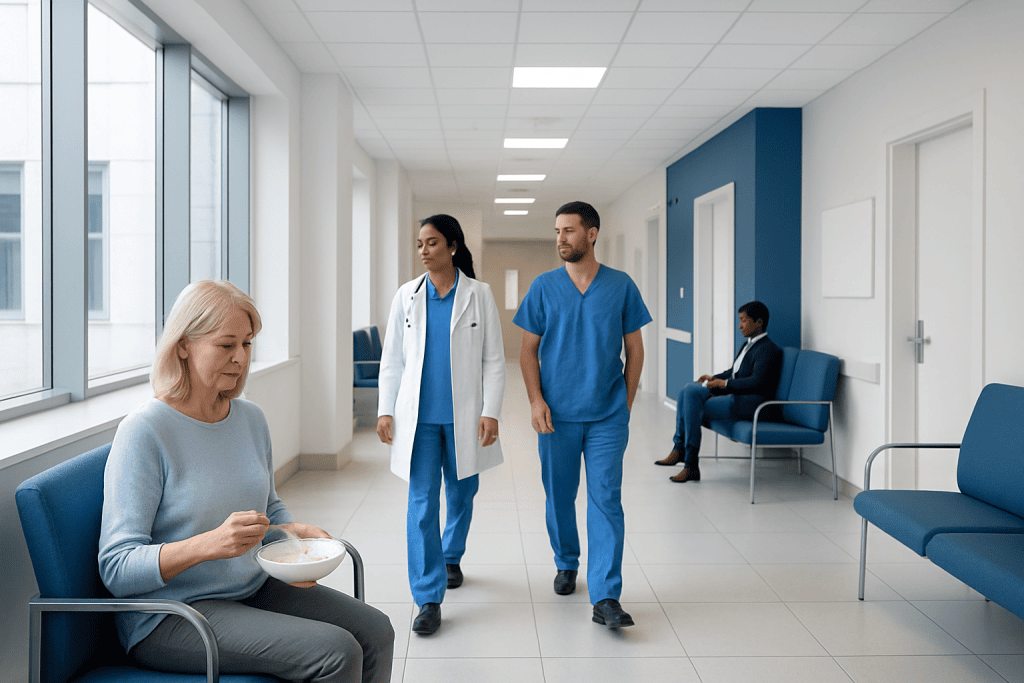
After a colonoscopy, most people do best with fluids first and light, easy-to-digest foods. A normal diet can often be resumed the same day or by the next day if there are no symptoms and no special instructions.
Key Takeaways
- After a colonoscopy, most people do best with fluids first and light, easy-to-digest foods.
- A normal diet can often be resumed the same day or by the next day if there are no symptoms and no special instructions.
- Heavy, greasy, very spicy, or gas-forming foods may worsen bloating or nausea right after the test.
- Seek medical care promptly for severe abdominal pain, persistent vomiting, fever, heavy rectal bleeding, or worsening dizziness.
- If a biopsy or polyp removal was done, the doctor may recommend avoiding certain foods or medicines for a short time.
What to eat after colonoscopy usually comes down to simple, gentle foods and plenty of fluids. Most people can start with water, broth, toast, rice, yogurt, or applesauce and then return to their usual diet gradually, unless a doctor gives different instructions.
Overview: what to eat after colonoscopy
What to eat after colonoscopy is usually straightforward: most people feel best starting with fluids and bland, easy-to-digest foods, then returning to regular meals as tolerated. Water, broth, tea, toast, rice, bananas, applesauce, yogurt, eggs, and soup are common first choices because they are gentle on the stomach and help replace fluids lost during bowel preparation.
In many cases, eating after the test is safe once a person is fully awake and able to swallow normally. The exact timing can vary depending on sedation, whether a biopsy or polyp removal was performed, and whether the person feels nauseated, bloated, or tired. If the care team gives specific instructions, those should always come first.
A colonoscopy examines the inside of the large intestine and is often used to investigate symptoms or for screening. Some people have it as part of the evaluation of conditions such as colon cancer or to investigate ongoing bowel symptoms. The bowel prep used before the procedure removes stool but can also leave the body a little dehydrated, which is why fluids matter as much as food during recovery.
What to eat and drink first
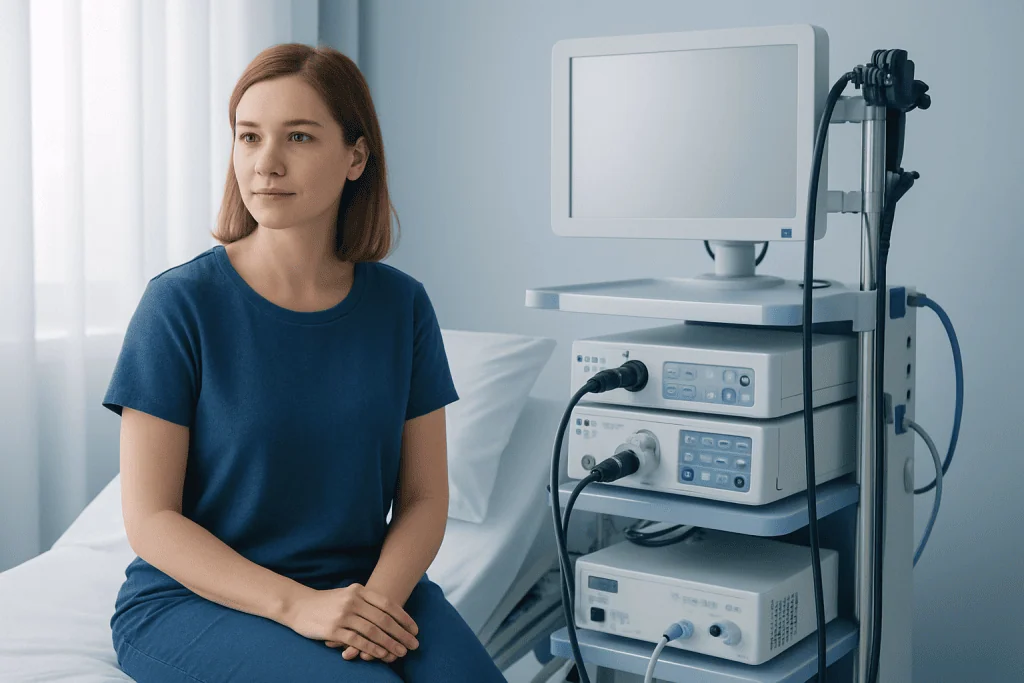
The best first step is usually hydration. Small sips of water, oral rehydration drinks, clear soup, or herbal tea can help the body recover after fasting and bowel preparation. If these stay down comfortably, light foods can be added.
Many people tolerate soft, low-fiber foods well in the first meal after a colonoscopy. These options are easy to digest and less likely to worsen bloating:
- Toast, crackers, plain bread, or rice
- Bananas, applesauce, or canned fruit
- Yogurt or kefir, if dairy is usually well tolerated
- Scrambled eggs or oatmeal
- Plain pasta, mashed potatoes, or simple soup
It is often sensible to eat smaller portions at first rather than a large meal. The digestive system does not need a special long-term diet after routine colonoscopy, but a gradual return can feel more comfortable. If there is nausea from sedation, plain foods and slow eating are usually better than rich meals.
Some people ask whether probiotics, juice, or sports drinks are necessary. They are not essential for everyone, but fluids with electrolytes may help if bowel prep caused diarrhea for many hours. A balanced meal can usually follow later the same day once appetite returns.
Foods to limit for the first several hours
There is no universal banned-food list after every colonoscopy, but some foods can be less comfortable right away. Greasy meals, fried foods, very spicy dishes, large amounts of raw vegetables, and heavy desserts may trigger nausea, cramping, or loose stools in some people, especially if the stomach is still unsettled.
Gas-forming foods can also increase bloating. Beans, lentils, cabbage, broccoli, onions, and carbonated drinks may be harder to tolerate in the first hours after the test. A small amount may be fine for some people, but waiting until the abdomen feels normal is often more comfortable.
Alcohol is usually best avoided for at least the rest of the day, especially if sedation was used. Alcohol can worsen dehydration and may not mix safely with medicines or lingering sedative effects. It is also wise to be cautious with very hot beverages until full alertness has returned.
If a polyp was removed or tissue samples were taken, the doctor may suggest temporary limits based on the situation. In some cases, a short period of softer foods is advised, particularly after more extensive endoscopic treatment such as polyp removal during colonoscopy.
Why appetite and digestion can feel different after the test
It is common to feel a little bloated, gassy, or tired after a colonoscopy. During the procedure, the colon is gently expanded with air or carbon dioxide so the lining can be seen clearly. This can lead to temporary pressure, burping, or passing gas afterward. These symptoms usually improve within hours.
The bowel preparation itself also affects how the body feels. Repeated loose stools can lower fluid levels and may leave some people weak, thirsty, or lightheaded. Even when the procedure goes smoothly, the body may need time to readjust to food and routine hydration.
Sedation can be another factor. Some people feel sleepy, mildly nauseated, or less hungry for a few hours. This is one reason why simple meals are often easier than large or greasy ones. If nausea is prominent, clear fluids and dry foods are often the most comfortable first step.
For patients who had the test to investigate ongoing digestive issues, the best post-procedure diet may also depend on the underlying condition. For example, if the evaluation is part of care for Crohn’s disease or other intestinal inflammation, the specialist may tailor eating advice to symptoms and findings.
How doctors adjust diet advice after biopsies or treatment
Not every colonoscopy is the same. Some are purely diagnostic, while others include biopsies, removal of polyps, or other endoscopic treatment. When that happens, the doctor may modify the aftercare plan to reduce irritation and support healing.
After a small biopsy, many people can still return to normal eating fairly quickly. After removal of larger polyps or treatment of bleeding areas, the doctor may recommend softer foods, extra fluids, and short-term avoidance of alcohol or certain medicines. These instructions vary because the size, location, and technique used all matter.
If the procedure was done because of bleeding, anemia, unexplained bowel changes, or abnormal imaging, recovery advice may be combined with the next steps in evaluation. In gastroenterology practice, a specialist may also discuss related tests or treatments, such as colonoscopy evaluation or, in selected cases, digestive endoscopy as part of a broader diagnostic plan.
When written discharge instructions differ from general advice online, the written instructions should guide care. They are based on the individual procedure and are the safest reference for eating, drinking, medicines, activity, and follow-up.
When to seek medical care
Most discomfort after colonoscopy is mild and temporary. Mild gas, a small amount of spotting after biopsy, temporary bloating, and reduced appetite for a few hours are common and usually harmless. Still, some symptoms can suggest a complication and should not be ignored.
Medical review is important if there is severe or worsening abdominal pain, a hard or swollen abdomen, persistent vomiting, fever, chills, fainting, or heavy rectal bleeding. Passing a little blood after tissue sampling can happen, but repeated bleeding, clots, or bleeding that increases over time needs urgent attention.
If a person seeks care, the doctor will usually ask about the timing of symptoms, what was eaten or drunk, whether a biopsy or polyp was removed, and what medicines are being taken. The evaluation may include a physical exam, blood tests, and, if needed, imaging or repeat endoscopic assessment to look for bleeding, dehydration, infection, or a rare bowel injury.
For international patients who need follow-up assessment, Acibadem International’s multidisciplinary specialists and JCI-accredited hospitals diagnose and treat digestive conditions with individualized aftercare plans.
Practical self-care for the first day after colonoscopy
Rest, hydration, and simple meals are usually the most helpful recovery measures. Drinking water regularly through the day can ease headache, dry mouth, and fatigue after bowel prep. Many people also feel better if they walk gently, which can help move trapped gas through the bowel.
It is usually sensible to avoid important decisions, driving, alcohol, and strenuous exercise until the effects of sedation have fully worn off, typically for the rest of that day. If the person feels completely well by the next day, normal routines can often be resumed unless the doctor advised otherwise.
People with diabetes, kidney disease, heart disease, inflammatory bowel disease, or food allergies may need more individualized post-procedure advice. Anyone who takes blood thinners or has had significant polyps removed should follow their doctor’s instructions closely, especially about medications, bleeding precautions, and follow-up appointments.
If there is uncertainty about what to eat after colonoscopy, a simple rule often helps: start bland, eat small amounts, drink enough fluids, and advance the diet only as comfort returns. When symptoms do not improve as expected, checking with the medical team is the safest next step.
Frequently asked questions
Can a person eat normally right after a colonoscopy?
Many people can return to normal eating fairly soon after a routine colonoscopy, but starting with light foods is often more comfortable. If sedation caused nausea or if a biopsy or polyp removal was done, the doctor may advise a slower return to regular meals.
What are the best first foods after a colonoscopy?
Good first choices are foods that are soft, bland, and easy to digest. Examples include toast, rice, bananas, applesauce, soup, yogurt, oatmeal, and eggs, along with plenty of water or other fluids.
What foods should be avoided after a colonoscopy?
Right after the procedure, it can help to limit greasy, fried, very spicy, or gas-forming foods if the stomach feels unsettled. Alcohol is also usually best avoided for the rest of the day, especially after sedation.
Is it normal to feel bloated or gassy after a colonoscopy?
Yes. Mild bloating and gas are common because air or carbon dioxide is used during the procedure to help the doctor see the colon clearly. These symptoms usually improve within several hours and often get better with walking and fluids.
How much water should a person drink after colonoscopy?
There is no single amount that fits everyone, but rehydration is important because bowel prep can cause fluid loss. Drinking water steadily through the day, and using electrolyte-containing fluids if recommended, is usually helpful unless a doctor has placed fluid restrictions.
When should someone call a doctor after a colonoscopy?
A doctor should be contacted promptly for severe abdominal pain, persistent vomiting, fever, heavy bleeding from the rectum, increasing dizziness, or symptoms that are getting worse rather than better. Mild gas and temporary bloating are common, but red-flag symptoms need medical review.
References
- American Society for Gastrointestinal Endoscopy
- National Institute of Diabetes and Digestive and Kidney Diseases
- American College of Gastroenterology
- MedlinePlus
- National Health Service
This article is for general information only and is not a substitute for professional medical advice. Please consult a qualified doctor about your individual situation.
Persistent digestive symptoms? Get evaluated in Turkey
JCI-accredited · board-certified surgeons · reply within 24h
Add us as a Preferred Source to see more of our trusted health content across Google Search, AI Overviews and Discover.