Shield Facial — Explained by Medical Evidence, Not Myths

Shield facial is a broad cosmetic term rather than one single medically standardized procedure. Results depend on the exact steps used, such as exfoliation, extraction, hydration, light therapy, or barrier-repair serums.
Key Takeaways
- Shield facial is a broad cosmetic term rather than one single medically standardized procedure.
- Results depend on the exact steps used, such as exfoliation, extraction, hydration, light therapy, or barrier-repair serums.
- People with acne, rosacea, eczema, allergies, or very sensitive skin may need a medical review before treatment.
- Mild redness or temporary irritation can happen, especially after active ingredients or exfoliation.
- Choosing qualified professionals and discussing skin history helps reduce avoidable side effects.
A shield facial is a cosmetic facial treatment designed to cleanse, exfoliate, hydrate, and support the skin barrier using a combination of topical products and device-based steps. It is not a standardized medical procedure, so the ingredients, intensity, benefits, and risks can vary between clinics and brands.
What a shield facial means in medical terms
A shield facial is generally described as a skin treatment intended to protect and support the skin barrier while improving texture, hydration, and overall appearance. In practical use, the term does not refer to one universally defined medical protocol. Different providers may use it to describe a treatment that includes cleansing, exfoliation, hydration, soothing masks, antioxidant serums, and sometimes technology such as LED light or infusion-based devices.
From a medical evidence perspective, it is best understood as a category of cosmetic facial care rather than a diagnosis or a regulated therapeutic standard. That matters because two treatments with the same name may be quite different in strength, ingredients, and expected results. For patients, the most important question is not only what the facial is called, but what is actually being applied to the skin and who is supervising the treatment.
Many shield facials are marketed as suitable for tired, dull, dry, or stressed skin. Some are also promoted after travel, environmental exposure, or periods of overuse of exfoliating products. When thoughtfully chosen, a facial may temporarily improve hydration and smoothness. However, it does not replace treatment for medical skin disorders such as eczema, persistent inflammatory acne, or rosacea.
How a shield facial usually works
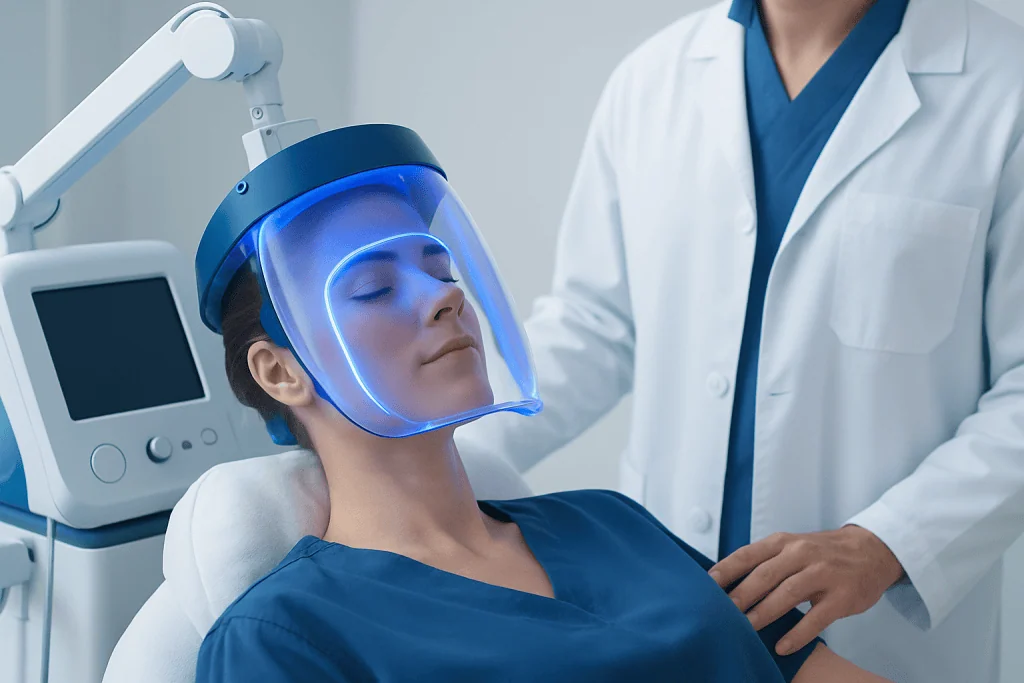
Although protocols vary, many shield facials follow a sequence aimed at cleaning the skin, removing surface debris, and delivering ingredients that calm or hydrate. A session may begin with a gentle cleanse, followed by mild exfoliation using enzymes, alpha hydroxy acids, polyhydroxy acids, or very light mechanical methods. Some providers add steam, extractions, or a vacuum-based cleansing step.
After exfoliation, the treatment often moves to “barrier support” steps. These may include hyaluronic acid, ceramides, niacinamide, peptides, panthenol, or antioxidant serums. A soothing mask may then be applied, and some clinics add LED light or other noninvasive technologies. In selected settings, a specialist may discuss complementary care such as skin rejuvenation options if a patient is seeking broader texture or tone improvement.
What patients feel during the treatment depends on the formula strength. A true barrier-focused facial should not feel aggressively irritating. Mild tingling can occur, but significant burning is not expected and should be reported immediately. Afterward, the skin may look more hydrated and temporarily brighter, though results are usually subtle and depend on the starting condition of the skin.
Possible benefits and who may consider it

For some people, a shield facial may help reduce dryness, improve the feel of rough skin, and give a short-term refreshed appearance. It may be considered by adults who want gentle cosmetic maintenance, especially when the treatment is tailored toward hydration and barrier repair rather than strong resurfacing. The main value is usually supportive skin care rather than dramatic transformation.
People who have over-exfoliated their skin, frequently use retinoids or acne products, or notice seasonal dryness may be interested in a more soothing facial approach. When performed conservatively, a barrier-supportive facial can fit into a wider skin-care plan built around sunscreen, fragrance-aware moisturizers, and trigger avoidance. If discoloration or uneven texture is a concern, some patients may also ask a dermatologist about chemical peel treatments, which are more standardized and should be selected according to skin type and medical history.
It is important to keep expectations realistic. A shield facial does not rebuild skin overnight, permanently shrink pores, cure acne, or erase scars. Benefits tend to be temporary unless they are supported by consistent home care and, where needed, medical treatment for an underlying skin condition.
Risks, side effects, and common myths
A common myth is that any facial labeled “shield” must be safe for everyone. In reality, side effects depend on the ingredients used, the intensity of exfoliation, the cleanliness of technique, and the person’s skin condition. Even gentle facials can irritate skin that is already inflamed or reactive. Temporary redness, dryness, stinging, breakout flares, or contact irritation are among the more common short-term reactions.
Another misconception is that more steps always mean better results. Layering too many active ingredients in one visit can disrupt the skin barrier rather than protect it. Fragrances, essential oils, harsh scrubs, and strong acids may trigger irritation in people with sensitive skin. Patients with a history of allergic reactions should ask for a full ingredient review before treatment.
There are also situations in which a cosmetic facial may worsen a medical problem. Active rashes, infected skin, cold sores, open wounds, severe acne inflammation, or sunburn should be assessed first. In people with rosacea, heat, friction, and certain acids may trigger flushing or burning. Those with chronic breakouts may need medical acne care rather than repeated cosmetic procedures such as acne treatment alternatives offered under professional supervision.
- Possible side effects include redness, stinging, dryness, peeling, or temporary breakouts.
- Less commonly, irritation can lead to post-inflammatory discoloration, especially in darker skin tones.
- Infection risk is low when hygiene is appropriate, but it increases if extractions are aggressive or skin is broken.
- People using isotretinoin, prescription retinoids, or recent resurfacing treatments should mention this beforehand.
Who should be cautious before booking one
A medical discussion is especially important for anyone with eczema, rosacea, psoriasis, melasma, chronic dermatitis, active acne cysts, recurrent cold sores, or known product allergies. The same applies to those who are pregnant, breastfeeding, or using prescription skin medications. This does not always mean a shield facial is unsuitable, but it does mean the plan may need modification.
Skin tone also matters in treatment planning. People with medium to deep skin tones can safely receive many facial treatments, but stronger exfoliation or inflammation may increase the risk of post-inflammatory hyperpigmentation. A careful provider should ask about past reactions, healing patterns, and pigment changes after procedures.
Before proceeding, patients should be able to get clear answers about the treatment steps, active ingredients, expected downtime, and aftercare. If a clinic cannot explain the protocol in simple terms, or if it minimizes the possibility of irritation, that is a reason to pause and seek a more qualified opinion.
What to expect before, during, and after treatment
Before a shield facial, the provider should review skin history, products currently in use, and any recent procedures. Patients are often advised to avoid harsh exfoliants, waxing, or unnecessary new products in the days beforehand. On the day of treatment, arriving with clean skin and sharing any recent irritation helps the provider adjust the session safely.
During the facial, the skin may go through several short stages such as cleansing, mild exfoliation, extraction if appropriate, serum application, and hydration. A properly tailored treatment should feel comfortable overall. If burning, severe stinging, or unusual pain occurs, the session should be stopped and the skin reassessed.
After treatment, gentle aftercare is usually preferred. This often includes a mild cleanser, bland moisturizer, and broad-spectrum sunscreen. It is generally wise to avoid strong acids, retinoids, scrubs, and high heat for a short period unless a clinician advises otherwise. If the goal is longer-term cosmetic improvement, some patients may later discuss options such as laser skin resurfacing with an experienced specialist, depending on skin type and concerns.
When to seek medical care
Most mild redness after a facial settles on its own, but medical advice is important if symptoms are severe, spreading, or lasting longer than expected. Patients should contact a qualified doctor if they develop marked swelling, blistering, pus, fever, crusting, worsening pain, or a rash around the eyes or lips. These signs may suggest significant irritation, an allergic reaction, or infection.
Medical review is also sensible when a person repeatedly feels burning after facials, develops dark marks afterward, or notices ongoing flushing, itching, or scaling. In such cases, the underlying issue may be a skin disorder rather than simple sensitivity. A dermatologist can help distinguish cosmetic irritation from conditions such as dermatitis, rosacea, acne, or pigment-related concerns.
For international patients who need specialist assessment, Acibadem International’s multidisciplinary teams in JCI-accredited hospitals evaluate and treat a wide range of skin concerns with attention to both safety and overall skin health.
Frequently asked questions
Is a shield facial the same as a medical facial?
Not necessarily. The term shield facial is mostly a marketing or descriptive label rather than a standardized medical procedure. A medical facial is usually more clearly defined by professional assessment, product selection, and oversight based on the patient’s skin condition.
Can a shield facial help acne?
It may help some people with mild congestion if the treatment is gentle and non-comedogenic. However, it does not treat the underlying causes of persistent or inflammatory acne, so a doctor’s evaluation may be more helpful for ongoing breakouts.
Is a shield facial safe for sensitive skin?
It can be, but only if the products and steps are chosen carefully. Sensitive skin may react to fragrances, acids, scrubs, or heat, so patch awareness and a full discussion of skin history are important before treatment.
How long do the results of a shield facial last?
Most visible effects, such as smoother texture or better hydration, are temporary. Results often last days to a few weeks depending on the person’s skin type, home-care routine, climate, and whether the facial included potentially irritating steps.
Who should avoid a shield facial for now?
People with active skin infections, open wounds, sunburn, severe irritation, or uncontrolled inflammatory skin conditions should usually delay treatment. Those using prescription acne medicines, recent resurfacing procedures, or known allergy-triggering products should also check with a clinician first.
What should a person ask before booking a shield facial?
It is helpful to ask what ingredients will be used, whether exfoliation or extractions are included, who performs the procedure, and what side effects are possible. Patients should also ask about aftercare and whether the treatment is appropriate for their skin type and medical history.
This article is for general information only and is not a substitute for professional medical advice. Please consult a qualified doctor about your individual situation.
Explore treatments in Turkey — costs, top hospitals & a free quote
JCI-accredited · board-certified surgeons · reply within 24h
Add us as a Preferred Source to see more of our trusted health content across Google Search, AI Overviews and Discover.

More from the Health Library

Heart Rate Variability: An Evidence-Based Guide for Patients

Neck Rolls: A Complete Medical Overview

Centipede Bite: What Patients Need to Know

Effacement: An Evidence-Based Guide for Patients

Perioperative: An Evidence-Based Guide for Patients