

Widowmaker heart attack: Symptoms, Causes, and Treatment — Complete Patient Guide
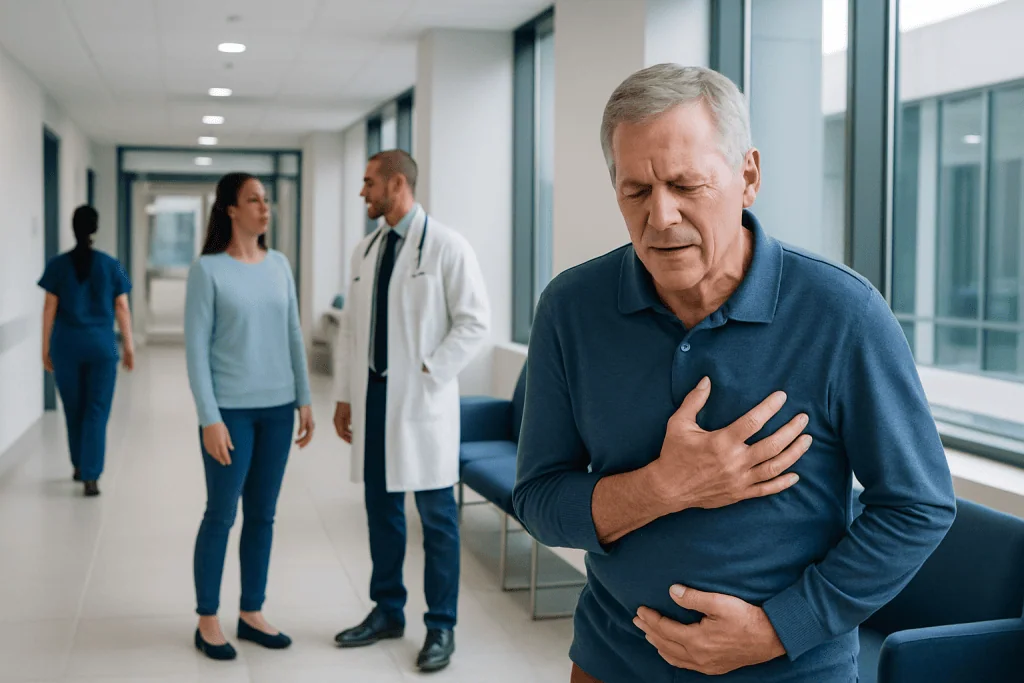
A widowmaker heart attack usually involves blockage of the left anterior descending, or LAD, coronary artery. Common symptoms include chest pressure, shortness of breath, sweating, nausea, and pain spreading to the arm, jaw, back, or shoulder.
Key Takeaways
- A widowmaker heart attack usually involves blockage of the left anterior descending, or LAD, coronary artery.
- Common symptoms include chest pressure, shortness of breath, sweating, nausea, and pain spreading to the arm, jaw, back, or shoulder.
- Some people, especially women, older adults, and people with diabetes, may have less typical symptoms such as unusual fatigue or indigestion-like discomfort.
- Immediate emergency care is essential; treatment often includes urgent angioplasty and stent placement to restore blood flow.
- Long-term prevention focuses on controlling blood pressure, cholesterol, diabetes, smoking, weight, stress, and physical inactivity.
A widowmaker heart attack is a serious type of heart attack caused by sudden blockage in a major artery that supplies the front wall of the heart. Fast recognition and emergency treatment can save heart muscle, reduce complications, and improve recovery.
Overview: What Is a Widowmaker Heart Attack?
A widowmaker heart attack is a severe form of myocardial infarction that usually happens when the left anterior descending (LAD) coronary artery becomes suddenly blocked. This artery supplies a large portion of the heart muscle, so an abrupt interruption of blood flow can damage a wide area of the heart in a short time. The term is informal, but it is widely used to describe a heart attack that can be especially dangerous if treatment is delayed.
Not every blockage in the LAD causes the same degree of illness, and not every serious heart attack is a “widowmaker.” The severity depends on where the blockage is, how complete it is, how quickly treatment begins, and whether some blood flow is preserved through smaller collateral vessels. Even so, any suspected heart attack should be treated as an emergency.
Many people think a heart attack always causes dramatic collapse, but symptoms can be subtle at first. Some individuals feel crushing chest pressure, while others notice shortness of breath, sweating, nausea, or sudden exhaustion. Because signs can vary, it is safer to seek emergency help rather than wait to see if symptoms pass.
Symptoms and Warning Signs
The most common symptom of a widowmaker heart attack is chest discomfort that may feel like pressure, squeezing, heaviness, tightness, or pain. This discomfort may last several minutes or come and go. It can occur during activity or at rest and may spread to the left arm, both arms, the shoulders, neck, jaw, or back.
Other warning signs often include shortness of breath, cold sweating, nausea, vomiting, lightheadedness, or a sudden sense that something is seriously wrong. Some people describe intense fatigue, weakness, or an indigestion-like feeling rather than classic chest pain. In certain cases, the first sign may be collapse or a dangerous heart rhythm.
Symptoms do not look the same in everyone. Women, older adults, and people with diabetes may be more likely to have atypical symptoms such as breathlessness, unusual fatigue, sleep disturbance, abdominal discomfort, or mild chest pressure instead of severe pain. Because of this, a person should not dismiss symptoms simply because they do not match the “movie version” of a heart attack.
- Chest pressure, heaviness, or pain
- Pain spreading to the arm, jaw, neck, shoulder, or back
- Shortness of breath
- Cold sweat
- Nausea or vomiting
- Lightheadedness or fainting
- Sudden unusual fatigue
Causes and Risk Factors
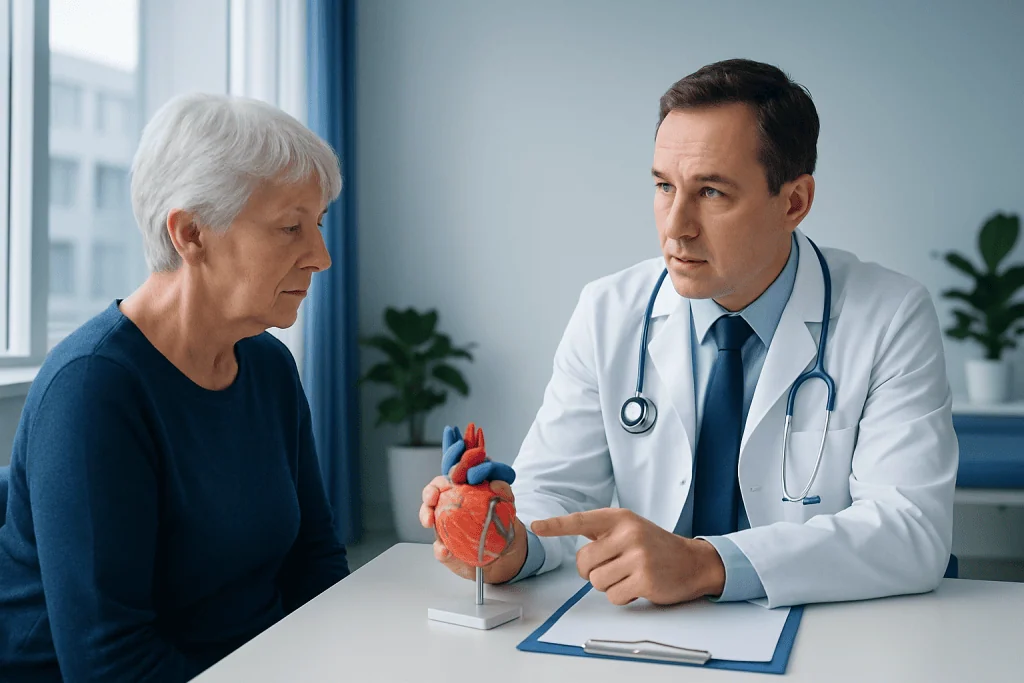
The usual cause of a widowmaker heart attack is coronary artery disease. Over time, fatty deposits called plaque can build up inside the coronary arteries. If a plaque ruptures, the body may form a blood clot at that site. When the clot significantly blocks the LAD artery, the heart muscle beyond the blockage may no longer receive enough oxygen, leading to a heart attack.
Several health and lifestyle factors increase the risk of this happening. These include high LDL cholesterol, high blood pressure, diabetes, smoking, obesity, physical inactivity, chronic stress, and an unhealthy diet. Risk also tends to rise with age and may be higher in people with a family history of early heart disease.
Some people have no warning before a heart attack, but others have symptoms of reduced blood flow beforehand, such as exertional chest discomfort or breathlessness. These may be signs of coronary artery disease, which deserves medical attention before a complete blockage develops. Managing risk factors early is one of the most effective ways to reduce the chance of a major cardiac event.
How It Is Diagnosed in an Emergency
When a widowmaker heart attack is suspected, emergency teams work quickly to confirm the diagnosis and restore blood flow. Doctors begin by asking about symptoms, checking blood pressure, pulse, oxygen levels, and listening to the heart and lungs. Time matters because heart muscle can be permanently damaged if blood flow is not restored promptly.
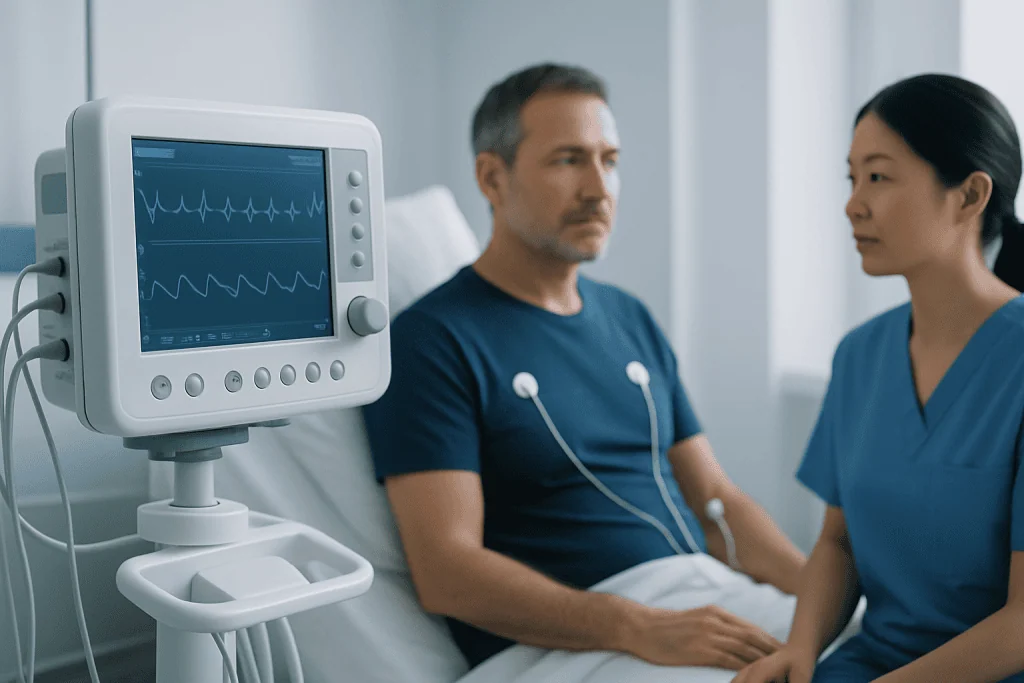
One of the first tests is an electrocardiogram, or ECG, which records the heart’s electrical activity and may show patterns suggesting an acute blockage. Blood tests are also used to check cardiac biomarkers such as troponin, which rise when heart muscle is injured. These tests are often repeated over time if the diagnosis is uncertain.
Doctors may also use imaging and invasive tests to assess the arteries and the effect on the heart. Echocardiography can evaluate how well the heart muscle is pumping and whether a large area is affected. In many cases, urgent coronary angiography is performed so the blocked artery can be identified and treated right away, often during the same procedure as coronary angiography.
Treatment Options and What Happens Next
The main goal of treatment is to reopen the blocked artery as fast as possible. This usually involves emergency angioplasty and stent placement, also called percutaneous coronary intervention. During this procedure, a doctor guides a thin catheter to the narrowed artery, inflates a small balloon to open it, and places a stent to help keep the artery open.
Along with the procedure, patients receive medicines that support blood flow and reduce further clotting. Depending on the clinical situation, these may include antiplatelet medicines, anticoagulants, pain relief, oxygen when needed, and medications to reduce strain on the heart. Care is individualized based on blood pressure, heart rhythm, kidney function, and other medical conditions.
After the blocked artery is treated, recovery continues in the hospital with close monitoring. Doctors watch for complications such as abnormal heart rhythms, heart failure, or reduced pumping strength. Some patients may need further evaluation for related conditions such as heart failure if the heart has been significantly weakened. Cardiac rehabilitation, medication adherence, and structured follow-up are important parts of long-term recovery.
Prevention and Self-Care After a Heart Attack
Preventing a widowmaker heart attack begins with reducing the risk of coronary artery disease. The most effective steps include not smoking, staying physically active, eating a heart-healthy diet, maintaining a healthy weight, and managing blood pressure, cholesterol, and blood sugar. For many people, preventive care also includes regular medical checkups and prescribed medications to lower cardiovascular risk.
After a heart attack, self-care focuses on healing and preventing another event. Patients are often advised to attend a cardiac rehabilitation program, which provides supervised exercise, education, and support. Following medical guidance on medicines, follow-up appointments, stress management, and gradual return to activity can improve confidence and recovery.
It also helps to learn personal warning signs and keep an emergency plan. Family members may benefit from knowing the symptoms of heart attack and how to respond quickly. Near the end of treatment planning and follow-up, some international patients may choose centers such as Acibadem International, where multidisciplinary specialists in JCI-accredited hospitals diagnose and treat complex heart conditions, including advanced cardiology care.
When to Seek Medical Care
Emergency medical care is needed right away for symptoms that could signal a heart attack. A person should call emergency services immediately for chest pressure or pain lasting more than a few minutes, chest discomfort that comes back, shortness of breath, fainting, severe sweating, or pain spreading to the arm, jaw, neck, shoulder, or back. It is safest not to drive oneself if symptoms are severe or worsening.
Prompt assessment is also important for new exertional chest discomfort, repeated episodes of unexplained breathlessness, or sudden decline in exercise tolerance, even if symptoms improve. These may be warning signs of reduced blood flow to the heart before a full heart attack occurs. Early evaluation can help prevent serious complications.
People who have already had a heart attack should contact their doctor if they notice swelling in the legs, rapid weight gain, unusual fatigue, racing heartbeat, or recurrent chest symptoms. These signs may point to medication side effects, poor circulation, or developing complications that need review.
Frequently asked questions
What makes a widowmaker heart attack different from other heart attacks?
The term usually refers to a heart attack caused by a major blockage in the left anterior descending, or LAD, artery. Because this artery supplies a large area of the heart muscle, the event can be especially dangerous if treatment is delayed. The name is informal, but the condition itself is a true medical emergency.
Can someone survive a widowmaker heart attack?
Yes, many people survive when they receive rapid emergency care. Survival and recovery depend on how quickly the artery is reopened, how much heart muscle is affected, and whether serious rhythm problems occur. Early treatment can make a major difference.
Does a widowmaker always cause severe chest pain?
No. Some people have classic crushing chest pain, but others may feel pressure, indigestion-like discomfort, breathlessness, nausea, sweating, or sudden fatigue. Symptoms can be less typical in women, older adults, and people with diabetes.
What should a person do if widowmaker symptoms start?
They should call emergency services right away rather than waiting to see if symptoms go away. Fast treatment helps protect heart muscle and lowers the risk of complications. If the person becomes unresponsive and is not breathing normally, bystanders should begin CPR and follow emergency instructions.
How is a widowmaker heart attack treated?
Treatment usually focuses on restoring blood flow quickly, most often with emergency angioplasty and stent placement. Doctors also use medications to reduce clotting, support the heart, and manage pain or breathing problems. Hospital monitoring is important after treatment to watch for complications.
Can a widowmaker heart attack be prevented?
Risk can often be lowered by controlling blood pressure, cholesterol, and diabetes, avoiding smoking, staying active, and eating a heart-healthy diet. Preventive medications may also be recommended for some people at higher cardiovascular risk. Regular medical care is important, especially if there is a family history of early heart disease.
References
- American Heart Association
- National Heart, Lung, and Blood Institute
- Centers for Disease Control and Prevention
- European Society of Cardiology
- Mayo Clinic
This article is for general information only and is not a substitute for professional medical advice. Please consult a qualified doctor about your individual situation.
Heart care in Turkey — expert evaluation and treatment
JCI-accredited · board-certified surgeons · reply within 24h
Add us as a Preferred Source to see more of our trusted health content across Google Search, AI Overviews and Discover.
Check your numbers in seconds
BMI, calories, due date, blood pressure and 30+ more clinical calculators — free, instant, doctor-reviewed ranges.

More from the Health Library



Related Specialists
Dr. Mehmet Kaya
Emergency Service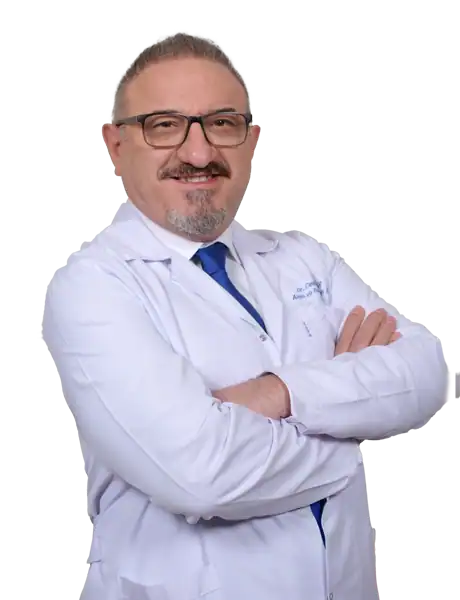
Prof. Dr. Cevdet Düger
Anesthesiology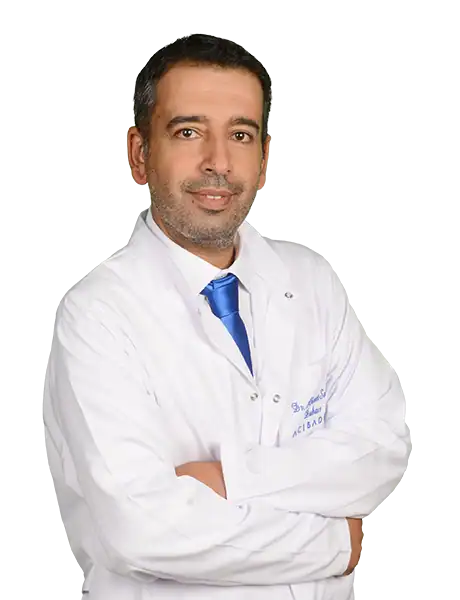
Dr. Ahmet Sabir Duhaır
Emergency Service
Prof. Dr. Mehmet Veli Karaaltın
Aesthetic Plastic & Reconstructive Surgery