Body Fat Scale: An Evidence-Based Guide for Patients

Most body fat scales estimate, rather than directly measure, body fat percentage. Consistency of measurement conditions matters more than a single reading.
Key Takeaways
- Most body fat scales estimate, rather than directly measure, body fat percentage.
- Consistency of measurement conditions matters more than a single reading.
- Hydration, recent exercise, meals, alcohol, and menstrual cycle changes can affect results.
- Body fat percentage is only one part of health and should be interpreted alongside overall wellbeing, fitness, medical history, and other measurements.
- A healthcare professional can recommend more appropriate assessment when body composition is clinically important.
A body fat scale is a home device that estimates body fat percentage, usually through bioelectrical impedance analysis (BIA). It may be useful for observing long-term trends, but individual readings can change with hydration, meals, exercise, and other temporary factors.
What Is a Body Fat Scale?
A body fat scale is a household scale designed to estimate body composition in addition to body weight. Many models display an estimated body fat percentage and may also provide estimates of muscle mass, body water, bone mass, visceral fat, or metabolic rate. These additional figures can be interesting, but they should be viewed as estimates rather than diagnostic results.
Most body fat scales use bioelectrical impedance analysis, often called BIA. The scale sends a very small electrical signal through the body through the feet, or through the feet and hands on some devices. Because water-containing tissues such as muscle conduct electricity differently from fat tissue, the device uses this information, together with details such as height, age, sex, and weight, to generate an estimate.
A body fat scale can be helpful when used as a personal tracking tool. Its greatest value is usually in showing whether measurements are broadly moving in one direction over weeks or months, rather than determining an exact body fat percentage on a particular day.
How Accurate Are Body Fat Scales?
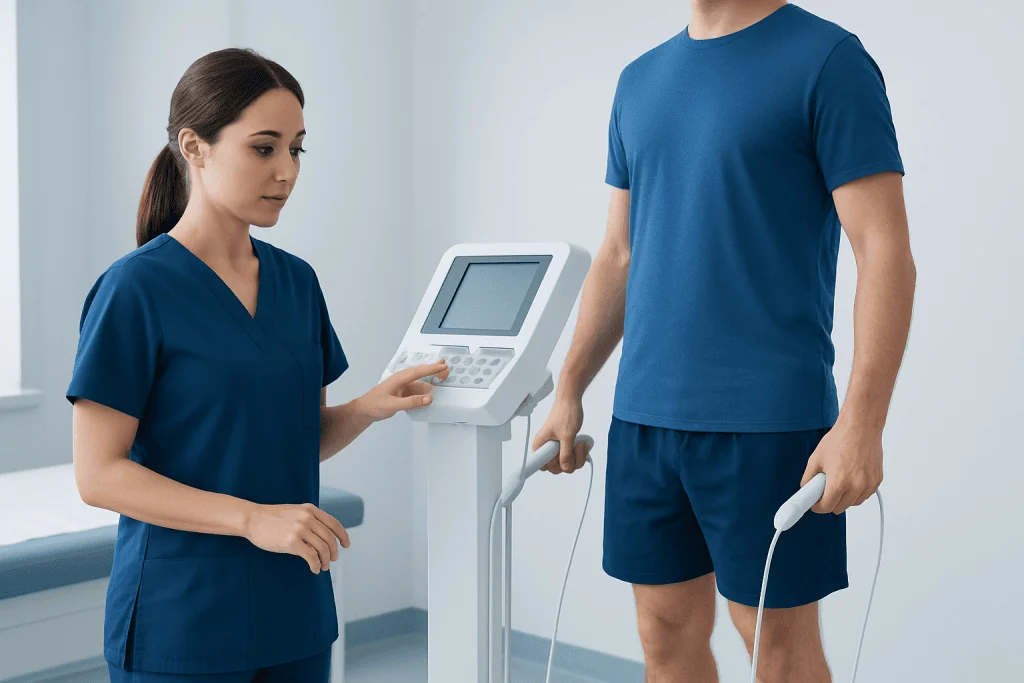
Home body fat scales are not as precise as clinical body-composition methods. Their estimates depend on mathematical equations that are based on population data and may not fit every individual equally well. Results can differ between brands, models, and measurement methods, so two scales may report different body fat percentages for the same person.
For many people, a scale may be reasonably useful for monitoring trends when it is used consistently. For example, a gradual change over several months, measured under similar conditions, may provide more useful information than comparing one reading from a home scale with a reading from another device at a gym or clinic.
More specialized assessments may be used when a precise measurement is needed for medical or research reasons. These can include dual-energy X-ray absorptiometry, known as DXA, air-displacement plethysmography, or professionally performed BIA. Each method has strengths and limitations, and a clinician can explain which, if any, is appropriate.
Why Readings Can Change From Day to Day

A body fat scale does not measure fat tissue directly. Because BIA is influenced by body water, everyday changes in hydration can affect the estimate. Drinking more or less fluid than usual, sweating, illness, diarrhea, or changes in salt intake may all alter a reading even when body fat has not meaningfully changed.
Other common influences include a recent meal, alcohol intake, intense exercise, a hot shower or sauna, and the time of day. Hormonal changes during the menstrual cycle can also affect fluid balance and may lead to fluctuating results. These shifts are normal and do not necessarily indicate a real gain or loss of body fat.
Foot contact also matters. Dry skin, wet feet, cold feet, uneven standing position, and poor contact with the scale electrodes can influence the signal. People with a larger body size, highly developed muscles, older age, or certain health conditions may find that the device’s built-in assumptions are less representative of their body composition.
How to Use a Body Fat Scale More Consistently
To make readings more comparable, it is helpful to measure under similar conditions each time. Many people choose to step on the scale in the morning after using the bathroom and before eating, drinking, exercising, or showering. The scale should be placed on a hard, level surface rather than carpet or an uneven floor.
Wear similar clothing, stand still with bare feet positioned correctly on the electrodes, and use the same device whenever possible. Recording weekly or monthly patterns may be more meaningful than reacting to small daily changes. A mobile application or simple written log can help place one isolated reading in context.
It is also sensible to focus on several indicators of progress. Depending on a person’s goals, these may include waist measurement, strength, stamina, sleep, energy levels, eating habits, blood pressure, and relevant laboratory results. For people making lifestyle changes, sustainable habits generally matter more than reaching a particular number shown by a consumer device.
- Measure at a similar time of day.
- Avoid comparing readings from different scales.
- Look for a pattern over several weeks.
- Do not interpret a one-day change as a change in body fat.
Understanding Body Fat Percentage in Context
Body fat is essential for health. It supports energy storage, hormone function, insulation, and protection of organs. The amount and distribution of body fat vary naturally with age, sex, genetics, life stage, activity level, and medical history. Therefore, there is no single body fat percentage that defines health for every person.
Where fat is stored can also matter. A higher amount of abdominal or visceral fat may be associated with a greater risk of metabolic and cardiovascular conditions in some individuals. However, consumer scales cannot reliably diagnose visceral fat levels or determine a person’s overall health risk. Measurements such as waist circumference, blood pressure, blood glucose, cholesterol, and family history may be more informative in a clinical assessment.
Weight and body composition numbers can be emotionally difficult for some people. If scale use causes anxiety, guilt, compulsive checking, or changes in eating behavior, taking a break from weighing may be helpful. Support from a doctor, registered dietitian, or mental health professional can provide a more balanced and individualized approach.
Who Should Use Caution With a Body Fat Scale?
People with implanted electronic medical devices, such as a pacemaker or implantable cardioverter-defibrillator, should check the scale manufacturer’s safety instructions and seek advice from their treating clinician before using a BIA device. Although the electrical current is very small, manufacturers may advise against use with certain implants.
Pregnancy can substantially change fluid balance and body composition, which makes consumer body fat estimates less useful. A pregnant person should rely on routine prenatal care and individualized guidance rather than home body fat readings. Similarly, people with significant swelling, dehydration, kidney disease, heart failure, or other conditions affecting body water may receive less reliable estimates.
Children and adolescents should not be judged by adult body-composition targets. Growth and puberty involve normal changes in body size and composition. If there is a concern about a young person’s growth, weight, eating patterns, or physical development, a pediatric clinician can assess this using age-appropriate tools.
When to Seek Medical Care
A body fat scale is not a diagnostic device and should not be used to self-diagnose obesity, malnutrition, fluid retention, diabetes, hormonal conditions, or heart disease. A medical appointment is appropriate when there is unexplained weight loss or gain, ongoing fatigue, marked swelling, shortness of breath, changes in appetite, or concerns about blood sugar, thyroid function, or nutrition.
People who are considering weight-management treatment, have weight-related health concerns, or have been unable to make progress despite sustained lifestyle changes may benefit from a clinical review. A healthcare professional can assess possible contributing factors, including medications, sleep, mental wellbeing, activity, nutrition, and relevant medical conditions. For some patients, a structured bariatric surgery assessment may be considered when clinically appropriate.
Acibadem International’s multidisciplinary specialists and JCI-accredited hospitals support international patients with assessment and treatment planning for weight and metabolic health concerns. Decisions should be based on a full medical evaluation, not on a single home-scale measurement.
Frequently asked questions
Can a body fat scale accurately measure body fat?
A body fat scale provides an estimate, not a direct measurement. It can be useful for following general trends over time, especially when used under consistent conditions. Its result may differ from clinical testing methods and from other consumer scales.
Why did my body fat percentage change overnight?
A rapid change is usually related to hydration and measurement conditions rather than a true overnight change in body fat. Meals, exercise, alcohol, salt intake, sleep, sweating, and menstrual cycle-related fluid shifts can all affect BIA readings. Looking at longer-term patterns is more useful.
What is the best time to use a body fat scale?
Many people obtain more consistent comparisons by measuring in the morning, after using the bathroom and before food, drinks, exercise, or bathing. The most important point is to use similar conditions each time. Following the manufacturer's instructions is also important.
Is body fat percentage better than BMI?
Body fat percentage and body mass index, or BMI, provide different types of information. BMI is a screening tool based on height and weight, while a body fat scale estimates body composition. Neither measurement alone can describe a person's full health status.
Can body fat scales measure visceral fat?
Some scales provide a visceral fat rating, but this is an estimate generated from an algorithm rather than a direct measurement. It should not be used to diagnose excess visceral fat or predict disease on its own. A clinician can advise on appropriate risk assessment when needed.
Should I use a body fat scale every day?
Daily use is optional and may be helpful for some people who can view normal fluctuations objectively. Others may prefer weekly or less frequent measurements to avoid focusing on small changes. If weighing becomes distressing or affects eating or mood, it is reasonable to stop and discuss concerns with a healthcare professional.
References
- World Health Organization
- Centers for Disease Control and Prevention
- National Institutes of Health
- Academy of Nutrition and Dietetics
- American Heart Association
This article is for general information only and is not a substitute for professional medical advice. Please consult a qualified doctor about your individual situation.
Medical weight-loss options in Turkey — costs & eligibility
JCI-accredited · board-certified surgeons · reply within 24h
Add us as a Preferred Source to see more of our trusted health content across Google Search, AI Overviews and Discover.
Check your numbers in seconds
BMI, calories, due date, blood pressure and 30+ more clinical calculators — free, instant, doctor-reviewed ranges.