Gastroenteritis Treatments: Symptoms, Causes, and Treatment Options

The mainstay of gastroenteritis treatments is preventing and treating dehydration. Gastroenteritis can be caused by viruses, bacteria, parasites, or food-related infections.
Key Takeaways
- The mainstay of gastroenteritis treatments is preventing and treating dehydration.
- Gastroenteritis can be caused by viruses, bacteria, parasites, or food-related infections.
- Antibiotics are not routinely needed and only help in selected bacterial causes.
- Warning signs such as blood in the stool, severe weakness, or reduced urination need prompt medical attention.
- Hand hygiene, safe food handling, and clean drinking water help lower risk.
Gastroenteritis treatments usually center on replacing lost fluids, resting the digestive system, and using symptom relief when appropriate. Most cases improve within a few days, but dehydration, persistent vomiting, blood in the stool, or symptoms in infants, older adults, or medically vulnerable people should be assessed by a doctor.
Overview: What Gastroenteritis Treatments Usually Involve
Gastroenteritis treatments are designed to support recovery while the stomach and intestines heal. In most people, treatment starts with replacing fluids and salts lost through diarrhea or vomiting, resting, and gradually returning to simple foods. This is why many mild cases can be managed safely at home with careful hydration and observation.
Gastroenteritis is an inflammation of the stomach and intestines. It is often called a “stomach bug” or “stomach flu,” although it is not the same as influenza. Common symptoms include diarrhea, nausea, vomiting, stomach cramps, and sometimes fever. The illness may be caused by viruses, bacteria, parasites, or contaminated food and water.
Because the condition has different causes, treatment is not exactly the same for everyone. Viral gastroenteritis often improves on its own, while bacterial or parasitic infections may sometimes need targeted treatment. A doctor may also evaluate symptoms to distinguish gastroenteritis from other digestive conditions such as Crohn’s disease or ulcerative colitis when symptoms are prolonged or atypical.
Symptoms and How the Illness Can Feel
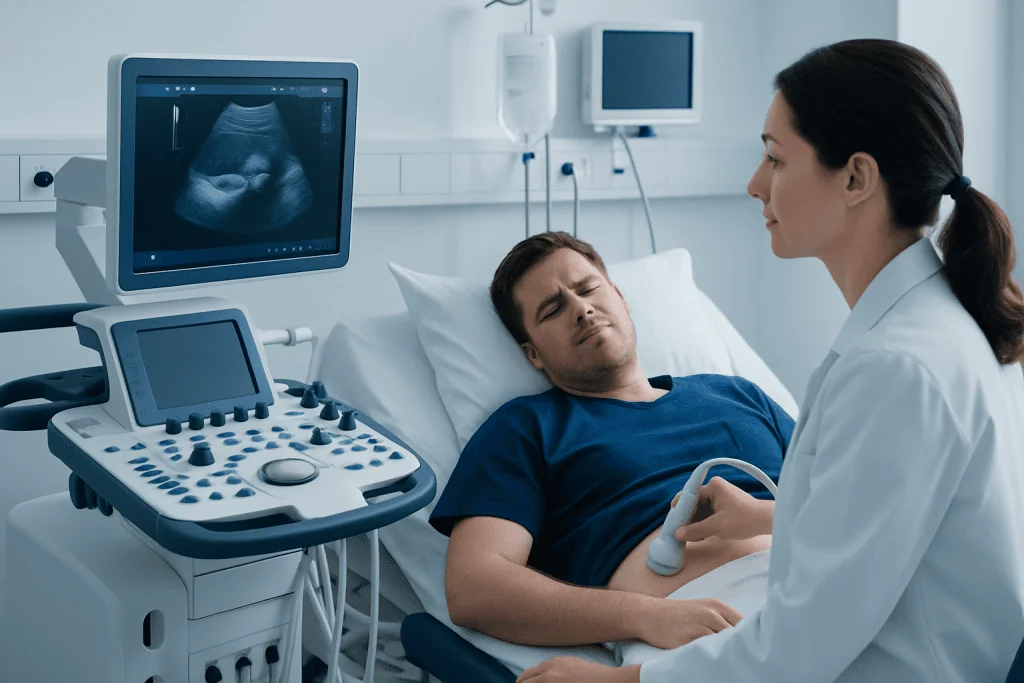
The most common symptoms of gastroenteritis are frequent loose stools, nausea, vomiting, abdominal cramping, and a general feeling of being unwell. Some people also develop fever, chills, headache, muscle aches, bloating, or loss of appetite. Symptoms can start suddenly, especially with viral infections or foodborne illness.
The severity varies. Some people have only mild diarrhea and nausea for a day or two, while others may experience repeated vomiting or significant fluid loss. Young children and older adults can become dehydrated more quickly, so even a short illness may affect them more strongly.
Signs of dehydration are especially important to recognize. These may include dry mouth, strong thirst, dizziness, weakness, dark urine, urinating less often than usual, and in children, fewer wet diapers or unusual sleepiness. When dehydration becomes more severe, it can require medical treatment, including intravenous fluids.
- Mild symptoms: nausea, loose stools, stomach discomfort, low appetite
- Moderate symptoms: repeated vomiting, frequent diarrhea, low-grade fever, weakness
- Concerning symptoms: blood in stool, severe abdominal pain, confusion, fainting, or signs of dehydration
Causes and Risk Factors

Viruses are among the most common causes of gastroenteritis. Norovirus and rotavirus are well-known examples. These infections spread easily through close contact, contaminated surfaces, shared food, or unwashed hands. They are common in households, schools, care facilities, and during travel.
Bacteria can also cause gastroenteritis, often through contaminated food or water. Poor food handling, undercooked meat, unpasteurized dairy, or cross-contamination in the kitchen can increase risk. In some cases, toxins made by bacteria in food may trigger symptoms quickly after eating. Parasites are less common in many settings but may be a concern after travel or exposure to unsafe water.
Certain factors make gastroenteritis more likely or potentially more serious. These include young age, older age, pregnancy, weakened immunity, chronic illness, and medications that affect immune function or stomach acid. Travel-related exposures and outbreaks in crowded environments can also raise risk. Occasionally, doctors may need to investigate whether symptoms are related to another digestive problem, including gastritis, especially if upper abdominal pain or persistent symptoms are prominent.
Diagnosis: How Doctors Identify the Cause
Many cases of gastroenteritis can be diagnosed from symptoms and recent history alone. A doctor may ask when the illness began, whether vomiting or diarrhea came first, what foods were eaten recently, whether anyone nearby is sick, and whether there has been recent travel. This history helps estimate whether the cause is viral, foodborne, medication-related, or due to another digestive condition.
Testing is not always needed. However, stool tests may be considered if symptoms are severe, prolonged, associated with fever or blood, or happen in a person at higher risk of complications. Blood tests can help assess dehydration, inflammation, or electrolyte imbalance when the illness is more serious.
If symptoms are unusually persistent, recurrent, or not clearly explained by infection, a specialist may evaluate the digestive tract more closely. In selected situations, doctors may recommend colonoscopy or endoscopy to look for other causes of ongoing diarrhea, abdominal pain, or bleeding. The goal is not only to confirm gastroenteritis when needed, but also to rule out other conditions that may require different treatment.
Treatment Options: Fluids, Diet, Medicines, and Hospital Care
The most important part of gastroenteritis treatments is fluid replacement. Water helps, but oral rehydration solutions are often better because they also replace salts and minerals lost through diarrhea or vomiting. Small, frequent sips may be easier to tolerate than drinking a large amount at once, especially if nausea is present.
Food can usually be reintroduced gradually as vomiting settles. Many people do best starting with simple, bland foods and avoiding greasy, spicy, or very sugary items until the stomach feels steadier. Rest is also part of treatment, as the body needs time to recover from fluid loss and infection.
Medicines may help in some cases, but they should be used thoughtfully. A doctor may advise anti-nausea medication or symptom relief for diarrhea in appropriate adults, but these are not suitable for everyone. Antibiotics are only useful for certain bacterial infections and are not a routine treatment for viral gastroenteritis. In severe dehydration or when a person cannot keep fluids down, hospital treatment with intravenous fluids may be needed. If there is concern for a significant intestinal problem beyond routine infection, imaging such as MRI may occasionally be used in the broader diagnostic workup.
- Home care often includes oral rehydration, rest, and gradual return to food
- Children, older adults, and frail patients may need earlier medical review
- Antibiotics should only be used when prescribed for a confirmed or strongly suspected bacterial cause
- Emergency care may be needed for severe dehydration, confusion, or ongoing inability to drink
Prevention and Self-Care During Recovery
Prevention focuses on reducing exposure to infectious germs and contaminated food or water. Handwashing with soap and water is especially important after using the bathroom, changing diapers, and before preparing meals. Cleaning contaminated surfaces and avoiding shared utensils during illness can also limit spread inside the home.
Safe food handling matters as well. Meat should be cooked thoroughly, raw and cooked foods should be kept separate, and perishable foods should be refrigerated promptly. During travel, using safe drinking water and choosing carefully prepared foods can reduce the risk of infection.
During recovery, it helps to avoid alcohol, heavy meals, and foods that seem to worsen symptoms. Restoring normal eating can happen step by step, based on appetite and tolerance. If symptoms persist beyond the expected course, or if fatigue and weight loss continue, further medical evaluation is reasonable rather than assuming the illness will simply pass.
When to Seek Medical Care
Medical care is important when symptoms suggest more than a mild, self-limited stomach infection. Adults should contact a doctor if they have severe or persistent vomiting, diarrhea lasting more than a few days, blood in the stool, high fever, severe abdominal pain, or signs of dehydration such as dizziness, very dark urine, or little urination.
Infants, young children, older adults, pregnant people, and anyone with a weakened immune system should be assessed sooner because complications can develop faster. Reduced wet diapers, unusual sleepiness, inability to drink, or a child who is not acting normally are all reasons for prompt review.
If symptoms are severe, especially with confusion, fainting, or inability to keep fluids down, urgent care may be needed. Near the end of the care pathway, some patients may benefit from specialist evaluation. Acibadem International’s multidisciplinary specialists and JCI-accredited hospitals diagnose and treat digestive conditions for international patients when further assessment is needed.
Frequently asked questions
What are the most effective gastroenteritis treatments?
The most effective gastroenteritis treatments usually focus on replacing fluids and electrolytes, resting, and returning to food gradually. Additional treatment depends on the cause, severity, age, and whether dehydration or another complication is present.
Do antibiotics help with gastroenteritis?
Not usually. Many cases are caused by viruses, and antibiotics do not treat viral infections. They may be used only when a doctor suspects or confirms a specific bacterial cause.
How long does gastroenteritis usually last?
Many viral cases improve within a few days, though bowel habits can take a little longer to fully normalize. If symptoms are severe, last longer than expected, or keep returning, medical evaluation is important.
What should a person eat or drink during recovery?
Small, frequent sips of fluids are often best at first, especially if nausea is present. Once vomiting improves, simple foods can be reintroduced gradually while greasy, spicy, or very sugary foods are limited until symptoms settle.
When is gastroenteritis dangerous?
Gastroenteritis becomes more concerning when it causes dehydration, blood in the stool, severe abdominal pain, confusion, fainting, or persistent inability to drink. It can also be more serious in infants, older adults, pregnant people, and those with weakened immune systems.
Can gastroenteritis spread from person to person?
Yes, many viral causes spread easily through contaminated hands, surfaces, food, and close contact. Good hand hygiene, careful cleaning, and not preparing food for others while sick can help reduce transmission.
References
- World Health Organization
- Centers for Disease Control and Prevention
- National Institute of Diabetes and Digestive and Kidney Diseases
- American College of Gastroenterology
- Mayo Clinic
This article is for general information only and is not a substitute for professional medical advice. Please consult a qualified doctor about your individual situation.
Gastroenteritis in Turkey — costs, top hospitals & a free quote
JCI-accredited · board-certified surgeons · reply within 24h
Add us as a Preferred Source to see more of our trusted health content across Google Search, AI Overviews and Discover.

Gastroenterology
Diagnosis and treatment of the digestive system and liver, with advanced endoscopy.
46 specialists in this unit