Pregnant Woman Breathing Problems: A Complete Clinical Guide for Patients

Mild shortness of breath can be a normal part of pregnancy, especially in the first and third trimesters. Pregnancy hormones and the growing uterus can change how breathing feels even when oxygen levels are normal.
Key Takeaways
- Mild shortness of breath can be a normal part of pregnancy, especially in the first and third trimesters.
- Pregnancy hormones and the growing uterus can change how breathing feels even when oxygen levels are normal.
- Breathing problems with chest pain, blue lips, fainting, fever, or one-sided leg swelling need urgent medical care.
- Doctors may use history, examination, blood tests, and safe imaging when needed to find the cause.
- Treatment depends on the reason for symptoms and may include managing asthma, anemia, infection, or heart and lung conditions.
- Rest, posture, pacing activities, and regular prenatal care can help many patients feel more comfortable.
Pregnant woman breathing problems are common and are often linked to normal hormonal and physical changes that make breathing feel different, especially as pregnancy progresses. However, breathing trouble that is sudden, severe, painful, or associated with other warning signs should be assessed by a doctor without delay.
Overview: Why Breathing Can Feel Different During Pregnancy
Pregnant woman breathing problems are a frequent concern, and in many cases they are related to normal changes in the body rather than a dangerous illness. Many women notice they need to take deeper breaths, feel winded sooner on stairs, or become more aware of their breathing during daily activities. These sensations can begin surprisingly early in pregnancy and may continue or increase as the baby grows.
Several pregnancy-related changes explain this. Hormones, especially progesterone, stimulate the breathing center in the brain and make the body breathe a little more deeply. At the same time, the heart works harder to meet the needs of both mother and baby, and later in pregnancy the enlarged uterus reduces how much room the lungs have to expand downward. This can create a sense of breathlessness even when lung function and oxygen levels remain normal.
Still, not every breathing symptom in pregnancy should be assumed to be normal. Shortness of breath can also be caused by anemia, asthma, infections, blood clots, or heart problems. The most important question is whether the symptom is mild and stable or new, worsening, painful, or accompanied by other warning signs. A careful medical assessment can tell the difference.
What Normal Pregnancy Breathlessness Usually Feels Like
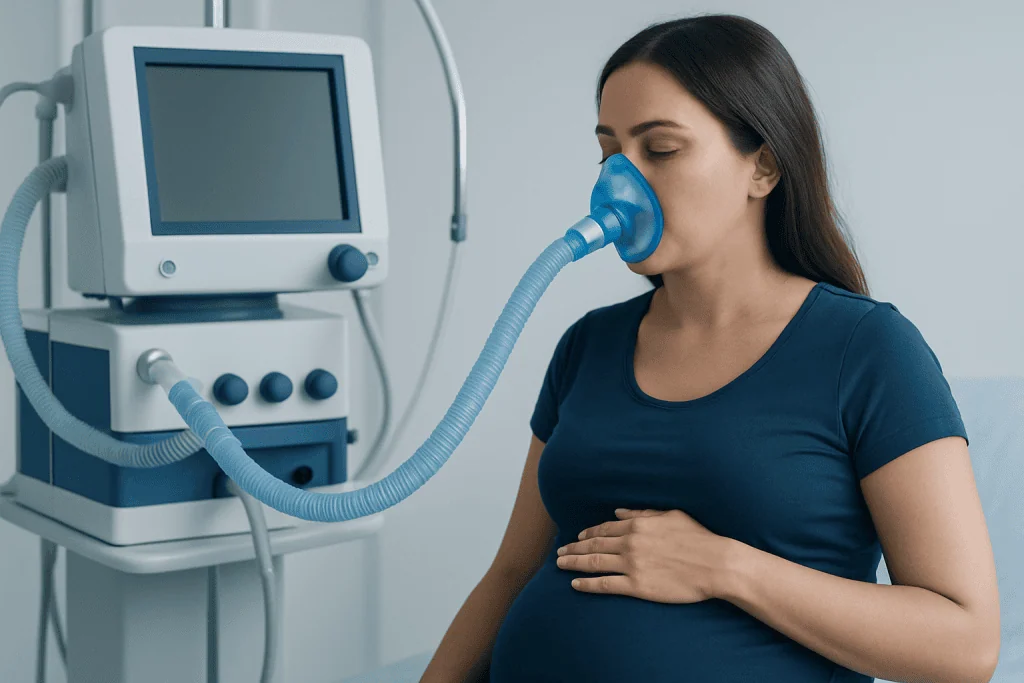
Typical pregnancy-related breathlessness often feels like needing to pause for air after climbing stairs, talking for a long time, or walking quickly. Some women describe it as not being able to take a fully satisfying breath, even though they are not actually gasping. This often happens more at rest or with light effort than people expect, which can be unsettling but may still be within the range of normal.
Symptoms that are more likely to fit normal pregnancy changes tend to come on gradually, not suddenly. They are usually mild to moderate, improve with rest, and are not linked to chest pain, fever, fainting, or bluish lips. Many women can still speak in full sentences and do ordinary activities, even if they need to slow down more often.
These sensations may fluctuate throughout pregnancy. In early pregnancy, hormones may cause deeper breathing and greater awareness of breathing. In later pregnancy, the uterus pushes upward on the diaphragm, changing posture and lung mechanics. Although this can be uncomfortable, a doctor can help confirm whether the pattern fits expected pregnancy changes or suggests another condition.
Symptoms and Warning Signs That Need More Attention
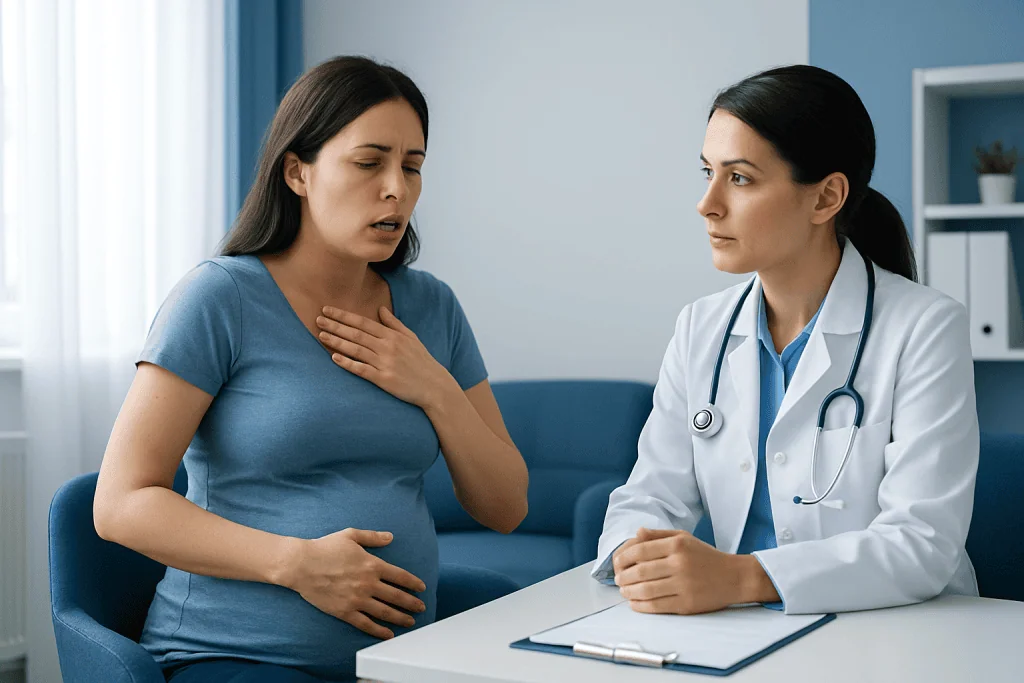
It is important to look at the whole symptom picture, not just the feeling of breathlessness alone. Breathing problems that deserve prompt evaluation include sudden shortness of breath, rapidly worsening symptoms, difficulty breathing at rest, or breathlessness severe enough to limit normal speaking or movement. Associated chest tightness, wheezing, cough, palpitations, or marked fatigue can also help doctors narrow down the cause.
Certain warning signs raise concern for urgent conditions. These include chest pain, coughing up blood, fever, confusion, fainting, bluish lips or fingertips, one-sided leg swelling, or severe dizziness. Such symptoms can be linked to problems such as pneumonia, an asthma flare, a blood clot in the lung, or heart-related complications that need urgent medical attention.
Women who already have asthma, heart disease, high blood pressure, thyroid disease, or previous clotting problems may need closer monitoring if breathing symptoms change. A history of smoking, recent immobility, obesity, recent respiratory infection, or carrying twins or more can also affect risk. In these settings, new or worsening breathing problems should be discussed with a qualified clinician promptly.
- Seek urgent help for sudden severe shortness of breath.
- Chest pain, fainting, blue lips, or coughing blood are emergency warning signs.
- Fever, persistent cough, or wheezing should be assessed by a doctor.
- One-sided leg pain or swelling may point to a blood clot risk.
Possible Causes Beyond Normal Pregnancy Changes
Although many cases are harmless, pregnant woman breathing problems can also reflect treatable medical conditions. Anemia is a common example. If the blood carries less oxygen than usual, the heart and lungs work harder, and a woman may feel tired, weak, and out of breath with mild activity. Iron deficiency is one possible reason, but doctors may look for other causes as well.
Asthma may improve, worsen, or stay the same during pregnancy. If wheezing, chest tightness, or nighttime cough appear, evaluation is important because poorly controlled asthma may affect both maternal comfort and oxygen delivery. Respiratory infections such as bronchitis, flu, COVID-19, or pneumonia can also lead to breathing symptoms and may need closer observation during pregnancy. In some cases, clinicians consider asthma or other underlying lung conditions as part of the assessment.
Less common but more serious causes include pulmonary embolism, which is a blood clot in the lung, and heart conditions such as rhythm problems, cardiomyopathy, or worsening of previously known heart disease. Pregnancy increases the tendency for blood clotting, so symptoms such as sudden breathlessness, chest pain, and leg swelling are taken seriously. Doctors may also consider anxiety or panic symptoms, but this diagnosis is usually made carefully after more urgent causes have been reviewed.
How Doctors Diagnose Breathing Problems in Pregnancy
Diagnosis begins with a detailed history. A doctor will ask when the symptom started, what makes it better or worse, whether there is cough, wheezing, chest pain, fever, swelling, or palpitations, and whether there is a history of asthma, clotting problems, heart disease, or recent illness. They will also ask about gestational age, medications, allergies, and pregnancy-related complications.
The physical exam may include checking breathing rate, heart rate, blood pressure, oxygen level, temperature, and listening to the lungs and heart. Swelling in the legs, signs of anemia, or evidence of infection can offer important clues. Blood tests may be used to look for anemia, inflammation, infection, or strain on the body, depending on the suspected cause.
If imaging is needed, doctors choose tests carefully to balance diagnostic value and fetal safety. A chest X-ray may be appropriate in some situations. Ultrasound of the legs can help evaluate possible clots, and additional imaging may be recommended if a pulmonary embolism is suspected. If symptoms point to heart causes, an electrocardiogram or echocardiography may be used. When lung function needs assessment, clinicians may use breathing tests, and in selected cases pulmonary function tests can help clarify whether airway disease is contributing.
Treatment Options and Day-to-Day Relief
Treatment depends on the cause. If symptoms are due to expected pregnancy changes, management usually focuses on reassurance, pacing activities, improving posture, and monitoring over time. Sitting upright, sleeping with the upper body slightly elevated, and taking regular breaks during activity can reduce the sensation of breathlessness for many women.
If a specific medical issue is found, treatment is directed toward that condition. Anemia may require dietary changes or iron treatment. Asthma is usually managed with pregnancy-appropriate medications to keep breathing stable. Infections may need supportive care or medicines recommended by a doctor. Heart and lung conditions may involve coordinated care from obstetric, medical, and respiratory specialists. In some patients, referral for respiratory therapy and rehabilitation may be helpful as part of recovery from a lung-related illness.
Self-care measures can support medical treatment but should not replace it when symptoms are significant. Gentle movement, avoiding overexertion, staying well hydrated, and limiting exposure to smoke or other irritants may help. If anxiety contributes to the sensation of breathlessness, calm breathing techniques and reassurance can be useful, though persistent or severe symptoms should still be medically assessed first.
Near the end of care planning, some women benefit from a multidisciplinary approach, especially if there is a known lung or heart condition. Acibadem International’s multidisciplinary specialists in JCI-accredited hospitals assess and treat pregnancy-related breathing concerns for international patients when more complex evaluation is needed.
Prevention, Self-Care, and Prenatal Follow-Up
Not all breathing problems can be prevented, but healthy routines can lower risk and improve comfort. Regular prenatal visits help doctors track blood pressure, blood counts, and overall maternal health. Women with asthma or other chronic conditions should keep follow-up appointments and review medication plans early in pregnancy rather than stopping treatment on their own.
Practical daily steps can make breathing easier. Maintaining good posture, moving slowly when changing positions, taking breaks during exercise, and choosing gentle physical activity approved by a doctor can help. Avoiding smoking and secondhand smoke is particularly important, as these can worsen breathing and increase pregnancy risks. Staying current with recommended vaccines during pregnancy may also reduce the chance of severe respiratory infection.
Nutrition matters as well. A balanced diet that supports healthy iron levels and hydration may reduce fatigue-related breathlessness. Women who are told they are anemic should follow their treatment plan and attend repeat testing if advised. Any noticeable change from a familiar pattern of mild pregnancy breathlessness should be brought up at the next prenatal visit, or sooner if symptoms are more intense.
When to Seek Medical Care
A short medical review is reasonable whenever a pregnant woman is uncertain whether her breathing symptoms are normal. Mild, stable breathlessness can often be discussed at a routine prenatal visit, especially if it is gradual and not associated with other symptoms. However, if the symptom is new, clearly worsening, or limiting normal activity, contacting a doctor sooner is the safer step.
Urgent medical care is needed for sudden shortness of breath, chest pain, blue lips, fainting, severe wheezing, coughing up blood, high fever, or confusion. Women should also seek prompt evaluation for one-sided leg swelling or pain, as this may suggest a clotting problem. If there is concern about serious lung illness such as pneumonia or a significant asthma flare, early assessment is especially important.
Emergency services should be used if breathing becomes very difficult, if a woman cannot speak comfortably, or if she feels she may pass out. It is always appropriate to err on the side of caution during pregnancy. Rapid assessment can rule out serious problems and provide reassurance when symptoms are part of normal pregnancy changes.
Frequently asked questions
Is shortness of breath normal during pregnancy?
Yes, mild shortness of breath can be normal during pregnancy because hormones change breathing patterns and the growing uterus affects lung expansion. It is usually gradual, mild, and not associated with chest pain, fainting, fever, or blue lips. If symptoms are severe or changing quickly, a doctor should assess them.
When does pregnancy-related breathlessness usually start?
Some women notice it early in pregnancy because hormonal changes can increase the drive to breathe more deeply. Others feel it more in the third trimester when the uterus takes up more space and limits how far the diaphragm can move. The timing varies from person to person.
How can a pregnant woman tell whether breathing problems are serious?
Warning signs include sudden or severe shortness of breath, chest pain, coughing blood, fainting, fever, bluish lips, or one-sided leg swelling. Difficulty speaking, confusion, or symptoms that rapidly worsen are also concerning. These signs need urgent medical attention rather than home observation.
Can asthma get worse during pregnancy?
Yes, asthma may worsen, improve, or stay the same during pregnancy. Because uncontrolled asthma can affect maternal well-being and oxygen delivery, symptoms such as wheezing, chest tightness, and nighttime cough should be reviewed by a doctor. Treatment plans often need regular monitoring during pregnancy.
Are tests for breathing problems safe during pregnancy?
Doctors choose tests carefully and only when they are needed. Physical examination, oxygen checks, blood tests, and some imaging studies can be used safely with appropriate precautions. The goal is to diagnose important conditions promptly while minimizing unnecessary exposure.
What can help relieve mild breathlessness during pregnancy?
Helpful measures may include sitting upright, improving posture, using extra pillows at night, slowing down during activity, and taking regular rest breaks. Avoiding smoke and staying hydrated can also help. These steps are supportive, but they do not replace medical care if symptoms are severe or unusual.
References
- American College of Obstetricians and Gynecologists
- Centers for Disease Control and Prevention
- National Heart, Lung, and Blood Institute
- Royal College of Obstetricians and Gynaecologists
- World Health Organization
This article is for general information only and is not a substitute for professional medical advice. Please consult a qualified doctor about your individual situation.
Explore treatments in Turkey — costs, top hospitals & a free quote
JCI-accredited · board-certified surgeons · reply within 24h
Add us as a Preferred Source to see more of our trusted health content across Google Search, AI Overviews and Discover.
Check your numbers in seconds
BMI, calories, due date, blood pressure and 30+ more clinical calculators — free, instant, doctor-reviewed ranges.