How Can We Have Twins? Causes, Explanations, and Next Steps

Twins occur in two main ways: one embryo splits identical twins or two eggs are fertilized fraternal twins. Age, family history, previous pregnancies, and fertility treatment can increase the chance of twins.
Key Takeaways
- Twins occur in two main ways: one embryo splits identical twins or two eggs are fertilized fraternal twins.
- Age, family history, previous pregnancies, and fertility treatment can increase the chance of twins.
- Most twin pregnancies can progress well, but they need closer monitoring than singleton pregnancies.
- Early ultrasound is the main way doctors confirm twins and determine the type of twin pregnancy.
- Urgent medical advice is important for heavy bleeding, severe pain, dehydration, or concerning symptoms in pregnancy.
How can we have twins? In most cases, twins happen naturally either because one fertilized egg splits into two embryos or because two separate eggs are fertilized in the same cycle. Many twin pregnancies are healthy, but certain symptoms, personal risk factors, and fertility treatments can make medical review especially important.
Overview: How Twins Happen
For people asking, “how can we have twins,” the short answer is that twins usually happen in one of two natural biological ways. Either one fertilized egg divides into two embryos, creating identical twins, or two separate eggs are released and fertilized during the same menstrual cycle, creating fraternal twins. In many cases, this is simply a variation of normal reproduction rather than a sign that anything is wrong.
It can help to know that the chance of twins is influenced by a mix of genetics, age, reproductive history, and whether fertility treatment is involved. Some couples have twins without any clear reason at all. Others may have identifiable factors that make the release of more than one egg more likely.
Because twin pregnancies can carry different medical needs than singleton pregnancies, the next step is usually not to guess based on symptoms alone. Instead, a doctor confirms the pregnancy with ultrasound, estimates how the twins developed, and checks whether the pregnancy appears to be progressing safely.
Types of Twins and Why the Difference Matters
There are two main types of twins: identical and fraternal. Identical twins, also called monozygotic twins, develop when one fertilized egg splits into two embryos. Fraternal twins, also called dizygotic twins, develop when two different eggs are fertilized by two different sperm cells in the same cycle.
Fraternal twins are not more genetically alike than ordinary siblings. They may be the same sex or different sexes, and they often do not look exactly alike. Identical twins are usually the same sex and share more genetic material, although they are still not completely identical in every trait.
This difference matters in pregnancy care because identical twins may share certain pregnancy structures, such as a placenta, depending on when the embryo split. That can affect monitoring and risk. Early ultrasound helps doctors understand whether the twins have separate placentas and sacs or share them, which guides follow-up throughout pregnancy.
Some people also hear about higher-order multiple pregnancies, such as triplets. These can occur naturally but are more commonly associated with fertility treatment. When there is concern about ovulation patterns or fertility planning, a specialist in IVF and reproductive medicine can explain the possibilities in a personalized and medically safe way.
What Increases the Chance of Having Twins?
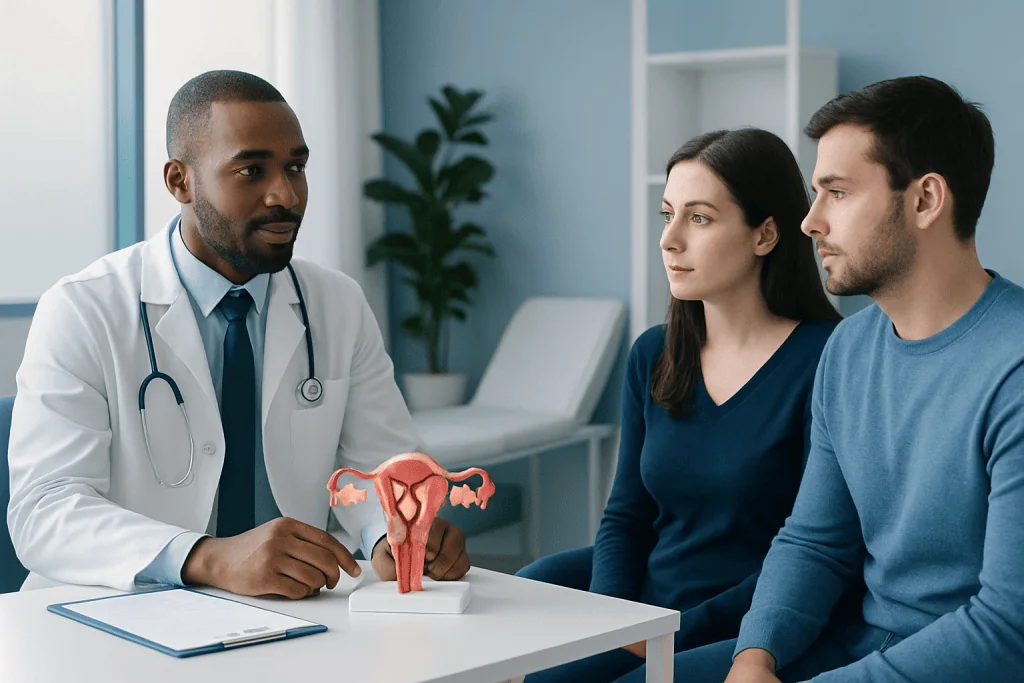
Several factors can make twins more likely, especially fraternal twins. One of the most recognized is maternal age. As people get older, especially in the later reproductive years, hormonal changes can make the ovaries more likely to release more than one egg in a cycle.
Family history can also play a role, mainly on the side of the person ovulating. A tendency toward hyperovulation, or releasing multiple eggs, can run in families. Having had previous pregnancies may also slightly increase the chance of twins, as can certain body and reproductive patterns, though these influences are not strong enough to predict twins with certainty.
Fertility treatment is another important factor. Ovulation-inducing medicines may increase the chance that more than one egg matures and is released. Assisted reproductive techniques, including in vitro fertilization IVF, may also raise the chance of multiple pregnancy depending on how treatment is planned. Today, fertility teams often aim to reduce avoidable multiple pregnancies while still trying to achieve a healthy pregnancy.
It is also important to separate myths from evidence. Diet changes, sexual positions, or home timing methods are not reliable ways to cause twins. While many people search for a method to make twins happen, there is no guaranteed natural approach, and trying to force the outcome without medical guidance is not recommended.
Early Signs, Common Symptoms, and Red Flags
Many people wonder whether they can tell they are having twins before a scan. In reality, symptoms alone are not a reliable way to know. Some people carrying twins report more nausea, breast tenderness, fatigue, bloating, or earlier abdominal growth, but these symptoms can also happen in a healthy singleton pregnancy.
In many cases, the discovery of twins is harmless and happens during a routine prenatal ultrasound. Occasionally, twins are suspected because pregnancy hormone levels seem higher than expected or the uterus measures larger than anticipated for the gestational age. Even then, ultrasound is needed for confirmation.
What matters most is recognizing warning signs that should not be ignored. Heavy vaginal bleeding, one-sided severe pelvic pain, fainting, strong dizziness, severe vomiting with inability to keep fluids down, chest pain, shortness of breath, or severe abdominal pain all need prompt medical assessment. These symptoms do not necessarily mean twins, but they may point to urgent pregnancy complications.
People who are trying to conceive and have irregular cycles, known ovulation problems, or possible polycystic ovary syndrome PCOS may also benefit from medical review before or early in pregnancy. Conditions that affect ovulation can influence fertility planning, even though they do not automatically mean twins will occur.
How Doctors Confirm Twins and Check Pregnancy Health
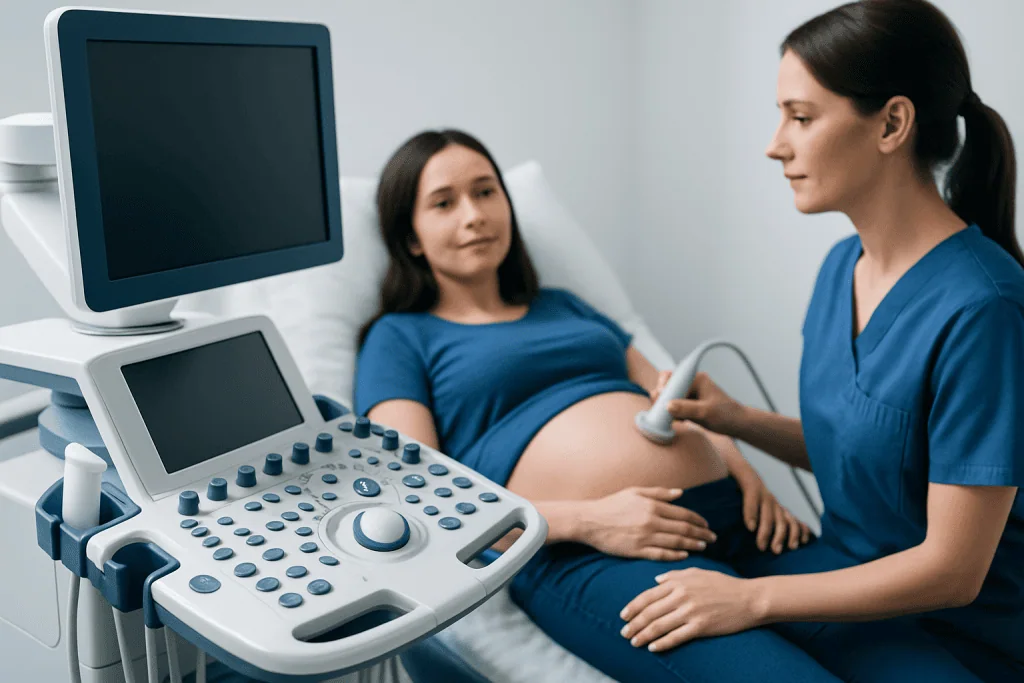
The main test used to confirm twins is an ultrasound. This shows how many embryos are present, whether there are one or two heartbeats, and whether the twins appear to share a placenta or amniotic sac. An early scan is especially helpful because it gives the clearest picture of how the pregnancy started and what kind of monitoring may be needed.
Doctors also review the medical history in detail. They may ask about age, prior pregnancies, menstrual timing, use of fertility medication, family history of twins, and any symptoms such as bleeding or pain. If conception followed fertility treatment, that information helps the care team assess the likelihood of multiple pregnancy and plan appropriate follow-up.
Blood tests may support pregnancy assessment, but they do not diagnose twins on their own. Pregnancy hormone levels can vary widely from person to person. For that reason, a higher level does not automatically mean twins, and a normal level does not rule them out.
If there are concerns about infertility, ovulation disorders, or repeated difficulty conceiving, evaluation may include hormone tests, ultrasound of the ovaries and uterus, and sometimes testing related to infertility treatment. The goal is not simply to increase the chance of pregnancy, but to support the safest and most appropriate path to conception.
Treatment, Pregnancy Care, and Next Steps
Twins are not treated as a disease, but a twin pregnancy does need closer medical care than a singleton pregnancy. Prenatal visits are usually more frequent, and ultrasound monitoring may be scheduled more often to track fetal growth, placental function, and fluid levels. This is especially important for identical twins who may share a placenta.
General pregnancy care remains the foundation: balanced nutrition, good hydration, prenatal vitamins as recommended by a doctor, rest, and regular follow-up. A clinician may also discuss healthy weight gain, blood pressure checks, screening for anemia, and ways to reduce the risk of complications such as preterm birth.
When twins follow fertility treatment, the care team may coordinate between reproductive medicine and obstetric specialists. If twin pregnancy develops after treatment for an underlying condition such as endometriosis, management may also include attention to the original reproductive health issue and its effect on pregnancy planning.
Near the end of care planning, some families seek support from centers experienced in complex pregnancies and reproductive medicine. Acibadem International’s multidisciplinary specialists and JCI-accredited hospitals diagnose and treat fertility conditions and provide pregnancy care for international patients when this is needed.
Can Twins Be Planned or Prevented?
For most people, twins cannot be reliably planned through lifestyle changes alone. Natural twinning is largely outside a couple’s control. While some risk factors may raise the odds, they do not create a predictable or guaranteed result.
In fertility medicine, the goal is usually not to create twins but to achieve a healthy pregnancy in the safest way possible. Modern fertility care often tries to lower avoidable multiple pregnancies because carrying more than one baby can increase the chance of complications for both the pregnant person and the babies.
If a person strongly hopes for twins or strongly wants to avoid them, that should be discussed openly with a fertility specialist. The doctor can explain how ovulation-inducing medicines and embryo transfer strategies affect risk. Clear counseling is important because online advice about “how to have twins” is often oversimplified or misleading.
Self-care also matters before conception. Managing chronic conditions, stopping smoking, reviewing medications, and beginning preconception care can improve overall reproductive health. These steps support healthy pregnancy planning, whether a pregnancy eventually involves one baby or more than one.
When to Seek Medical Care
Medical advice is appropriate whenever someone suspects pregnancy and wants to understand whether twins are possible, especially if fertility treatment has been used or there is a history of reproductive difficulties. A routine prenatal appointment and ultrasound are the safest way to get a clear answer.
Urgent care is needed for heavy bleeding, severe or one-sided pelvic pain, fainting, high fever, significant shortness of breath, or vomiting that causes dehydration. These symptoms may relate to ectopic pregnancy, miscarriage, ovarian problems, or other conditions that need prompt attention rather than home monitoring.
People trying to conceive should also seek medical review if pregnancy has not occurred after an appropriate period of trying, if cycles are very irregular, or if there is known reproductive disease. Conditions such as ovulation disorders, tubal problems, or male factor infertility may need assessment before discussing the chance of twins in any meaningful way.
In short, most questions about twins are answered safely and reassuringly with proper prenatal assessment. A doctor can explain whether twins are present, what type they appear to be, and what kind of follow-up is best for the pregnancy.
Frequently asked questions
How can we have twins naturally?
Twins can happen naturally if one fertilized egg splits into two embryos or if two eggs are released and fertilized in the same cycle. There is no guaranteed natural method to make this happen. Genetics, age, and normal biological variation are usually the main reasons.
Are twins inherited from the mother or the father?
The tendency to release more than one egg, which can lead to fraternal twins, is mainly linked to the person who ovulates. That means family history on the maternal side is often more relevant. However, family patterns do not guarantee twins in any one pregnancy.
Can symptoms alone tell if someone is having twins?
No, symptoms alone cannot confirm twins. Some people with twin pregnancies have stronger nausea or more fatigue, but these symptoms are common in singleton pregnancies too. Ultrasound is the most reliable way to know.
Does IVF always mean twins?
No, IVF does not always mean twins. The chance depends on treatment details, including how many embryos are transferred and the individual medical situation. Many fertility programs work carefully to reduce avoidable multiple pregnancies.
Is a twin pregnancy high risk?
A twin pregnancy is usually considered higher risk than a singleton pregnancy because there is a greater chance of complications such as preterm birth or growth concerns. Still, many twin pregnancies result in healthy outcomes with close prenatal care. Regular monitoring is especially important.
When should someone see a doctor if they think they may be having twins?
A routine prenatal visit is the right next step for anyone who thinks twins may be possible. Prompt medical care is needed sooner for heavy bleeding, severe pain, fainting, or dehydration. Early ultrasound can confirm the pregnancy and guide safe follow-up.
References
- American College of Obstetricians and Gynecologists
- National Institute for Health and Care Excellence
- Centers for Disease Control and Prevention
- Mayo Clinic
- Society for Maternal-Fetal Medicine
This article is for general information only and is not a substitute for professional medical advice. Please consult a qualified doctor about your individual situation.
IVF & fertility treatment in Turkey — success rates and costs
JCI-accredited · board-certified surgeons · reply within 24h
Add us as a Preferred Source to see more of our trusted health content across Google Search, AI Overviews and Discover.
Check your numbers in seconds
BMI, calories, due date, blood pressure and 30+ more clinical calculators — free, instant, doctor-reviewed ranges.

More from the Health Library



Related Specialists

Prof. Dr. Cem Demirel
Gynecology & Obstetrics
Prof. Dr. Harzem Özger
Orthopedic Surgery & Traumatology
Dr. Serap Gülşeni
Check Up & Wellness Center
Dyt. Nilay Kayım
Nutrition & Diet