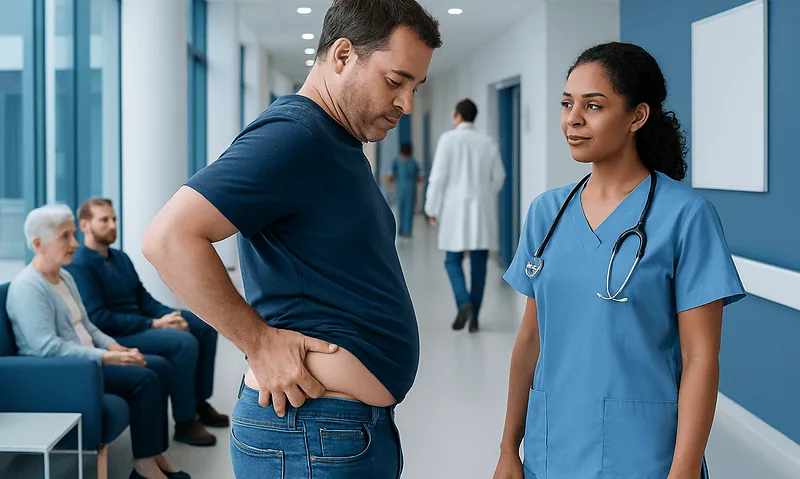
Injuries: What Patients Need to Know
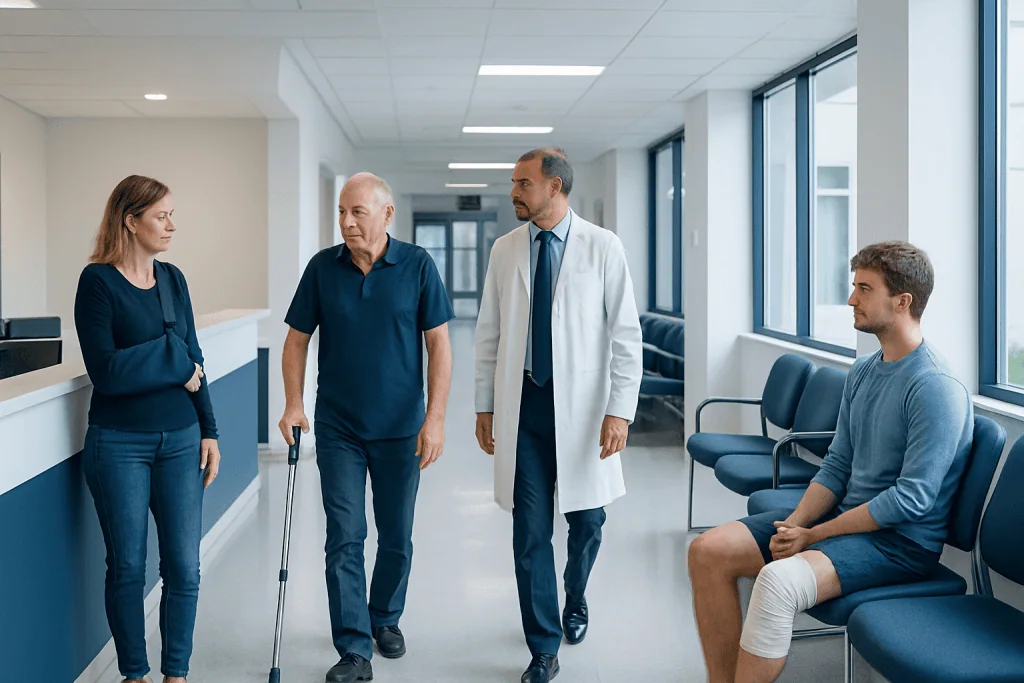
Injuries can affect skin, muscles, bones, joints, tendons, ligaments, nerves, and internal organs. Common warning signs include pain, swelling, bruising, reduced movement, weakness, numbness, and bleeding.
Key Takeaways
- Injuries can affect skin, muscles, bones, joints, tendons, ligaments, nerves, and internal organs.
- Common warning signs include pain, swelling, bruising, reduced movement, weakness, numbness, and bleeding.
- Early assessment helps identify fractures, sprains, strains, concussions, and internal injury that may need specific treatment.
- Self-care such as rest, protection, and gradual return to activity can help minor injuries, but red-flag symptoms should not be ignored.
- Prevention often involves conditioning, protective equipment, safe movement habits, and attention to fatigue or overuse.
Injuries are physical damage to the body caused by trauma, repetitive strain, or sudden overloading of tissues. Most injuries improve with prompt, appropriate care, but some need urgent medical attention to protect function, reduce pain, and support recovery.
Overview: what injuries are and why they vary
Injuries are damage to body tissues caused by a sudden event, repeated stress, or a force that exceeds what the body can tolerate. They may involve the skin, muscles, tendons, ligaments, bones, joints, nerves, or internal organs. Some are minor and heal with simple home care, while others need imaging, immobilization, rehabilitation, or urgent treatment.
Patients often think of injuries as cuts, falls, or sports accidents, but the term is broader. It also includes overuse problems such as tendon irritation, repetitive strain, and some stress-related bone injuries. The same event can affect more than one structure at a time, which is why symptoms do not always show how serious an injury is.
A helpful way to understand injuries is to group them by the tissue involved and the mechanism. Soft-tissue injuries include bruises, sprains, and strains. Bone injuries include fractures and stress fractures. Head injuries may range from mild concussion to more serious trauma. This broad view helps patients know when home care may be enough and when professional evaluation is the safer choice.
Common types and symptoms of injuries

Symptoms depend on the area of the body and the type of tissue involved. Pain is the most common symptom, but it may be accompanied by swelling, bruising, stiffness, reduced movement, tenderness, or a feeling of instability. Some injuries cause immediate symptoms, while others become more noticeable over several hours as swelling develops.
Soft-tissue injuries often include sprains, which affect ligaments, and strains, which affect muscles or tendons. A bruise may cause discoloration and soreness, while a cut can lead to bleeding and risk of infection if not cleaned and protected. Joint injuries may produce swelling, clicking, locking, or a sense that the joint may give way. In some cases, persistent joint pain may overlap with conditions such as arthritis, which a doctor can help distinguish from an acute injury.
Bone injuries may cause severe pain, deformity, inability to bear weight, or pain that worsens with movement. Nerve-related symptoms can include numbness, tingling, burning pain, or weakness. Head injuries deserve special attention because symptoms such as headache, dizziness, nausea, confusion, or sensitivity to light may suggest concussion and need monitoring.
- Pain that limits normal use of a body part
- Swelling, warmth, or visible bruising
- Reduced strength or range of motion
- Bleeding or a wound that may need closure
- Numbness, tingling, or weakness
- Headache, dizziness, or confusion after a blow
Causes and risk factors

Injuries can happen during sports, work, travel, household activities, or everyday movement. Common causes include falls, twisting, sudden impact, lifting, collisions, and overuse. Repetitive motion without enough recovery time can strain muscles and tendons, especially in the shoulders, elbows, wrists, knees, and ankles.
Risk increases when muscles are weak or fatigued, movement technique is poor, or the body is not prepared for the level of activity. Inadequate warm-up, returning to exercise too quickly after time off, and wearing unsupportive footwear can all contribute. Environmental hazards such as slippery floors, uneven ground, poor lighting, or unsafe equipment also play an important role.
Age and health status matter as well. Children and older adults may be more vulnerable to certain injuries, though for different reasons. Bone health, balance problems, previous injury, poor vision, and some medications can increase the risk of falls. People with certain chronic conditions may also heal more slowly or be more likely to have complications after an injury.
How injuries are diagnosed
Diagnosis begins with a medical history and physical examination. A clinician usually asks how the injury happened, when symptoms started, whether the patient heard a pop or crack, and what movements make pain better or worse. These details help identify whether the problem is likely to involve bone, tendon, ligament, muscle, nerve, or head injury.
During the examination, the injured area may be checked for tenderness, swelling, bruising, stability, strength, sensation, and circulation. The doctor may compare both sides of the body and assess whether the patient can safely move or bear weight. For wounds, they may also look at depth, contamination, and signs that structures under the skin could be affected.
Imaging is used when the examination suggests a fracture, dislocation, internal damage, or when symptoms are not improving as expected. X-rays are often used for bones and joints. Ultrasound or MRI can help assess soft-tissue problems such as tendon or ligament damage, and CT may be needed in selected cases. Some patients may benefit from evaluation through orthopedic rehabilitation if pain, weakness, or limited movement continue after the initial injury.
Treatment options and recovery
Treatment depends on the type, location, and severity of the injury. Minor soft-tissue injuries often improve with protection, rest, ice, compression, and elevation in the first phase, followed by a gradual return to movement. Simple wounds may need cleaning, dressing, and monitoring for infection. More significant injuries may require splinting, casting, stitches, prescription medicines, or a structured rehabilitation plan.
Fractures, dislocations, major tendon tears, and injuries causing instability or loss of function often need specialist assessment. Depending on the problem, treatment may include orthopedics and traumatology care, image-guided evaluation, or surgery. Rehabilitation is frequently an important part of healing because it helps restore flexibility, strength, balance, and confidence in movement.
Recovery times vary widely. A mild strain may improve within days to weeks, while a fracture or major ligament injury can take much longer. Returning to work, sport, or exercise too soon may increase the chance of re-injury, so progression should be based on pain, function, and medical advice rather than the calendar alone.
Patients recovering from head or complex musculoskeletal injuries may also need stepwise follow-up. In selected cases, a care plan can include physical therapy and rehabilitation to support safer recovery and reduce long-term stiffness or weakness.
Prevention and self-care
Many injuries are not fully preventable, but risk can often be reduced. A gradual approach to activity is one of the most effective strategies. This means building intensity over time, allowing rest days, and avoiding sudden increases in distance, weight, or repetition. Good technique, supportive footwear, and the right protective equipment can also make a meaningful difference.
Strength, balance, flexibility, and coordination help protect joints and muscles during movement. For people who work at desks or perform repetitive tasks, regular position changes and ergonomic adjustments may reduce strain. At home, injury prevention includes removing trip hazards, improving lighting, using handrails where needed, and taking extra care on wet or uneven surfaces.
Self-care after a minor injury should focus on symptom relief and protecting the area while it heals. Gentle movement is often introduced once severe pain starts to settle, but forcing activity through significant pain is usually not helpful. If symptoms are worsening, not improving, or interfering with daily life, the injury should be reviewed by a qualified clinician.
When to seek medical care
Medical care is important if an injury causes severe pain, obvious deformity, inability to bear weight, uncontrolled bleeding, or a wound that may need stitches. Patients should also seek prompt evaluation for numbness, weakness, pale or cool skin below the injury, or pain that is rapidly worsening. These signs can suggest damage to bone, nerves, blood vessels, or other deeper structures.
Head injuries should be assessed urgently if there is loss of consciousness, repeated vomiting, severe headache, confusion, seizure, unusual drowsiness, or behavior changes. Chest, abdominal, or back injuries also need prompt attention if there is shortness of breath, fainting, severe tenderness, or blood in urine or stool. In children, older adults, and people taking blood thinners, a lower threshold for medical review is sensible.
If symptoms persist beyond the expected time for a minor injury, specialist input may be helpful. This is especially true when there is recurring joint instability, ongoing swelling, reduced range of motion, or pain that keeps returning with activity. Acibadem International’s multidisciplinary specialists in JCI-accredited hospitals diagnose and treat injuries for international patients, including assessment of complex bone, joint, and soft-tissue problems.
Frequently asked questions
What are the most common injuries?
Common injuries include sprains, strains, bruises, cuts, fractures, dislocations, and overuse injuries. They often affect the ankles, knees, wrists, shoulders, and back because these areas are heavily used in daily life and sports.
How can someone tell if an injury is serious?
An injury may be serious if there is severe pain, visible deformity, inability to move or bear weight, heavy bleeding, numbness, weakness, or symptoms after a head injury. When in doubt, a medical assessment is the safest way to rule out fracture, dislocation, concussion, or deeper tissue damage.
Should ice or heat be used after injuries?
Ice is commonly used in the early phase after many minor injuries to help with pain and swelling. Heat is sometimes used later for stiffness, but the best approach depends on the injury, so patients should ask a clinician if symptoms are significant or persistent.
How long do injuries take to heal?
Healing time depends on the type and severity of the injury, the part of the body involved, and the person’s overall health. Minor soft-tissue injuries may improve within days or weeks, while fractures, tendon injuries, and more complex trauma may take much longer and need rehabilitation.
Can someone walk on an injured leg or ankle?
Some mild injuries still allow walking, but being able to walk does not always mean the injury is minor. If walking is very painful, swelling is significant, or the joint feels unstable, medical evaluation is recommended before returning to normal activity.
When should a wound from an injury be checked by a doctor?
A wound should be checked if bleeding does not stop, the edges are wide apart, the cut is deep or dirty, or the person has trouble moving the area below it. Medical care is also important if redness, warmth, pus, or fever develops, as these can be signs of infection.
References
- World Health Organization
- Centers for Disease Control and Prevention
- American Academy of Orthopaedic Surgeons
- Mayo Clinic
- National Institute of Arthritis and Musculoskeletal and Skin Diseases
This article is for general information only and is not a substitute for professional medical advice. Please consult a qualified doctor about your individual situation.
Explore treatments in Turkey — costs, top hospitals & a free quote
JCI-accredited · board-certified surgeons · reply within 24h
Add us as a Preferred Source to see more of our trusted health content across Google Search, AI Overviews and Discover.

More from the Health Library
Chills Shivering No Fever: A Complete Medical Overview

Ozone therapy: A Complete Medical Guide for Patients
Hell’s itch: Symptoms, Causes, and Treatment — Complete Patient Guide

Trigger Point Injections: An Evidence-Based Guide for Patients

Genital Eczema: What Patients Need to Know