How to Get Rid of Back Acne? Here Is What the Evidence Says
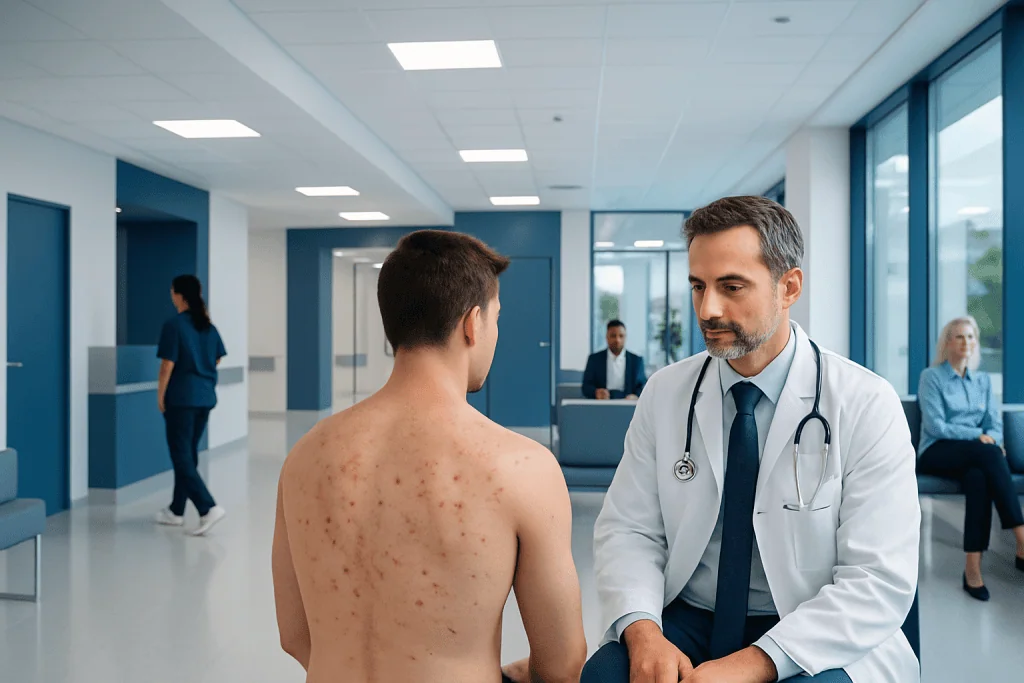
Back acne usually improves with regular cleansing, acne-active washes, and friction reduction. Benzoyl peroxide and salicylic acid are common first-line ingredients for mild back acne.
Key Takeaways
- Back acne usually improves with regular cleansing, acne-active washes, and friction reduction.
- Benzoyl peroxide and salicylic acid are common first-line ingredients for mild back acne.
- Sweat, tight clothing, oily products, hormones, and genetics can all contribute.
- Painful cysts, scars, sudden severe breakouts, or treatment failure should prompt medical review.
- A dermatologist may diagnose acne by examination and tailor treatment to severity and skin type.
Back acne is very common and is often manageable with consistent skin care, sweat control, and evidence-based acne treatments. If the bumps are painful, widespread, scarring, or not improving, a doctor can confirm the cause and recommend stronger options.
Overview: what helps back acne most
For many people, the most effective way to get rid of back acne is a combination of gentle daily cleansing, an acne-targeted body wash, showering after sweating, and avoiding friction from tight clothing or heavy backpacks. Mild cases often improve over several weeks with consistent use of ingredients such as benzoyl peroxide or salicylic acid, while more stubborn or deeper breakouts may need prescription treatment.
Back acne, often called “bacne,” is common and usually not dangerous. It happens when pores become blocked by oil, dead skin cells, and sometimes bacteria, leading to blackheads, whiteheads, inflamed bumps, or deeper nodules on the back, shoulders, and chest. Because the skin on the back is thicker and often covered by clothing, it can be harder to treat than facial acne.
Most breakouts on the back are harmless, but some signs deserve medical attention. Painful cysts, rapid worsening, drainage, scarring, fever, or bumps that do not behave like typical acne may point to another skin condition or to acne that needs stronger treatment. A doctor can examine the skin, ask about skin products, medicines, hormones, and family history, and decide whether the problem is acne, folliculitis, or another cause.
What back acne looks and feels like
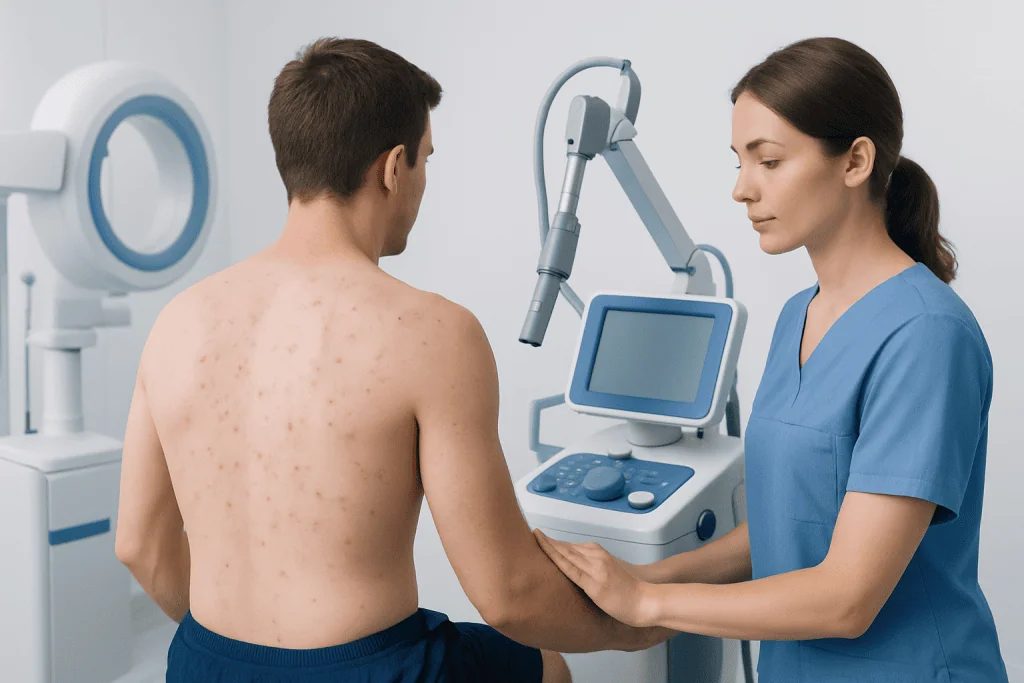
Back acne can appear in different forms. Some people mainly notice small rough bumps or clogged pores, while others develop red tender pimples or deeper lumps under the skin. The pattern can be scattered across the upper back and shoulders or more widespread over the entire back and chest.
Symptoms may include:
- Blackheads or whiteheads
- Red inflamed pimples
- Pus-filled spots
- Painful nodules or cyst-like bumps
- Itching, tenderness, or soreness
- Dark marks or scars left after healing
Not every bump on the back is acne. Heat rash, ingrown hairs, yeast-related folliculitis, and irritation from sweat or sports gear can look similar. If the bumps are very itchy, all about the same size, or do not respond to standard acne care, a clinician may consider other diagnoses including acne variants or folliculitis.
Why back acne happens
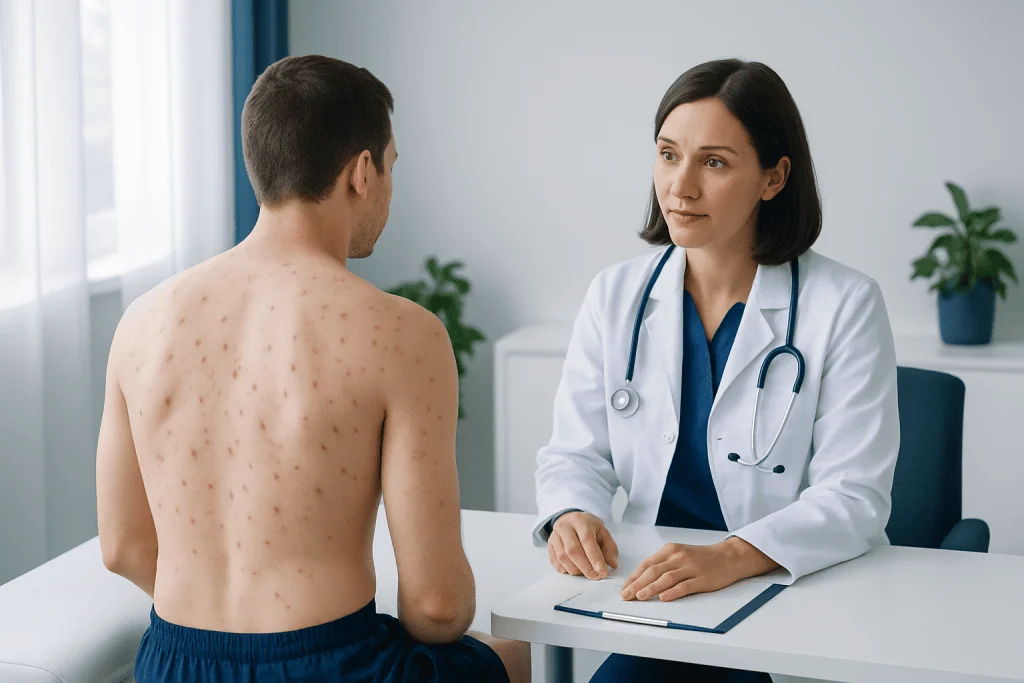
Back acne develops when hair follicles become clogged with excess sebum, dead skin cells, and debris. Inflammation then causes red or painful lesions, and skin bacteria can contribute to worsening. The back has many oil glands, which helps explain why this area is especially prone to breakouts.
Common triggers and risk factors include hormonal changes, family history, sweating, delayed showering after exercise, occlusive skin products, and friction from tight athletic wear. Certain medicines can also trigger acne-like eruptions. Stress does not directly cause acne, but it may worsen existing breakouts in some people.
Diet is an area of ongoing research. For some individuals, high-glycemic eating patterns or certain dairy products may be associated with acne severity, but this relationship is not the same for everyone. It is usually more helpful to focus first on proven skin care habits than to make major food restrictions without medical guidance.
Body acne may coexist with facial or chest breakouts, and in moderate to severe cases a dermatologist may discuss broader acne treatment options. If the skin is very inflamed or scarring, early assessment is important because prompt treatment may reduce long-term marks.
Evidence-based steps to get rid of back acne
Consistent routine matters more than using many products at once. A practical starting plan is to wash the back once daily and after heavy sweating with a gentle cleanser or an acne wash, then use non-comedogenic moisturizers and sunscreens if needed. Improvement often takes 6 to 8 weeks, so treatments should be given enough time unless they cause marked irritation.
Benzoyl peroxide wash is a common first-line option because it helps reduce acne-causing bacteria and inflammation. Salicylic acid can help unclog pores and may be useful for rough, bumpy, comedonal acne. Some people benefit from adapalene gel or other retinoid-based therapy, which helps normalize skin cell turnover, although these products can be drying and should be introduced gradually.
Self-care habits also make a difference:
- Shower soon after workouts or sweating
- Change out of tight or damp clothing promptly
- Choose loose, breathable fabrics when possible
- Avoid oily body products and heavy occlusive lotions
- Do not scrub harshly or pick at spots
- Wash sports gear, bras, and bed linens regularly
Harsh scrubs, aggressive exfoliation, and squeezing blemishes can increase inflammation and raise the risk of dark marks and scarring. If over-the-counter options are not enough, doctors may recommend topical prescriptions, oral medicines, or procedural care. In selected cases, supportive dermatology assessment can also help identify whether the eruption is true acne or another skin disorder.
How doctors diagnose back acne
Doctors usually diagnose back acne through a skin examination and a review of symptoms. They look at the type of lesions present, where they appear, whether scars are forming, and whether the bumps seem more acne-like or more consistent with folliculitis, irritation, or another condition. Laboratory tests are often not needed for straightforward acne.
The medical history may include questions about puberty, menstrual changes, pregnancy, family history, exercise habits, supplements, medicines, and skincare products. In women or adolescents with irregular periods, excess hair growth, or other hormone-related symptoms, clinicians may consider whether hormonal imbalance is contributing to persistent acne.
Severity assessment helps guide treatment. Mild disease may involve mostly clogged pores and small inflammatory lesions, while moderate to severe disease includes many inflamed bumps, nodules, cysts, or early scars. If scars are already present, doctors may discuss options not only to control acne but also to address skin texture later through skin rejuvenation approaches when the acne is under control.
Medical treatments for persistent or severe back acne
If home treatment does not help, a doctor may prescribe stronger topical medicines or oral treatment. Topical retinoids help prevent new clogs, benzoyl peroxide may be combined with prescription antibiotics, and other anti-inflammatory agents may be used depending on the acne pattern and skin sensitivity. For larger body areas, washes and sprays may sometimes be easier to apply than creams.
Moderate or widespread inflammatory acne may require oral antibiotics for a limited period, usually combined with topical therapy to reduce resistance and improve long-term control. Some patients, particularly women with hormonally driven acne, may benefit from hormone-based treatment under medical supervision. Deep nodules, frequent relapses, or scarring acne may lead a dermatologist to consider isotretinoin, which requires careful monitoring.
Treatment plans are individualized because skin type, pregnancy plans, other health conditions, and previous treatment response all matter. Near the end of the care pathway, if acne has left marks or pitted scars, clinicians may discuss pigment management or scar-focused treatments only after active inflammation is stable. Acibadem International’s multidisciplinary specialists in JCI-accredited hospitals diagnose and treat acne and related skin conditions for international patients.
Prevention and long-term self-care
Preventing back acne usually means reducing the conditions that keep pores blocked or inflamed. People who are prone to bacne often do best with a simple, repeatable routine rather than frequent product changes. Fragrance-free, non-comedogenic products are often a reasonable choice, especially for sensitive skin.
Helpful long-term habits include keeping hair products off the back, rinsing conditioner thoroughly, and avoiding prolonged pressure from sweaty gear. Laundry detergents or fabric softeners do not usually cause acne directly, but if they irritate the skin they can make the area feel worse and encourage scratching. Sun exposure does not treat acne reliably and may worsen dark marks left behind.
If a person uses over-the-counter products regularly and the skin becomes very dry, red, or peeling, scaling back and seeking advice is sensible. Over-treating can damage the skin barrier and make care harder to tolerate. The goal is steady improvement, not overnight clearing.
When to seek medical care
Back acne often improves with self-care, but medical review is a good idea if the bumps are painful, widespread, leaving scars, or not improving after several weeks of consistent treatment. A doctor should also assess sudden severe breakouts, drainage, signs of infection, or symptoms suggesting a different diagnosis, such as very itchy uniform bumps or a rash linked to a new medication.
Early treatment can be especially helpful when deep nodules or cysts are present because these lesions have a higher chance of causing marks. Children with significant acne before typical puberty, adults with new severe acne, and women with irregular periods or other hormonal symptoms may also need evaluation for contributing factors. Seeking care is not a sign that acne is serious in itself; it is simply the best way to confirm the cause and choose effective treatment safely.
Frequently asked questions
How long does it take to get rid of back acne?
Most people need several weeks of consistent care before they see meaningful improvement. Over-the-counter treatments often take 6 to 8 weeks to show results, and deeper acne may take longer. If there is no improvement after that, a doctor can reassess the diagnosis and treatment plan.
What is the best wash for back acne?
Many people start with a benzoyl peroxide or salicylic acid body wash. The best choice depends on the type of acne, skin sensitivity, and whether the skin is more oily, clogged, or inflamed. A gentle cleanser can be alternated with an acne wash if dryness develops.
Should back acne be popped or scrubbed off?
No. Picking, squeezing, and harsh scrubbing can push inflammation deeper into the skin, slow healing, and increase the risk of dark marks or scars. Gentle cleansing is usually safer and more effective.
Can sweating cause back acne?
Sweat itself does not directly cause acne, but it can contribute by mixing with oil, trapping debris, and increasing friction under clothing. Showering after exercise and changing out of damp clothes can help reduce flare-ups.
Is back acne caused by poor hygiene?
Not usually. Acne is mainly related to oil production, blocked pores, inflammation, hormones, and genetics. Good skin care helps, but back acne can happen even in people with excellent hygiene.
When should someone see a dermatologist for back acne?
A dermatologist should be considered if acne is painful, extensive, scarring, or not improving with regular over-the-counter care. Medical review is also helpful if the bumps are very itchy, unusual-looking, or associated with medication changes or hormonal symptoms.
References
- American Academy of Dermatology
- National Institute of Arthritis and Musculoskeletal and Skin Diseases
- Mayo Clinic
- National Health Service
- American Academy of Family Physicians
This article is for general information only and is not a substitute for professional medical advice. Please consult a qualified doctor about your individual situation.
Acne in Turkey — costs, top hospitals & a free quote
JCI-accredited · board-certified surgeons · reply within 24h
Add us as a Preferred Source to see more of our trusted health content across Google Search, AI Overviews and Discover.