Chronic Stress: A Complete Medical Overview
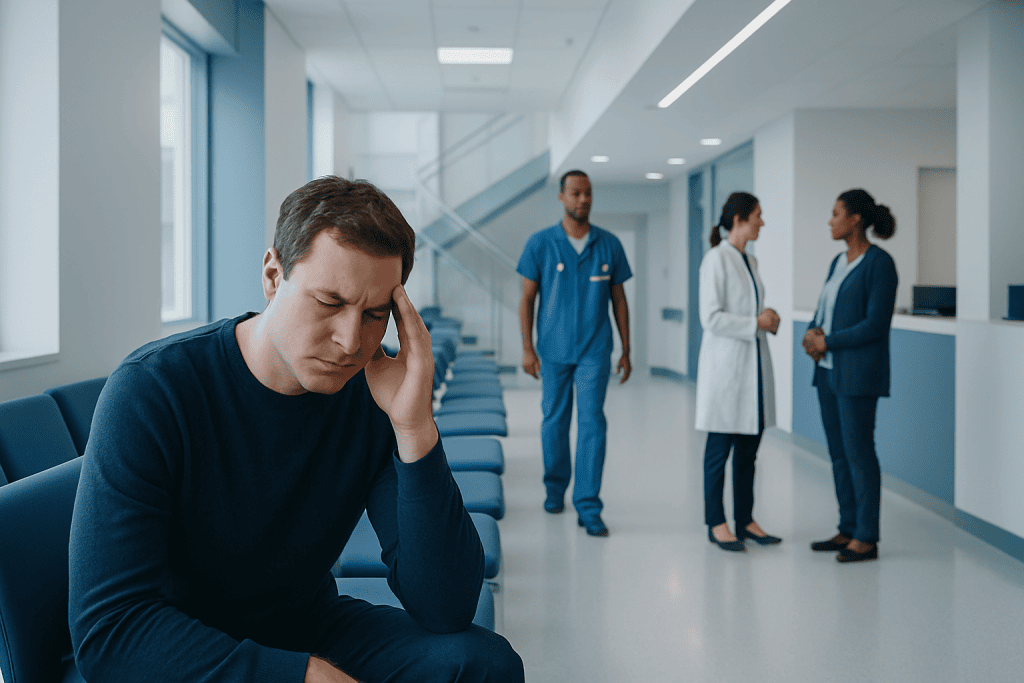
Chronic stress is persistent stress that keeps the body’s stress response active over time. Common signs include irritability, fatigue, poor sleep, muscle tension, digestive symptoms, and trouble concentrating.
Key Takeaways
- Chronic stress is persistent stress that keeps the body’s stress response active over time.
- Common signs include irritability, fatigue, poor sleep, muscle tension, digestive symptoms, and trouble concentrating.
- Long-term stress may worsen conditions such as anxiety, depression, high blood pressure, and headaches.
- Treatment usually combines lifestyle changes, stress-management skills, and professional support when needed.
- Medical evaluation is important when symptoms are severe, persistent, or affecting work, relationships, or physical health.
Chronic stress is ongoing physical and emotional strain that lasts for weeks or longer and can affect both mental and physical health. It is not simply “being busy”; when stress remains constant, it can disrupt sleep, concentration, mood, blood pressure, digestion, and overall well-being.
Overview: what chronic stress means
Chronic stress is a prolonged state of mental and physical strain. It develops when stressful pressures continue for weeks, months, or longer without enough recovery time. Unlike short-term stress, which can temporarily help a person respond to a challenge, chronic stress keeps the body’s stress systems switched on for too long.
The body responds to stress through hormones and nervous system signals that prepare it for action. When this response becomes ongoing, it may begin to affect sleep, concentration, mood, appetite, energy levels, and physical health. Some people notice clear emotional symptoms, while others mainly experience headaches, muscle tightness, stomach upset, or a sense of constant exhaustion.
Chronic stress is not a formal disease on its own in the same way as an infection or fracture, but it is a medically important health concern. It can contribute to or worsen a range of conditions, especially when combined with poor sleep, limited physical activity, social isolation, or existing medical problems. Recognizing it early can help reduce its effects and support long-term health.
How chronic stress affects the body and mind

When stress continues, the brain and body remain in a repeated cycle of alertness. Stress hormones such as cortisol and adrenaline may stay elevated more often than they should. Over time, this can influence heart rate, blood pressure, blood sugar regulation, immune function, and inflammatory processes.
The effects are not only physical. Chronic stress can make it harder to think clearly, regulate emotions, or recover from everyday challenges. A person may feel overwhelmed by tasks that once seemed manageable. Concentration, memory, patience, and decision-making can all be affected.
Long-term stress can also interact with other health concerns. It may aggravate sleep problems, contribute to unhealthy coping habits such as overeating or increased alcohol use, and make symptoms of depression or anxiety more difficult to manage. For some people, chronic stress also plays a role in recurring headaches, digestive discomfort, and flare-ups of conditions linked to muscle tension and fatigue.
Symptoms and warning signs

Symptoms of chronic stress vary from person to person. Some people mainly notice emotional strain, while others develop physical symptoms first. The pattern may change over time, especially if stress continues without support or treatment.
Common emotional and mental symptoms include irritability, restlessness, worry, feeling overwhelmed, low motivation, and trouble concentrating. Many people also describe racing thoughts, difficulty relaxing, or feeling emotionally “on edge” even when there is no immediate threat.
Physical symptoms can include:
- Fatigue or low energy
- Difficulty falling asleep or staying asleep
- Muscle tension, especially in the neck, shoulders, or jaw
- Headaches
- Digestive problems such as nausea, bloating, or changes in bowel habits
- Changes in appetite
- Fast heartbeat or a sense of internal tension
If these symptoms continue, they can begin to affect work performance, relationships, exercise habits, and general quality of life. When stress is prolonged, it may become harder to tell where stress ends and another medical or mental health condition begins, which is one reason assessment can be useful.
Common causes and risk factors
Chronic stress usually develops from ongoing pressures rather than a single upsetting event. Common causes include work demands, caregiving responsibilities, financial strain, family conflict, long-term illness, poor sleep, major life changes, or living in an environment that feels unsafe or unpredictable. Even positive changes, such as relocation or a new job, can become stressful if recovery time is limited.
Some people are more vulnerable to chronic stress than others. Risk can be higher in those with a history of trauma, anxiety, depression, limited social support, or multiple competing responsibilities. Personality traits, coping style, and access to resources also affect how stress is experienced.
Lifestyle factors can make chronic stress worse. Irregular sleep, high caffeine intake, alcohol misuse, inactivity, and lack of routine can increase physical arousal and reduce resilience. In some cases, untreated medical problems such as chronic pain, hormonal disorders, or sleep apnea may contribute to symptoms that feel like stress or intensify its effects.
How chronic stress is evaluated
There is no single blood test or scan that diagnoses chronic stress. Diagnosis is based on a careful medical history, symptom review, and evaluation of how stress is affecting daily life. A doctor may ask about sleep, mood, work and family demands, substance use, coping habits, and physical symptoms such as headaches, chest discomfort, or digestive problems.
The main goal of evaluation is to understand the full picture and rule out other conditions that may cause similar symptoms. Fatigue, poor concentration, palpitations, weight change, and sleep disturbance can also occur with thyroid disease, anemia, depression, anxiety disorders, medication side effects, or heart rhythm problems. If needed, a clinician may recommend basic tests or additional specialist assessment.
When symptoms include sleep disruption, evaluation may focus on whether a sleep disorder is contributing to stress and daytime fatigue. Some people benefit from further assessment through sleep testing when symptoms suggest disturbed sleep. Others may need support from mental health professionals, primary care doctors, neurologists, or cardiologists depending on the symptom pattern.
Treatment options and practical management
Chronic stress treatment usually works best when it addresses both the source of stress and the body’s response to it. The right plan depends on the person’s symptoms, health history, daily responsibilities, and whether related conditions such as anxiety, depression, insomnia, or headaches are present. Treatment often combines self-care strategies with professional support.
Evidence-based approaches may include counseling, cognitive behavioral therapy, stress-management training, mindfulness-based techniques, structured relaxation, regular physical activity, and improving sleep habits. If chronic stress has contributed to significant anxiety, depression, or sleep disturbance, a doctor may recommend formal mental health treatment and, in some cases, medication as part of a broader care plan.
Physical symptoms should not be ignored. If stress is associated with persistent headaches, neck pain, or other neurologic symptoms, specialist care may help identify whether another condition is involved. For example, a person with frequent severe headaches may need assessment related to migraine treatment rather than assuming stress is the only cause. In selected cases, doctors may also consider supportive services such as psychiatric evaluation and care to create a coordinated treatment plan.
Treatment is most effective when it is realistic and sustainable. Small changes practiced consistently often help more than trying to overhaul every habit at once. Support from family, employers, schools, or caregivers can also play an important role in recovery.
Prevention and self-care strategies
Although it is not always possible to remove the source of stress, many people can reduce its impact by strengthening daily recovery habits. Sleep, movement, balanced meals, and regular routines support the nervous system and improve resilience. Even brief periods of rest or calm during the day can be helpful.
Useful self-care strategies include:
- Keeping a regular sleep and wake schedule
- Taking short movement breaks and exercising regularly
- Limiting excess caffeine and alcohol
- Setting realistic priorities and boundaries
- Using relaxation methods such as slow breathing, meditation, or stretching
- Staying connected with supportive family members or friends
- Reducing unnecessary information overload and screen time, especially before bed
It can also help to identify specific triggers. Some people benefit from tracking symptoms, sleep, workload, meals, and mood for a few weeks to look for patterns. This can make treatment more targeted and may reveal practical changes that reduce stress intensity.
For international patients who need coordinated assessment, Acibadem International’s multidisciplinary specialists and JCI-accredited hospitals diagnose and treat stress-related symptoms and associated conditions with individualized care.
When to seek medical care
Medical care is appropriate when stress symptoms are persistent, worsening, or interfering with daily life. A person should speak with a doctor if poor sleep, fatigue, headaches, digestive symptoms, panic-like episodes, low mood, or difficulty functioning at work or home continue despite self-care efforts.
Urgent medical attention is needed for chest pain, severe shortness of breath, fainting, new neurologic symptoms, thoughts of self-harm, or sudden changes in behavior. These symptoms should not be assumed to be caused by stress alone.
It is also wise to seek help if stress is leading to increased alcohol or substance use, emotional withdrawal, repeated conflict, or inability to manage routine responsibilities. Early support can prevent symptoms from becoming more severe and can help identify whether another medical or mental health condition is present.
Frequently asked questions
What is the difference between stress and chronic stress?
Stress is the body’s normal response to a challenge or demand, and it may be brief and manageable. Chronic stress lasts much longer and keeps the body in a more constant state of strain, which can begin to affect physical and mental health.
Can chronic stress make a person physically ill?
Yes. Chronic stress can contribute to headaches, sleep problems, muscle tension, digestive symptoms, fatigue, and raised blood pressure. It can also worsen existing conditions and make recovery from illness more difficult.
How is chronic stress diagnosed?
There is no single test for chronic stress. A doctor usually diagnoses it by reviewing symptoms, stressors, medical history, sleep, mood, and daily functioning, while also checking for other conditions that could cause similar symptoms.
Can chronic stress cause anxiety or depression?
Chronic stress can increase the risk of anxiety and depression or make these conditions harder to manage. However, not everyone with chronic stress develops a mental health disorder, which is why individual evaluation is important.
What helps most with chronic stress?
The most helpful approach is usually a combination of steps rather than a single solution. Common strategies include improving sleep, regular exercise, counseling or therapy, relaxation techniques, and addressing the ongoing source of stress where possible.
When should someone see a doctor for chronic stress?
A doctor should be consulted if symptoms last for weeks, affect work or relationships, or are accompanied by significant sleep, mood, or physical symptoms. Urgent care is needed for chest pain, fainting, suicidal thoughts, or sudden severe neurologic symptoms.
This article is for general information only and is not a substitute for professional medical advice. Please consult a qualified doctor about your individual situation.
Explore treatments in Turkey — costs, top hospitals & a free quote
JCI-accredited · board-certified surgeons · reply within 24h
Add us as a Preferred Source to see more of our trusted health content across Google Search, AI Overviews and Discover.
Check your numbers in seconds
BMI, calories, due date, blood pressure and 30+ more clinical calculators — free, instant, doctor-reviewed ranges.

More from the Health Library

Smokers Flu: An Evidence-Based Guide for Patients

Executive Dysfunction: What Patients Need to Know

Hyperfixation: A Complete Medical Overview

Ceramides: A Complete Medical Overview

Buttermilk Substitute — Explained by Medical Evidence, Not Myths